Skip to content









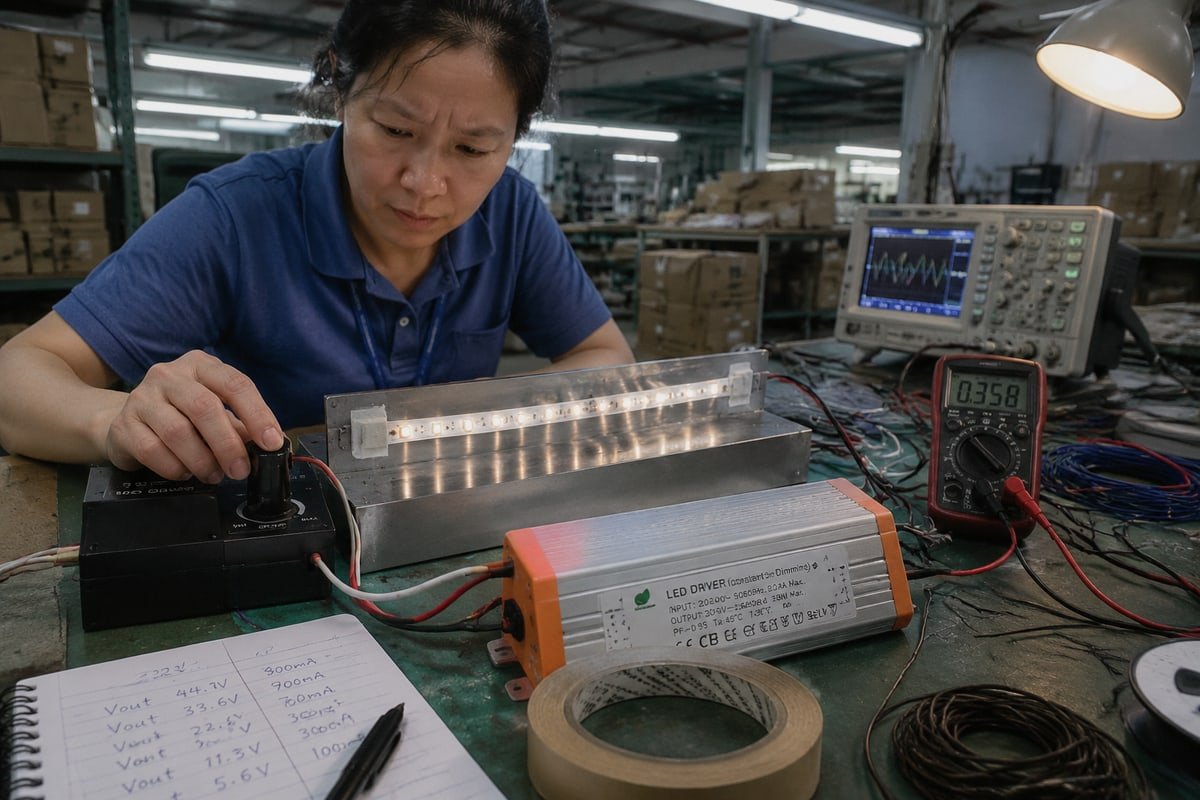
وميض شرائط LED مع مشغلات CV TRIAC هو أكثر الشكاوى التي نسجلها في مصنع المشغلات لدينا. إنه يحبط القائمين على التركيب، ويقتل ثقة المشروع، ويوقف الطلبات المتكررة.
تومض شرائط LED مع مشغلات CV TRIAC عندما لا يكون المخفت، ودائرة إدخال المشغل، وحمل LED متطابقين بشكل صحيح. يقطع TRIAC موجة التيار المتردد، ويفشل المشغل غير المتوافق في الحفاظ على تنظيم تيار مستمر مستقر—خاصة عند مستويات التعتيم المنخفضة، أو الأحمال المنخفضة، أو مع الاقتران الخاطئ بين الحافة الأمامية/الحافة الخلفية.
تبدو هذه الإجابة بسيطة. لكن التفاصيل مهمة. أدناه، أوضح الأسباب الحقيقية، والإصلاحات التي تعمل، وكيفية تأهيل المنتجات قبل الشراء بكميات كبيرة.
ما الذي يسبب وميض شرائط LED الخاصة بي عند استخدام مشغلات CV TRIAC؟
العام الماضي، تتبع فريق مراقبة الجودة لدينا شكوى وميض من عميل في سنغافورة إلى سبب جذري واحد: مرحلة الإدخال 1 في المشغل لم تستطع إبقاء TRIAC في حالة القفل. تلك الحالة شكلت هذا القسم بأكمله.
يحدث الوميض عندما تخرج موجة القطع الطوري، ومرحلة إدخال المشغل، وحلقة تنظيم التيار المستمر، وحمل LED عن التزامن. تشمل المحفزات الشائعة انقطاع تيار الإمساك، والسعة الزائدة للإدخال، وعدم تطابق الحافة الأمامية/الحافة الخلفية، ودورات حماية الفواق، والأحمال الأقل من الحد الأدنى لمتطلبات حمل المشغل.
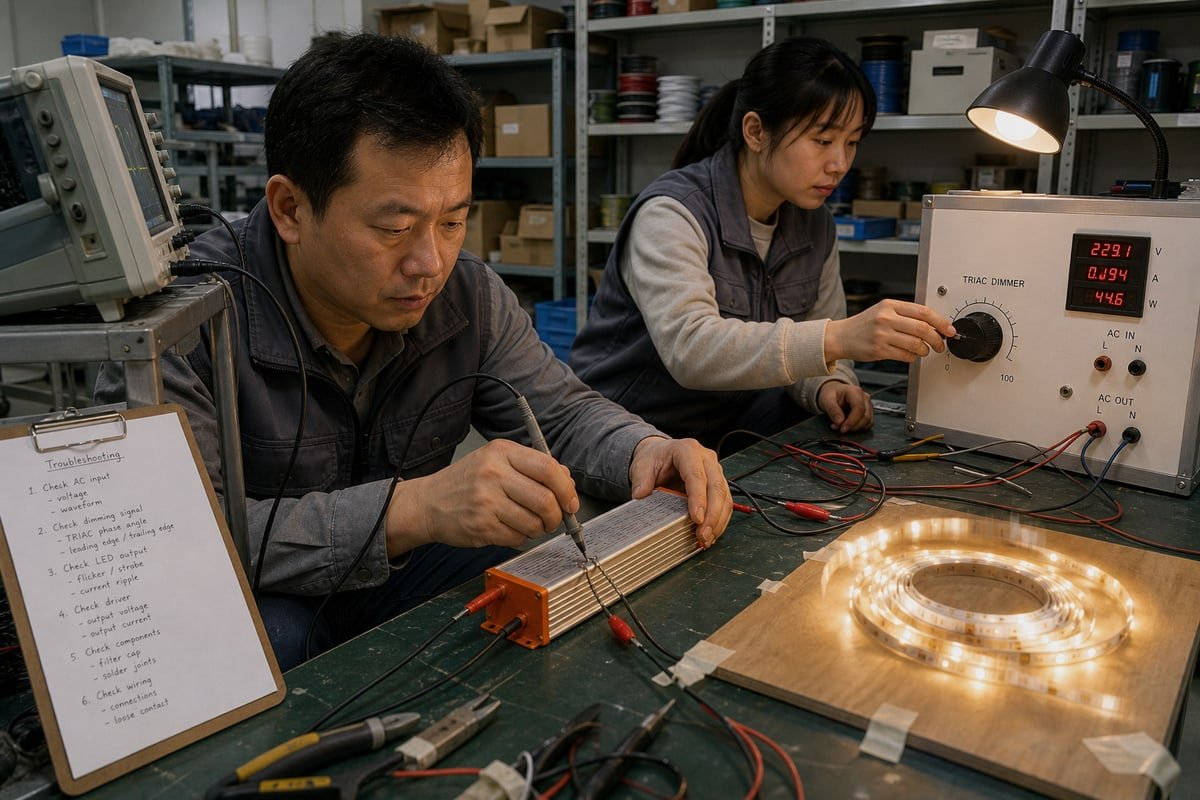
معظم الناس يصيغون هذا على أنه “عدم توافق TRIAC”. هذه الصياغة غامضة جدًا لإصلاح أي شيء. السلسلة الحقيقية هي: موجة القطع الطوري ← مرحلة إدخال المشغل ← تنظيم التيار المستمر وحلقة التحكم ← حمل LED. يظهر الوميض عندما تنهار أي حلقة في تلك السلسلة.
السبب الأكثر تجاهلًا: تيار الإمساك
يحتاج TRIAC إلى تيار كافٍ يتدفق عبره للبقاء في حالة القفل خلال كل نصف دورة من التيار المتردد. المشغل ذو تيار الإدخال الصغير أو غير الخطي بشدة يمكن أن يجعل TRIAC ينطفئ مبكرًا أو يعمل بشكل غير متسق. يزداد هذا سوءًا بالقرب من أسفل نطاق التعتيم، لأن نافذة التوصيل 2 قصيرة بالفعل. لهذا يظهر الوميض غالبًا فقط تحت سطوع حوالي 20%. يعمل النظام بشكل جيد عند الطاقة الكاملة، ثم يومض، أو ينبض، أو يلمع عند التعتيم.
القائمة الكاملة لآليات الوميض
في مختبرنا، نصنف شكاوى الوميض إلى الآليات أدناه. لكل منها إصلاح مختلف، لذا تحديد الصحيح يوفر أسابيع.
| الآلية | ما يحدث فعليًا | العرض النموذجي |
|---|---|---|
| انقطاع تيار الإمساك | يسحب المشغل تيارًا قليلًا جدًا لإبقاء TRIAC في حالة القفل | وميض أو نبض عند مستويات التعتيم المنخفضة |
| عدم تطابق الحافة الأمامية/الخلفية | لا يستطيع المشغل فك تشفير نمط القطع الطوري للمخفت | وميض عبر النطاق بأكمله |
| رنين اندفاع مرشح EMI | ترن مكثفات الإدخال عند كل تشغيل TRIAC | لمعان أو طنين قرب منتصف النطاق |
| ارتجاف كشف العبور الصفري | يقرأ المشغل توقيت الموجة المقطوعة بشكل خاطئ | وميض عشوائي وغير منتظم |
| دورات حماية الفواق | تعيد حماية الحمل الزائد تشغيل المشغل مرارًا | وميض إيقاف-تشغيل بطيء وإيقاعي |
| أنماط تموج مقابل PWM | يتداخل تموج التيار المتردد المصحح مع تردد تعتيم PWM الداخلي | تأثير تدحرج بطيء أو اصطرابي |
| انحراف حراري | تتغير عتبات القفل مع تسخين المكونات | وميض يبدأ بعد الإحماء |
| تلوث توافقي | أحمال غير خطية أخرى تحفر في موجة التيار المتردد على الفرع | وميض فقط عند تشغيل معدات أخرى |
| انخفاض الجهد على مسارات التيار المستمر | سلك أصغر من اللازم أو مسارات طويلة تسبب تذبذبات ترهل | وميض في الطرف البعيد من الشريط |
| عدم تطابق المعاوقة المنعكسة | الحث الطفيلي للشريط يزعج حلقة تنظيم الإخراج | عدم استقرار مع شرائط طويلة جدًا |
لاحظ أن بعض هذه فقط مشاكل مخفت. العديد منها مشاكل توصيل طاقة تصبح مرئية فقط عندما يزيل التعتيم هامش النظام.
كيف يمكنني إصلاح الوميض في مشاريع إضاءة شرائط LED القابلة للتعتيم بنظام TRIAC؟
عميل في فيتنام أعاد ذات مرة ثلاثة سواقات “معيبة” إلى ورشتنا. اجتازت الثلاثة جميع اختبارات المقاعد لدينا. مشكلته الحقيقية كانت انخفاض الجهد على مسار شريط طويل في موقع العمل.
أصلح الوميض بالاختبار بالترتيب: تجاوز المخفت، وتحقق من أن جهد السائق وقوته يطابقان الشريط، وتأكد من تلبية الحد الأدنى لحمل المخفت، وشد كل توصيلة، وقس انخفاض الجهد على طول المسار، وأخيرًا استبدل السائق بوحدة CV مصنفة لقطع الطور.
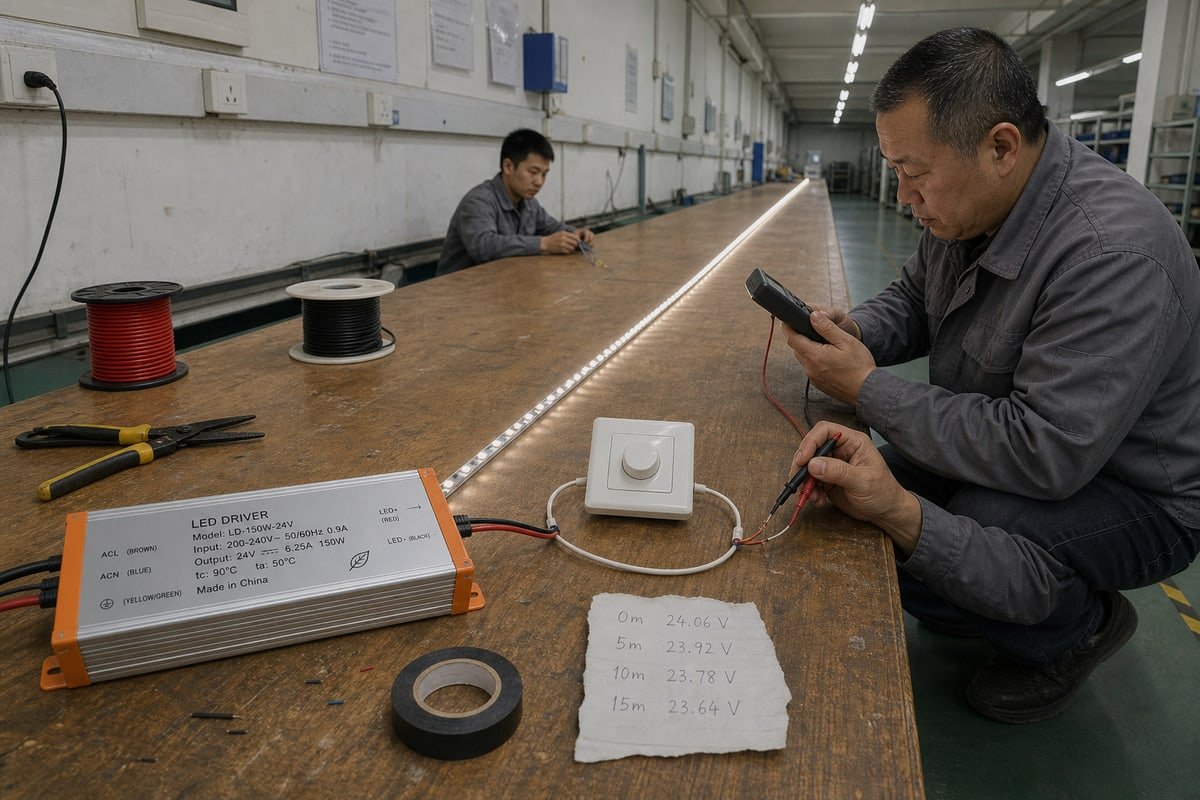
أسرع طريقة لإصلاح الوميض هي التوقف عن التخمين والبدء في الاستبعاد. الفرق الرئيسي هو بين الوميض الناجم عن المخفت والوميض الناجم عن توصيل الطاقة. يبدوان متطابقين للعين، لكنهما يحتاجان إلى إصلاحين متعاكسين. إليك تسلسل الاستبعاد الذي نوصي به عملاءنا من المهندسين.
- تجاوز المخفت. قم بتوصيل السائق مباشرة بالتيار الرئيسي. إذا اختفى الوميض، فإن المشكلة تكمن في سلسلة التعتيم 3. إذا بقي، انظر إلى توصيل الطاقة بدلاً من ذلك.
- تحقق من التطابق الكهربائي. تأكد من أن محول LED منخفض الجهد يخرج 12V أو 24V الصحيح، وأن قوته تغطي الشريط بهامش. السائق الذي يعمل عند الحد الأقصى يمكن أن ينزلق إلى حماية الفواق، والتي تبدو كنبض إيقاعي.
- تحقق من الحد الأدنى لحمل المخفت. العديد من مخفتات الجدران تحتاج إلى حد أدنى من القوة الكهربائية للعمل. شريط قصير عند سطوع منخفض قد يقع تحت هذا الحد الأدنى، لذا يتناوب المخفت بين التشغيل والإيقاف.
- افحص كل توصيلة. الأطراف المرتخية، والوصلات المتآكلة، وموصلات المشبك الرخيصة تخلق اتصالًا متقطعًا يحاكي مشاكل المخفت تمامًا.
- قس الجهد عند طرفي الشريط. إذا رأيت أكثر من حوالي 0.5V من الانخفاض من البداية إلى النهاية، فإن الترهل يساهم في الوميض. قصّر المسار، أو كبّر السلك، أو غذِّ الطاقة من كلا الطرفين.
- استبدل السائق أخيرًا. إذا اجتازت الخطوات من الأولى إلى الخامسة وبقي الوميض، استبدل السائق بوحدة مصنفة صراحةً لتعتيم قطع الطور ومؤكدة ضد طراز المخفت الخاص بك.
اتباع هذا الترتيب مهم. في سجلات ما بعد البيع لدينا، تتحول حصة كبيرة من “أعطال السائق” إلى مشاكل أسلاك، أو تحجيم حمل، أو مشاكل حد أدنى لحمل المخفت لم يكن سائق جديد ليصلحها أبدًا.
أي مفاتيح تعتيم TRIAC متوافقة حقًا مع مشغلات LED ذات الجهد الثابت (CV) الخاصة بي؟
الاختيار بين مخفت طور أمامي وطراز حافة خلفية هو مقايضة يزنها مهندسونا باستمرار: موثوقية الإمساك الخام مقابل الأداء السلس عند الطرف المنخفض.
مخفتات TRIAC المتوافقة تطابق طريقة التعتيم المعلنة للسائق—الحافة الأمامية، أو الحافة الخلفية، أو كليهما—وتلبي ملف تيار الإدخال للسائق، وتحمل تصنيف حد أدنى للحمل يمكن للشريط المتصل تلبيته. أكد دائمًا الاقتران مقابل قائمة توافق المخفتات المختبرة من الشركة المصنعة للسائق.
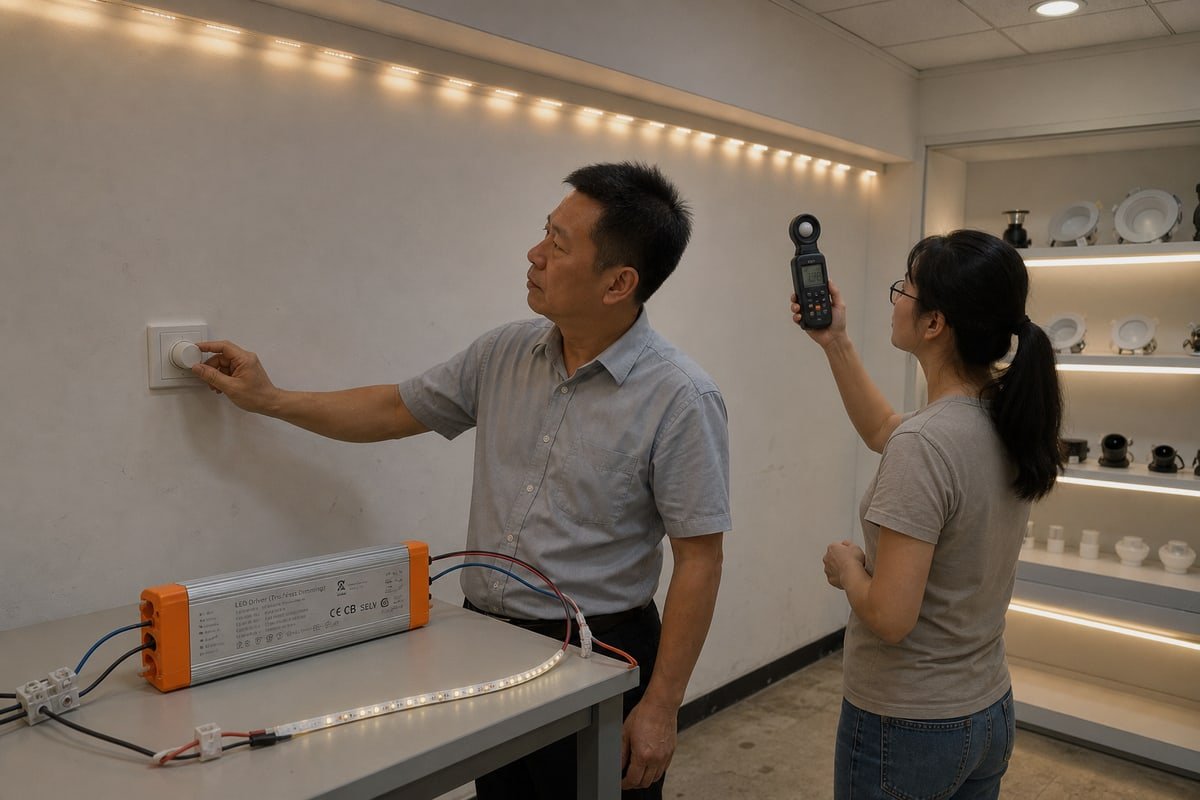
توافق مفتاح المخفت هو حيث تخطئ معظم المشاريع، لذا ابدأ بـ مقارنة الحافة الأمامية مقابل الحافة الخلفية. تقطع التقنيتان موجة التيار المتردد بشكل مختلف، والسائق المصمم لواحدة قد يسيء التصرف على الأخرى.
| العامل | الحافة الأمامية (طور أمامي) | الحافة الخلفية (نوع ELV) |
|---|---|---|
| كيف تقطع شكل الموجة | تقطع مقدمة كل نصف دورة | تقطع الجزء الخلفي من كل نصف دورة |
| هدف التصميم الأصلي | أحمال المتوهجة والمغناطيسية | أحمال إلكترونية منخفضة الجهد |
| حساسية تيار الإمساك | عالية—تحتاج تيارًا ثابتًا للبقاء مقفلة | منخفضة—تستخدم ترانزستورات، وليس TRIAC قفلًا |
| متطلب الحد الأدنى للحمل | غالبًا 25W أو أكثر | عادةً أقل بكثير |
| سلوك التعتيم عند الطرف المنخفض | عرضة للانقطاع والوميض | عادةً أكثر سلاسة وهدوءًا |
| أفضل اقتران | سواقات مصنفة صراحةً للحافة الأمامية | تصاميم سواقات قابلة للتعتيم ELV |
الآن دعني أعالج اعتراضًا شائعًا من المشترين. بعض المهندسين يخبرونني أن تعتيم TRIAC خاطئ بطبيعته لأشرطة LED، وأن حل MOSFET أو الحافة الخلفية فقط يمكن أن يكون خاليًا من الوميض. أفهم من أين تأتي هذه النظرة—مخفتات المتوهجة القديمة على مصدر طاقة جهد ثابت عام 4 الوحدات تومض بشكل سيء. لكن الاستنتاج قديم. السائق الذي تكون مرحلة الإدخال فيه مصممة لفك تشفير إدخال القطع الطوري، وتقديم تيار مستقر إلى الترياك، وتنظيم نظيف عند مستويات التعتيم العميقة يمكن أن يعمل بشكل جيد جدًا على الأجهزة ذات الحافة الرائدة 5. الطيف الحقيقي يمتد من “الإعدادات العامة القديمة التي تومض” إلى “الأنظمة المتوافقة مع الترياك المصممة هندسيًا والتي لا تومض.”
القاعدة العملية التي نعطيها للموزعين: لا تؤهل الخافت بمفرده أبدًا. قم بتأهيل الخافت والسائق والشريط كنظام واحد، واسأل موردك عن قائمة التوافق المختبرة لديهم قبل تحديد أي شيء.
كيف أختار مشغل TRIAC بجهد ثابت (CV) موثوقًا لمنع الوميض في الطلبات بالجملة؟
درس واحد من سنوات تصدير السائقين إلى أوروبا وجنوب شرق آسيا يبرز لي: سطر في ورقة البيانات يقرأ جهد ثابت 24 فولت لا يخبرك شيئًا عن التعتيم.
اختر سائقًا مُصنفًا صراحةً على أنه جهد ثابت 24 فولت، قابل للتعتيم عبر الترياك/القطع الطوري—وليس مجرد جهد ثابت. تحقق من دعم الحافة الرائدة والحافة المتأخرة، والحد الأدنى والأقصى للحمل، واستقرار التعتيم عند الطرف المنخفض، وسلوك تيار الإدخال، وعلامات السلامة مثل CE وCB وSELV، ثم اختبر عينة من مجموعة الخافت-السائق-الشريط الكاملة قبل الالتزام.
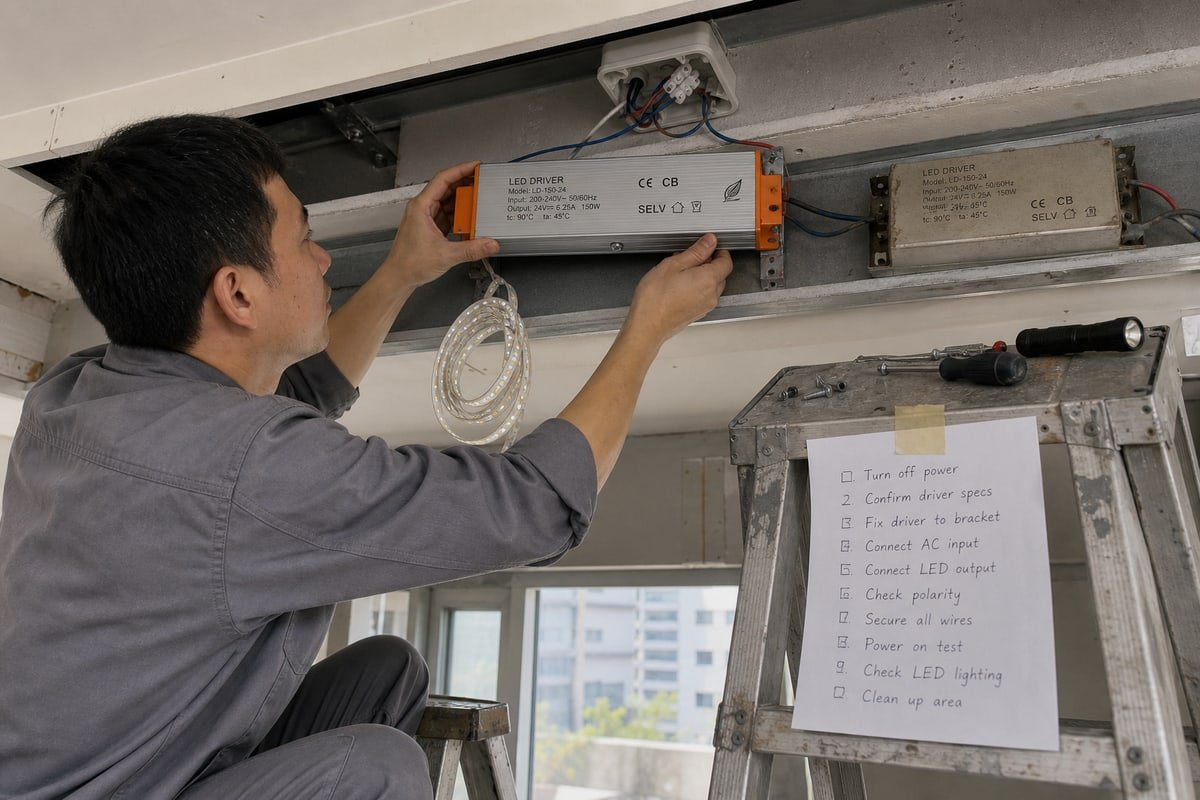
إليك المشكلة الخفية التي تكلف المشترين أكبر قدر من المال. يمكن أن يكون شريط LED بجهد 24 فولت متوافقًا تمامًا مع سائق جهد ثابت 24 فولت كهربائيًا ومع ذلك يومض عند التعتيم. توافق الجهد وتوافق التعتيم شيئان مختلفان. أ مصدر طاقة تقليدي بجهد ثابت قد ينتج جهدًا مستمرًا ممتازًا 24 فولت في التشغيل العادي، ومع ذلك قد تكون دائرة الإدخال فيه غير مناسبة تمامًا لموجة القطع الطوري. توصيله خلف خافت ترياك لا يجعله سحرًا سائقًا قابلًا للتعتيم عبر الترياك. يجب أن تنص المواصفات على شيء مثل “جهد ثابت 24 فولت، قابل للتعتيم عبر الترياك/القطع الطوري”—وليس ببساطة “مصدر طاقة بجهد ثابت 24 فولت.”
الأسئلة الستة التي يجب طرحها على كل مورد
قبل أي طلب بالجملة، نقول للمشترين أن يتجاوزوا “هل هو قابل للتعتيم عبر الترياك؟” وأن يطرحوا هذه الأسئلة الستة بدلاً من ذلك:
- هل هو مصمم للحافة الرائدة، أو الحافة المتأخرة، أو كليهما؟
- ما هو الحد الأدنى والأقصى للحمل للسائق؟
- ما هو شكل موجة تيار الإدخال للسائق؟
- هل يحافظ على تنظيم مستقر عند مستوى التعتيم الأدنى الذي تنوي استخدامه؟
- هل يسحب شريط LED فعليًا طاقة كافية لنطاق تشغيل السائق؟
- هل لدى الخافت متطلب حمل أدنى خاص به؟
قائمة التحقق لتأهيل الطلبات بالجملة
| نقطة التحقق | ما يجب التحقق منه | علامة خطر |
|---|---|---|
| تسمية التعتيم | تنص صراحةً على قابلية التعتيم عبر الترياك/القطع الطوري | تقول فقط جهد ثابت |
| علامات السلامة | CE وCB وSELV مطبوعة على الهيكل | شهادات مفقودة أو غير قابلة للتحقق |
| التصميم الحراري | هيكل ألومنيوم مع أخاديد لتبديد الحرارة | بلاستيك مغلق بدون مسار حراري |
| ادعاءات خالية من الوميض | اسأل إذا كان التعتيم من 0–100% ينطبق على الخافت والحمل لديك | ادعاء مقدم بدون قائمة خافتات مختبرة |
| اختبار الطرف المنخفض | عينة مختبرة عند الحد الأدنى الفعلي للسطوع لديك | مختبرة فقط عند الإخراج الكامل |
| شروط الضمان | ضمان مكتوب يُحترم في أعطال التعتيم | الضمان يستثني سلوك التعتيم |
على جانب الأجهزة، تخبرك جودة البناء المادية بالكثير. تستخدم وحداتنا هيكل ألومنيوم مصقول مع أخاديد مضلعة لتبديد الحرارة، لأن الانجراف الحراري في سائق ساخن يمكن أن يغير سلوك التوصيل ويخلق وميضًا يظهر فقط بعد الإحماء. تعامل أيضًا مع تسويق “0–100% خالٍ من الوميض” كادعاء توافق، وليس ضمانًا عالميًا—إنه يصمد فقط مع الخافتات المختبرة عبر نطاق الحمل المذكور. خلاصتي الأقوى في B2B: لا تؤهل سائق جهد ثابت كقابل للتعتيم عبر الترياك فقط لأنه يقبل خافت ترياك. الاختبار الحقيقي هو ما إذا كانت مجموعة الخافت والسائق وشريط LED الكاملة تبقى مستقرة عبر نطاق التعتيم المطلوب بالكامل.
خاتمة
الوميض هو عدم تطابق في النظام، وليس لغزًا. طابق الخافت والسائق والشريط؛ اختبر السلسلة الكاملة؛ واشترِ فقط من الموردين الذين يؤهلون المجموعات الكاملة.
الحواشي
- يشرح وظيفة مرحلة الإدخال في التحكم بالطاقة القائم على الترياك. ↩︎
- شرح تقني للتحكم في إطلاق الطور وتوقيت التوصيل. ↩︎
- رابط وزارة الطاقة الأصلي غير متاح (404)؛ هذه هي الصفحة الموثوقة المحدثة التي تشرح أساسيات وميض LED ومكونات النظام. ↩︎
- معايير توجيه الجهد المنخفض للاتحاد الأوروبي للمعدات الكهربائية ذات الجهد الثابت. ↩︎
- معيار NEMA بشأن توافق التعتيم لإضاءة الحالة الصلبة. ↩︎