Skip to content










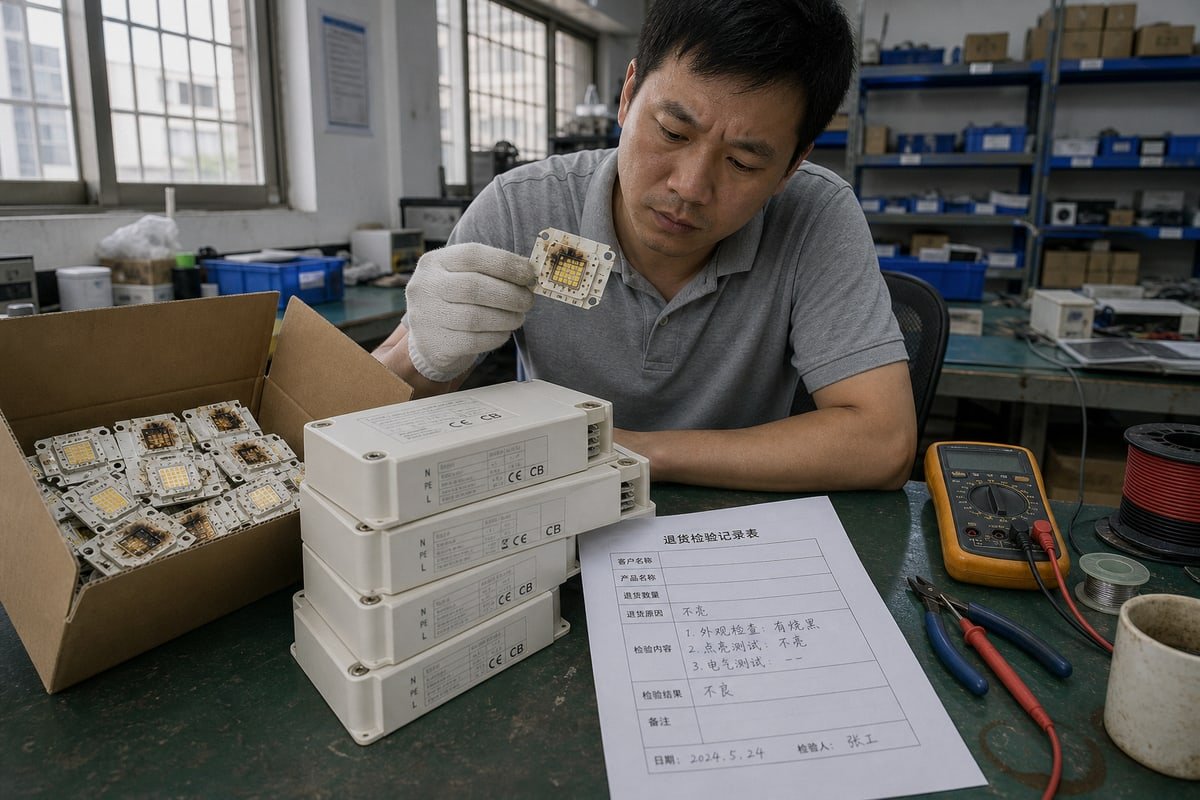
ชุดโมดูล LED ที่เสียหายซึ่งถูกส่งกลับมาสอนบทเรียนอันโหดร้ายให้ทีมเซินเจิ้นของเรา: หากไม่มี การควบคุมกระแสคงที่ 1, โมดูล LED จะค่อยๆ ไหม้ตัวเองอย่างเงียบๆ นี่คือเหตุผลว่าทำไมจึงเกิดสิ่งนั้น.
กระแสคงที่เป็นที่ต้องการสำหรับโมดูล LED ที่ออกแบบมาเป็นโหลดกระแสคงที่ เนื่องจากแรงดันไปข้างหน้าของ LED เปลี่ยนแปลงตามอุณหภูมิและกระแส ไดรเวอร์กระแสคงที่ควบคุมกระแสแทนที่จะปล่อยให้มันเพิ่มขึ้น รักษาความสว่างที่คาดเดาได้ จำกัดความเครียดจากความร้อน และยืดอายุการใช้งานของ LED จับคู่กระแสก่อน จากนั้นตรวจสอบช่วงแรงดันไฟฟ้าที่รองรับ.
มีข้อชี้แจงหนึ่งที่สำคัญก่อนไปต่อ กระแสคงที่ไม่ใช่ตัวเลือกที่ดีที่สุดสำหรับผลิตภัณฑ์ LED ทุกชนิดบนโลก มันเป็นที่ต้องการสำหรับโหลด LED ที่ออกแบบมาเป็นโหลดกระแสคงที่: โมดูลเปล่า อาร์เรย์ COB และสายไฟแบบอนุกรม แถบ LED ที่มีตัวจำกัดกระแสในตัวเป็นเรื่องที่แตกต่าง บทความนี้จะอธิบายฟิสิกส์ ประโยชน์ด้านความน่าเชื่อถือ คณิตศาสตร์ต้นทุน และวิธีการเลือกที่ใช้งานได้จริง เริ่มจากคำถามหลักกันก่อน.
เหตุใดฉันจึงควรเลือกไดรเวอร์กระแสคงที่แทนแรงดันคงที่สำหรับโมดูล LED ของฉัน?
ผู้จัดการฝ่ายจัดซื้อในสิงคโปร์เคยถามฉันว่าทำไมซัพพลายเออร์ของเธอยืนยันที่จะใช้ ไดรเวอร์กระแสคงที่สำหรับโมดูล COB เปล่า คำตอบของเราลงเอยที่คำเดียว: ฟิสิกส์.
เลือกไดรเวอร์กระแสคงที่สำหรับโมดูล LED ที่ออกแบบมาเป็นโหลดกระแสคงที่ เนื่องจาก LED เปลือยไม่สามารถควบคุมกระแสของตัวเองได้ แรงดันไฟฟ้าที่เพิ่มขึ้นเล็กน้อยจะสร้างกระแสพุ่งสูงขนาดใหญ่ ไดรเวอร์แรงดันคงที่เหมาะกับแถบ LED ที่มีตัวจำกัดกระแสในตัว โมดูลเปลือย COB และสายอนุกรมต้องใช้กระแสที่ควบคุมได้.
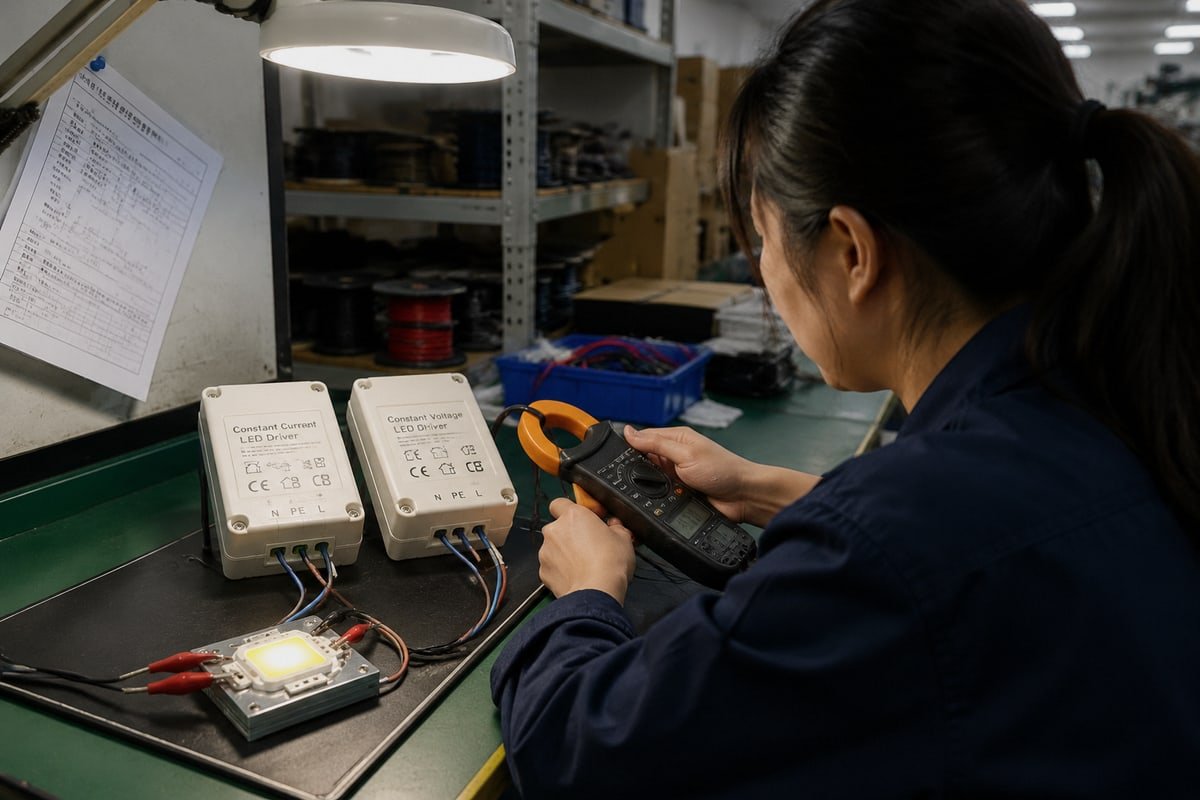
แนวคิดที่สำคัญที่สุดที่นี่คือพฤติกรรมความต้านทานเชิงลบของ LED LED ไม่ได้ควบคุมกระแสของตัวเองตามธรรมชาติ เมื่อถึง แรงดันไปข้างหน้า 2 จุดนั้นแล้ว แรงดันไฟฟ้าที่เพิ่มขึ้นเพียงเล็กน้อยสามารถทำให้กระแสเพิ่มขึ้นอย่างไม่สมส่วน ห่วงโซ่มีลักษณะเช่นนี้: กระแสที่สูงขึ้นทำให้อุณหภูมิ LED สูงขึ้น อุณหภูมิที่สูงขึ้นเปลี่ยนแรงดันไปข้างหน้า จุดทำงานเลื่อน และกระแสสามารถเพิ่มขึ้นได้อีก นั่นคือเหตุผลที่การเชื่อมต่อโมดูล LED เปล่าเข้ากับแหล่งจ่ายแรงดันไฟฟ้าโดยตรงเป็นอันตราย.
ไดรเวอร์กระแสคงที่ที่ออกแบบมาอย่างเหมาะสมจะทำลายห่วงโซ่นั้น มันควบคุมกระแส ในขณะที่แรงดัน LED ปรับไปที่ค่าที่โหลดต้องการภายในช่วงการทำงานของไดรเวอร์ ขอขจัดความเข้าใจผิดที่พบบ่อยทันที: ไดรเวอร์กระแสคงที่ไม่บังคับแรงดันไฟฟ้าคงที่เข้าไปใน LED LED กำหนดแรงดันไฟฟ้าทำงานของมันเอง ไดรเวอร์ควบคุมกระแส.
ไดรเวอร์แต่ละประเภทเหมาะกับที่ไหน?
| คุณสมบัติ | กระแสคงที่ (CC) | แรงดันคงที่ (CV) |
|---|---|---|
| เอาต์พุตที่ควบคุม | กระแส | แรงดันไฟฟ้า |
| ข้อกำหนดทั่วไป | 350 mA, 500 mA, 700 mA | 12V, 24V |
| การใช้งานทั่วไป | โมดูล LED เปล่า, COB, ไฟดาวน์ไลท์หลายรุ่น | แถบ LED, โมดูล CV |
| พารามิเตอร์การเลือกหลัก | กระแส LED | แรงดัน LED |
| พารามิเตอร์รอง | ช่วงแรงดันไปข้างหน้า/ช่วงที่รองรับ | กระแส/กำลังโหลดสูงสุด |
| การจำกัดกระแส | สร้างไว้ในไดรเวอร์ | มักต้องมีภายในโหลด LED |
ดังนั้นไดรเวอร์แรงดันคงที่จึงไม่ผิด มันเป็นเครื่องมือที่เหมาะสมสำหรับสถาปัตยกรรมที่แตกต่างกัน ไดรเวอร์ CC ยังเข้ากันได้ตามธรรมชาติกับวงจรอนุกรม เพราะกระแสเดียวกันไหลผ่านทุก LED ในสาย ในขณะที่ไดรเวอร์ปรับแรงดันเอาต์พุตเพื่อครอบคลุมแรงดันไปข้างหน้ารวม.
กระแสคงที่ช่วยปรับปรุงความน่าเชื่อถือและอายุการใช้งานของโครงการไฟ LED ของฉันได้อย่างไร?
ไดรเวอร์ทุกชุดในสายการผลิตของเราผ่านการทดสอบเบิร์นอินเต็มรูปแบบก่อนจัดส่ง นิสัยนี้เริ่มต้นหลังจากเราศึกษาว่าทำไมความล้มเหลวในภาคสนามจึงกระจุกตัวอยู่ที่ความร้อน ไม่ใช่ความสว่าง.
กระแสคงที่ปรับปรุงความน่าเชื่อถือโดยป้องกันการหนีความร้อน รักษา LED ภายในพิกัดกระแสสูงสุดสัมบูรณ์ และทำให้อุณหภูมิจุดเชื่อมต่อคงที่ กระแสที่คงที่รักษาฟลักซ์การส่องสว่างและความสม่ำเสมอของสีให้คาดเดาได้ ลดความเครียดทางไฟฟ้าบนชิป และโดยทั่วไปยืดอายุการใช้งานของ LED ตลอดช่วงอุณหภูมิการทำงานของโคมไฟ.
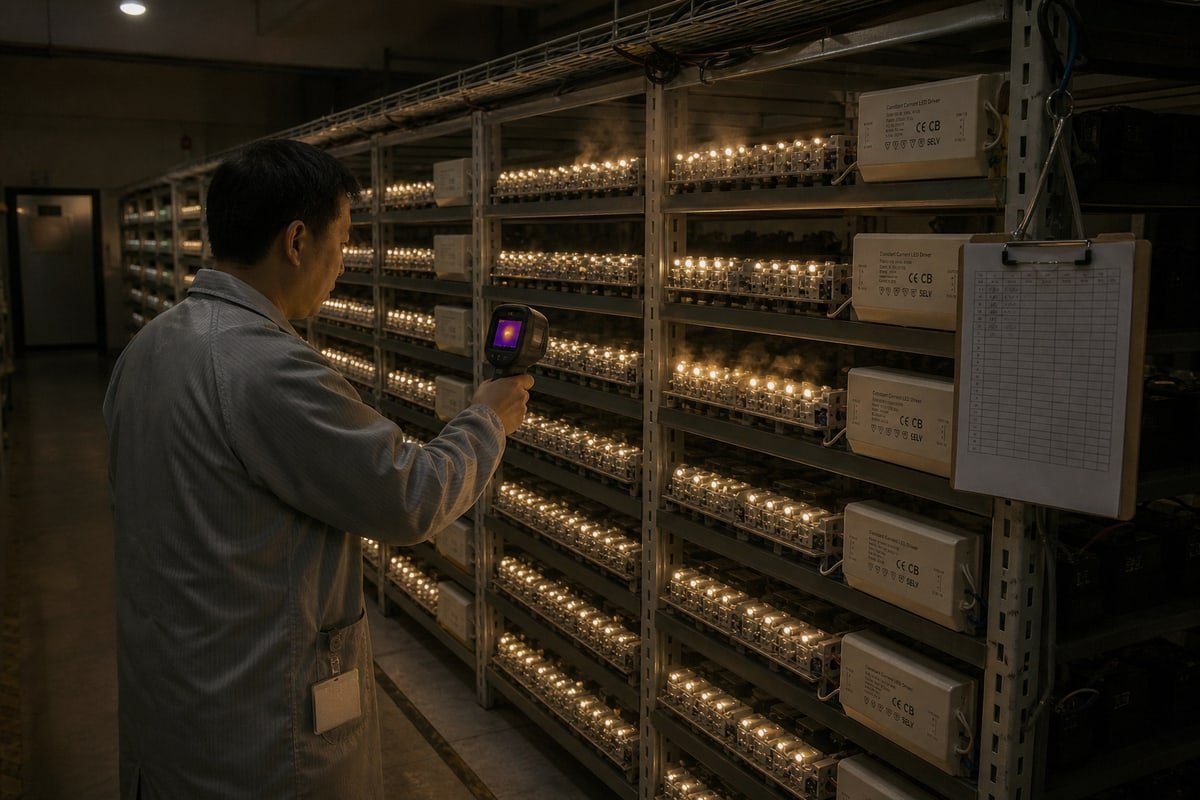
LED มีค่าสัมประสิทธิ์อุณหภูมิเชิงลบ เมื่อจุดเชื่อมต่อร้อนขึ้น ความต้านทานจะลดลงอย่างมีประสิทธิภาพ และไดโอดดึงกระแสมากขึ้นที่แรงดันเดียวกัน บนแหล่งจ่ายที่ไม่มีการควบคุม วงจรนี้จะป้อนตัวเองจนกว่าชิปจะล้มเหลว วิศวกรเรียกสิ่งนี้ว่าการหนีความร้อน และมันคือนักฆ่าอันดับหนึ่งของโมดูลที่ถูกขับเกินพิกัด ไดรเวอร์ CC ชดเชยโดยอัตโนมัติ: เมื่อ LED ร้อนขึ้นและแรงดันไปข้างหน้าเลื่อน ไดรเวอร์จะปรับแรงดันเอาต์พุตและรักษากระแสที่จุดตั้งค่า นั่นคือการป้องกันการขับเกินในตัว ทำให้ชิปอยู่ภายในพิกัดกระแสสูงสุดสัมบูรณ์ของผู้ผลิตโดยไม่คำนึงถึงความผันผวนของอินพุต.
ประโยชน์ด้านคุณภาพแสงที่คุณวัดได้
ความน่าเชื่อถือไม่ใช่แค่เรื่องการอยู่รอด ชิป LED ถูกคัดเกรดที่กระแสที่สอบเทียบแล้ว เมื่อกระแสเบี่ยงเบนไปจากจุดคัดเกรดนั้น อุณหภูมิสี 3 จะเลื่อน และผนังไฟดาวน์ไลท์จะไม่ตรงกันอีกต่อไป กระแสที่ถูกควบคุมป้องกันการเลื่อนของ CCT และรักษา ฟลักซ์การส่องสว่าง 4 ให้สม่ำเสมอทั่วทุกโมดูลในสายอนุกรม ไดรเวอร์ CC ที่ออกแบบมาอย่างดียัง ลดดัชนีการกะพริบและบรรเทาผลกระทบสโตรโบสโคปิก, ซึ่งสำคัญในโรงงานที่มีเครื่องจักรหมุนหรือสตูดิโอที่ใช้กล้องความเร็วสูง.
| ความเสี่ยงด้านความล้มเหลวหรือคุณภาพ | กระแสคงที่ช่วยอย่างไร |
|---|---|
| การหนีความร้อน | ยึดกระแสให้คงที่เมื่ออุณหภูมิสูงขึ้น |
| ชิปไหม้ | เคารพพิกัดกระแสสูงสุดสัมบูรณ์ |
| การเลื่อนของ CCT | คงกระแส LED ไว้ที่ระดับ binning current ที่ปรับเทียบไว้ |
| ความสว่างไม่สม่ำเสมอ | กระแสเท่ากันผ่าน LED ทุกดวงในวงจร |
| การกะพริบ | ค่าดัชนีการกะพริบต่ำลงด้วยการกรองเอาต์พุตที่เหมาะสม |
โบนัสการวินิจฉัยที่ซ่อนอยู่
มีประโยชน์อย่างหนึ่งที่บทความส่วนใหญ่มักข้ามไป เนื่องจากไดรเวอร์รักษากระแสให้คงที่ คุณจึงสามารถตรวจสอบแรงดันไปข้างหน้าที่จำเป็นในการรักษากระแสนั้นได้ การเปลี่ยนแปลงในระยะยาวของแรงดันดังกล่าวส่งสัญญาณถึงความเสื่อมของ LED หรือการเสื่อมสภาพของการเชื่อมต่อก่อนที่โคมไฟจะเสียจริง ลูกค้าวิศวกรหลายรายของเราในเยอรมนีและญี่ปุ่นใช้วิธีนี้เพื่อการบำรุงรักษาเชิงคาดการณ์ในโคมไฟแบบปิดทึบ ซึ่งการระบายความร้อนทำได้ยากที่สุด.
การเปลี่ยนมาใช้ไดรเวอร์ LED กระแสคงที่ จะให้ข้อได้เปรียบด้านต้นทุนอะไรบ้างที่ฉันคาดหวังได้?
ราคาต่อวัตต์เป็นตัวเลขแรกที่ผู้ซื้อส่วนใหญ่พูดถึงกับเราที่งานแสดงสินค้า แต่ไดรเวอร์ที่ดูถูกที่สุดในใบเสนอราคามักไม่ถูกที่สุดตลอดอายุของโครงการ.
ไดรเวอร์กระแสคงที่ช่วยลดต้นทุนโดยการกำจัดตัวต้านทานจำกัดกระแสที่สิ้นเปลืองพลังงานประมาณ 20–40% เป็นความร้อน ลดค่าไฟ ลดการเคลมประกันจากการเสียเนื่องจากกระแสเกิน และชดเชยแรงดันตกบนสายยาว ค่าตัวประกอบกำลังที่ดีขึ้นและ THD ที่ต่ำลงยังช่วยลดต้นทุนการปฏิบัติตามข้อกำหนดของระบบไฟฟ้า.
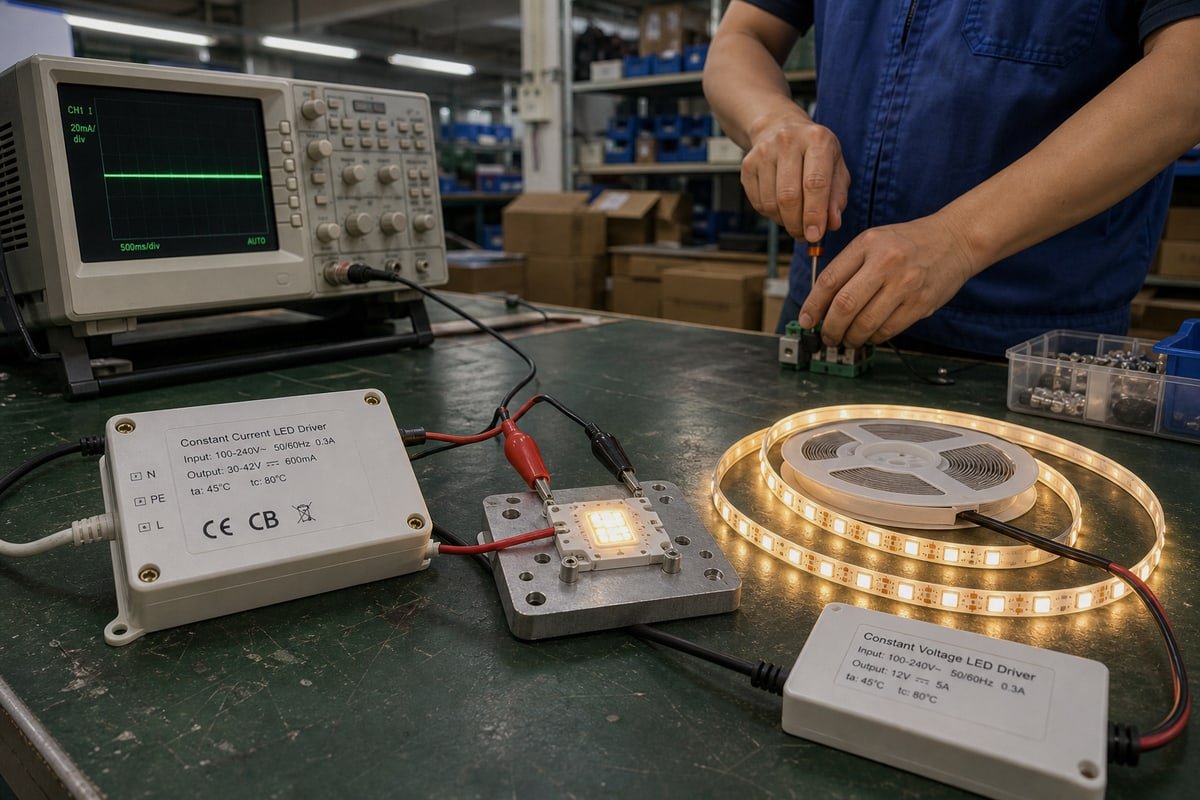
ขอพูดตรงๆ เกี่ยวกับข้อโต้แย้งก่อน เพราะตัวแทนจำหน่ายของเรามักหยิบยกขึ้นมา ไดรเวอร์ CC อาจมีราคาต่อหน่วยสูงกว่าไดรเวอร์แรงดันคงที่พื้นฐาน และยืดหยุ่นน้อยกว่าหากคุณวางแผนจะเพิ่มหรือถอดโมดูลในภายหลัง เนื่องจากออกแบบมาเพื่อช่วงกระแสและแรงดันไปข้างหน้าที่เฉพาะเจาะจง ทั้งสองจุดเป็นความจริง แต่สำหรับโคมไฟที่มีการกำหนดค่าคงที่ ซึ่งครอบคลุมดาวน์ไลท์ แผงไฟ และโคมไฟสถาปัตยกรรมส่วนใหญ่ คณิตศาสตร์ตลอดอายุการใช้งานสนับสนุนกระแสคงที่อย่างชัดเจน.
เริ่มจากประสิทธิภาพ การออกแบบ CV แบบจำกัดด้วยตัวต้านทานเผาผลาญพลังงาน 20–40% เป็นความร้อนทิ้งในตัวต้านทาน นั่นคือพลังงานที่ลูกค้าของคุณจ่ายสองครั้ง: ครั้งแรกที่มิเตอร์ และอีกครั้งในครีบระบายความร้อนที่ใหญ่ขึ้นเพื่อการระบายความร้อน ไดรเวอร์ CC กำจัดตัวต้านทานเหล่านั้นทั้งหมด.
จุดที่ประหยัดได้จริงปรากฏขึ้น
| ปัจจัยต้นทุน | แนวทาง CV แบบจำกัดด้วยตัวต้านทาน | แนวทางกระแสคงที่ |
|---|---|---|
| พลังงานที่สูญเสียในตัวต้านทานจำกัดกระแส | สูญเสีย 20–40% เป็นความร้อน | ถูกกำจัดโดยพื้นฐาน |
| ขนาดครีบระบายความร้อนและตัวเรือน | ใหญ่กว่า แพงกว่า | เล็กกว่า ถูกกว่า |
| สายยาว | ความสว่างลดลงตามแรงดันตก | ไดรเวอร์เพิ่มแรงดันเพื่อชดเชย |
| การเคลมประกัน | ความเสี่ยงการเสียจากกระแสเกินสูงกว่า | กระแสถูกจำกัดที่ค่าที่กำหนด |
| การปฏิบัติตามข้อกำหนดของระบบไฟฟ้า (PF, THD) | มักมีการปรับสภาพพื้นฐาน | โดยทั่วไปมีการปรับสภาพไฟฟ้าที่เหนือกว่า |
ประเด็นแรงดันตกสมควรได้รับการเน้นย้ำสำหรับการติดตั้งขนาดใหญ่ บนสายยาวหรืออาร์เรย์ขนาดใหญ่ ไดรเวอร์ CC เพียงแค่เพิ่มแรงดันเอาต์พุตเพื่อรักษากระแสเป้าหมายให้ไหล ดังนั้นโคมไฟดวงสุดท้ายจึงสว่างเท่าดวงแรก และเนื่องจากไดรเวอร์ CC มักมีการปรับสภาพไฟฟ้าที่ซับซ้อนกว่า จึงช่วยให้โครงการปฏิบัติตามข้อกำหนดของระบบไฟฟ้าเกี่ยวกับ Total Harmonic Distortion และตัวประกอบกำลัง ซึ่งลูกค้ายุโรปหลายรายของเราระบุในทุกประกวดราคา.
ฉันจะเลือกไดรเวอร์กระแสคงที่ที่เหมาะสมสำหรับสเปคโมดูล LED ที่กำหนดเองของฉันได้อย่างไร?
หนึ่งในความผิดพลาดที่แพงที่สุดที่ฉันเห็นลูกค้าทำคือการสั่งไดรเวอร์โดยดูแค่วัตต์เพียงอย่างเดียว โคมไฟสามร้อยดวง กะพริบเมื่อสตาร์ทในอากาศเย็น เพราะแรงดัน compliance ไม่เคยตรงกัน.
เลือกไดรเวอร์กระแสคงที่โดยจับคู่กระแสขับที่ระบุของโมดูล LED ก่อน จากนั้นยืนยันว่าแรงดันไปข้างหน้าอยู่ภายในหน้าต่าง compliance แรงดันเอา�์พุตของไดรเวอร์ตลอดช่วงอุณหภูมิการทำงานทั้งหมด สุดท้าย ตรวจสอบสภาวะความร้อน ความต้องการปรับแสง และใบรับรองความปลอดภัย ห้ามเลือกจากวัตต์เพียงอย่างเดียว.

นี่คือความจริงง่ายๆ ที่เราพูดซ้ำกับลูกค้า OEM ทุกราย: วัตต์บอกคุณว่า LED ใช้พลังงานเท่าใด แต่ไม่ได้บอกว่าไดรเวอร์เข้ากันได้ทางไฟฟ้ากับ LED หรือไม่ ความเข้ากันได้อยู่ในตัวเลขสองตัว และนี่คือกระบวนการที่เราใช้เมื่อพัฒนาไดรเวอร์แบบกำหนดเอง.
- จับคู่กระแส. หากโมดูลระบุ 700 mA ไดรเวอร์ต้องควบคุมที่ 700 mA ไม่มีการปัดเศษ.
- ตรวจสอบแรงดัน compliance. ไดรเวอร์ที่ระบุ 700 mA / 18–36 V ไม่ได้จ่ายไฟ 36V ตลอดเวลา มันควบคุมที่ 700 mA ในขณะที่แรงดันลอยไปตามที่โหลดต้องการ โดยมีเงื่อนไขว่าค่านั้นอยู่ในช่วง 18–36V.
- เพิ่มระยะเผื่ออุณหภูมิ. แรงดันไปข้างหน้าไม่ใช่ตัวเลขคงที่ มันเปลี่ยนแปลงตามอุณหภูมิจุดเชื่อมต่อ ดังนั้นการอ่านค่า Vf ที่อุณหภูมิห้องจึงไม่เพียงพอ ต้องการระยะเผื่อตลอดช่วงการทำงานจริง โดยเฉพาะสำหรับ COB กำลังสูง โคมไฟแบบปิดทึบ และการติดตั้งในที่ที่มีอุณหภูมิสูง.
- ตรวจสอบการปรับแสง การเดินสาย และใบรับรอง. ยืนยันโปรโตคอลการปรับแสง การจัดเรียงขั้ว L, N และ PE และเครื่องหมายเช่น CE และ CB บนฉลาก ซึ่งเป็นมาตรฐานบนทุกหน่วยที่ออกจากสายการผลิตของเรา.
ตัวอย่างการจับคู่ที่ใช้งานได้
สมมติว่าโมดูลของคุณต้องการ 700 mA ที่แรงดันไปข้างหน้า nominal 28V.
| ตัวเลือกไดรเวอร์ | กระแส | ช่วงแรงดันไฟฟ้า | ผลสรุป |
|---|---|---|---|
| ไดรเวอร์ A | 700 มิลลิแอมป์ | 10–25 โวลต์ | ไม่เหมาะสม: 28 โวลต์เกินช่วงที่กำหนด |
| ไดรเวอร์ B | 700 มิลลิแอมป์ | 18–36 โวลต์ | เหมาะสม: 28 โวลต์อยู่ในช่วงอย่างสบาย |
| ไดรเวอร์ C | 700 มิลลิแอมป์ | 30–60 โวลต์ | ไม่เหมาะสม: 28 โวลต์ต่ำกว่าค่าต่ำสุด |
กฎง่ายๆ คือ: กระแสไฟ LED ต้องตรงกัน และแรงดันไปข้างหน้าของ LED ต้องอยู่ในช่วงควบคุมของไดรเวอร์ คำเตือนสุดท้ายจากวิศวกร ไดรเวอร์กระแสคงที่ (CC) เข้ากันได้ตามธรรมชาติกับวงจรอนุกรม แต่การขนานสาย LED เปล่าๆ บนไดรเวอร์ CC ตัวเดียวมีความเสี่ยง เพราะความแตกต่างเล็กน้อยของแรงดันไปข้างหน้าทำให้การแบ่งกระแสระหว่างสาขาไม่เท่ากัน ออกแบบสาขาแบบขนานอย่างตั้งใจหรือหลีกเลี่ยง.
บทสรุป
กระแสที่ไม่มีการควบคุมทำลายโมดูล LED อย่างเงียบๆ ไดรเวอร์กระแสคงที่ทำลายห่วงโซ่นั้น จับคู่กระแสก่อน ตรวจสอบความสอดคล้องของแรงดันเป็นอันดับสอง ตรวจสอบระยะความร้อนเป็นอันดับสาม — ไม่เคยเลือกจากกำลังไฟเพียงอย่างเดียว.
เชิงอรรถ
- แหล่งข้อมูลทางวิศวกรรมที่เชื่อถือได้อธิบายหลักการและการประยุกต์ใช้การควบคุมกระแสคงที่ในวงจรไฟฟ้า. ↩︎
- แหล่งข้อมูลของกระทรวงพลังงานสหรัฐฯ อธิบายฟิสิกส์พื้นฐานของ LED และความสำคัญของการจัดการแรงดันไฟฟ้า. ↩︎
- คำจำกัดความมาตรฐานของคุณลักษณะของแสงที่มองเห็นได้ ซึ่งจำเป็นต่อการเข้าใจการคัดแยกและความสม่ำเสมอของ LED. ↩︎
- ภาพรวมทางเทคนิคของการวัดกำลังแสงที่รับรู้ ซึ่งเป็นตัวชี้วัดประสิทธิภาพหลักสำหรับโมดูล LED. ↩︎