Skip to content










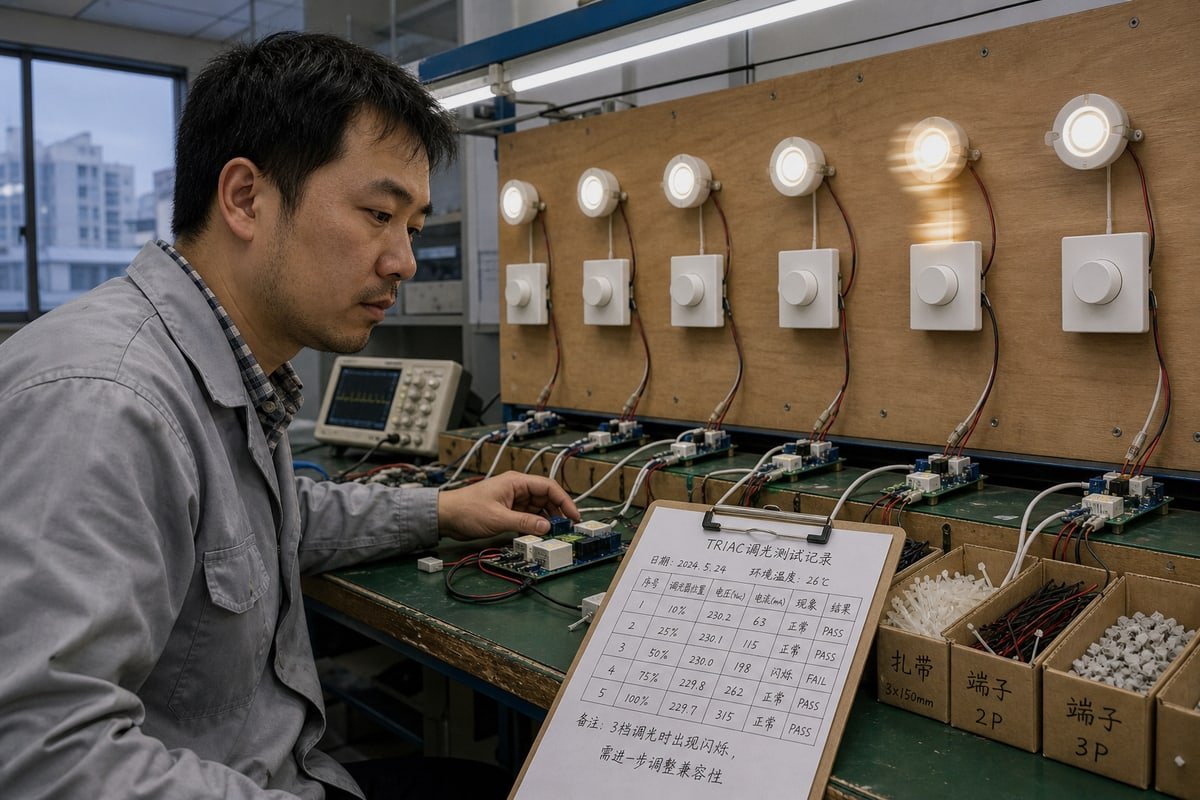
เมื่อเดือนที่แล้ว ห้องปฏิบัติการเซินเจิ้นของเราได้ทดสอบบนโต๊ะชุดหนึ่งของ เครื่องหรี่ TRIAC 1 กับไดรเวอร์ LED สี่สิบตัว บางคู่กะพริบอย่างรุนแรง ความไม่เข้ากันนั้นทำให้ผู้ติดตั้งเสียเงินจริง — และบทความนี้อธิบายว่าทำไม.
ใช่ ไดมเมอร์ TRIAC สามารถใช้กับไฟ LED ได้ แต่เฉพาะเมื่อไดรเวอร์ LED ถูกออกแบบมาสำหรับการหรี่แสงแบบ TRIAC/forward-phase โดยเฉพาะ ป้าย “หรี่แสงได้” เพียงอย่างเดียวไม่รับประกันความเข้ากันได้ ตรวจสอบพิกัดโหลด LED ของไดมเมอร์ โหลดขั้นต่ำ กระแสไฟกระชาก และรายการความเข้ากันได้จากผู้ผลิต.
คำตอบสั้นๆ ซ่อนรายละเอียดทางวิศวกรรมไว้มากมาย TRIAC อยู่ฝั่งไดมเมอร์ ส่วนไดรเวอร์ LED อินพุตสเตจ 2 เป็นตัวตัดสินว่ารูปคลื่นที่ถูกตัดนั้นสามารถจัดการได้อย่างถูกต้องหรือไม่ ด้านล่างนี้ ผมจะแจกแจงปัญหา [การกะพริบ](https://bo-qi.com/?p=6205) การเลือกไดรเวอร์ ข้อกำหนดโหลด และการจัดหาตามสั่ง — ทีละคำถาม.
ทำไมไฟ LED ของฉันถึงกะพริบหรือส่งเสียงหึ่งเมื่อใช้ตัวหรี่ไฟแบบ TRIAC?
ตัวแทนจำหน่ายชาวเยอรมันเคยส่งโคมไฟที่กะพริบกลับมาที่โต๊ะควบคุมคุณภาพของเรา หลอดไฟปกติ ไดมเมอร์ปกติ แต่การจับคู่กันคือปัญหา — และนั่นเป็นเรื่องทั่วไป.
ไฟ LED กะพริบหรือส่งเสียงฮัมบนไดมเมอร์ TRIAC เมื่อขั้นตอนอินพุตอิเล็กทรอนิกส์ของไดรเวอร์ไม่สามารถจัดการรูปคลื่น AC ที่ถูกตัดได้ หรือเมื่อโหลด LED ต่ำกว่ากระแสคงค้างขั้นต่ำของไดมเมอร์ การออกแบบไดรเวอร์ที่ไม่เข้ากัน โหลดไม่เพียงพอ และการล็อก TRIAC ที่ไม่เสถียร เป็นสามสาเหตุหลัก.

ไดมเมอร์ TRIAC ถูกสร้างมาสำหรับหลอดไส้ ไส้หลอดเป็นโหลดความต้านทานอย่างง่าย มันยอมรับการหรี่แสงแบบ phase-cut ได้ดี โดยที่ไดมเมอร์ตัดส่วนหนึ่งของแต่ละครึ่งรอบ AC ออกไป LED แตกต่างกัน พวกมันทำงานผ่าน ไดรเวอร์อิเล็กทรอนิกส์ 3, ไม่ใช่ไส้หลอดเปล่าๆ ไดรเวอร์นั้นมีวงจรอินพุตของตัวเอง และนี่คือจุดเริ่มต้นของปัญหา.
TRIAC อยู่ฝั่งไดมเมอร์
นี่คือความแตกต่างที่ผมใช้สร้างการฝึกอบรมทางเทคนิคทุกครั้ง TRIAC อยู่ภายในไดมเมอร์ มันใช้การควบคุมเฟสแบบ leading-edge เพื่อตัดส่วนหน้าของรูปคลื่น AC แต่ละอัน จากนั้นไดรเวอร์ LED ต้องตีความสัญญาณที่เสียหายนั้น หากขั้นตอนอินพุตของไดรเวอร์ไม่เคยถูกออกแบบมาสำหรับการหรี่แสงแบบ forward phase มันจะยิงผิดพลาด ฮัม หรือกระพริบ.
มีกลไกที่สอง TRIAC ต้องการกระแสเพียงพอในการล็อกและคงค้างในแต่ละครึ่งรอบ โหลด LED ขนาดเล็กอาจไม่จ่ายให้ TRIAC หลุดออก ยิงใหม่ หลุดออกอีก — และคุณเห็นการกะพริบ LED ที่มีประสิทธิภาพสูงอาจแสดง “ghosting” คือแสงเรืองจางๆ เมื่อปิดสวิตช์ เพราะกระแสรั่วไหลเล็กน้อยยังคงจ่ายไฟให้วงจรภายในของไดมเมอร์ การสลับอย่างรวดเร็วยังสามารถสร้างสัญญาณรบกวนความถี่สูงที่รบกวนการสื่อสารผ่านสายไฟและเซนเซอร์สมาร์ทโฮมที่ไวต่อสัญญาณ.
อาการทั่วไปและสาเหตุ
| อาการ | สาเหตุที่เป็นไปได้ |
|---|---|
| การกะพริบ | ไดรเวอร์/ไดมเมอร์ไม่เข้ากัน โหลดไม่เพียงพอ การทำงานของ TRIAC ไม่เสถียร |
| เสียงหึ่ง | ปฏิสัมพันธ์ทางไฟฟ้าระหว่างไดมเมอร์และไดรเวอร์ ชิ้นส่วนแม่เหล็ก หรือชิ้นส่วนกลไก |
| การหรี่แสงช่วงต่ำไม่ดี | เอาต์พุตขั้นต่ำของไดรเวอร์ ลักษณะไดมเมอร์ หรือโหลดไม่เพียงพอ |
| LED เรืองแสงเมื่อปิด | กระแสรั่วไหลหรือพฤติกรรมการสลับอิเล็กทรอนิกส์ |
| หลุดแบบสุ่ม | ปฏิสัมพันธ์ระหว่างกระแสคงค้างของ TRIAC หรืออินพุตไดรเวอร์ |
| ทำงานกับโคมหนึ่งตัวแต่ไม่ทำงานกับหลายตัว | โหลดรวม กระแสไฟกระชาก หรือลักษณะการควบคุม |
| ไดมเมอร์ร้อนผิดปกติ | โหลดมากเกินไป การติดตั้งไม่ดี หรือการจับคู่ไดมเมอร์/ไดรเวอร์ไม่เหมาะสม |
ดังนั้นโหลด LED 20W ไม่เหมือนโหลดหลอดไส้ 20W ประโยคเดียวนี้แก้ปัญหาการสนับสนุนส่วนใหญ่ที่เราเห็นจากผู้ติดตั้ง.
ฉันจะเลือกไดรเวอร์ LED ที่เข้ากันได้อย่างเต็มรูปแบบกับตัวหรี่ไฟ TRIAC ได้อย่างไร?
ทุกครั้งที่เราออกแบบไดรเวอร์ LED แบบหรี่แสงได้ เราชั่งน้ำหนักระหว่างการหรี่แสงช่วงต่ำที่นุ่มนวลกับต้นทุนและขนาด การแลกเปลี่ยนนั้นอยู่ในขั้นตอนอินพุต ซึ่งเป็นจุดที่ความเข้ากันได้ชนะหรือแพ้.
เลือกไดรเวอร์ LED ที่ระบุ TRIAC หรือ forward-phase dimming เป็นวิธีการควบคุมที่รองรับอย่างชัดเจน ตรวจสอบกราฟการหรี่แสงในเอกสารข้อมูล ระดับการหรี่ขั้นต่ำ และรายการความเข้ากันได้จากผู้ผลิต และทดสอบบนโต๊ะกับรุ่นไดมเมอร์ที่คุณใช้จริงก่อนสั่งซื้อจำนวนมาก.
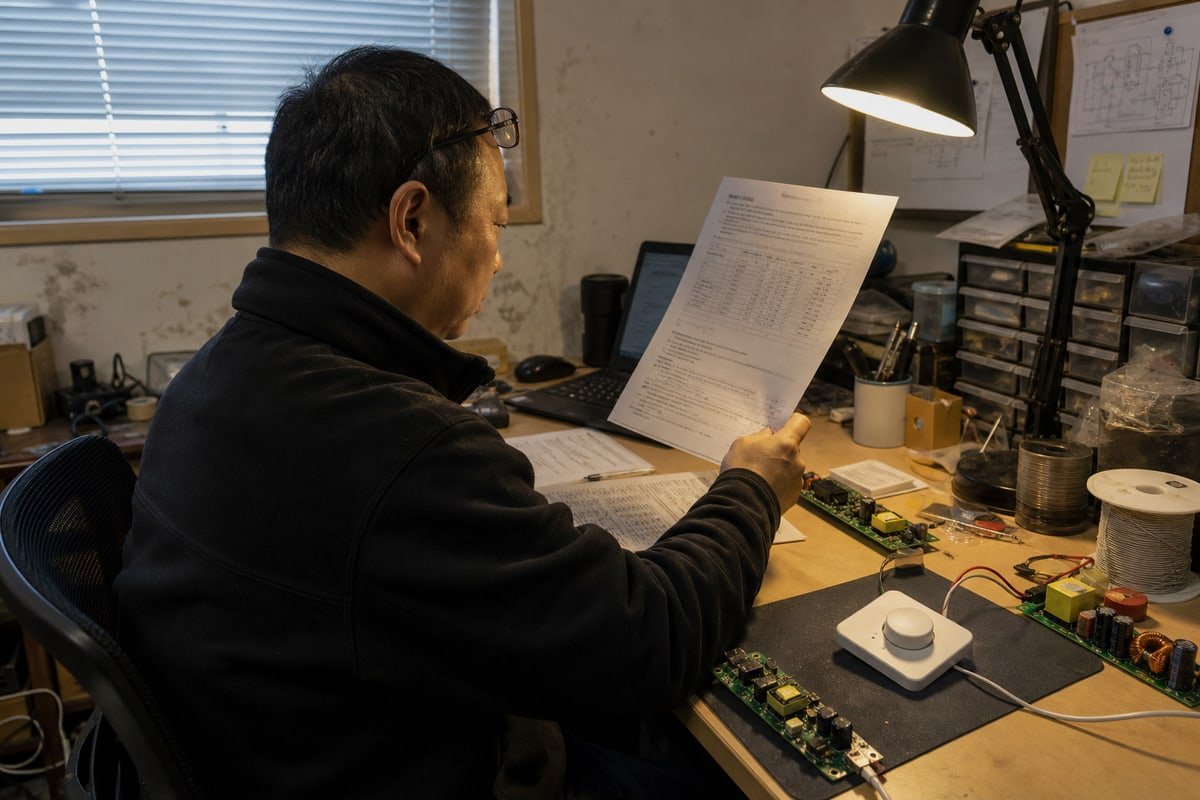
วลี “ไดรเวอร์ LED ที่เข้ากันได้กับ TRIAC” มีประโยชน์มากกว่า “ไดรเวอร์ LED แบบหรี่แสงได้” มาก ไดรเวอร์อาจหรี่แสงได้จริงแต่ออกแบบมาสำหรับวิธีการควบคุมที่แตกต่างโดยสิ้นเชิง วิธีการเหล่านี้ใช้แทนกันไม่ได้ และการผสมปนเปกันคือความผิดพลาดในการจัดหาที่พบบ่อยที่สุดที่เราเห็นจากผู้ซื้อใหม่.
จับคู่วิธีควบคุมก่อน
ก่อนที่คุณจะเปรียบเทียบราคาหรือประสิทธิภาพ ยืนยันอินเทอร์เฟซการหรี่แสงก่อน นี่คือวิธีที่ตัวเลือกหลักเรียงกัน:
| วิธีการหรี่แสง | เรียกอีกอย่างว่า | ทำงานกับไดมเมอร์ TRIAC มาตรฐานหรือไม่? |
|---|---|---|
| TRIAC / forward phase | Leading-edge phase control | ใช่ เมื่อระบุพิกัดอย่างชัดเจน |
| Trailing-edge | Reverse phase, Electronic Low Voltage (ELV) | ไม่ — ทิศทางการตัดเฟสต่างกัน |
| 0–10V | Analog low-voltage | ไม่ — ต้องใช้สายควบคุมแยก |
| ต้าหลี่ | ดิจิทัลแอดเดรสซาเบิล | ไม่ — โปรโตคอลดิจิทัล |
| PWM | การมอดูเลตความกว้างพัลส์ | ไม่ — การควบคุมรอบการทำงานโดยตรง |
ไดรเวอร์ที่ออกแบบมาสำหรับการควบคุม 0–10V หรือ Pulse Width Modulation จะไม่ตอบสนองอย่างถูกต้องกับรูปคลื่นไฟหลักที่ถูกตัด ไม่ควรจับคู่แหล่งจ่ายไฟแบบไม่หรี่แสงได้ หรือไดรเวอร์ที่ออกแบบมาสำหรับโปรโตคอลอื่น กับวอลล์ดิimmerแบบเฟสคัท.
TRIAC เทียบกับ Trailing-Edge: คำตอบที่ตรงไปตรงมา
ผู้ซื้อมักถามฉันว่าไดimmerแบบ trailing-edge ดีกว่า LEDs หรือไม่ คำตอบที่ตรงไปตรงมาของฉันคือต้องระมัดระวังมากขึ้น การหรี่แสงแบบ trailing-edge มักทำงานได้ดีกว่ากับไดรเวอร์อิเล็กทรอนิกส์บางประเภท เพราะลดปฏิสัมพันธ์ระหว่างไดimmer กับอินพุตแบบคาปาซิทีฟของไดรเวอร์ และให้การเริ่มต้นที่นุ่มนวลกว่า อย่างไรก็ตาม มันไม่ได้ดีกว่าทุกกรณี วิธีการหรี่แสงที่ระบุไว้ของไดรเวอร์ LED ควรมีความสำคัญสูงสุดเสมอ ไดimmer อัจฉริยะสมัยใหม่บางรุ่นยังใช้ลอจิกแบบ adaptive phase-cut — ไมโครโปรเซสเซอร์วิเคราะห์โหลดและสลับระหว่าง forward และ reverse phase โดยอัตโนมัติเพื่อเส้นโค้งการหรี่แสงที่ดีที่สุด.
ในงานพัฒนาของเราเองสำหรับลูกค้าแบรนด์ในยุโรปและออสเตรเลีย เราตรวจสอบประสิทธิภาพแบบไม่กะพริบตลอดช่วงการหรี่แสงทั้งหมด ไม่ใช่แค่ที่ 100% ผลผลิต ไดรเวอร์ที่หรี่แสงได้อย่างราบรื่นจาก 90% ลงไปถึง 40% แต่สั่นไหวที่ 10% ไม่ใช่ไดรเวอร์ที่เข้ากันได้ มันคือข้อร้องเรียนในอนาคต.
ฉันควรตรวจสอบข้อกำหนดโหลดขั้นต่ำและวัตต์ใดก่อนที่จะจับคู่ TRIAC dimmers กับ LED fixtures?
ผู้จัดการฝ่ายจัดซื้อในสิงคโปร์เพิ่งถามฉันว่าทำไมคำสั่งซื้อ LED 20W ของเธอทำงานแย่กว่าหลอดฮาโลเจน 60W เก่าที่มันแทนที่ คำตอบของฉันทำให้เธอประหลาดใจ: โหลดเล็กเกินไป.
ตรวจสอบข้อกำหนดโหลดขั้นต่ำของไดimmer ค่าโหลด LED สูงสุด และกระแส inrush ของไดรเวอร์ก่อนจับคู่ ไดimmer TRIAC รุ่นเก่าจำนวนมากต้องการกระแสมากกว่าโหลด LED ขนาดเล็กที่ให้ได้ ทำให้เกิดการกะพริบ หลุด หรือภาพหลอน กระแส inrush รวมสำคัญกว่าวัตต์ในสภาวะคงที่.
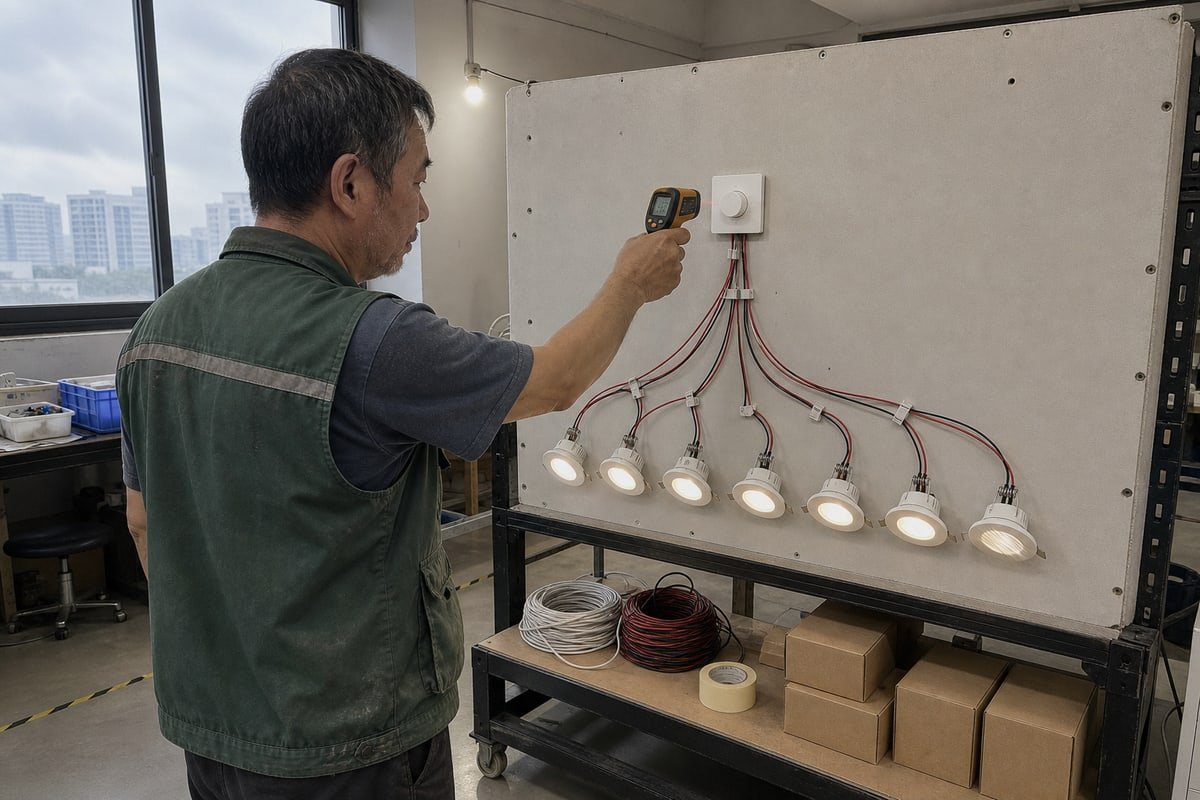
โหลดขั้นต่ำคือปัญหาที่ซ่อนอยู่ในงานติดตั้ง LED ที่แปลกประหลาดส่วนใหญ่ ไดimmer TRIAC รุ่นเก่าถูกกำหนดสำหรับโหลดหลอดไส้ 25W, 40W หรือมากกว่า เปลี่ยนเป็น LED ที่มีประสิทธิภาพสองสามดวงและปริมาณการใช้รวมอาจต่ำกว่าระดับที่ TRIAC ต้องการเพื่อกระตุ้นและคงสถานะ ผลลัพธ์: ไฟกะพริบเมื่อ “ปิด” การหรี่แสงช่วงต่ำที่ไม่เสถียร หรือไฟที่ไม่ปิดสนิท.
กับดักกระแส Inrush
อย่าดูแค่วัตต์ที่กำหนด ไดรเวอร์ LED จำนวนมากมีตัวเก็บประจุอินพุต เมื่อจ่ายไฟ AC ครั้งแรก ตัวเก็บประจุนั้นดึงกระแส inrush สั้นและสูง ดังนั้นคุณอาจมีระบบที่วัตต์ในสภาวะคงที่อยู่ในช่วงที่ไดimmer รองรับได้ แต่กระแส inrush ตอนเริ่มต้นยังทำให้การป้องกันทำงานหรือลดอายุการใช้งานของไดimmer เชื่อมต่อไดรเวอร์หลายตัวกับไดimmer หนึ่งตัวและ inrush รวมจะทวีคูณ นี่คือเหตุผลที่ “ใช้ได้กับหนึ่งโคมแต่ไม่หลายโคม” ปรากฏในตารางการแก้ปัญหาของเราด้านบน ยังมีต้นทุนระยะยาว: แรงดันที่ถูกตัดจากการหรี่แสงแบบเฟสคัทเพิ่มกระแสริปเปิลภายในไดรเวอร์ ซึ่งสามารถเร่งการเสื่อมของตัวเก็บประจุอิเล็กโทรไลต์ในโคมที่ระบายอากาศไม่ดี.
รายการตรวจสอบก่อนการติดตั้ง
- อ่านค่าโหลด LED ของไดimmer ผลิตภัณฑ์บางตัวโฆษณาช่วงเช่น 3W–200W สำหรับ LED/CFL — การรองรับนี้เฉพาะผลิตภัณฑ์ ไม่ใช่สากล.
- ยืนยันโหลดขั้นต่ำ รวมวัตต์ LED จริงของคุณและตรวจสอบว่ามันเกินเกณฑ์.
- ตรวจสอบเอกสารข้อมูลไดรเวอร์สำหรับกระแส inrush และลดค่าไดimmer เมื่อเชื่อมต่อไดรเวอร์หลายตัว.
- สำหรับวงจรวัตต์ต่ำมาก พิจารณาโมดูลบายพาสภายนอกหรือ “shunt” ช่างติดตั้งมืออาชีพใช้สิ่งเหล่านี้เพื่อให้กระแสคงสถานะของ TRIAC โดยไม่เพิ่มแสง.
- ทดสอบหนึ่งวงจรก่อนติดตั้งทั้งหมด.
กฎอุตสาหกรรมของฉันหลังหลายปีในโครงการส่งออก: ไม่เคยเลือกไดimmer TRIAC จากวัตต์ LED เพียงอย่างเดียว เลือกจากพฤติกรรมทางไฟฟ้าของไดรเวอร์ LED นั่นคือที่มาของปัญหาความเข้ากันได้ในโลกจริงส่วนใหญ่.
ฉันสามารถจัดหาไดรเวอร์ LED ที่รองรับ TRIAC แบบกำหนดเองสำหรับผลิตภัณฑ์ไฟแบรนด์ส่วนตัวของฉันได้หรือไม่?
ในช่วงต้นของธุรกิจส่งออก ฉันเรียนรู้ว่าไดรเวอร์สำเร็จรูปไม่ค่อยตรงกับข้อกำหนดเฉพาะของแบรนด์ บทเรียนนั้นผลักดันเราเข้าสู่การพัฒนา OEM/ODM แบบร่วมมือ และมันเปลี่ยนวิธีทำงานของเรา.
ใช่ คุณสามารถจัดหาไดรเวอร์ LED ที่เข้ากันได้กับ TRIAC แบบกำหนดเองสำหรับผลิตภัณฑ์แบรนด์ส่วนตัว ซัพพลายเออร์ OEM/ODM เฉพาะทางสามารถปรับแต่งขั้นตอนอินพุตของไดรเวอร์ เส้นโค้งการหรี่แสง พฤติกรรมโหลดขั้นต่ำ และตัวเรือนตามข้อกำหนดของคุณ จากนั้นเพิ่มโลโก้และบรรจุภัณฑ์ของคุณสำหรับการจัดหาแบรนด์ส่วนตัวแบบครบวงจร.
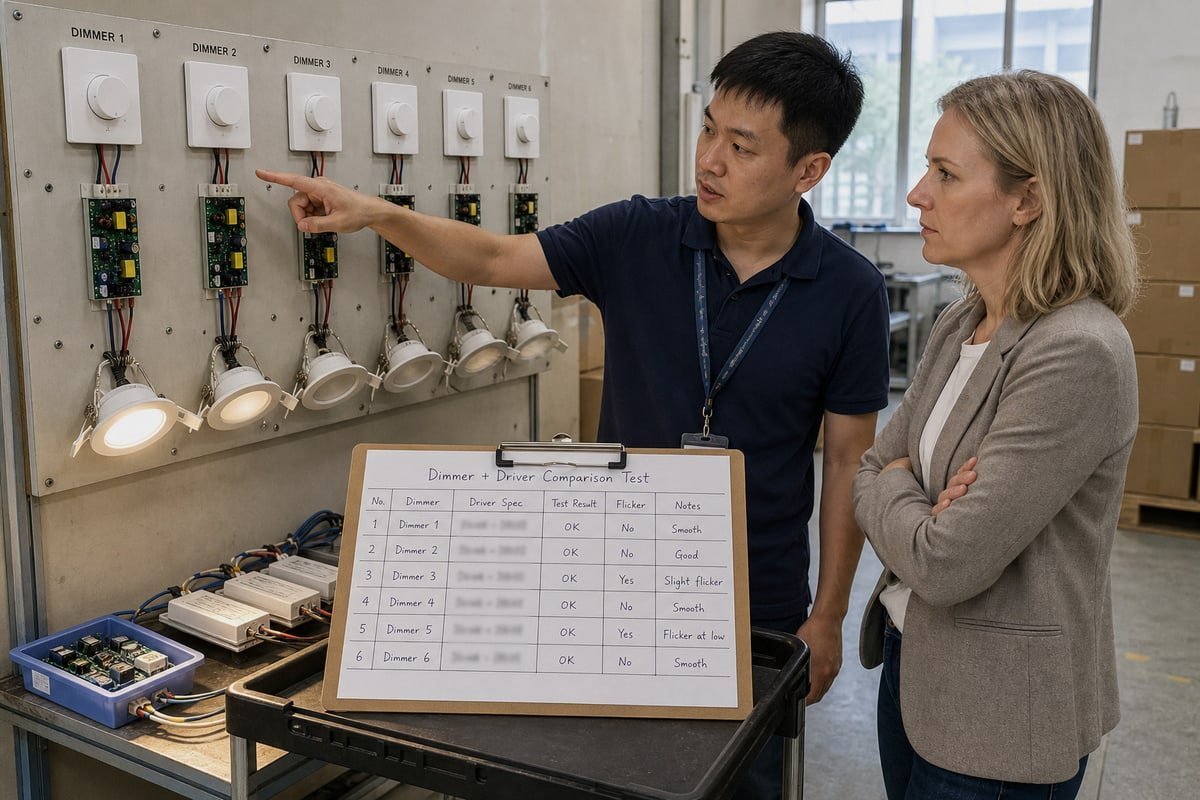
สำหรับเจ้าของแบรนด์และผู้ค้าส่ง, การพัฒนากำหนดเอง 4 แก้ปัญหาที่บทความนี้อธิบาย แทนที่จะเสี่ยงว่าไดรเวอร์ทั่วไปจะจับคู่กับไดimmer ที่ตลาดของคุณใช้อยู่แล้ว คุณระบุการจับคู่ล่วงหน้า ที่โรงงานในเซินเจิ้นของเรา เราเริ่มทุกโครงการ OEM โดยถามว่าไดimmer ใดที่ลูกค้าปลายทางติดตั้งจริง — หน่วย leading-edge รุ่นเก่าในสหราชอาณาจักร ไดimmer แบบ trailing-edge ที่พบทั่วไปในเยอรมนีและสวีเดน หรือไดimmer อัจฉริยะแบบ adaptive ในออสเตรเลีย จากนั้นเราออกแบบขั้นตอนอินพุตของไดรเวอร์สำหรับความเป็นจริงนั้น.
สิ่งที่สามารถปรับแต่งได้
| พื้นที่การปรับแต่ง | สิ่งที่เราปรับสำหรับลูกค้าแบรนด์ส่วนตัว |
|---|---|
| การออกแบบขั้นตอนอินพุต | ความเข้ากันได้กับการหรี่แสงแบบ forward phase ความเสถียรของกระแสคงสถานะ วงจร bleeder |
| เส้นโค้งการหรี่ | เชิงเส้น ลอการิทึม หรือพฤติกรรมช่วงต่ำแบบกำหนดเองสำหรับการควบคุม 1%–100% ที่ราบรื่น |
| พฤติกรรมโหลด | ความทนทานโหลดขั้นต่ำ การจำกัดกระแส inrush สำหรับวงจรไดรเวอร์หลายตัว |
| การปฏิบัติตามและตลาด | ข้อกำหนดแรงดันและความปลอดภัยสำหรับภูมิภาคส่งออกเป้าหมายของคุณ |
| แบรนด์ | โลโก้ ป้ายกำกับ บรรจุภัณฑ์ และความสวยงามของวอลล์ไดimmer ที่เข้ากัน |
วิธีการทำงานร่วมกัน
กระบวนการตรงไปตรงมา คุณส่งรุ่นมิลเลอร์เป้าหมาย กำลังไฟของโคม และความต้องการของตลาดมาให้เรา เราสร้างต้นแบบ จากนั้นทดสอบความเข้ากันได้ตลอดช่วงการหรี่แสงทั้งหมดบนแท่นทดสอบ QC ของเรา — ตรวจสอบความเสถียรของการล็อก การกะพริบปลายช่วงต่ำ เสียงรบกวน และแสงผี คุณได้รับตัวอย่างทดสอบและรายการความเข้ากันได้ที่บันทึกไว้ซึ่งคุณสามารถเผยแพร่ภายใต้แบรนด์ของคุณเอง สำหรับทีมจัดซื้อที่อยู่ภายใต้กำหนดเวลาที่กระชั้นชิด แนวทางแบบคู่ขนานนี้ดีกว่าการลองผิดลองถูกแบบเรียงลำดับ นอกจากนี้ยังตอบคำถามเรื่องต้นทุนรวม: ความล้มเหลวในสนามหนึ่งครั้งและการส่งคืนสินค้ามักมีค่าใช้จ่ายมากกว่าช่องว่างราคาทั้งหมดระหว่างไดรเวอร์ทั่วไปกับไดรเวอร์ที่จับคู่อย่างเหมาะสม ฮาร์ดแวร์ที่สะอาดและมินิมอล — เช่นลูกบิดหรี่แสงแบบหมุนสีขาวล้วนที่จับคู่กับไดรเวอร์ที่ปรับจูนเข้ากับมัน — จะดูพรีเมียมก็ต่อเมื่อการหรี่แสงเบื้องหลังปราศจากการกะพริบอย่างแท้จริง.
บทสรุป
มิลเลอร์ TRIAC และไฟ LED สามารถทำงานร่วมกันได้อย่างยอดเยี่ยม — แต่เฉพาะเมื่อขั้นตอนอินพุตของไดรเวอร์ถูกออกแบบมาสำหรับการหรี่แสงแบบตัดเฟส ตรวจสอบความเข้ากันได้ก่อน แล้วการติดตั้งของคุณจะปราศจากการกะพริบ.
เชิงอรรถ
- ภาพรวมทางเทคนิคของชิ้นส่วน TRIAC และบทบาทในการควบคุมกำลังไฟฟ้ากระแสสลับ. ↩︎
- แหล่งข้อมูลที่เชื่อถือได้สำหรับมาตรฐานวิศวกรรมไฟฟ้าและหลักการออกแบบวงจร. ↩︎
- แหล่งข้อมูลภาครัฐอย่างเป็นทางการที่กำหนดส่วนประกอบไฟประหยัดพลังงานและข้อกำหนดของไดรเวอร์. ↩︎
- มาตรฐานสากลสำหรับกระบวนการผลิตที่มีคุณภาพและการพัฒนาผลิตภัณฑ์. ↩︎