Skip to content










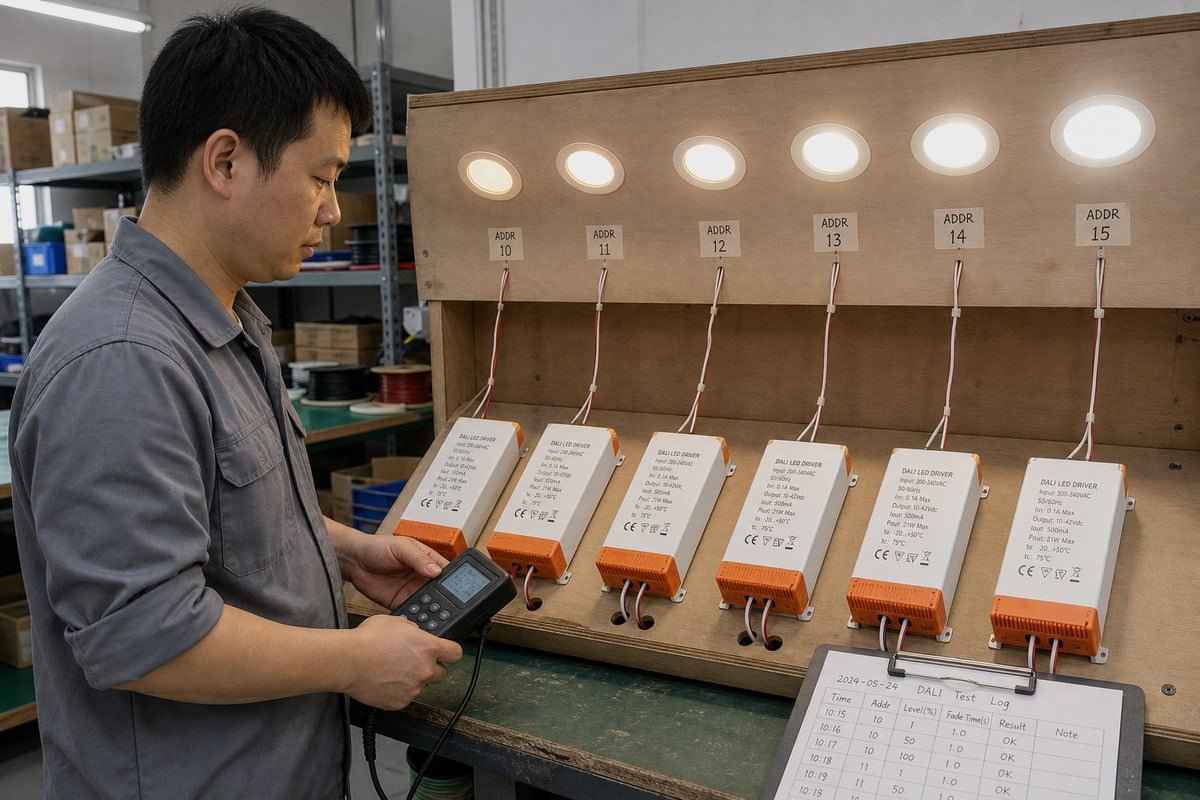
ผู้ซื้อถามฉันเกี่ยวกับไดรเวอร์ CC DALI ทุกสัปดาห์ หลายคนเดินสายไฟทั้งชั้น แล้วพบว่าดาวน์ไลท์ทุกดวงหรี่พร้อมกัน ระบบไฟ DALI 1. ทีมวิศวกรรมเซินเจิ้นของเราแก้ปัญหานั้นทุกวัน.
การควบคุมแบบเดี่ยวต่อฟิกซ์เจอร์ด้วยไดรเวอร์ CC DALI ช่วยให้ฟิกซ์เจอร์ LED กระแสคงที่แต่ละตัวถูกระบุที่อยู่แยกกันผ่านระบบไฟ DALI ไดรเวอร์ควบคุมกระแสที่โมดูล LED ต้องการ ขณะที่อินเทอร์เฟซ DALI รับคำสั่งดิจิทัล ทำให้ฟิกซ์เจอร์หลายตัวใช้บัสเดียวกันที่ระดับความสว่างต่างกัน.
แนวคิดหลักนั้นง่าย ที่อยู่ DALI เป็นของไดรเวอร์ ไม่ใช่ตัวฟิกซ์เจอร์ LED ฟิกซ์เจอร์ควบคุมแยกได้เพราะไดรเวอร์มีที่อยู่ของตัวเอง ให้ฉันอธิบายว่ามันทำงานอย่างไรและสิ่งที่คุณควรเรียกร้องจากซัพพลายเออร์.
อะไรทำให้ไดรเวอร์ CC DALI แตกต่างจากไดรเวอร์แบบ Dimming มาตรฐานสำหรับการระบุที่อยู่แบบรายบุคคล?
มีการแลกเปลี่ยนที่เราชั่งน้ำหนักในทุกโปรเจกต์ไดรเวอร์: การหรี่แบบแอนะล็อกถูกและง่าย แต่ไม่สามารถเจาะจงฟิกซ์เจอร์เดียวได้ การระบุที่อยู่ดิจิทัลมีต้นทุนสูงกว่า แต่เปลี่ยนทุกอย่าง.
ไดรเวอร์ CC DALI รวมสเตจกำลังกระแสคงที่กับอินเทอร์เฟซไฟแบบระบุที่อยู่ดิจิทัล ต่างจากไดรเวอร์หรี่มาตรฐาน ไดรเวอร์แต่ละตัวมีที่อยู่สั้นของตัวเอง (0–63) ดังนั้นคอนโทรลเลอร์จึงหรี่ฟิกซ์เจอร์หนึ่งได้โดยไม่กระทบตัวอื่นบนบัสควบคุมสองสายเดียวกัน.
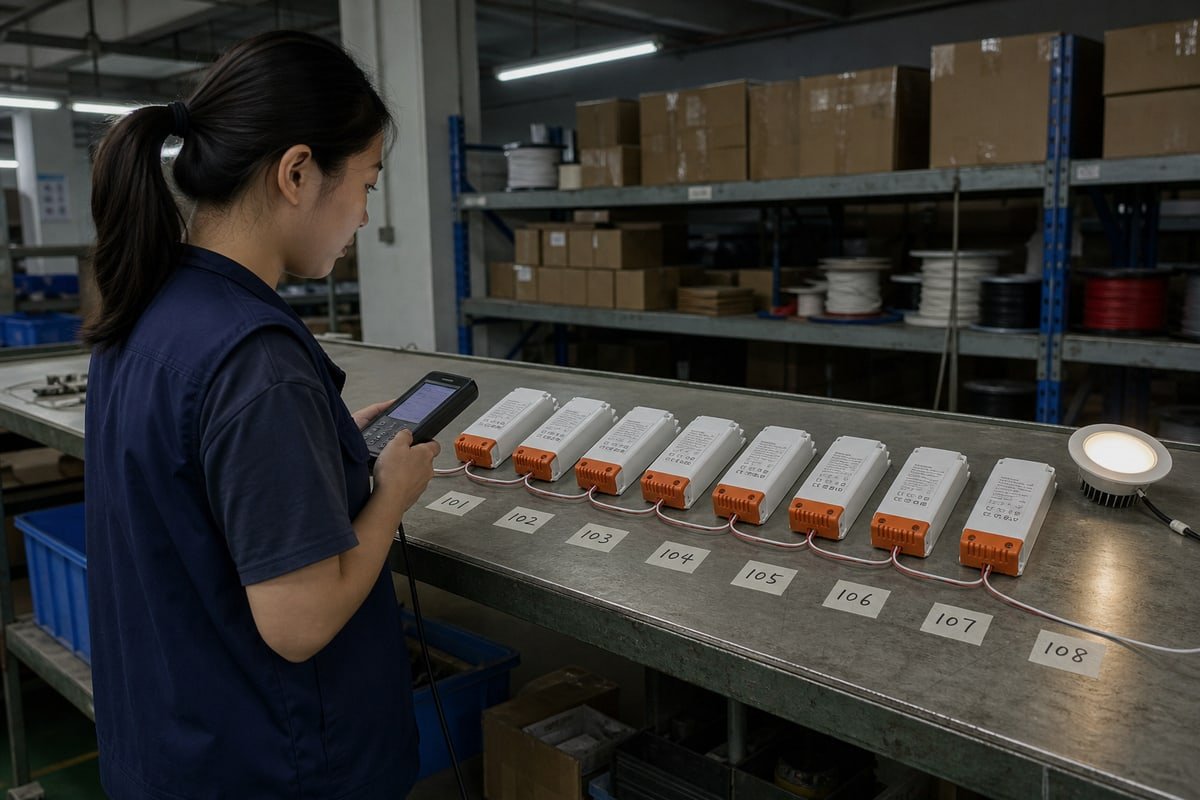
คิดว่าระบบนี้เป็นสองฟังก์ชันแยกกัน ฝั่ง LED ไดรเวอร์จ่ายกระแสที่ควบคุมให้โมดูล LED ฝั่งควบคุม คอนโทรลเลอร์ DALI ส่งคำสั่งผ่านบัส และไดรเวอร์ตีความคำสั่ง คำสั่ง DALI ไม่ได้ควบคุมกระแส LED โดยตรง อิเล็กทรอนิกส์ควบคุมภายในไดรเวอร์ตีความคำสั่งและปรับเอาต์พุต LED ตามนั้น กฎผู้เชี่ยวชาญของเราที่โรงงาน: CC กำหนดว่า LED ถูกขับด้วยไฟฟ้าอย่างไร DALI กำหนดว่าไดรเวอร์นั้นถูกควบคุมดิจิทัลอย่างไร.
หนึ่งบัส หลายระดับความสว่าง
วงจร 0–10V มาตรฐานให้ระดับการหรี่หนึ่งระดับต่อเส้นสายไฟ สาย DALI รองรับที่อยู่สั้นได้ถึง 64 ที่อยู่ ดังนั้นไดรเวอร์ A อยู่ที่ 30% ไดรเวอร์ B อยู่ที่ 70% ไดรเวอร์ C อยู่ที่ 100% และไดรเวอร์ D อยู่ที่ 15% — ทั้งหมดบนเครือข่ายเดียวกัน จากนั้นคุณวางไดรเวอร์ในกลุ่มที่กำหนดด้วยซอฟต์แวร์ เช่น โซนรับแขก ทางเดิน และไฟโชว์สินค้า การเดินสายจริงไม่ต้องเปลี่ยนเมื่อโซนควบคุมเปลี่ยน.
| คุณสมบัติ | ไดรเวอร์ CC DALI | ไดรเวอร์หรี่มาตรฐาน (0–10V / แอนะล็อก) |
|---|---|---|
| การระบุที่อยู่ | การระบุที่อยู่รายตัวต่อไดรเวอร์ (0–63) | ไม่มี; ทั้งวงจรหรี่พร้อมกัน |
| สายควบคุม | บัสควบคุมสองสาย ไม่ขึ้นกับขั้วในหลายดีไซน์ | สายหรี่เฉพาะต่อโซน |
| พฤติกรรมการหรี่ | เส้นโค้งการหรี่แบบลอการิทึมมาตรฐาน | แตกต่างตามผู้ผลิต มักเป็นเส้นตรง |
| การจัดกลุ่มและซีน | กำหนดด้วยซอฟต์แวร์ ปรับโซนใหม่โดยไม่ต้องเดินสายใหม่ | คงที่ตามการเดินสายจริง |
| สเตจเอาต์พุต | กระแสคงที่ แรงดันแปรตามโหลด | สเตจ CC เดียวกัน แต่อินพุตควบคุมง่ายกว่า |
DT6 มักเพียงพอสำหรับฟิกซ์เจอร์สีขาวเดี่ยว
สำหรับสปอตไลท์และดาวน์ไลท์สีเดียว ไดรเวอร์ กระแสคงที่ DT6 คือตัวเลือกที่เหมาะสม ให้หนึ่งช่องควบคุมสำหรับความสว่างเท่านั้น DT8 จำเป็นเมื่อต้องการไวท์ปรับได้หรือ RGBW ภายใต้ที่อยู่เดียว หากลูมิแนร์ต้องการแค่ควบคุมความเข้ม การระบุ DT8 คือการออกแบบเกินจำเป็น และเพิ่มต้นทุนที่โปรเจกต์ไม่ต้องการ.
ฉันจะยืนยันความเข้ากันได้ของ DALI-2 ก่อนการรวมไดรเวอร์เหล่านี้เข้ากับระบบไฟของฉันได้อย่างไร?
บทเรียนที่ทีมเราเรียนรู้ตั้งแต่แรก: แผ่นข้อมูลที่เขียนว่า “เข้ากันได้กับ DALI” พิสูจน์แทบไม่มีอะไร ลูกค้ายุโรปรายหนึ่งส่งตัวอย่างคืนเพราะไดรเวอร์ DALI-1 รุ่นเก่าไม่สนใจคำสั่งสอบถามจากคอนโทรลเลอร์ DALI-2 ของเขา.
ยืนยันความเข้ากันได้กับ DALI-2 โดยขอรายชื่อการรับรอง DALI-2 ของไดรเวอร์ในฐานข้อมูลผลิตภัณฑ์ DALI Alliance ตรวจสอบการปฏิบัติตาม IEC 62386 สำหรับส่วนที่เกี่ยวข้อง และทดสอบการแลกเปลี่ยนข้อมูลสองทางกับคอนโทรลเลอร์ที่ตั้งใจใช้ก่อนสั่งซื้อปริมาณมาก.
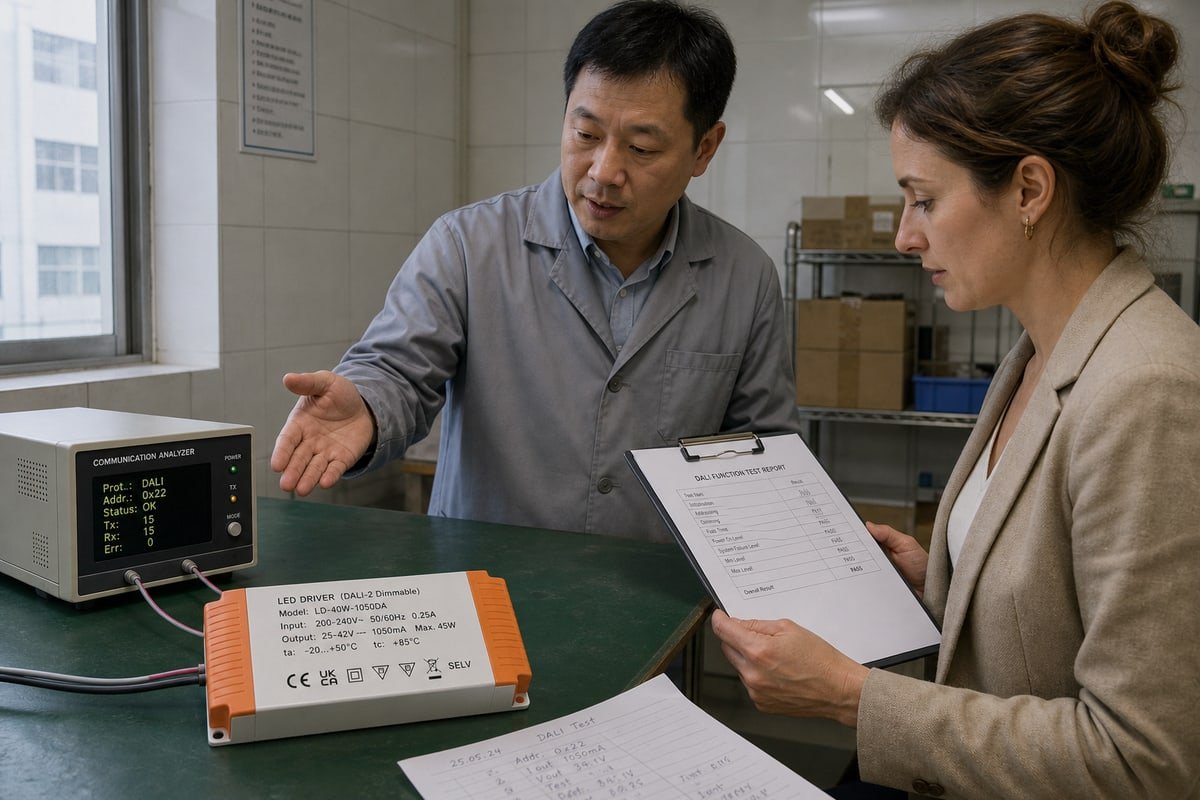
การระบุที่อยู่รายตัวไม่ได้หมายถึงความยืดหยุ่นไม่จำกัดโดยอัตโนมัติ ความสามารถจริงขึ้นอยู่กับ ประเภทอุปกรณ์ DALI 2, เวอร์ชันและคุณสมบัติ DALI คอนโทรลเลอร์ ซอฟต์แวร์คอมมิชชัน และการใช้งานไดรเวอร์ การรับรอง DALI-2 ปรับปรุงการทำงานร่วมกัน แต่ความสามารถจริงยังต่างกันตามผู้ผลิต ดังนั้นอย่าหยุดที่ “เข้ากันได้กับ DALI” กดดันซัพพลายเออร์เพื่อรายละเอียด.
คำถามที่ควรถามก่อนซื้อ
| คำถามถึงซัพพลายเออร์ | ทำไมจึงสำคัญ |
|---|---|
| รองรับและรับรอง DALI-2 หรือไม่? | การรับรอง DALI-2 รวมการทดสอบการทำงานร่วมกันที่เข้มงวดภายใต้ IEC 62386 |
| ประเภทอุปกรณ์ใด — DT6 หรือ DT8? | DT6 เหมาะกับสีขาวเดี่ยว; DT8 ครอบคลุมไวท์ปรับได้และ RGBW |
| ช่วงการหรี่จริงคือเท่าไร? | “หรี่ DALI ได้” ไม่รับประกันระดับต่ำสุดเดียวกันในทุกไดรเวอร์ |
| เกิดอะไรขึ้นหลังบัสล้มเหลว? | ระดับความล้มเหลวของระบบกำหนดพฤติกรรมฟิกซ์เจอร์เมื่อบัสหยุดทำงาน |
| จะเกิดอะไรขึ้นเมื่อคืนไฟหลัก? | ระดับการเปิดเครื่องส่งผลต่อความปลอดภัยและประสบการณ์ผู้ใช้ |
| รองรับฉากและกลุ่มที่ต้องการหรือไม่? | ไม่ใช่ทุกการใช้งานจะเปิดเผยทุกฟีเจอร์ |
| รายงานสถานะกลับมาหรือไม่? | การแลกเปลี่ยนข้อมูลแบบสองทิศทางช่วยให้สามารถตรวจสอบสุขภาพโคมไฟและการรายงานข้อผิดพลาดได้ |
การติดตั้งระบบเป็นส่วนหนึ่งของการออกแบบระบบ
ข้อได้เปรียบที่ใหญ่ที่สุดของ DALI อาจกลายเป็นความเสี่ยงของโครงการได้ ระบบต้องมีการติดตั้งที่เหมาะสม ด้วยวงจรสวิตช์พื้นฐาน ช่างไฟฟ้าจ่ายไฟเข้าเส้นและไฟก็ติด แต่ด้วยโคมไฟ DALI ที่ควบคุมรายตัว บางคนต้องทำอย่างถูกต้อง: ค้นหาอุปกรณ์ กำหนดแอดเดรส สร้างกลุ่ม ตั้งค่าฉาก กำหนดพารามิเตอร์ ทดสอบระดับต่ำสุดและสูงสุด และตรวจสอบพฤติกรรมหลังไฟดับ นอกจากนี้ ต้องยืนยันว่าแหล่งจ่ายไฟบัส DALI มีขนาดเหมาะสมกับจำนวนอุปกรณ์บนเส้น สำหรับการติดตั้งเชิงพาณิชย์ขนาดใหญ่ ให้ถือว่าการติดตั้งระบบเป็นส่วนหนึ่งของการออกแบบ—ไม่ใช่สิ่งที่คิดทีหลัง.
ฉันสามารถปรับแต่งไดรเวอร์ CC DALI ด้วยแบรนด์ของฉันเองสำหรับโปรเจกต์ Private-Label ได้หรือไม่?
ผู้จัดการฝ่ายจัดซื้อคนหนึ่งในสิงคโปร์ส่งข้อความหาเราทาง WhatsApp พร้อมข้อมูลสั้นๆ: โลโก้ของเธอบนตัวเรือน บรรจุภัณฑ์ของเธอ พารามิเตอร์การหรี่แสงเริ่มต้นของเธอ หกสัปดาห์ต่อมา ตัวอย่างสินค้าที่มีแบรนด์ของเธอถูกจัดส่งจากเซินเจิ้น.
ใช่ ผู้ผลิตไดรเวอร์ CC DALI ส่วนใหญ่ให้บริการ OEM/ODM รวมถึงโลโก้ที่กำหนดเอง สีตัวเครื่องแบบแบรนด์ส่วนตัว ฉลากที่ปรับแต่ง บรรจุภัณฑ์ และการตั้งค่าพารามิเตอร์เฟิร์มแวร์ล่วงหน้า ข้อกำหนดทั่วไปรวมถึงข้อตกลงที่ลงนาม ไฟล์งานศิลป์ และปริมาณการสั่งซื้อขั้นต่ำที่ตกลงกันระหว่างการพัฒนาร่วมกัน.
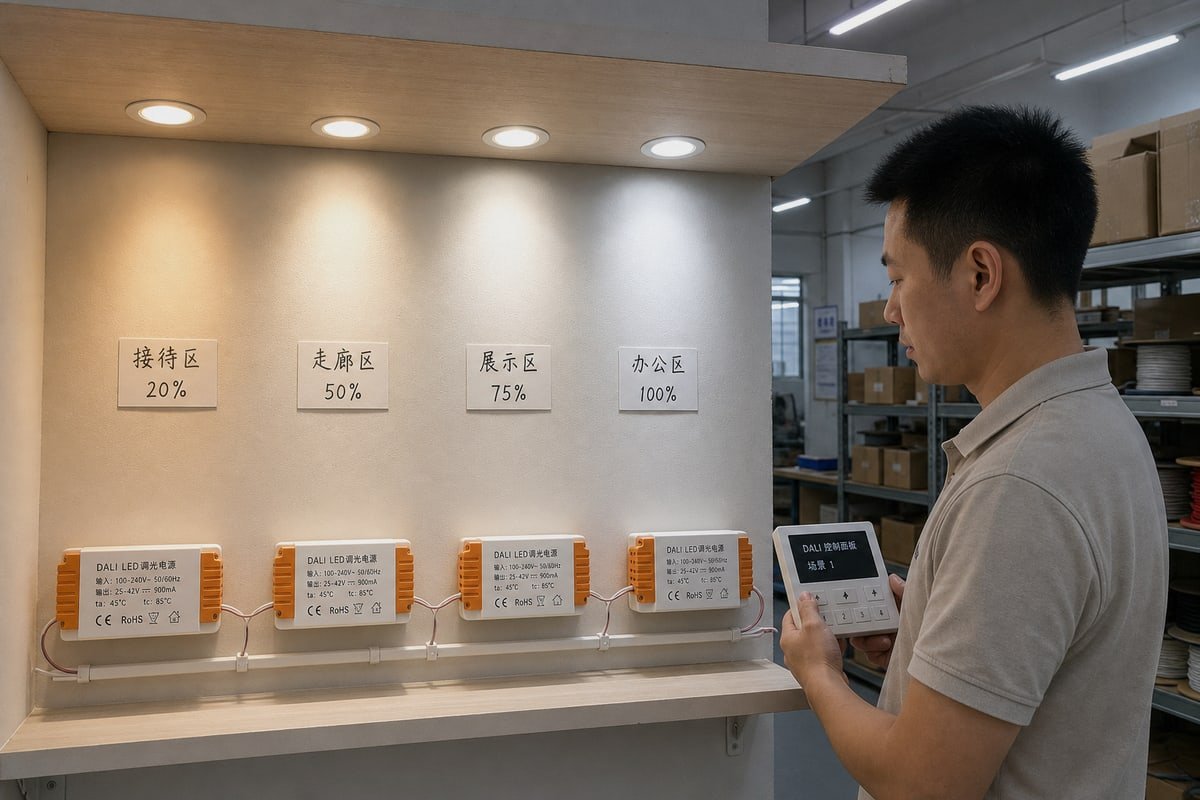
งานแบรนด์ส่วนตัวเป็นมากกว่าการเปลี่ยนโลโก้ ในโครงการ OEM/ODM ของเราสำหรับเจ้าของแบรนด์และผู้ค้าส่งทั่วยุโรป เอเชียตะวันออกเฉียงใต้ และออสเตรเลีย ชั้นแบรนด์และชั้นเทคนิคต้องไปด้วยกัน ไดรเวอร์ที่ใช้ชื่อคุณต้องทำงานในแบบที่คอนโทรลเลอร์และช่างติดตั้งของคุณคาดหวัง นั่นคือเหตุผลที่เราดำเนินการปรับแต่งเป็นกระบวนการที่มีโครงสร้าง ไม่ใช่แค่งานพิมพ์.
โครงการแบรนด์ส่วนตัวทั่วไปดำเนินการอย่างไร
- การสรุปความต้องการ. เรายืนยันช่วงกระแส LED ช่วงแรงดันไปข้างหน้า ประเภทอุปกรณ์ DALI และการรับรองตลาดเป้าหมาย.
- การล็อกการออกแบบ. สีตัวเรือน ตำแหน่งโลโก้ เค้าโครงฉลาก แผนภาพขั้วต่อ และเครื่องหมาย เช่น CE, CB และสัญลักษณ์ SELV ได้รับการอนุมัติบนหลักฐานงานศิลป์.
- ค่าตั้งต้นเฟิร์มแวร์. ระดับการเปิดเครื่องเริ่มต้น ระดับความล้มเหลวของระบบ ระดับการหรี่ต่ำสุด และเส้นโค้งการหรี่แบบลอการิทึมถูกตั้งค่าตามข้อกำหนดของคุณ.
- การสุ่มตัวอย่าง. คุณทดสอบตัวอย่างที่มีแบรนด์กับคอนโทรลเลอร์ที่คุณตั้งใจใช้ รวมถึงการจัดกลุ่ม ฉาก และ แพลตฟอร์มการรวมระบบอาคารอัจฉริยะ 4 หากเกี่ยวข้อง.
- ชุดนำร่อง. การผลิตชุดเล็กเพื่อตรวจสอบกระบวนการก่อนคำสั่งซื้อปริมาณมาก.
- การผลิตปริมาณมาก. การควบคุมคุณภาพเต็มรูปแบบใช้กับทุกชุด พร้อมเอกสารภายใต้แบรนด์ของคุณ.
สำหรับผู้ซื้อที่เผชิญกำหนดเวลาโครงการที่กระชั้น ขั้นตอนการตั้งค่าเฟิร์มแวร์ล่วงหน้าคือตัวประหยัดเวลาที่ซ่อนอยู่ หากไดรเวอร์จัดส่งพร้อมค่าเริ่มต้นที่ถูกต้อง ทีมติดตั้งในไซต์จะใช้เวลาปรับพารามิเตอร์ทีละโคมน้อยลงมาก ซึ่งช่วยลดต้นทุนโครงการโดยรวมโดยตรง—มักเป็นจุดเจ็บปวดแรกที่เจ้าหน้าที่จัดซื้อหยิบยกขึ้นมากับฉัน.
ฉันควรกำหนดมาตรฐาน QC ใดบ้างเมื่อจัดหาไดรเวอร์ CC DALI สำหรับการควบคุมโคมไฟเดี่ยว?
ระหว่างการตรวจสอบก่อนจัดส่งครั้งหนึ่งที่โรงงานของเรา ชุดหนึ่งผ่านการทดสอบไฟฟ้าทุกครั้งที่อุณหภูมิห้อง จากนั้นแสดงการหรี่ระดับต่ำที่ไม่เสถียรที่อุณหภูมิตัวเรือนสูง เราจับได้เพราะการทดสอบความร้อนเป็นข้อบังคับในสายการผลิตของเรา.
ต้องการการทดสอบเบิร์นอิน 100% การตรวจสอบโปรโตคอล DALI ตามมาตรฐาน IEC 62386 การตรวจสอบช่วงการหรี่แสงที่ระดับต่ำสุดและสูงสุด การทดสอบความร้อนที่อุณหภูมิเคสตามพิกัด การทดสอบการป้องกันสำหรับสภาวะลัดวงจร โหลดเกิน และไม่มีโหลด รวมถึงการสุ่มตัวอย่าง AQL ที่บันทึกไว้ก่อนการจัดส่ง.
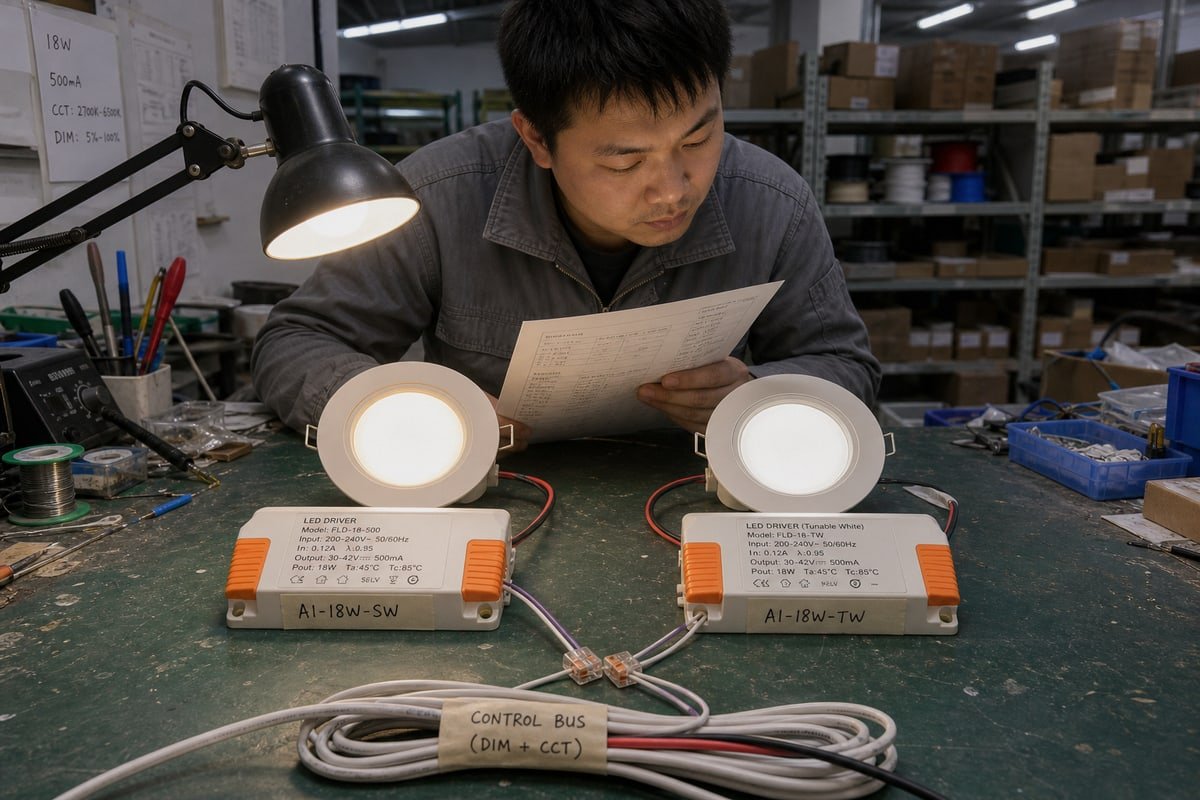
การควบคุมคุณภาพสำหรับไดรเวอร์ CC DALI มีสองส่วน และทั้งสองส่วนสำคัญ ส่วนกำลังพิสูจน์ว่าไดรเวอร์จ่ายไฟให้ LED อย่างถูกต้อง ส่วนดิจิทัลพิสูจน์ว่าไดรเวอร์ตอบสนองต่อบัสอย่างถูกต้อง ไดรเวอร์อาจผ่านส่วนหนึ่งและตกอีกส่วนหนึ่ง ข้อกำหนด QC ของคุณควรบังคับให้ซัพพลายเออร์ทดสอบทั้งสองส่วน ทุกชุด ภายใต้สภาวะที่สมจริง.
ลำดับการคัดเลือกและ QC ที่ฉันแนะนำ
ทำตามลำดับนี้ก่อนสิ่งอื่นใด ขั้นแรก จับคู่กระแสเอาต์พุตที่ควบคุมของไดรเวอร์กับโมดูล LED ขั้นที่สอง ยืนยันว่าแรงดันไฟฟ้าทำงานจริงของ LED อยู่ในช่วงความสอดคล้องของไดรเวอร์ ขั้นที่สาม ตรวจสอบว่ากำลังทำงานที่ได้อยู่ในข้อกำหนดของไดรเวอร์ จากนั้นจึงตรวจสอบฟังก์ชัน DALI ช่วงการหรี่ สมรรถนะความร้อน และการผสานทางกายภาพ—ขนาด รูยึด การเดินสาย และข้อกำหนด IP.
| จุดตรวจ QC | สิ่งที่ตรวจสอบ | ความเสี่ยงความล้มเหลวหากข้าม |
|---|---|---|
| ความแม่นยำของกระแสเอาต์พุต | กระแสที่ควบคุมตรงกับ binning และข้อกำหนดของ LED | LED ถูกขับเกิน การเสื่อมของลูเมนก่อนเวลาอันควร |
| การทดสอบเบิร์นอิน | ความเสถียรภายใต้โหลดต่อเนื่อง | ความล้มเหลวในสนามช่วงอายุการใช้งานต้น |
| การทดสอบการกำหนดแอดเดรส DALI | การกำหนดแอดเดรสรายตัวและการตอบสนองคำสั่ง | โคมไฟไม่ตอบสนองต่อซอฟต์แวร์ติดตั้งระบบ |
| การตรวจสอบระดับการหรี่ต่ำสุด | เอาต์พุตปลายต่ำจริง ไม่ใช่ข้อมูลจากเอกสารข้อมูล | การกะพริบหรือการดับที่ฉากต่ำ |
| การทดสอบความร้อนที่ tc ที่กำหนด | ประสิทธิภาพที่อุณหภูมิเคสจริง | การลดกำลัง, การเลื่อนค่า, อายุการใช้งานที่สั้นลง |
| การทดสอบการป้องกัน | ไฟฟ้าลัดวงจร, ไม่มีโหลด, โหลดเกิน, การตัดความร้อน | เหตุการณ์ด้านความปลอดภัย, ความเสียหายของโคมไฟ |
| พฤติกรรมเมื่อเปิด-ปิดเครื่องซ้ำ | ระดับที่ถูกต้องหลังการคืนค่ากระแส mains | ความสว่างที่ผิดพลาดหลังไฟดับ |
เหตุใดสภาวะความร้อนจึงควรได้รับความสนใจเป็นพิเศษ
สำหรับ downlight และ spotlight สภาวะความร้อนของไดรเวอร์อาจสำคัญกว่าอุณหภูมิห้องที่กำหนดไว้ ไดรเวอร์ที่ติดตั้งในช่องว่างเพดานขนาดกะทัดรัด หรือเหนือ downlight ที่มีกำลังสูงโดยตรง อาจร้อนกว่าอุณหภูมิห้องโดยรอบอย่างมาก อุณหภูมิที่สูงขึ้นส่งผลต่ออายุการใช้งาน การควบคุมเอาต์พุต ความเครียดของชิ้นส่วน พฤติกรรมการหรี่แสง และการลดกำลังจากการป้องกัน ดังนั้นคำถามที่ถูกต้องไม่ใช่เพียงแค่ “ไดรเวอร์นี้จ่ายไฟให้ LED ของฉันได้หรือไม่” แต่คือ: ไดรเวอร์นี้สามารถจ่ายไฟให้ LED ของฉันที่กระแสและระดับการหรี่แสงที่ต้องการภายใต้สภาวะความร้อนจริงของโคมไฟได้หรือไม่
บทสรุป
ไดรเวอร์ CC DALI ให้การควบคุมโคมไฟเดี่ยวโดยจับคู่การควบคุมกระแสที่แม่นยำกับความสามารถในการระบุที่อยู่แบบดิจิทัล ตรวจสอบความเข้ากันได้ทางไฟฟ้าก่อน จากนั้นตรวจสอบคุณสมบัติ DALI แล้วยืนยันการควบคุมคุณภาพอย่างเข้มงวด.
เชิงอรรถ
- ให้ภาพรวมทางเทคนิคที่ครอบคลุมของโปรโตคอล Digital Addressable Lighting Interface และประวัติของมัน. ↩︎
- องค์กรอุตสาหกรรมอย่างเป็นทางการที่กำหนดประเภทอุปกรณ์ DALI และจัดการมาตรฐานการรับรอง DALI-2. ↩︎
- หน่วยงานมาตรฐานระหว่างประเทศที่รับผิดชอบมาตรฐาน IEC 62386 ซึ่งควบคุมกรอบงาน DALI-2. ↩︎
- หน่วยงานด้านเทคนิคชั้นนำสำหรับมาตรฐานอิเล็กทรอนิกส์และการสื่อสารที่ใช้ในแพลตฟอร์มการรวมระบบอาคารอัจฉริยะ. ↩︎