Skip to content










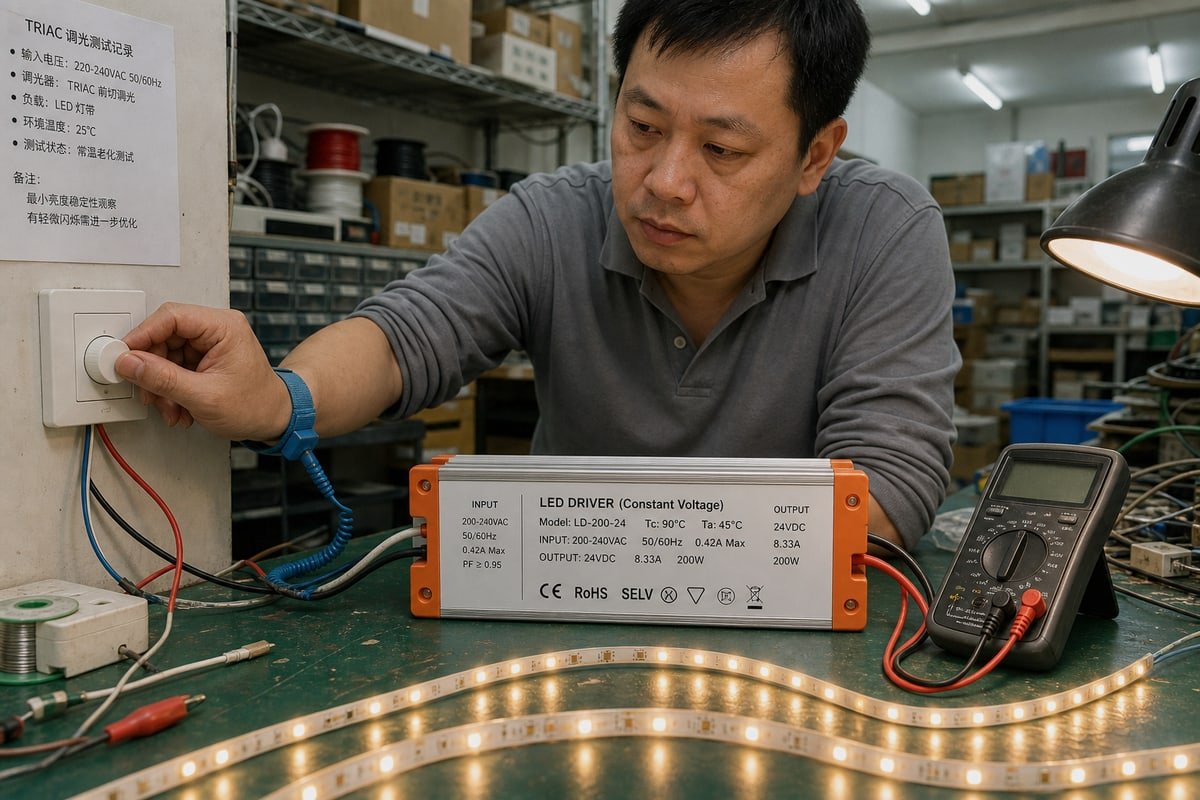
แถบ LED ของลูกค้ารายหนึ่งกะพริบอย่างรุนแรงในโปรเจกต์โรงแรมเมื่อปีที่แล้ว ห้องแล็บเซินเจิ้นของเราตรวจพบว่ามาจากข้อกำหนดโหลดขั้นต่ำสำหรับไดรเวอร์ TRIAC CV ซึ่งเป็นสเปกที่ผู้ซื้อส่วนใหญ่มองข้าม.
ไดรเวอร์ LED แรงดันคงที่ (CV) ที่หรี่แสงได้แบบ TRIAC อาจต้องมีโหลดเชื่อมต่อขั้นต่ำเพื่อการทำงานที่เสถียรกับตัวหรี่แสงแบบตัดเฟส TRIAC หากโหลด LED ทั้งหมดต่ำกว่าค่าขั้นต่ำที่ระบุของตัวหรี่แสง ระบบอาจกะพริบ มีเสียงหึ่ง ดับ หรือสลับได้ไม่น่าเชื่อถือ ควรตรวจสอบพิกัดโหลดของทั้งตัวหรี่แสงและไดรเวอร์เสมอ.
หมายเหตุสั้นๆ เกี่ยวกับคำศัพท์ก่อนที่เราจะลงลึกกว่านี้ TRIAC ปกติจะอยู่ภายในตัวหรี่แสง ไม่ได้อยู่ภายใน ขั้นเอาต์พุตแรงดันคงที่ 1 ของไดรเวอร์ LED ดังนั้นเมื่อผู้คนพูดว่า “ไดรเวอร์ TRIAC CV” พวกเขามักจะหมายถึงไดรเวอร์ CV ที่ออกแบบมาเพื่อรองรับอินพุตแบบตัดเฟส TRIAC ความแตกต่างนี้กำหนดทุกอย่างในบทความนี้ เรามาแยกย่อยทีละส่วนกัน.
โหลดขั้นต่ำที่ต้องการสำหรับไดรเวอร์ TRIAC CV คือเท่าใด และเหตุใดจึงสำคัญต่อโปรเจกต์ของฉัน?
เมื่อเดือนที่แล้ว ตัวแทนจำหน่ายไฟในสิงคโปร์ส่งข้อความ WhatsApp มาหาฉัน: ไดรเวอร์ที่หรี่แสงได้แบบ TRIAC ขนาด 6W ของเธอกะพริบบนตัวหรี่แสงตัวหนึ่ง แต่ทำงานได้อย่างสมบูรณ์บนอีกตัวหนึ่ง คำศัพท์คือต้นเหตุ.
ข้อกำหนดโหลดขั้นต่ำคือวัตต์เชื่อมต่อต่ำสุดที่ตัวหรี่แสงแบบตัดเฟส TRIAC ต้องการเพื่อให้ TRIAC ภายในล็อกและนำกระแสได้อย่างต่อเนื่อง มันสำคัญเพราะโหลดที่ต่ำกว่าเกณฑ์นี้อาจทำให้เกิดการกะพริบ ดับ หรือสลับที่ไม่น่าเชื่อถือ — แม้ว่าไดรเวอร์ CV เองจะทำงานได้เต็มที่ก็ตาม.
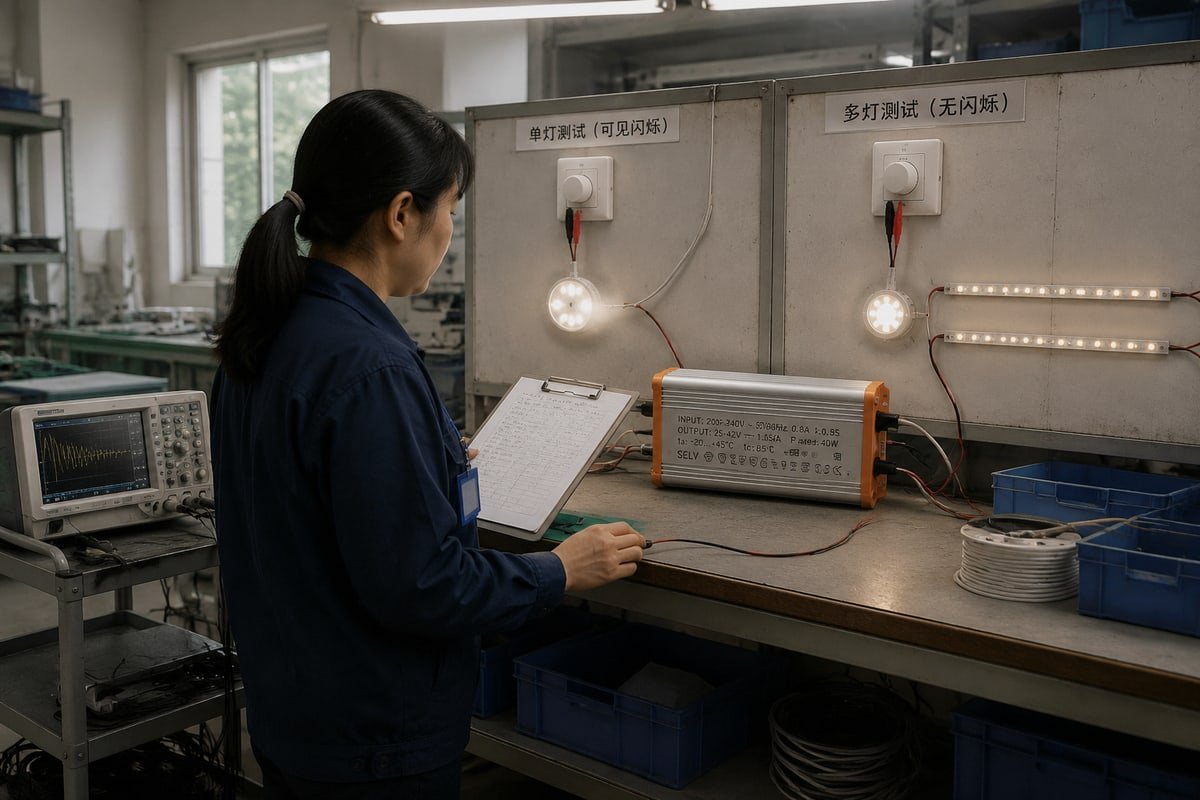
นี่คือประเด็นที่ฉันเน้นย้ำกับผู้ซื้อทุกคน: โหลดขั้นต่ำของตัวหรี่แสงและโหลดขั้นต่ำของไดรเวอร์ LED เป็นสเปกสองอย่างที่แตกต่างกัน การสับสนระหว่างสองอย่างนี้ทำให้เกิดความล้มเหลวในสนามส่วนใหญ่ที่ฉันเห็น.
สองสเปก สองความหมาย
ตัวหรี่แสงอาจระบุโหลด LED ขั้นต่ำที่ 10W ไดรเวอร์อาจระบุโหลดเอาต์พุตขั้นต่ำที่ 2W ตัวเลขเหล่านี้บรรยายสิ่งที่แตกต่างกันโดยสิ้นเชิง อย่างแรกเกี่ยวข้องกับว่าตัวหรี่แสงสามารถทำงานได้อย่างถูกต้องกับโหลดไฟฟ้าที่เชื่อมต่อหรือไม่ อย่างที่สองเกี่ยวข้องกับว่าไดรเวอร์สามารถควบคุมเอาต์พุต LED ได้อย่างถูกต้องที่โหลดเฉพาะหรือไม่ ทั้งสองต้องได้รับการตอบสนอง.
| ข้อมูลจำเพาะ | เป็นของ | สิ่งที่ควบคุม | ตัวอย่างทั่วไป |
|---|---|---|---|
| โหลด LED ขั้นต่ำ | ตัวหรี่แสงติดผนัง | ว่า TRIAC ยังคงล็อกตลอดรอบ AC หรือไม่ | ขั้นต่ำ 10W |
| โหลดเอาต์พุตขั้นต่ำ | ไดรเวอร์ LED | ว่าไดรเวอร์ควบคุมเอาต์พุต DC อย่างสะอาดหรือไม่ | ขั้นต่ำ 2W |
| กระแสคงค้าง (Holding current) | TRIAC ภายในตัวหรี่แสง | กระแสที่ต้องการเพื่อคงการนำกระแส | 10–50mA |
| กระแสล็อก (Latching current) | TRIAC ภายในตัวหรี่แสง | กระแสที่ต้องการเพื่อเริ่มนำกระแสในแต่ละครึ่งรอบ | แตกต่างตามอุปกรณ์ |
ทำไมวัตต์เพียงอย่างเดียวไม่บอกเรื่องทั้งหมด
นี่คือข้อมูลเชิงลึกจากผู้เชี่ยวชาญที่ฉันมักแบ่งปันเสมอ โหลดขั้นต่ำไม่ใช่แค่ปัญหาวัตต์ มันเป็นปัญหาพฤติกรรมทางไฟฟ้า แบบดั้งเดิม ตัวหรี่แสงแบบ TRIAC ถูกออกแบบรอบ โหลดต้านทาน 2, เช่นหลอดไส้ ซึ่งดึงกระแสที่คาดเดาได้ตลอดรูปคลื่น AC ทั้งหมด ไดรเวอร์ CV LED มีพฤติกรรมแตกต่างกันมาก ขั้นอินพุตของมันอาจมีวงจรเรียงกระแส ตัวกรอง EMI ตัวเก็บประจุ อิเล็กทรอนิกส์สวิตชิ่ง, การแก้ไขตัวประกอบกำลังแบบแอคทีฟ 3, และการจำกัดกระแสพุ่งเข้า ดังนั้นไดรเวอร์ LED ขนาด 6W จึงไม่จำเป็นต้อง “ดูเหมือน” โหลดต้านทานขนาด 6W ต่อ TRIAC นั่นคือเหตุผลที่ไดรเวอร์ขนาด 6W สองตัวที่แตกต่างกันสามารถทำงานแตกต่างกันโดยสิ้นเชิงบนตัวหรี่แสงเดียวกัน.
สิ่งนี้ยังอธิบายว่าทำไม ตัวหรี่แสงแบบตัดขอบนำ 4 ทำงานลำบากกว่ากับโหลดอิเล็กทรอนิกส์ขนาดเล็กกว่าตัวหรี่แสงแบบตัดขอบตาม การออกแบบแบบตัดขอบตามใช้ MOSFET และไม่ต้องการกระแสคงค้าง ดังนั้นจึงทนต่อการหรี่แสงแบบตัดเฟสกำลังต่ำได้ดีกว่ามาก.
ฉันจะคำนวณโหลดขั้นต่ำที่จำเป็นสำหรับการตั้งค่าไดรเวอร์ TRIAC CV ของฉันได้อย่างไร?
เมื่อเราระบุไดรเวอร์สำหรับโปรเจกต์ที่มีหลายโคมไฟ เรามักชั่งน้ำหนักข้อแลกเปลี่ยนหนึ่งอย่าง: การเพิ่มระยะเผื่อวัตต์ทำให้ต้นทุนส่วนประกอบสูงขึ้น แต่การทำงานที่ขอบของตัวหรี่แสงเสี่ยงต่อการเรียกกลับมาแก้ไข.
รวมวัตต์อินพุตจริงของทุกไดรเวอร์บนวงจร จากนั้นเปรียบเทียบยอดรวมกับพิกัดโหลด LED ขั้นต่ำและสูงสุดของตัวหรี่แสง ตรวจสอบโหลดเอาต์พุตขั้นต่ำของไดรเวอร์เอง จำนวนไดรเวอร์สูงสุด และกระแสพุ่งเข้ารวมก่อนสรุปการออกแบบ.

คณิตศาสตร์นั้นง่าย การตัดสินใจเบื้องหลังไม่ใช่ ทำตามกระบวนการนี้ แล้วคุณจะหลีกเลี่ยงข้อผิดพลาดที่ฉันเห็นในคำถามโปรเจกต์ทุกสัปดาห์.
- ค้นหาพิกัดโหลด LED ขั้นต่ำที่เผยแพร่ของตัวหรี่แสง. ตัวหรี่แสงแบบตัดขอบนำรุ่นเก่ามักระบุ 20W–40W ตัวควบคุมแบบตัดเฟสที่ปรับแต่งสำหรับ LED สมัยใหม่สามารถทำงานได้ต่ำถึง 1W–3W อย่าเดาเด็ดขาด อ่านดาต้าชีต.
- ค้นหาโหลดเอาต์พุตขั้นต่ำของไดรเวอร์. ไดรเวอร์บางตัวโฆษณาว่าไม่มีโหลดขั้นต่ำ บางตัวกำหนดช่วงการทำงานจริง — ดาต้าชีตไดรเวอร์ CV แบบ TRIAC-dimmable 24V หนึ่งตัวที่เราเปรียบเทียบแสดงช่วงโหลด 33–100W โดยมีการใช้พลังงานขณะไม่มีโหลดต่ำกว่า 1W นั่นคือช่วงที่กำหนดไว้ ไม่ใช่การรับประกันแบบไม่มีโหลด.
- ใช้วัตต์ที่วัดได้จริง ไม่ใช่พิกัดไฟติดตั้งตามชื่อ. แถบ LED มักกินไฟน้อยกว่าที่ฉลากระบุ.
- ตรวจสอบยอดรวมเทียบกับทั้งพิกัดขั้นต่ำและสูงสุด.
- เผื่อระยะปลอดภัย. การทำงานที่จุดขั้นต่ำพอดีเสี่ยงต่อความไม่เสถียรเมื่อชิ้นส่วนเสื่อมสภาพและอุณหภูมิเปลี่ยนแปลง.
ตัวอย่างการคำนวณ — ผ่านเกณฑ์อย่างถูกต้อง
หากตัวหรี่ไฟระบุโหลด LED ขั้นต่ำ 10W และโหลดที่เชื่อมต่อจริงคือ 6W การรวมกันนี้อยู่นอกช่วงการทำงานที่ระบุของตัวหรี่ไฟและอาจไม่เสถียร สังเกตว่าฉันพูดว่า “อาจ” ไม่ใช่ “จะ” ตัวหรี่ไฟบางตัวทนโหลดต่ำกว่าค่าขั้นต่ำที่ประกาศได้ บางตัวไม่ทน การทำงานนอกสเปกหมายความว่าผู้ผลิตไม่รับประกันความเสถียรของการหรี่ไฟอีกต่อไป.
กับดักไดรเวอร์หลายตัว
เรื่องนี้สำคัญสำหรับไฟเชิงพาณิชย์ เปรียบเทียบไดรเวอร์ 6W หนึ่งตัวกับไดรเวอร์ 6W ยี่สิบตัว โหลดตามชื่อเปลี่ยนจาก 6W เป็น 120W แต่คุณสมบัติทางไฟฟ้าอื่นๆ ก็เปลี่ยนด้วย โดยเฉพาะ กระแสพุ่งเข้า (inrush current) รวม 5 และปฏิสัมพันธ์ของวงจรอินพุตยี่สิบวงจรบนตัวหรี่ไฟหนึ่งตัว ดังนั้นการคำนวณที่ถูกต้องไม่ใช่แค่ 6W × 20 = 120W.
| ตรวจสอบ | ไดรเวอร์ 6W ตัวเดียว | ไดรเวอร์ 6W ยี่สิบตัว |
|---|---|---|
| โหลดสภาวะคงที่ | 6W | 120W |
| โหลดขั้นต่ำของตัวหรี่ไฟ | น่าจะต่ำกว่าเกณฑ์ | สูงกว่าเกณฑ์อย่างสบาย |
| กระแสพุ่งเข้ารวม | ไม่มีนัยสำคัญ | อาจวิกฤตได้ |
| จำนวนไดรเวอร์สูงสุดต่อตัวหรี่ไฟ | ไม่ใช่ปัญหา | ต้องตรวจสอบกับผู้ผลิต |
| ต้องทดสอบความเข้ากันได้ | มี | ใช่ ที่ปริมาณเต็ม |
ปัญหาอะไรที่ฉันจะเผชิญหากโหลดแสงสว่างของฉันต่ำกว่าข้อกำหนดขั้นต่ำ?
ทีม QC ของเราเคยเสียเวลาสามวันไล่หาปัญหาการกะพริบที่เกิดขึ้นหลังจากใช้งานไปยี่สิบนาทีเท่านั้น สาเหตุสอนเราว่าวงจรที่โหลดต่ำเกินไปสามารถซ่อนปัญหาได้แค่ไหน.
โหลดที่ต่ำกว่าข้อกำหนดขั้นต่ำอาจทำให้เกิดการกะพริบของ LED เสียงหึ่งที่ได้ยิน พฤติกรรมการเปิดติดแบบป๊อป โซนตายที่ด้านบนของช่วงการหรี่แสง ภาพหลอนเมื่อปิดสวิตช์ และการดับที่ความสว่างต่ำ อาการบางอย่างปรากฏเฉพาะหลังจากที่ตัวหรี่แสงอุ่นขึ้นและกระแสคงค้างของมันเพิ่มขึ้น.

รายละเอียดเรื่องการอุ่นเครื่องนั้นควรเน้นย้ำ ข้อกำหนดกระแสคงค้าง (holding current) ของ TRIAC ไวต่ออุณหภูมิและมักเพิ่มขึ้นเมื่ออุปกรณ์ร้อนขึ้น ดังนั้นระบบที่ดูเสถียรตอนเริ่มต้นอาจเริ่ม กะพริบ หลังจากยี่สิบนาที หากผู้ติดตั้งรายงานว่า “ตอนแรกทำงานปกติ” ให้สงสัยกลไกนี้.
แผนผังอาการสู่สาเหตุ
| อาการ | สาเหตุที่เป็นไปได้ |
|---|---|
| กะพริบที่ระดับต่ำ | โหลดไม่เพียงพอหรือไดรเวอร์/ตัวหรี่ไฟเข้ากันไม่ได้ |
| กะพริบตลอดช่วง | ความเข้ากันไม่ได้ของเฟสคัทหรืออินพุตไดรเวอร์ไม่เสถียร |
| เสียงหึ่ง | ปฏิสัมพันธ์ทางไฟฟ้าหรือกลไกระหว่างตัวหรี่ไฟและไดรเวอร์ |
| ดับลงขณะหรี่ | ปฏิสัมพันธ์ระหว่างกระแสคงค้าง TRIAC และกระแสอินพุต |
| ปิดไม่สนิท | กระแสรั่วหรือพฤติกรรมอินพุตของไดรเวอร์ |
| ใช้กับไฟหลายดวงได้แต่ดวงเดียวไม่ได้ | โหลดต่ำกว่าขั้นต่ำ |
| ใช้กับไฟดวงเดียวได้แต่หลายดวงล้มเหลว | กระแสพุ่งเข้าหรือจำนวนไดรเวอร์สูงสุด |
บางข้อเหล่านี้ต้องการคำอธิบายเพิ่มเติม พฤติกรรมป็อปออนหมายถึง LED ยังคงมืดที่การตั้งค่าตัวหรี่ต่ำและสว่างขึ้นทันทีเมื่อเลื่อนสไลเดอร์สูงขึ้น โซนตายหมายถึงแสงอยู่ที่เอาต์พุต 100% ตลอดส่วนบนของการเลื่อนตัวหรี่ ผี (ghosting) — การเรืองแสงจางๆ หรือการกะพริบเป็นช่วงในสถานะปิด — มักปรากฏกับสมาร์ทหรี่ไฟแบบไม่มีสายกลาง ซึ่งดึงพลังงานสแตนด์บายผ่านโหลดเอง และเสียงหึ่งที่ได้ยินอาจมาจากไดรเวอร์ที่ใช้ PWM ฝั่งทุติยภูมิ ซึ่งสะท้อนพัลส์กระแสความถี่สูงกลับไปยังฝั่งปฐมภูมิและรบกวนการตรวจจับจุดตัดศูนย์ของ TRIAC.
ควรเพิ่มโหลดจำลองหรือไม่?
วิธีแก้ไขในสนามทั่วไปคือการเพิ่มโหลดจำลองแบบต้านทานหรือตัวแก้การกะพริบเพื่อยกวงจรให้สูงกว่าพิกัดขั้นต่ำของตัวหรี่ไฟ วิธีนั้นอาจได้ผล แต่ฉันเตือนผู้ซื้อทุกคนว่า การเพิ่มโหลดจำลองอาจแก้ปัญหาความไม่เสถียรจากโหลดขั้นต่ำได้ แต่ก็เพิ่มการใช้พลังงานและความร้อน และไม่จำเป็นต้องแก้ปัญหาความเข้ากันไม่ได้ระหว่างไดรเวอร์กับตัวหรี่ไฟ ใช้เฉพาะเมื่อผู้ผลิตทั้งสองอนุญาตเท่านั้น จำไว้ — ปัญหาโหลดขั้นต่ำไม่ใช่ปัญหาความเข้ากันได้สากล หากสเตจอินพุตของไดรเวอร์เข้ากันไม่ได้กับรูปคลื่นของตัวหรี่ไฟ การเพิ่มวัตต์จะไม่รักษาอาการกะพริบ นอกจากนี้ โปรดทราบว่าไดรเวอร์แบบไม่กะพริบที่มีวงจร bleeder แอคทีฟภายในจะรวมความร้อนที่ระดับการหรี่ต่ำ ดังนั้นการจัดการความร้อนจึงสำคัญแม้ว่า LED จะกินไฟเกือบเป็นศูนย์.
ฉันจะหาซัพพลายเออร์ไดรเวอร์ CV แบบ TRIAC ที่ตอบสนองความต้องการโหลดขั้นต่ำและการปรับแต่งเฉพาะของโปรเจกต์ได้อย่างไร
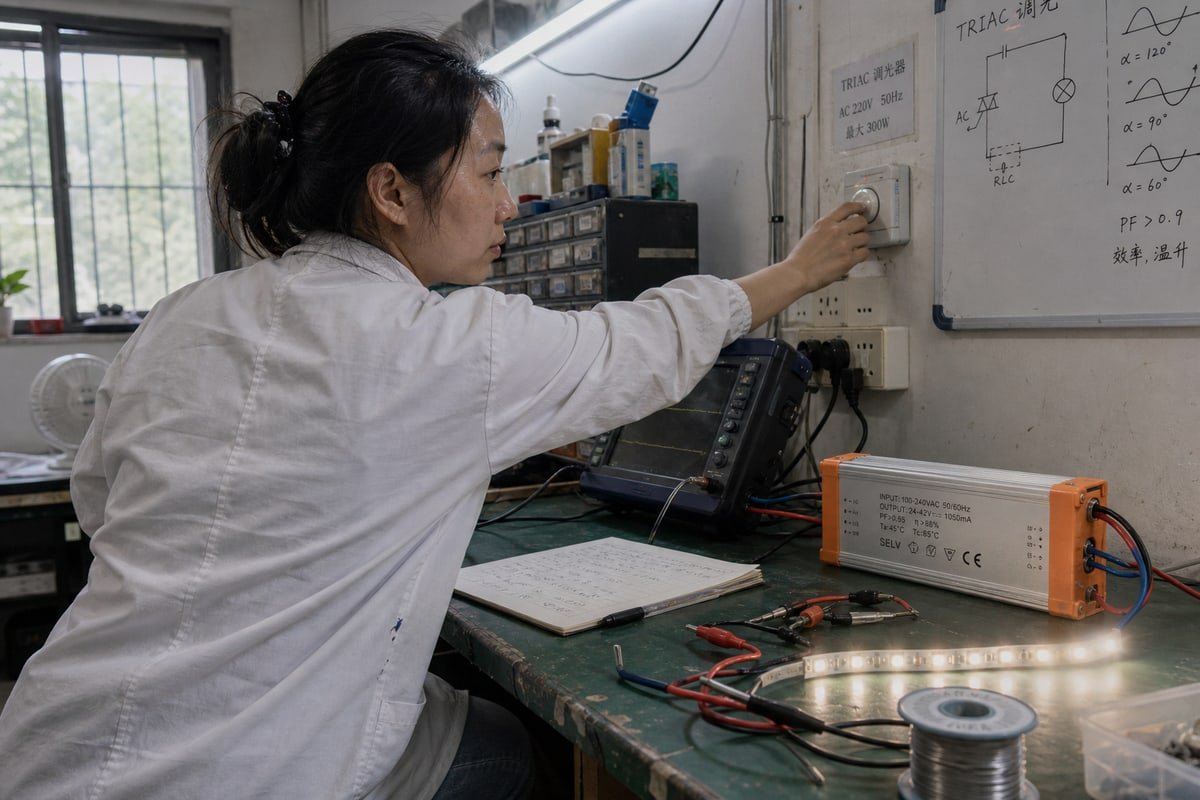
บนสายการผลิตที่เซินเจิ้นของเรา ไดรเวอร์แบบหรี่ด้วย TRIAC ทุกล็อตจะถูกทดสอบกับดิมเมอร์จริงจำนวนมากก่อนจัดส่ง นิสัยนี้มาจากบทเรียนยากๆ กับโปรเจกต์ส่งออกในยุโรปและเอเชียตะวันออกเฉียงใต้.
เลือกซัพพลายเออร์ที่เผยแพร่ข้อกำหนดโหลดขั้นต่ำและสูงสุด มีรายการความเข้ากันได้ของดิมเมอร์ ให้บริการปรับแต่งโหลดเรนจ์และวงจร bleeder แบบ OEM/ODM และทดสอบไดรเวอร์กับดิมเมอร์แบบตัดเฟสจริง ขอตัวอย่าง รายงานการทดสอบ และการสนับสนุนทางเทคนิคก่อนตัดสินใจสั่งซื้อในปริมาณมาก.
ที่ boqi เราทำงานกับเจ้าของแบรนด์ ผู้ค้าส่ง และผู้ผลิตไฟเท่านั้น ดังนั้นฉันจึงประเมินคำถามจากซัพพลายเออร์ในมุมของผู้ซื้อทุกวัน ผู้จัดการฝ่ายจัดซื้ออย่าง Olivia — หนึ่งในลูกค้าระยะยาวของเราในสิงคโปร์ — ให้ความสำคัญกับสามสิ่ง: ต้นทุนรวมของโปรเจกต์ กำหนดเวลาที่กระชั้น และการเข้าถึงเทคโนโลยีการออกแบบปัจจุบัน ข้อกำหนดโหลดขั้นต่ำสำหรับไดรเวอร์ CV แบบ TRIAC ส่งผลต่อทั้งสามสิ่ง ไดรเวอร์ที่ล้มเหลวในการทดสอบความเข้ากันได้หลังการติดตั้งจะทำลายทั้งงบประมาณและกำหนดเวลา.
คำถามที่แยกซัพพลายเออร์ที่ดีจากซัพพลายเออร์ที่มีความเสี่ยง
อย่าถามเพียงว่า “ดิมเมอร์ TRIAC นี้รองรับกี่วัตต์” ให้ถามทั้ง “โหลด LED ขั้นต่ำคือเท่าไร” และ “อินพุตของไดรเวอร์ LED มีพฤติกรรมอย่างไรกับดิมเมอร์นี้” คำถามที่สองคือคำถามที่ซัพพลายเออร์ส่วนใหญ่ตอบไม่ได้ พาร์ทเนอร์ที่มีความสามารถควรบอกคุณได้ว่าไดรเวอร์ของพวกเขารองรับการหรี่แบบตัดเฟสด้านหน้าหรือไม่ ทำงานกับดิมเมอร์แบบตัดขอบท้ายด้วยหรือไม่ วงจรบลีดเดอร์จัดการกับสภาวะโหลดต่ำอย่างไร และรุ่นดิมเมอร์เฉพาะใดที่พวกเขาทดสอบแล้ว เมื่อเราพัฒนาไดรเวอร์ OEM ให้ลูกค้าในยุโรป เราทดสอบความเสถียรของการหรี่กับแบรนด์ดิมเมอร์แบบตัดขอบหน้าที่พบได้ทั่วไปในตลาดนั้น — เพราะไดรเวอร์ที่ผ่านในสภาพแวดล้อมไฟฟ้าของประเทศหนึ่งอาจมีพฤติกรรมแตกต่างในอีกประเทศหนึ่ง.
รายการตรวจสอบการประเมินซัพพลายเออร์
| สิ่งที่ต้องตรวจสอบ | เหตุผลที่สำคัญ | ธงแดง |
|---|---|---|
| สเปกโหลดต่ำสุด/สูงสุดที่เผยแพร่ | ช่วยให้คุณออกแบบวงจรได้อย่างมั่นใจ | ดาต้าชีตคลุมเครือหรือขาดหายไป |
| รายการความเข้ากันได้ของดิมเมอร์ | ยืนยันการทดสอบการหรี่แบบตัดเฟสในโลกจริง | “การอ้างว่า ”ใช้ได้กับดิมเมอร์ TRIAC ทั้งหมด” |
| ความสามารถ OEM/ODM | ช่วงโหลดและการปรับแต่งบลีดเดอร์สำหรับตลาดของคุณ | แคตตาล็อกแบบเดียวใช้ได้ทั้งหมดเท่านั้น |
| ใบรับรอง (CE, CB) | จำเป็นสำหรับตลาด EU และการส่งออก | ใบรับรองที่ไม่สามารถตรวจสอบได้ |
| การสนับสนุนตัวอย่างและการทดสอบ | ตรวจสอบสายโซ่ดิมเมอร์-ไดรเวอร์-โหลดที่แน่นอนของคุณ | ปฏิเสธการส่งตัวอย่างก่อนการผลิต |
| การสนับสนุนทางเทคนิคหลังการขาย | การแก้ไขปัญหาที่รวดเร็วปกป้องกำหนดการของคุณ | การตอบสนองที่ช้าหรือเป็นสคริปต์ |
ตลาดเองก็สร้างความสับสนอย่างแท้จริงที่นี่ คู่มือจากผู้ขายบางรายยืนยันว่าการหรี่ด้วย TRIAC ยังต้องใช้โหลด 25W–40W ในขณะที่ผู้ผลิตไดรเวอร์บางรายโฆษณาว่าไม่มีโหลดขั้นต่ำเลย ทั้งสองคำกล่าวสามารถเป็นจริงได้ เพราะมันอธิบายผลิตภัณฑ์ที่แตกต่างกันและส่วนที่แตกต่างกันของระบบ ประสิทธิภาพโหลดขั้นต่ำเป็นสเปกที่เฉพาะเจาะจงต่อการออกแบบ ไม่ใช่กฎสากลของ TRIAC ซัพพลายเออร์ที่อธิบายเรื่องนี้อย่างซื่อสัตย์คือซัพพลายเออร์ที่คุณไว้วางใจกับแบรนด์ของคุณได้.
บทสรุป
วงจร TRIAC ที่โหลดน้อยเกินไปจะกะพริบ ส่งเสียงหึ่ง และหลุดออก — และการแก้ไขเริ่มต้นด้วยนิสัยเดียว: ตรวจสอบโหลดขั้นต่ำของดิมเมอร์ โหลดขั้นต่ำของไดรเวอร์ และความเข้ากันได้จริงร่วมกัน.
เชิงอรรถ
- ภาพรวมจากวิกิพีเดียเกี่ยวกับการกำหนดค่าวงจร LED และคุณลักษณะของสเตจเอาต์พุต. ↩︎
- เอกสารทางเทคนิคจากผู้ผลิตเซมิคอนดักเตอร์ชั้นนำเกี่ยวกับคุณลักษณะทางไฟฟ้าและโหลดของ TRIAC. ↩︎
- บทความวิกิพีเดียที่น่าเชื่อถืออธิบายการแก้ไขตัวประกอบกำลังแบบแอคทีฟสำหรับโหลดอิเล็กทรอนิกส์. ↩︎
- บทความวิกิพีเดียอธิบายการทำงานและความแตกต่างทางเทคนิคระหว่างประเภทดิมเมอร์แบบตัดเฟส. ↩︎
- มาตรฐาน NEMA กำหนดคุณลักษณะกระแสไหลเข้าและข้อกำหนดสำหรับอุปกรณ์ไฟ LED. ↩︎