Skip to content










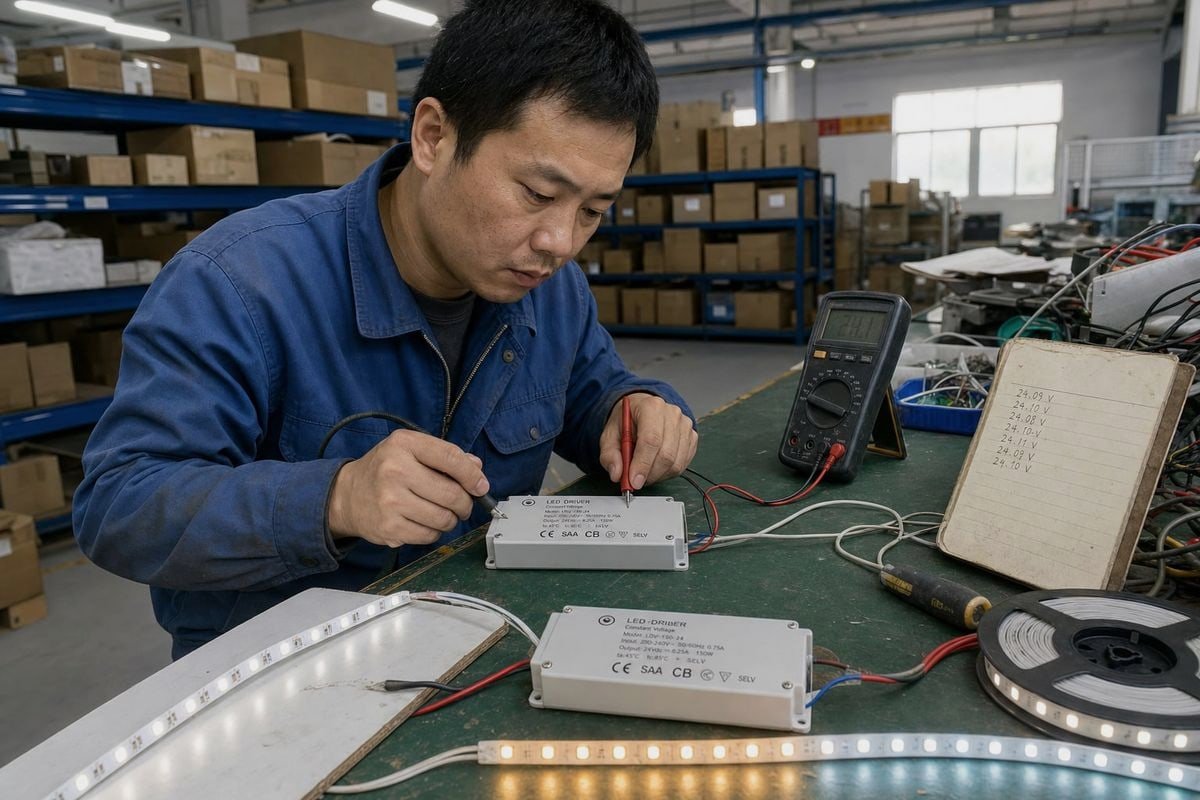
DALI DT6 / DT8 สำหรับไดรเวอร์ CV ทำให้ผู้ซื้อหลายคนสับสน ฉันเห็นสิ่งนี้ทุกสัปดาห์ในสายการผลิตของเรา ที่ซึ่งการเลือกโปรโตคอลที่ผิดสามารถหยุดชะงักโครงการไฟทั้งหมดได้.
DALI DT6 สำหรับไดรเวอร์ CV รองรับการหรี่แสงสีเดียวมาตรฐานภายใต้ IEC 62386-207 ในขณะที่ DT8 (IEC 62386-209) ควบคุมหลายช่องสัญญาณ—เช่น ไฟขาวอุ่นและขาวเย็น—สำหรับการปรับสีขาวหรือการผสมสี RGBW เลือก DT6 สำหรับการควบคุมความสว่างเท่านั้น เลือก DT8 สำหรับการปรับอุณหภูมิสี.
นั่นคือคำตอบสั้นๆ แต่รายละเอียดสำคัญกว่าป้ายกำกับ ให้ฉันอธิบายวิธีเลือก ตรวจสอบ และจัดหาไดรเวอร์เหล่านี้อย่างถูกต้อง.
ฉันจะเลือกระหว่างโปรโตคอล DT6 และ DT8 สำหรับโปรเจกต์ไดรเวอร์ CV ของฉันได้อย่างไร?
ฤดูใบไม้ผลิที่ผ่านมา ผู้ซื้อวิศวกรจากสิงคโปร์ถามทีมของเราว่า “รุ่น DT8 เพราะมันใหม่กว่า” เราต้องอธิบายว่าโครงการแถบ LED สีเดียวของเขาต้องการแค่ DT6 เท่านั้น.
เลือก DT6 เมื่อคุณต้องการการหรี่แสงแบบช่องสัญญาณเดียวสำหรับเอาต์พุตแรงดันคงที่หนึ่งตัว เช่น แถบ LED สีขาวคงที่ เลือก DT8 เมื่อคุณต้องการควบคุมแสงขาวปรับได้หรือการผสมสี RGBW เนื่องจาก DT8 จัดการหลายช่องสัญญาณภายใต้ที่อยู่ DALI เดียว.
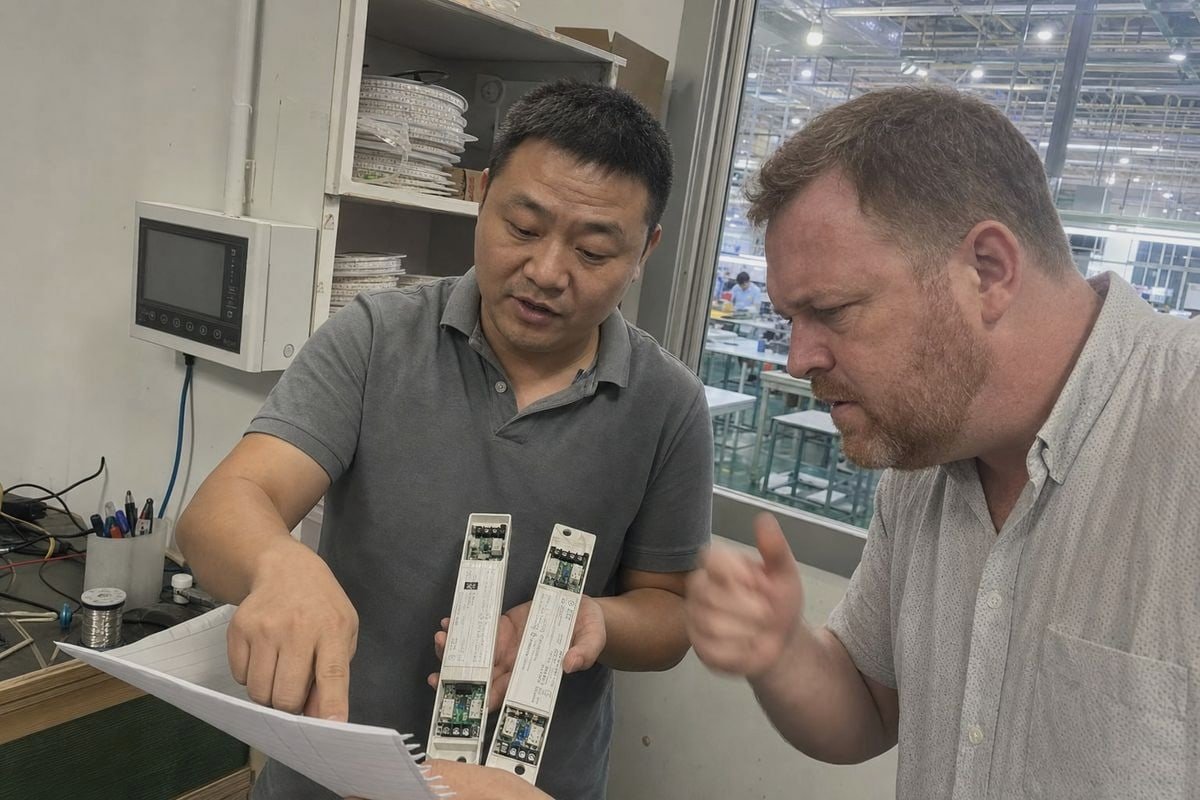
DT8 ไม่ได้ดีกว่า DT6 โดยอัตโนมัติ นั่นคือจุดที่สำคัญที่สุดที่ฉันบอกผู้ซื้อ B2B การเลือกที่ถูกต้องขึ้นอยู่กับสิ่งที่ระบบ LED ต้องการควบคุม—ไม่มากไปกว่านั้น.
นี่คือเมทริกซ์การตัดสินใจที่เราแบ่งปันกับลูกค้าของเรา:
| ความต้องการ | ตัวเลือกที่ดีกว่า |
|---|---|
| LED สีเดียว ควบคุมความสว่างเท่านั้น | DT6 |
| การหรี่แสง 0–100% ของเอาต์พุต CV หนึ่งช่อง | DT6 |
| การปรับสีขาว / ควบคุม CCT | DT8 |
| LED ขาวอุ่น + ขาวเย็น | DT8 |
| แอปพลิเคชัน RGB / RGBW | DT8, ขึ้นอยู่กับการใช้งาน |
| ไฟพื้นฐานที่คำนึงถึงต้นทุน | DT6 |
| การควบคุมอุณหภูมิสีขั้นสูง | DT8 |
ข้อโต้แย้งเรื่องประสิทธิภาพของแอดเดรส
มีปัจจัยต้นทุนที่ซ่อนอยู่ที่นี่ สาย DALI รองรับสูงสุด 64 แอดเดรสสั้น 1. ด้วย DT6 ฟิกซ์เจอร์ปรับสีขาวโดยทั่วไปใช้สองแอดเดรส—หนึ่งสำหรับช่องขาวอุ่นและหนึ่งสำหรับช่องขาวเย็น ไดรเวอร์ DT8 ควบคุมทั้งสองช่องผ่านแอดเดรสเดียว ในโครงการขนาดใหญ่ที่มีฟิกซ์เจอร์ปรับสีขาวหลายสิบตัว DT8 สามารถเพิ่มจำนวนฟิกซ์เจอร์ต่อบัสได้อย่างมีประสิทธิภาพเป็นสองเท่า นอกจากนี้ยังทำให้การกำหนดแอดเดรสและการจัดกลุ่มระหว่างการติดตั้งง่ายขึ้น เพราะซอฟต์แวร์ควบคุมถือว่าฟิกซ์เจอร์แต่ละตัวเป็นวัตถุเดียวแทนที่จะเป็นสอง.
ตรรกะอยู่ที่ไหน
ด้วย DT6 คอนโทรลเลอร์ภายนอกต้องคำนวณความเข้มของแต่ละช่องแยกกันเพื่อสร้างอุณหภูมิสี ด้วย DT8 MCU ภายในของไดรเวอร์จัดการการคำนวณการผสมสี นั่นหมายถึงการเปลี่ยน CCT ที่ราบรื่นขึ้นและโอกาสที่ช่องจะหลุดจากการซิงค์น้อยลง แต่ก็หมายความว่าการติดตั้ง DT8 ขึ้นอยู่กับความเข้ากันได้ของคอนโทรลเลอร์มากขึ้น—นี่คือการแลกเปลี่ยนจริงที่เราพูดคุยอย่างเปิดเผยกับผู้ซื้อก่อนการเสนอราคา.
สำหรับไฟทางเดินธรรมดาหรือไฟแถบ LED ใต้ตู้ในสีขาวคงที่ DT6 ยังคงเป็นพื้นฐานที่สมเหตุสมผลและคุ้มค่า อย่าจ่ายสำหรับความสามารถด้านสีที่คุณจะไม่ใช้.
ฉันควรตรวจสอบใบรับรองใดบ้างเมื่อจัดหาไดรเวอร์ DALI DT6/DT8 CV?
การแลกเปลี่ยนที่เราพิจารณาอย่างรอบคอบที่สุดในโรงงานของเราคือขอบเขตการรับรองเทียบกับตลาดเป้าหมาย ไดรเวอร์ที่รับรองสำหรับภูมิภาคหนึ่งอาจเป็นฝันร้ายทางศุลกากรในอีกภูมิภาคหนึ่ง.
ตรวจสอบการปฏิบัติตาม DALI-2 รวมถึงเครื่องหมายความปลอดภัยระดับภูมิภาค: CE สำหรับยุโรป SAA สำหรับออสเตรเลีย และ CB สำหรับการยอมรับระหว่างประเทศ ยืนยันการปฏิบัติตาม SELV สำหรับเอาต์พุต CV แรงดันต่ำ และตรวจสอบว่าใบรับรองครอบคลุมหมายเลขรุ่นที่แน่นอนที่คุณซื้อ.
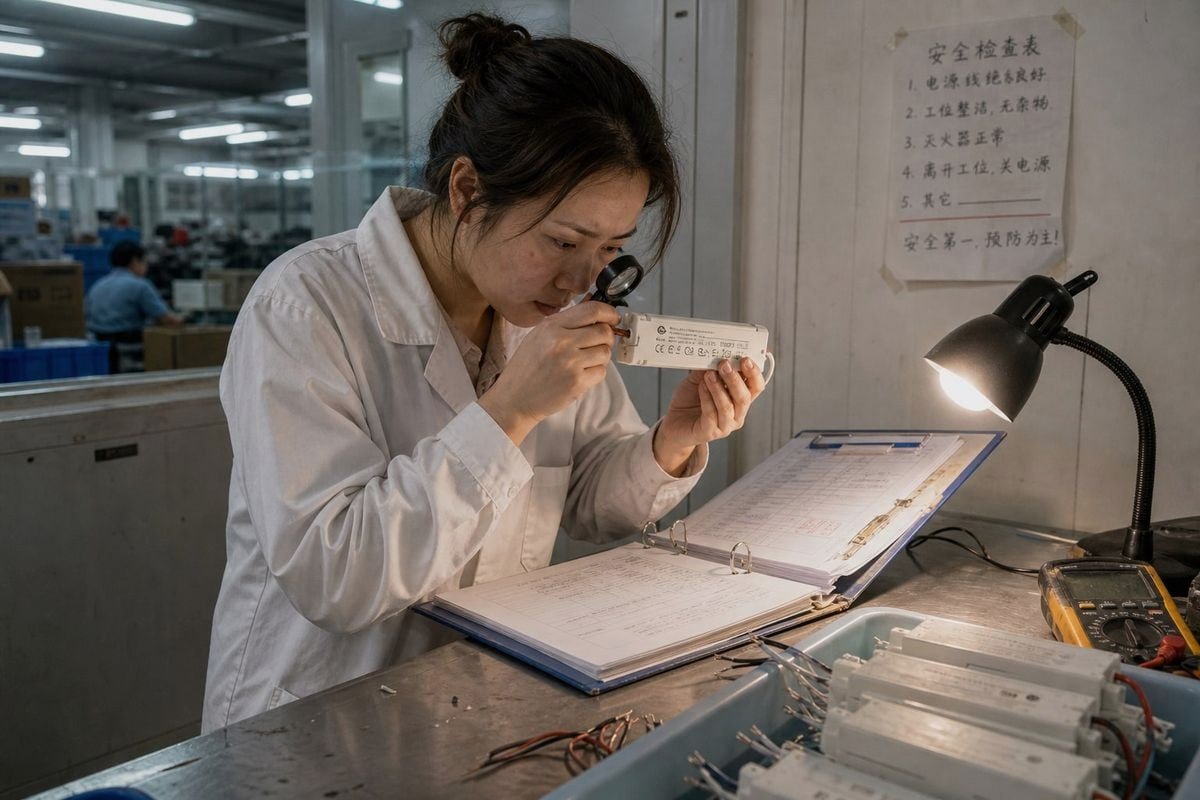
การตรวจสอบการรับรองคือจุดที่ผู้นำเข้าป้องกันตัวเองหรือเสี่ยง เพราะเราส่งออกไปยังตลาดที่แตกต่างกันเช่นเยอรมนี ออสเตรเลีย ญี่ปุ่น และสิงคโปร์ ป้ายของเราเองจึงมีเครื่องหมาย CE, SAA, CB และ SELV—และแต่ละเครื่องหมายตอบคำถามที่แตกต่างกัน.
การรับรองแต่ละรายการครอบคลุมอะไรจริง
| การรับรอง | สิ่งที่ตรวจสอบ | สำคัญสำหรับ |
|---|---|---|
| การปฏิบัติตาม DALI-2 | ความเข้ากันได้ของโปรโตคอล ทดสอบตามข้อกำหนดโปรโตคอล IEC 62386 | ระบบควบคุมหลายผู้ผลิต |
| CE | คำสั่งความปลอดภัยและ EMC ของยุโรป | ตลาด EU (อิตาลี ฝรั่งเศส เยอรมนี สหราชอาณาจักร) |
| สมาคมนักวิเคราะห์หลักทรัพย์ | การอนุมัติความปลอดภัยไฟฟ้าของออสเตรเลีย | ออสเตรเลีย โครงการเอเชียตะวันออกเฉียงใต้บางโครงการ |
| ซีบี | โครงการรายงานการทดสอบ IEC ระหว่างประเทศ | การอนุมัติเร็วขึ้นในหลายประเทศ |
| SELV | การออกแบบเอาต์พุตแรงดันต่ำพิเศษที่ปลอดภัย | การติดตั้งแถบ LED CV 12V/24V |
ฉันจะมั่นใจได้อย่างไรว่าไดรเวอร์ DALI DT6/DT8 เข้ากันได้กับระบบควบคุมแสงสว่างที่มีอยู่ของฉัน?
บทเรียนที่ยากจากช่วงปีแรกๆ ของการส่งออก: ไดรเวอร์สองตัวสามารถระบุ “DT8” บนเอกสารข้อมูลและยังทำงานแตกต่างกันโดยสิ้นเชิงบนบัสเดียวกัน.
ยืนยันว่าไดรเวอร์ใช้การควบคุมแบบ DT8 ชนิดใด (Tc สำหรับไวท์ปรับได้, XY หรือ RGBWAF สำหรับสี), ตรวจสอบว่าคอนโทรลเลอร์ของคุณส่งคำสั่งที่ตรงกัน, ทดสอบตัวอย่างหนึ่งบนบัสจริงของคุณ, และตรวจสอบความจุของแหล่งจ่ายไฟบัส DALI ก่อนการติดตั้งเต็มรูปแบบ.
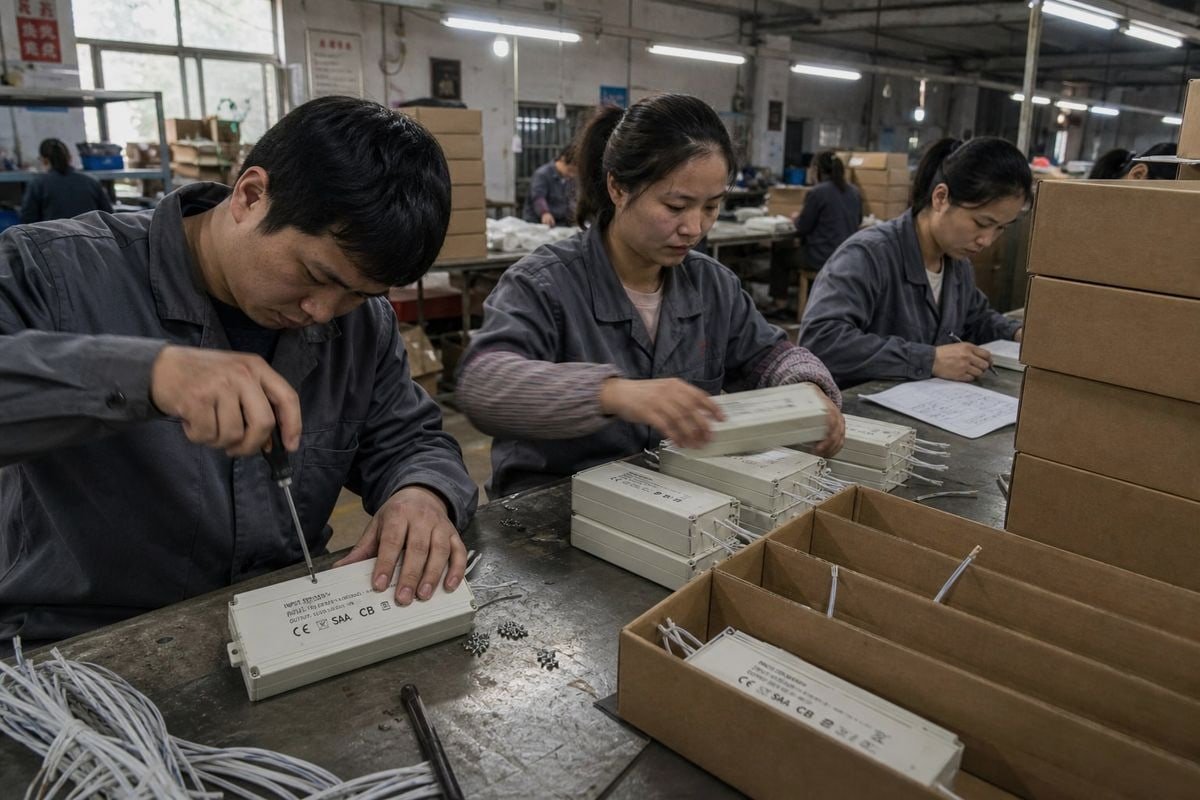
ความเข้ากันได้ไม่ใช่ช่องทำเครื่องหมายใช่/ไม่ใช่ มันคือโซ่ และทุกข้อต้องยึดมั่น สำหรับไดรเวอร์ CV อย่าตัดสินความเข้ากันได้ของ DT6/DT8 จากป้ายโปรโตคอล DALI เท่านั้น ไดรเวอร์อาจโฆษณาว่าเป็น DT8 แต่คำถามจริงคือใช้ประเภทการควบคุม DT8 แบบใดและอุปกรณ์ควบคุมของมันแมปคำสั่งกับ เอาต์พุต CVs.
สายโซ่สัญญาณที่สำคัญจริงๆ
สำหรับไดรเวอร์ CV แบบไวท์ปรับได้ เส้นทางมีลักษณะดังนี้:
- คำสั่ง DALI มาถึงจากคอนโทรลเลอร์
- MCU ของไดรเวอร์ตีความคำสั่งนั้น
- ใช้การควบคุม PWM หรือการควบคุมกระแส
- ช่อง LED WW/CW ตอบสนอง
คุณภาพของผลลัพธ์สุดท้ายขึ้นอยู่กับอัลกอริทึมการควบคุมภายในของไดรเวอร์เป็นอย่างมาก ไดรเวอร์ DT8 สองตัวสามารถทำงานแตกต่างกันอย่างมากในเรื่อง ระดับการหรี่แสงขั้นต่ำ 3, ความนุ่มนวลของการเปลี่ยน CCT, การจับคู่ช่องสัญญาณ, ความถี่ PWM, ประสิทธิภาพการกะพริบ, พฤติกรรมเมื่อเปิดเครื่อง, จังหวะการเฟดของ DALI, และความเสถียรของการหรี่แสงระดับต่ำ นี่คือจุดที่ความแตกต่างทางวิศวกรรมที่แท้จริงระหว่างไดรเวอร์ CV มักซ่อนอยู่—ไม่ใช่ในคำว่า “DT6” หรือ “DT8” ที่พิมพ์บนดาต้าชีต.
การตรวจสอบความเข้ากันได้ในทางปฏิบัติก่อนที่คุณจะตัดสินใจ
ตรวจสอบว่าคอนโทรลเลอร์ของคุณรองรับ DT8 โดยตรงหรือไม่ คอนโทรลเลอร์ DALI-1 รุ่นเก่ามักไม่รองรับ และไดรเวอร์ DT8 สมัยใหม่บางตัวสามารถกำหนดค่าให้เลียนแบบที่อยู่ DT6 หลายตัวเพื่อเป็นวิธีแก้ปัญหาสำหรับระบบเก่า ยืนยันเส้นโค้งการหรี่แสงด้วย—ระบบ DALI ส่วนใหญ่คาดหวัง เส้นโค้งการหรี่แสงแบบลอการิทึม 4, และความไม่ตรงกันทำให้เกิดขั้นตอนที่มองเห็นได้ในระดับต่ำ ตรวจสอบว่าแหล่งจ่ายไฟบัส DALI มีระยะเผื่อกระแสเพียงพอสำหรับอุปกรณ์ที่เชื่อมต่อทั้งหมด เนื่องจากอุปกรณ์ควบคุมแต่ละตัวดึงกระแสสแตนด์บายจากบัส สุดท้าย สอบถามเกี่ยวกับการซิงโครไนซ์ PWM: ไดรเวอร์ CV แบบ DT8 คุณภาพดีซิงโครไนซ์ PWM ระหว่างช่องสัญญาณเพื่อป้องกันการแตกของสี ซึ่งเป็นสิ่งประดิษฐ์ที่พบบ่อยเมื่อผสมสีกับไดรเวอร์ DT6 อิสระหลายตัว.
ทีมฝ่ายสนับสนุนด้านเทคนิคของเราทดสอบร่วมกันบนโต๊ะกับรุ่นคอนโทรลเลอร์ที่แน่นอนของลูกค้าเมื่อเป็นไปได้ มันช่วยโครงการต่างๆ ไว้มากกว่าดาต้าชีตใดๆ เคยช่วย.
ปัญหาคุณภาพใดที่ฉันควรเฝ้าระวังเมื่อนำเข้าไดรเวอร์ DALI DT6/DT8 CV สำหรับโปรเจกต์ขนาดใหญ่?
เมื่อลูกค้าตัวแทนจำหน่ายในเวียดนามได้รับสินค้าชุดจากคู่แข่งที่มีการหรี่แสงระดับต่ำไม่สม่ำเสมอ เขาส่งรูปถ่ายมาให้เราทาง WhatsApp ถามว่าเกิดอะไรขึ้น คำตอบคือการควบคุมคุณภาพระดับชุดการผลิต ไม่ใช่การออกแบบ.
สังเกตอาการไฟกระพริบที่ระดับการหรี่แสงต่ำ ความสว่างขั้นต่ำที่ไม่สม่ำเสมอระหว่างยูนิต การจับคู่ช่องสัญญาณที่ไม่ดีในไดรเวอร์สีขาวที่ปรับได้ พฤติกรรมการเปิดเครื่องที่ไม่เสถียร ความล้มเหลวในการลดกำลังเนื่องจากความร้อน และความแตกต่างของเฟิร์มแวร์ที่ไม่ได้บันทึกไว้ระหว่างชุดการผลิต เรียกร้องรายงานการทดสอบก่อนจัดส่งและใบรับประกันเป็นลายลักษณ์อักษร.
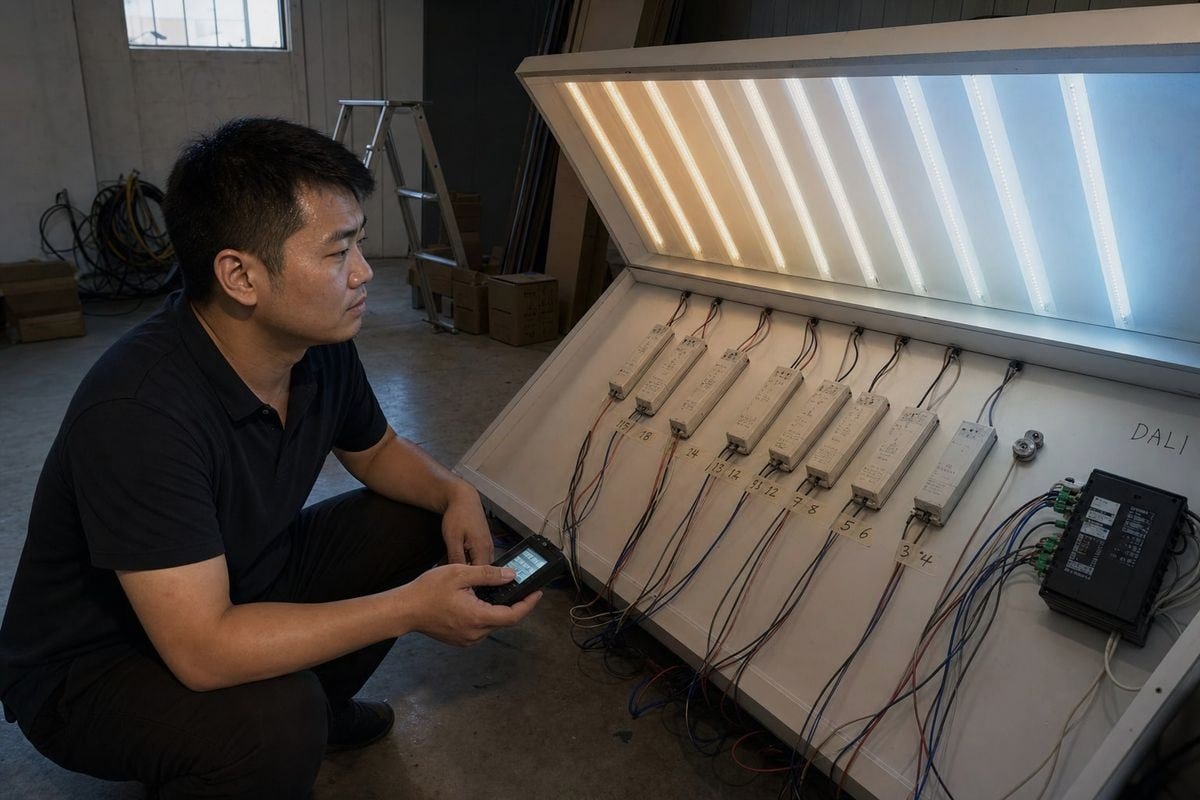
โครงการขนาดใหญ่ขยายข้อบกพร่องเล็กๆ ให้ใหญ่ขึ้น ไดรเวอร์หนึ่งตัวที่กะพริบในตัวอย่างดูเหมือนโชคร้าย สองร้อยตัวในการติดตั้งโรงแรมดูเหมือนคดีความ นี่คือจุดบกพร่องที่เราทดสอบหนักที่สุดในสายการผลิตของเราเอง และจุดที่ผู้นำเข้าควรเรียกร้องหลักฐาน.
รายการตรวจสอบคุณภาพสำหรับคำสั่งซื้อปริมาณมาก
| ปัญหาคุณภาพ | แสดงออกอย่างไรในหน้างาน | วิธีตรวจสอบก่อนจัดส่ง |
|---|---|---|
| การกะพริบระดับต่ำ | การกะพริบที่มองเห็นได้ต่ำกว่าความสว่าง 10% | ขอข้อมูลการทดสอบการกะพริบ; ไดรเวอร์ DALI-2 ระดับพรีเมียมหรี่แสงได้นุ่มนวลถึงระดับที่ลึกมาก |
| ความแปรปรวนระหว่างหน่วย | แถบ LED ที่อยู่ติดกันมีความสว่างต่างกัน | ขอรายงานการสุ่มตัวอย่างชุดการผลิตที่ระดับการหรี่แสงขั้นต่ำ |
| ความไม่ตรงกันของช่องสัญญาณ (DT8) | การปรับอุณหภูมิสีดูไม่สม่ำเสมอ | ทดสอบความสมดุลของเอาต์พุต WW/CW ระหว่างหน่วยตัวอย่าง |
| พฤติกรรมเมื่อเปิดเครื่อง | ไฟกระพริบที่ความสว่างเต็มที่เมื่อไฟหลักกลับมา | ยืนยันระดับการเปิดเครื่องและความล้มเหลวของระบบที่ตั้งโปรแกรมได้ |
| ข้อผิดพลาดจังหวะการเฟด | ฉากเปลี่ยนด้วยความเร็วที่ต่างกัน | ตรวจสอบการปฏิบัติตามเวลาเฟดของ DALI บนบัสจริง |
| การลดกำลังเนื่องจากความร้อน | ไดรเวอร์เสียหายเร็วในเพดานปิด | ตรวจสอบระดับจุด tc และเส้นโค้งการลดกำลัง |
ทำไมความสม่ำเสมอของชุดการผลิตคือความแตกต่างที่แท้จริง
ไดรเวอร์ CV สำหรับไวท์ปรับได้มีความไวต่อเฟิร์มแวร์เป็นพิเศษ หากโรงงานอัปเดตรหัส MCU อย่างเงียบๆ ระหว่างชุดการผลิต จังหวะการเฟดและเส้นโค้งการหรี่แสงอาจเปลี่ยนไป ในโครงการแบบแบ่งเฟส—เช่น อาคารที่ติดตั้งทีละชั้นในช่วงหกเดือน—การเปลี่ยนแปลงนั้นจะมองเห็นได้ตรงจุดที่ชุดเก่าและใหม่มาบรรจบกัน เราล็อกเวอร์ชันเฟิร์มแวร์ต่อคำสั่งซื้อและบันทึกลงในเอกสาร QC ของเรา เพราะพฤติกรรมที่ผสมกันระหว่างชุดการผลิตเป็นหนึ่งในข้อร้องเรียนที่พบบ่อยที่สุดที่ผู้ซื้อนำมาให้เราจากซัพพลายเออร์รายก่อน.
นอกจากนี้ ยืนกรานให้มีกระบวนการรับประกันที่ชัดเจนเป็นลายลักษณ์อักษรก่อนชำระเงิน จุดเจ็บปวดทั่วไปที่ฉันได้ยินจากผู้ซื้อคือซัพพลายเออร์ที่อ้างการรับประกันห้าปีด้วยวาจา แล้วโต้แย้งทุกการเรียกร้อง ถามอย่างชัดเจนว่าหน่วยที่เสียหายถูกจัดการอย่างไร: ส่งเปลี่ยนพร้อมคำสั่งซื้อถัดไป, ใบลดหนี้, หรือส่งกลับซ่อม คำตอบบอกคุณได้มากเกี่ยวกับโรงงานที่อยู่เบื้องหลังไดรเวอร์นั้น.

บทสรุป
การเลือกระหว่าง DALI DT6 และ DT8 สำหรับไดรเวอร์ CV ขึ้นอยู่กับการจับคู่โปรโตคอลให้ตรงกับความต้องการควบคุมของคุณ—จากนั้นตรวจสอบการรับรอง ความเข้ากันได้ และคุณภาพของแบตช์ก่อนตัดสินใจ.
ป้ายบนเอกสารข้อมูลเป็นเพียงจุดเริ่มต้น ไม่ใช่คำตอบ DT6 ครอบคลุมการควบคุมการหรี่แสงช่องสัญญาณเดียวอย่างตรงไปตรงมาและคุ้มค่า DT8 ปลดล็อกการควบคุมแสงขาวที่ปรับได้และการผสมสี RGBW ด้วยการกำหนดแอดเดรสที่มีประสิทธิภาพ แต่ความเป็นวิศวกรรมจริงอยู่ภายในไดรเวอร์: อัลกอริทึมที่แมปคำสั่ง DALI ไปยังเอาต์พุต CV พฤติกรรม PWM ประสิทธิภาพการกะพริบ และวินัยของเฟิร์มแวร์ในแต่ละแบตช์ ฉันเคยเห็นโครงการประสบความสำเร็จเพราะผู้ซื้อถามคำถามเพิ่มเติมหนึ่งข้อเกี่ยวกับประเภทการควบคุม DT8 และฉันเคยเห็นโครงการอื่นหยุดชะงักเพราะไม่มีใครตรวจสอบทะเบียน DALI-2 หากคุณกำลังระบุไดรเวอร์สำหรับโครงการถัดไป ทดสอบตัวอย่างบนบัสจริงของคุณ เรียกร้องรายงานการทดสอบจริง และขอเงื่อนไขการรับประกันเป็นลายลักษณ์อักษร เมื่อคุณทำงานกับซัพพลายเออร์ที่ปฏิบัติต่อขั้นตอนเหล่านั้นเป็นเรื่องปกติ ไม่ใช่สิ่งที่ต่อรองได้ ความเสี่ยงส่วนใหญ่ในบทความนี้ก็จะหายไป.
เชิงอรรถ
- ภาพรวมทางเทคนิคของโครงสร้างการกำหนดแอดเดรสและข้อจำกัดการสื่อสารของโปรโตคอล DALI. ↩︎
- ทะเบียนอย่างเป็นทางการสำหรับตรวจสอบผลิตภัณฑ์ที่ได้รับการรับรอง DALI-2 เพื่อให้แน่ใจว่ามีความเข้ากันได้ระหว่างโปรโตคอลและการปฏิบัติตามข้อกำหนด. ↩︎
- องค์กรมาตรฐานระหว่างประเทศที่รับผิดชอบในการกำหนดตัวชี้วัดประสิทธิภาพในโปรโตคอลการควบคุมแสงสว่าง. ↩︎
- คำอธิบายทางเทคนิคอย่างเป็นทางการของเส้นโค้งการหรี่แสง DALI ที่ได้มาตรฐานและสถาปัตยกรรมระบบ. ↩︎