Ir al contenido










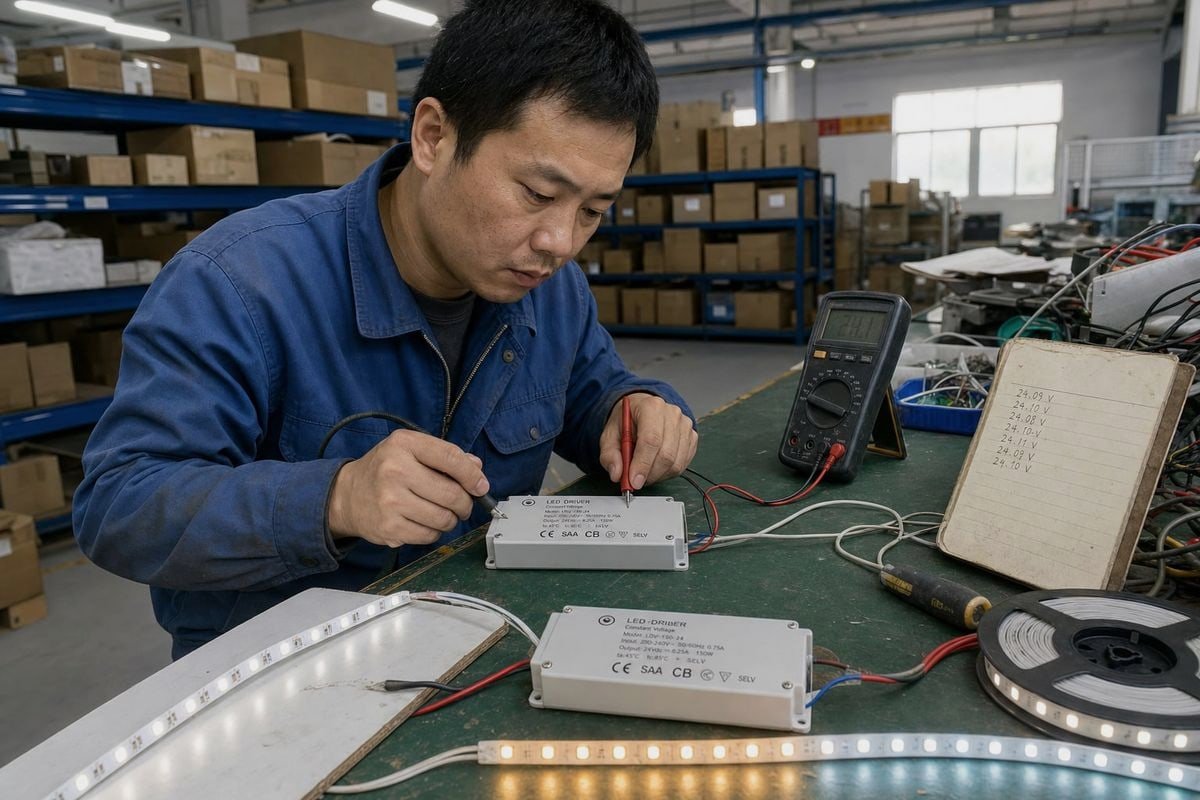
El DALI DT6 / DT8 para controladores CV genera confusión entre muchos compradores. Lo veo cada semana en nuestra línea de producción, donde una elección errónea del protocolo puede paralizar todo un proyecto de iluminación.
El DALI DT6 para controladores CV gestiona la regulación estándar de un solo color según la norma IEC 62386-207, mientras que el DT8 (IEC 62386-209) controla múltiples canales —como el blanco cálido y el blanco frío— para la regulación de blanco ajustable o la mezcla de colores RGBW. Elige el DT6 para controlar únicamente el brillo; elige el DT8 para ajustar la temperatura de color.
Esa es la respuesta breve. Pero los detalles importan más que las etiquetas. Déjame explicarte paso a paso cómo elegir, verificar y adquirir estos controladores correctamente.
¿Cómo elijo entre los protocolos DT6 y DT8 para mi proyecto de controlador de CV?
La pasada primavera, un comprador del sector de la ingeniería de Singapur pidió a nuestro equipo “la versión DT8, porque es más nueva”. Tuvimos que explicarle que para su proyecto de tiras LED monocromáticas solo necesitaba la DT6.
Elige el modelo DT6 cuando necesites regular la intensidad de un solo canal de una salida de tensión constante, como una tira LED de luz blanca fija. Elige el modelo DT8 cuando necesites control de luz blanca regulable o mezcla de colores RGBW, ya que el DT8 gestiona varios canales bajo una misma dirección DALI.
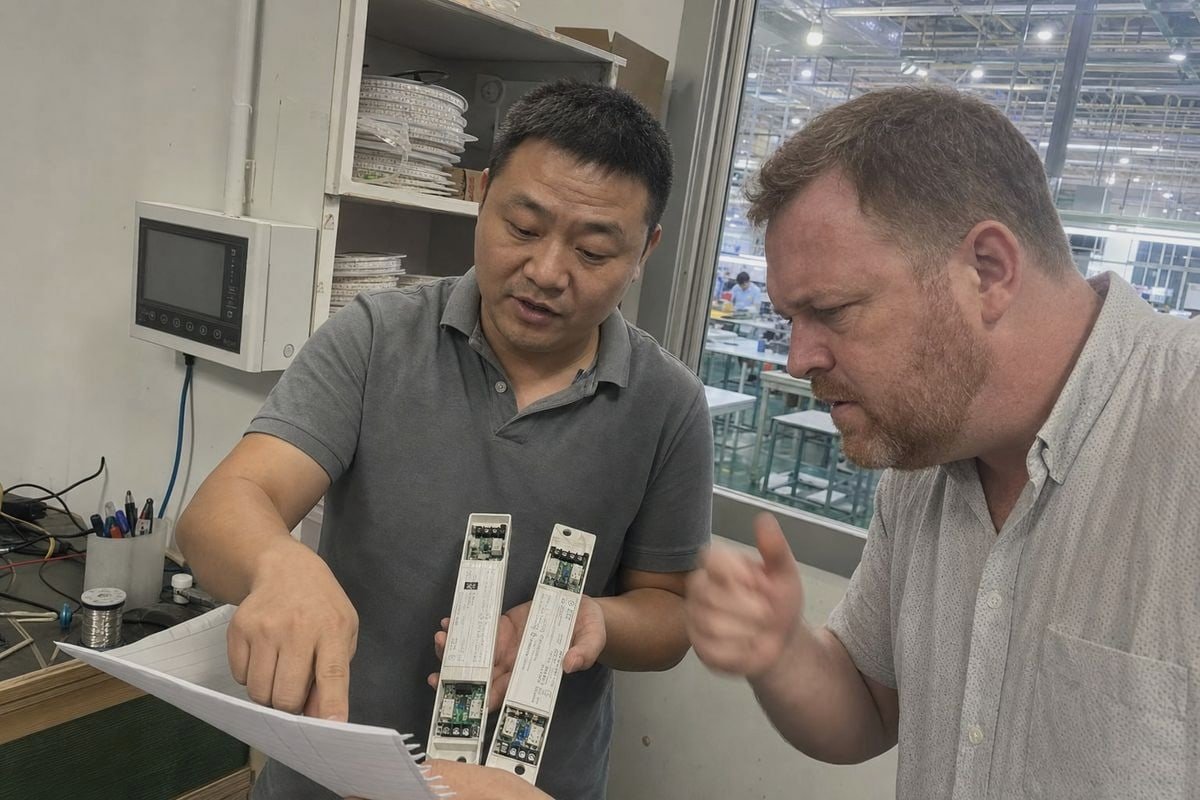
El DT8 no es automáticamente mejor que el DT6. Ese es el aspecto más importante que les explico a los compradores del sector B2B. La elección correcta depende de lo que el sistema LED tenga que controlar, nada más.
Esta es la matriz de decisión que compartimos con nuestros clientes:
| Requisito | Una mejor opción |
|---|---|
| LED monocromático, solo brillo | DT6 |
| Regulación de intensidad de 0 a 1001 TP3T de una salida CV | DT6 |
| Blanco regulable / Control de CCT | DT8 |
| LED de luz blanca cálida + luz blanca fría | DT8 |
| Aplicaciones RGB / RGBW | DT8, dependiendo de la implementación |
| Iluminación sencilla y económica | DT6 |
| Control avanzado de la temperatura de color | DT8 |
El argumento de la eficiencia en el uso de direcciones
Aquí hay un factor de coste oculto. Una línea DALI admite un máximo de 64 direcciones breves 1. Con DT6, una luminaria de luz blanca regulable suele ocupar dos direcciones: una para el canal de luz cálida y otra para el canal de luz fría. Un controlador DT8 controla ambos canales a través de una única dirección. En un proyecto de gran envergadura con docenas de luminarias de luz blanca regulable, el DT8 puede duplicar de forma efectiva el número de luminarias por bus. Además, simplifica el direccionamiento y la agrupación durante la puesta en marcha, ya que el software de control trata cada luminaria como un único objeto en lugar de dos.
Donde reside la lógica
Con el DT6, el controlador externo debe calcular la intensidad de cada canal por separado para generar una temperatura de color. Con el DT8, la MCU interna del controlador se encarga de los cálculos de mezcla de colores. Esto se traduce en transiciones de CCT más fluidas y menos posibilidades de que los canales se desincronicen. Pero también significa que la puesta en marcha del DT8 depende en mayor medida de la compatibilidad del controlador, una verdadera disyuntiva que comentamos abiertamente con los compradores antes de presentarles el presupuesto.
Para una iluminación sencilla de pasillos o para tiras LED bajo los armarios con luz blanca fija, el modelo DT6 sigue siendo la opción básica más sensata y rentable. No pagues por funciones de color que nunca vas a utilizar.
¿Qué certificaciones debo comprobar a la hora de adquirir controladores DALI DT6/DT8 CV?
La disyuntiva que sopesamos con mayor cuidado en nuestra fábrica es el alcance de la certificación frente al mercado de destino. Un controlador certificado para una región puede suponer una pesadilla aduanera en otra.
Comprueba que cumpla con la norma DALI-2, así como que cuente con las marcas de seguridad regionales: CE para Europa, SAA para Australia y CB para su aceptación internacional. Confirma que cumpla con la norma SELV para las salidas CV de baja tensión y comprueba que el certificado se refiera al número de modelo exacto que vas a comprar.

La comprobación de las certificaciones es un aspecto en el que los importadores pueden protegerse o arriesgarse. Dado que exportamos a mercados tan diferentes como Alemania, Australia, Japón y Singapur, nuestras propias etiquetas llevan las marcas CE, SAA, CB y SELV, y cada una de ellas responde a una cuestión diferente.
Qué abarca realmente cada certificación
| Certificación | Qué comprueba | Fundamental para |
|---|---|---|
| Cumplimiento con la norma DALI-2 | Interoperabilidad del protocolo, comprobada según los requisitos del protocolo IEC 62386 | Sistemas de control de múltiples proveedores |
| CE | Directivas europeas sobre seguridad y compatibilidad electromagnética (EMC) | Mercados de la UE (Italia, Francia, Alemania, Reino Unido) |
| SAA | Certificación australiana de seguridad eléctrica | Australia y algunos proyectos del sudeste asiático |
| CB | Sistema internacional de informes de ensayos de la IEC | Aprobación más rápida en varios países |
| SELV | Diseño de salida de muy baja tensión de seguridad | Instalaciones de tiras LED de tensión constante (CV) de 12 V/24 V |
¿Cómo puedo asegurarme de que los controladores DALI DT6/DT8 sean compatibles con mi sistema de control de iluminación actual?
Una dura lección que aprendimos en nuestros primeros años de exportación: dos controladores pueden indicar ambos “DT8” en la ficha técnica y, aun así, comportarse de forma totalmente diferente en el mismo bus.
Confirma qué tipo de control DT8 implementa el controlador (Tc para blanco regulable, XY o RGBWAF para color), comprueba que tu controlador envíe los comandos correspondientes, prueba una muestra en tu bus real y comprueba la capacidad de la fuente de alimentación del bus DALI antes de la implantación completa.
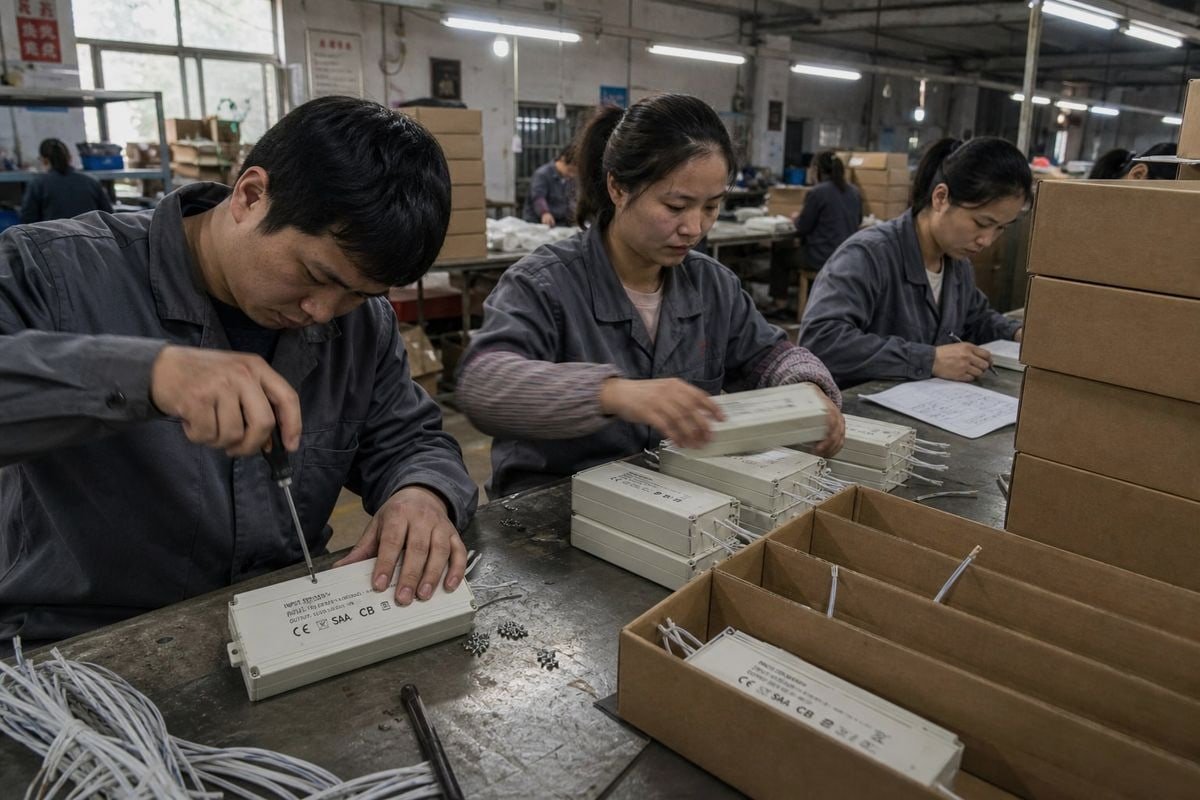
La compatibilidad no es una casilla de selección de «sí» o «no». Es una cadena, y cada eslabón debe aguantar. En el caso de los controladores CV, no juzgues la compatibilidad con DT6/DT8 basándote únicamente en la etiqueta del protocolo DALI. Un controlador puede anunciarse como DT8, pero la verdadera cuestión es qué tipo de control DT8 implementa y cómo su equipo de control asigna los comandos a los componentes físicos Salida de CCs.
La cadena de señal que realmente importa
En el caso de un controlador CV de luz blanca regulable, la ruta es la siguiente:
- Llega un comando DALI desde el controlador
- La MCU del controlador lo interpreta
- Se aplica la modulación por ancho de pulso (PWM) o la regulación de corriente
- Los canales LED WW/CW responden
La calidad del resultado final depende en gran medida del algoritmo de control interno del controlador. Dos controladores DT8 pueden comportarse de forma bastante diferente en nivel mínimo de regulación 3, fluidez de la transición CCT, adaptación de canales, frecuencia PWM, rendimiento del parpadeo, el comportamiento al encenderse, la temporización del atenuado DALI y la estabilidad de la atenuación en los niveles más bajos. Es aquí donde suele esconderse la verdadera diferencia técnica entre los controladores CV, y no en las palabras “DT6” o “DT8” que aparecen impresas en la ficha técnica.
Comprobaciones prácticas de compatibilidad antes de realizar el commit
Comprueba si tu controlador es compatible de forma nativa con DT8. Los controladores DALI-1 más antiguos suelen no serlo, y algunos controladores DT8 modernos pueden configurarse para simular varias direcciones DT6 como solución alternativa para sistemas antiguos. Comprueba también la curva de regulación: la mayoría de los sistemas DALI esperan una curva de atenuación logarítmica 4, y una discrepancia provoca escalonamientos visibles a bajos niveles. Comprueba que la fuente de alimentación del bus DALI disponga de suficiente margen de corriente para todos los dispositivos conectados, ya que cada balasto consume corriente de reposo del bus. Por último, infórmate sobre la sincronización PWM: los controladores DT8 CV de calidad sincronizan el PWM entre canales para evitar la distorsión del color, un artefacto habitual al mezclar colores con varios controladores DT6 independientes.
Nuestro equipo de asistencia técnica lleva a cabo, siempre que es posible, una prueba conjunta en banco con el modelo exacto de controlador del cliente. Esto ha salvado más proyectos que ninguna ficha técnica jamás.
¿Qué aspectos relacionados con la calidad debo tener en cuenta a la hora de importar controladores DALI DT6/DT8 CV para proyectos de gran envergadura?
Cuando un cliente distribuidor de Vietnam recibió un lote de un competidor en el que la regulación de intensidad en el rango más bajo presentaba irregularidades, nos envió unas fotos por WhatsApp preguntándonos qué había fallado. La respuesta fue que se trataba de un problema de control de calidad a nivel de lote, no de diseño.
Presta atención al parpadeo a bajos niveles de regulación, a las diferencias en el brillo mínimo entre unidades, a la mala sincronización de canales en los controladores de «blanco ajustable», al comportamiento inestable al encender el dispositivo, a los fallos debidos a la reducción de potencia por sobrecalentamiento y a las diferencias no documentadas en el firmware entre lotes de producción. Exige informes de pruebas previas al envío y una garantía por escrito.
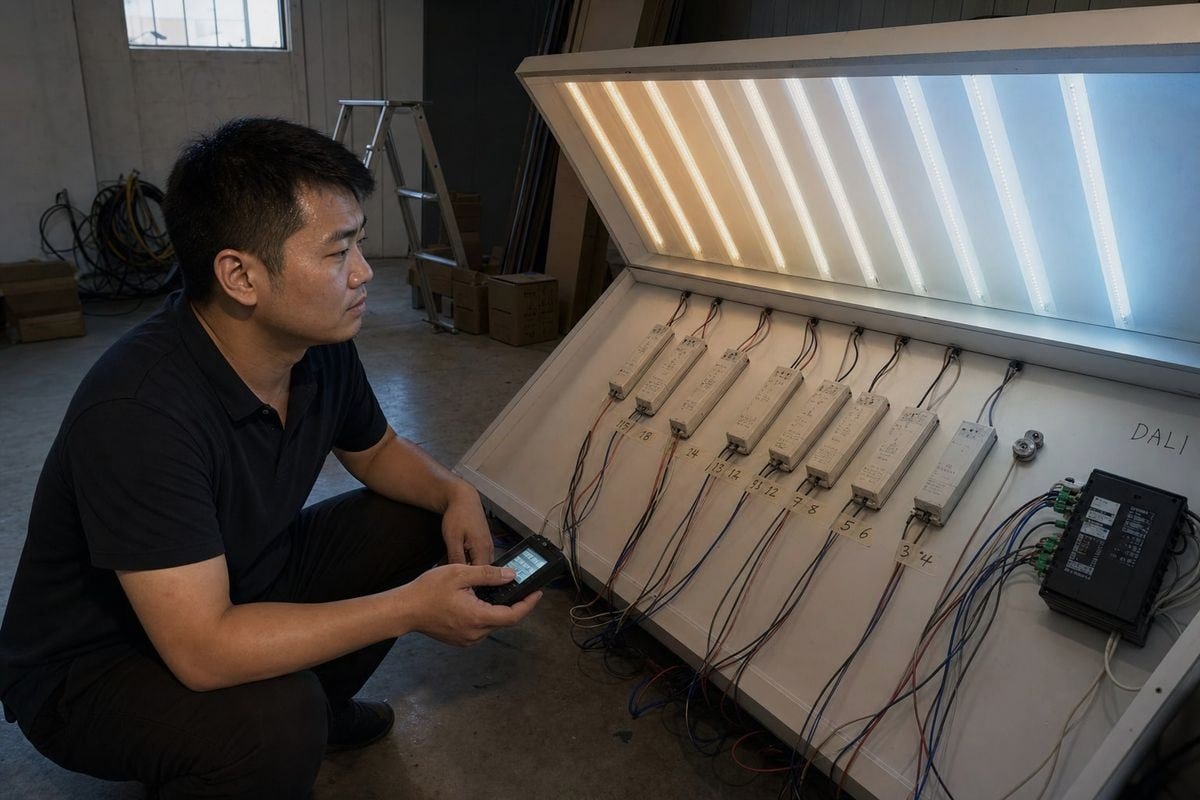
Los grandes proyectos magnifican los pequeños defectos. Un altavoz que parpadea en una muestra puede parecer mala suerte; doscientos en la instalación de un hotel pueden suponer una demanda judicial. Estos son los puntos débiles que sometemos a pruebas más rigurosas en nuestras propias líneas de producción, y aquellos sobre los que los importadores deberían exigir pruebas.
Lista de comprobación de calidad para pedidos al por mayor
| Problema de calidad | Cómo se ve en la página web | Cómo comprobarlo antes del envío |
|---|---|---|
| Parpadeo de baja frecuencia | Efecto estroboscópico visible por debajo del nivel de brillo 10% | Solicitar datos de pruebas de parpadeo; los controladores DALI-2 de gama alta se regulan de forma suave hasta niveles muy bajos |
| Variación entre unidades | Tiras de LED contiguas con distintos niveles de brillo | Solicita informes de muestreo por lotes al nivel de dimensión mínimo. |
| Desajuste de canal (DT8) | El ajuste de la temperatura de color parece irregular | Comprobar el equilibrio de salida de WW/CW en las unidades de muestra |
| Comportamiento al encender el dispositivo | Las luminarias parpadean a máxima intensidad cuando se restablece la red eléctrica | Confirmar los niveles programables de encendido y de fallo del sistema |
| Errores de sincronización del fundido | Las escenas se suceden a diferentes velocidades | Comprobar el cumplimiento del tiempo de atenuación DALI en un bus real |
| Reducción de potencia térmica | Los pilotos fallan al principio en los circuitos con techo cerrado | Comprueba la clasificación de potencia y la curva de reducción de potencia del punto TC |
Por qué la consistencia entre lotes es el verdadero factor diferenciador
Los controladores CV para la iluminación «tunable white» son especialmente sensibles al firmware. Si la fábrica actualiza de forma silenciosa el código de la MCU entre lotes, los tiempos de atenuación y las curvas de regulación pueden variar. En un proyecto por fases —por ejemplo, un edificio en el que se instalan las luces planta por planta a lo largo de seis meses—, esa variación se hace visible en los puntos donde se unen los lotes antiguos y los nuevos. Fijamos las versiones de firmware por pedido y las anotamos en nuestros registros de control de calidad, ya que el comportamiento irregular entre lotes es una de las quejas más habituales que nos transmiten los compradores respecto a proveedores anteriores.
Insiste también en que te faciliten por escrito un proceso de garantía claro antes de realizar el pago. Un problema habitual del que me hablan los compradores es que los proveedores prometen verbalmente una garantía de cinco años y luego rechazan todas las reclamaciones. Pregunta exactamente cómo se gestionan las unidades defectuosas: si se envían de recambio con el siguiente pedido, si se emite una nota de crédito o si hay que devolverlas para su reparación. La respuesta te dice mucho sobre la fábrica que hay detrás del altavoz.

Conclusión
La elección entre el DALI DT6 y el DT8 para controladores de CV se reduce a adaptar el protocolo a tus necesidades de control y, a continuación, comprobar la certificación, la compatibilidad y la calidad del lote antes de tomar una decisión definitiva.
La etiqueta de la ficha técnica es el punto de partida, no la respuesta. El DT6 ofrece una regulación de un solo canal de forma honesta y asequible. El DT8 permite el control de luz blanca regulable y la mezcla de colores RGBW con un direccionamiento eficiente. Pero la verdadera ingeniería reside en el interior del controlador: el algoritmo que asigna los comandos DALI a las salidas CV, el comportamiento del PWM, el rendimiento frente al parpadeo y la uniformidad del firmware entre lotes. He visto cómo algunos proyectos han tenido éxito porque un comprador hizo una pregunta adicional sobre los tipos de control del DT8, y he visto cómo otros se han estancado porque nadie comprobó el registro DALI-2. Si estás seleccionando controladores para tu próximo proyecto, prueba una muestra en tu propio bus, exige los informes de pruebas reales y obtén las condiciones de la garantía por escrito. Cuando trabajas con un proveedor que considera esos pasos como algo habitual y no negociable, la mayoría de los riesgos mencionados en este artículo simplemente desaparecen.
Notas al pie
- Descripción técnica de la estructura de direccionamiento y los límites de comunicación del protocolo DALI. ↩︎
- Registro oficial para la verificación de productos certificados según DALI-2, con el fin de garantizar la interoperabilidad y el cumplimiento del protocolo. ↩︎
- El organismo internacional de normalización encargado de definir los indicadores de rendimiento en los protocolos de control de la iluminación. ↩︎
- Explicación técnica oficial de las curvas de regulación DALI normalizadas y de la arquitectura del sistema. ↩︎