Skip to content










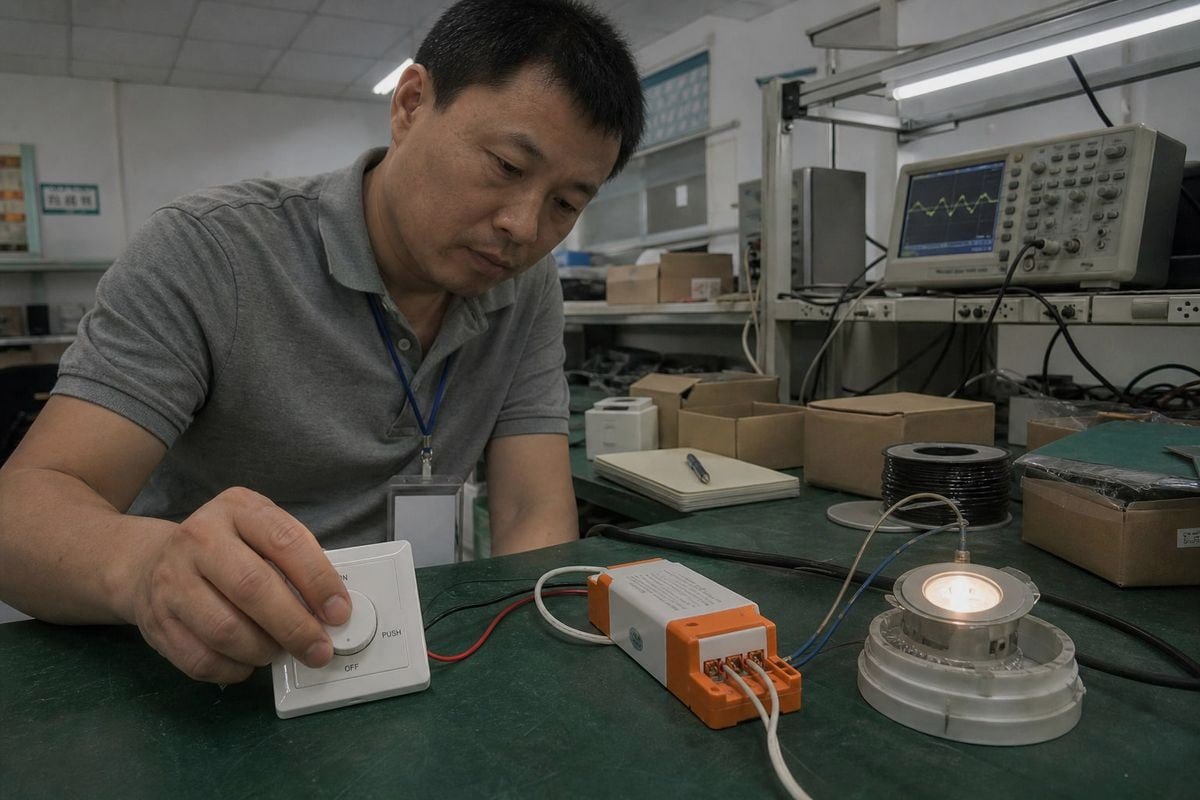
การจับคู่ TRIAC dimmers กับ CC drivers ดูเหมือนง่ายจนกว่าโปรเจกต์จะกะพริบที่หน้างาน ฉันเคยเห็นเหตุการณ์นี้เกิดขึ้นกับผู้ซื้อที่เชื่อป้าย “dimmable” สองอันอย่างไม่ลืมหูลืมตา.
ในการจับคู่ TRIAC dimmer กับ constant-current LED driver ให้เลือก CC driver ที่รองรับการตัดเฟสแบบ TRIAC phase-cut dimming จับคู่ประเภท leading- หรือ trailing-edge ของ dimmer แรงดันไฟฟ้า AC ขาเข้า ช่วงโหลด และกำลังไฟ ยืนยันกระแสและช่วง forward-voltage ของ LED จากนั้นตรวจสอบคู่ dimmer-driver ที่แน่นอนด้วยการทดสอบจริง.
คำตอบนั้นฟังดูกระชับ แต่ทุกประโยคในนั้นซ่อนโหมดความล้มเหลวไว้ ด้านล่างนี้ ฉันจะพาคุณผ่านการตรวจสอบแต่ละข้อ ตามลำดับที่ฉันใช้กับลูกค้าของเราเอง.
ฉันควรตรวจสอบอะไรก่อนจับคู่ไดม์เมอร์ TRIAC กับไดรเวอร์ CC?
ปีที่แล้ว วิศวกรฝ่ายจัดซื้อจากสิงคโปร์ส่งสเปก driver ที่ “TRIAC dimmable” จากซัพพลายเออร์รายอื่นมาให้ฉัน และถามว่าทำไม downlights ของเขากะพริบที่ความสว่าง 10% เอกสารข้อมูลไม่เคยบอกเขาเลย.
ก่อนจับคู่ ให้ตรวจสอบสิบสิ่ง: ช่วง forward-voltage ของ LED กระแส LED ที่ต้องการ แรงดันและความถี่ขาเข้าของ driver ความเข้ากันได้ของ leading- หรือ trailing-edge โหลดขั้นต่ำและสูงสุด ช่วงการปรับความสว่าง พฤติกรรมการสตาร์ท จำนวน drivers ต่อ dimmer โหลดที่รองรับ LED ของ dimmer และการทดสอบความเข้ากันได้จริง.

ข้อมูลเชิงลึกหลักที่ฉันมักแชร์ก่อนเสมอ: ความเข้ากันได้ของ TRIAC ไม่ได้ถูกกำหนดด้วยคำว่า “TRIAC” เพียงอย่างเดียว ปัญหาที่แท้จริงคือว่า รูปคลื่น AC ที่ถูกตัด 1 สามารถถูกตรวจจับและประมวลผลได้อย่างถูกต้องโดยขั้นตอนขาเข้าของ driver หรือไม่ ขณะที่รักษาการทำงานที่เสถียรที่โหลดที่ต้องการ Phase-cut dimming ตัดคลื่นไซน์ AC ไดรเวอร์ต้องอ่านรูปคลื่นที่ถูกตัดนั้นอย่างสะอาด ทุกครึ่งรอบ ทุกตำแหน่งการปรับความสว่าง.
เริ่มที่ฝั่งเอาต์พุต ไม่ใช่ฝั่งอินพุต
ผู้ซื้อหลายคนเริ่มที่ dimmer ฉันบอกให้พวกเขาเริ่มที่โหลด LED CC driver ควบคุมกระแส ดังนั้นกระแสเอาต์พุตของ driver ต้องเท่ากับกระแสที่กำหนดของ LED และ forward-voltage ของ LED ต้องอยู่ในช่วงแรงดันเอาต์พุตของ driver หากการจับคู่นี้ผิด ไม่มี dimmer ใดในโลกจะแก้ไขได้.
จากนั้นย้ายไปที่ฝั่งอินพุต
หลังจากที่เอาต์พุตตรงกันแล้ว ฉันจึงดูที่ฝั่ง AC นี่คือรายการตรวจสอบก่อนซื้อทั้งหมดที่ฉันให้กับตัวแทนจำหน่ายของเรา:
| # | รายการตรวจสอบ | เหตุผลที่สำคัญ |
|---|---|---|
| 1 | ช่วง forward-voltage ของ LED | ต้องอยู่ในช่วงเอาต์พุตของ driver |
| 2 | กระแส LED ที่ต้องการ | CC drivers ควบคุมกระแส ไม่ใช่แรงดัน |
| 3 | แรงดัน/ความถี่ขาเข้าของ driver | ความไม่ตรงกันของ 120V vs 230V vs 277V ทำให้การปรับความสว่างผิดปกติ |
| 4 | ขอบนำ vs ขอบตาม | ประเภทเฟสที่ผิดทำให้เกิดเสียงหึ่งและความเครียด |
| 5 | โหลดขั้นต่ำและสูงสุด | การโหลดน้อยเกินไปสำหรับ TRIAC ทำให้เกิดการกะพริบ |
| 6 | ช่วงการหรี่แสง | กำหนดความสว่างต่ำสุดที่ใช้งานได้ |
| 7 | พฤติกรรมการสตาร์ท | การสตาร์ทช้าหรือกะพริบทำให้ผู้ใช้ปลายทางรำคาญ |
| 8 | จำนวน drivers ต่อ dimmer | การสะสม กระแสพุ่งเข้า (Inrush Current) 2 จำกัดจำนวน |
| 9 | โหลดที่รองรับ LED ของ dimmer | มักต่ำกว่าค่าที่รองรับหลอดไส้มาก |
| 10 | การทดสอบความเข้ากันได้จริง | หลักฐานเดียวที่พิสูจน์ว่าคู่นั้นทำงาน |
คำเตือนหนึ่งที่ฉันให้กับลูกค้า B2B ทุกคน: อย่าจับคู่ driver กับ dimmer โดยอิงจากกำลังไฟเพียงอย่างเดียว โหลด LED 30 W ไม่ได้หมายความว่าคุณแค่ต้องใช้ “driver ที่รองรับ TRIAC 30 W” กำลังไฟเป็นเพียงหนึ่งบรรทัดจากสิบข้อ.
ฉันจะรู้ได้อย่างไรว่าไดรเวอร์ CC ของฉันเข้ากันได้กับดิมเมอร์ TRIAC ของฉัน?
เมื่อเราพัฒนา TRIAC dimmable driver ใหม่ที่โรงงานของเรา เราทดสอบบนโต๊ะกับ dimmer หลายสิบรุ่นก่อนวางจำหน่าย นิสัยนั้นมาจากบทเรียนที่ยากหนึ่งบท: เอกสารข้อมูลสัญญาได้ รูปคลื่นพิสูจน์ได้.
CC driver เข้ากันได้เมื่อเอกสารข้อมูลระบุอย่างชัดเจนว่ารองรับ TRIAC หรือ phase-cut dimming อินพุตตรงกับประเภทเฟสและแรงดันของ dimmer โหลดที่เชื่อมต่ออยู่ในช่วงที่รองรับ LED ของ dimmer และคู่ที่แน่นอนปรากฏในรายการความเข้ากันได้ที่ผ่านการทดสอบจากผู้ผลิตหรือผ่านการทดสอบบนโต๊ะ.
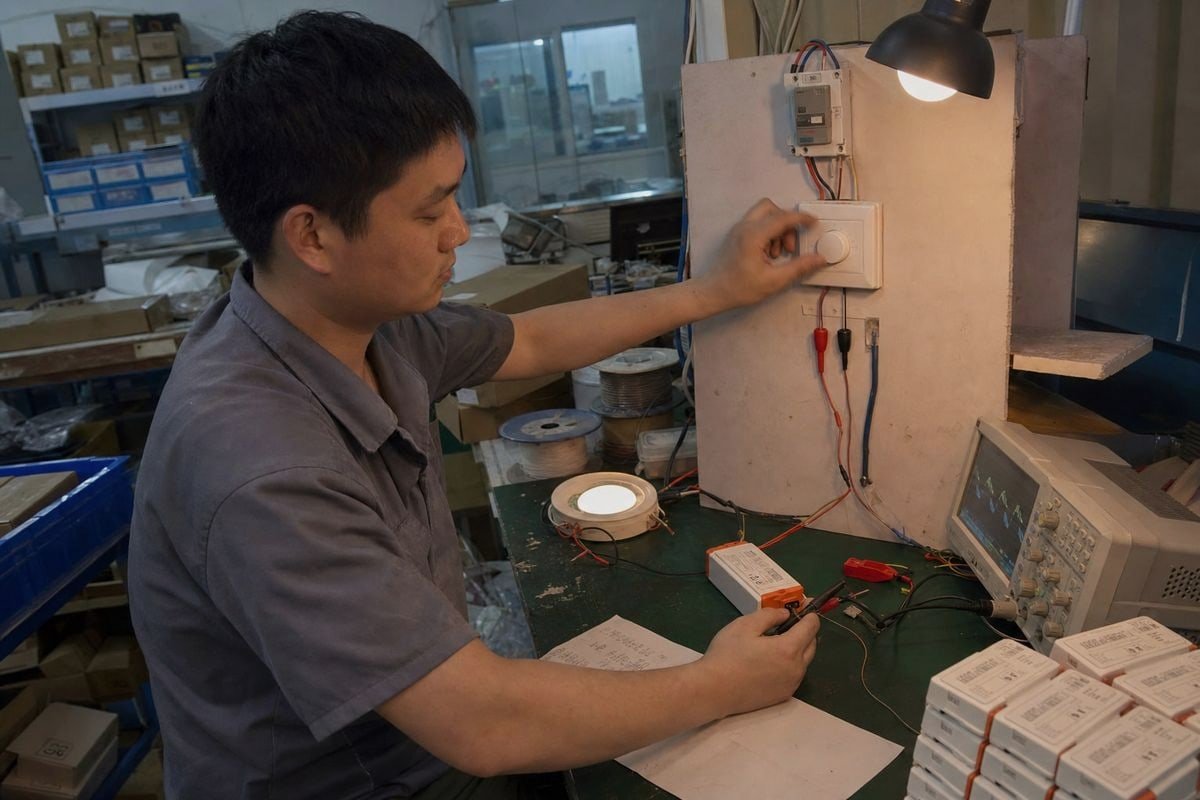
นี่คือกระบวนการตรวจสอบที่ฉันแนะนำ ตามลำดับที่แน่นอนที่เราใช้ในห้องปฏิบัติการของเราเอง.
กระบวนการตรวจสอบห้าขั้นตอน
- อ่านเอกสารข้อมูลของ driver. มองหาคำที่ชัดเจน: “TRIAC dimmable,” “phase-cut compatible,” “leading-edge compatible,” หรือ “forward phase” คำที่คลุมเครือเช่น “dimmable” เพียงอย่างเดียวเป็นสัญญาณอันตราย.
- อ่านเอกสารข้อมูลของ dimmer. ยืนยันว่ามีเครื่องหมาย “LED compatible” หรือ “universal phase-cut” และจดโหลด LED ขั้นต่ำและสูงสุด ไม่ใช่โหลดหลอดไส้.
- จับคู่ประเภทเฟส. Leading edge กับ trailing edge ไม่ใช่แค่การเลือกช่องทำเครื่องหมาย ไดม์เมอร์ TRIAC แบบ leading-edge ที่จับคู่กับไดรเวอร์ที่ปรับจูนสำหรับพฤติกรรมแบบ trailing-edge (ELV) อาจเกิดเสียงฮัม ความร้อนสูงเกิน และเสียหายก่อนเวลาอันควร.
- ตรวจสอบรายการความเข้ากันได้. ในการผลิตจริง ฉันเชื่อถือรายการความเข้ากันได้ของไดม์เมอร์ที่ผ่านการทดสอบจากผู้ผลิตมากกว่าวลี “TRIAC dimmable” ที่พิมพ์บนดาต้าชีตมาก โซ่ปฏิสัมพันธ์ทำงานตั้งแต่ไดม์เมอร์ → TRIAC → ตัวกรองอินพุต → วงจรเรียงกระแส → ตัวเก็บประจุหลัก → ไอซีควบคุม และอินพุตที่ถูกกรองอย่างหนักสามารถทำให้ไดรเวอร์ที่ “เข้ากันได้” ทำงานไม่ดีกับไดม์เมอร์บางรุ่น.
- ทดสอบบนโต๊ะหนึ่งหน่วยก่อน แล้วทดสอบภาคสนามเป็นชุดเล็ก. ปรับช่วงการหรี่แสงทั้งหมดอย่างช้าๆ สังเกตการกะพริบ ช่วงที่ไร้การตอบสนอง เสียงฮัม และการดับใกล้ช่วงล่างสุด.
สัญญาณของไดรเวอร์ที่รองรับ TRIAC-Dimmable ที่ออกแบบมาอย่างดี
ไดรเวอร์สมัยใหม่ใช้เทคนิคหลายอย่างเพื่อให้ทำงานร่วมกับไดม์เมอร์แบบ phase-cut ได้ดี ให้ความสำคัญกับไดรเวอร์ที่มีวงจร bleeder อัจฉริยะ ซึ่งดึงกระแสเพิ่มเติมเฉพาะที่ระดับการหรี่ต่ำเพื่อรักษาเสถียรภาพของ TRIAC ขณะที่รักษาค่าตัวประกอบกำลังสูงที่ความสว่างเต็มที่ Active damping เป็นอีกสัญญาณที่แข็งแกร่ง มันระงับการสั่นพ้องที่เกิดจากการสลับอย่างรวดเร็วของ TRIAC ซึ่งช่วยปรับปรุงประสิทธิภาพแบบไร้การกะพริบในพื้นที่ที่ต้องการสูง ในโครงการในอเมริกาเหนือ, การปฏิบัติตาม NEMA SSL 7A 3 เป็นเกณฑ์มาตรฐานที่มีประโยชน์ เพราะมันกำหนดว่าไดม์เมอร์แบบ phase-cut และไดรเวอร์ LED ควรทำงานร่วมกันอย่างไร ตรวจสอบเส้นโค้งการหรี่ด้วย: ความไม่ตรงกันระหว่างเส้นตรงกับลอการิทึมสร้าง “ช่วงไร้การตอบสนอง” ซึ่งการเลื่อนแถบเลื่อนไม่เปลี่ยนอะไรเลยในบางช่วง.
ทำไม TRIAC Dimmer ของฉันถึงกะพริบหรือไม่สามารถปรับความสว่างได้อย่างราบรื่นกับไดรเวอร์ CC?
ตัวแทนจำหน่ายในเวียดนามเคยโทรหาฉันด้วยความตื่นตระหนก: หนึ่งโคมต่อห้องหรี่ได้ปกติ แต่สามโคมกะพริบ ไดรเวอร์เดียวกัน ไดม์เมอร์เดียวกัน พฤติกรรมต่างกัน สาเหตุคือกระแส ไม่ใช่คุณภาพ.
การกะพริบมักเกิดขึ้นเพราะ TRIAC ไม่สามารถรักษากระแส holding กับโหลด LED ที่ใช้พลังงานต่ำ ตัวกรองอินพุตของไดรเวอร์บิดเบือนการตรวจจับมุมเฟส หรือกระแสไฟกระชากรบกวนการจุดชนวน อาการรวมถึงการกะพริบช่วงล่าง การดับแบบสุ่ม โซนการหรี่ที่ตาย เสียงฮัม และการดับ.
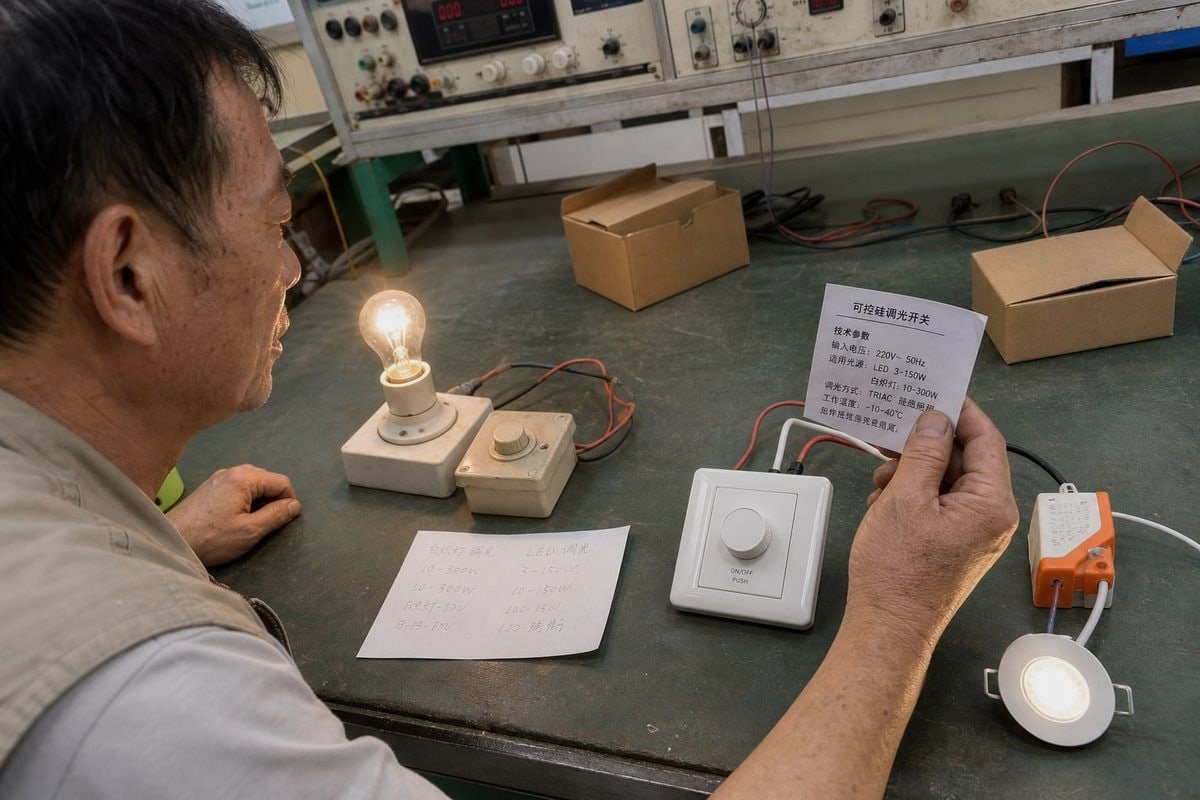
ไดม์เมอร์ TRIAC ถูกออกแบบมาสำหรับโหลดความต้านทาน เช่น หลอดไส้ ไดรเวอร์ LED นำเสนอคุณลักษณะอินพุตที่แตกต่างกันมาก ที่พลังงานต่ำ ไดรเวอร์อาจดึงกระแสไม่เพียงพอที่จะทำให้ TRIAC นำไฟฟ้าได้อย่างน่าเชื่อถือ โดยเฉพาะใกล้จุดเริ่มต้นของแต่ละครึ่งรอบ AC STMicroelectronics ระบุว่า TRIAC โดยทั่วไปต้องการ กระแส holding ประมาณ 30–50 mA 4 ระหว่างครึ่งรอบเพื่อคงสถานะล็อก หากการดึงกระแสของไดรเวอร์ต่ำกว่านั้น TRIAC จะจุดชนวนผิดพลาด และคุณจะเห็นการกะพริบหรือการกระพริบวาบ.
ปัญหาโหลดขั้นต่ำ อธิบายแล้ว
นี่คือปัญหาที่ซ่อนอยู่ซึ่งบทความทั่วไปส่วนใหญ่พลาด เมื่อโหลดเล็กเกินไป TRIAC จะปิดกลางรอบ ไดรเวอร์สูญเสียอินพุต รีเซ็ต และเริ่มใหม่ ซ้ำแล้วซ้ำเล่า นั่นคือการกะพริบของคุณ และนี่คือความแตกต่างในอุตสาหกรรมที่ผู้ซื้อหลายคนเข้าใจผิด: การเพิ่มวัตต์ LED ไม่ได้แก้ปัญหาความเข้ากันได้โดยอัตโนมัติ วงจรอินพุตของไดรเวอร์ พฤติกรรมกระแส holding ลำดับการสตาร์ท ตัวกรอง EMI ตัวเก็บประจุหลัก และกลยุทธ์การตรวจจับมุมเฟส ล้วนมีอิทธิพลต่อพฤติกรรมของไดม์เมอร์.
ตารางการแก้ปัญหาจากอาการไปหาสาเหตุ
| อาการ | สาเหตุที่น่าจะเป็นที่สุด | วิธีแก้ที่ใช้งานได้จริง |
|---|---|---|
| การกะพริบที่ความสว่างต่ำ | TRIAC สูญเสียกระแส holding | ใช้ไดรเวอร์ที่มีวงจร bleeder อัจฉริยะ |
| การดับแบบสุ่ม | โหลดต่ำกว่าข้อกำหนดโหลดขั้นต่ำของไดม์เมอร์ | เพิ่มโหลดหรือเปลี่ยนเป็นไดรเวอร์ที่ผ่านการทดสอบ |
| โซนตายในช่วงการเลื่อน | เส้นโค้งการหรี่ไม่ตรงกัน | ปรับ low-end trim; จับคู่เส้นโค้งเชิงเส้นกับลอการิทึม |
| มีเสียงหึ่งรบกวน | ประเภทเฟสไม่ตรงกันหรือการสั่นพ้อง | จับคู่ leading/trailing edge; เลือก active damping |
| พฤติกรรมต่างกันเมื่อจำนวนโคมเปลี่ยน | กระแสไฟกระชากสะสม | ลดพิกัดไดม์เมอร์; จำกัดจำนวนไดรเวอร์ต่อวงจร |
| แสงหลอนเมื่อปิด | กระแสรั่วผ่านไดม์เมอร์ | ตรวจสอบโหลดขั้นต่ำและการออกแบบ bleeder |
ทำไมจำนวนโคมเปลี่ยนทุกอย่าง
ตัวเก็บประจุหลักของไดรเวอร์แต่ละตัวชาร์จที่ช่วงเวลาที่ TRIAC เปิด กระแสไฟกระชากนั้นคูณด้วยไดรเวอร์สิบตัว จุดสูงสุดสามารถเชื่อมหน้าสัมผัสไดม์เมอร์ได้ แม้ว่าวัตต์รวมขณะทำงานจะต่ำ นี่คือเหตุผลที่จำนวนไดรเวอร์ต่อไดม์เมอร์อยู่ในรายการตรวจสอบของฉัน ปรับ low-end trim ของไดม์เมอร์ด้วยเมื่อมีให้ การปรับมุมนำไฟฟ้าขั้นต่ำที่เสถียรป้องกันไดรเวอร์ไม่ให้ดับที่ช่วงล่างสุดของการหรี่.
ชุด TRIAC Dimmer และ CC Driver แบบใดที่เหมาะกับโปรเจกต์ของฉันที่สุด?
วิศวกรของเราเผชิญการแลกเปลี่ยนอย่างต่อเนื่องเมื่อเราออกแบบส่วนหน้าของไดรเวอร์: ตัวกรอง EMI ที่แข็งแกร่งขึ้นช่วยลดสัญญาณรบกวนไฟฟ้า แต่มันสามารถเบลอรูปคลื่นที่ถูกตัดซึ่งไดรเวอร์ต้องอ่าน การเลือกโครงการเผชิญความตึงเครียดเดียวกัน.
ชุดค่าผสมที่ดีที่สุดคือไดรเวอร์ CC จากตระกูลที่มีรายการความเข้ากันได้ของไดม์เมอร์ที่เผยแพร่ จับคู่กับไดม์เมอร์ TRIAC แบบหมุนที่เข้ากันซึ่งโหลดที่รองรับ LED ครอบคลุมจำนวนไดรเวอร์ทั้งหมดของคุณด้วยส่วนต่าง 10–20% และยืนยันด้วยการติดตั้งนำร่องขนาดเล็กก่อนการใช้งานเต็มรูปแบบ.
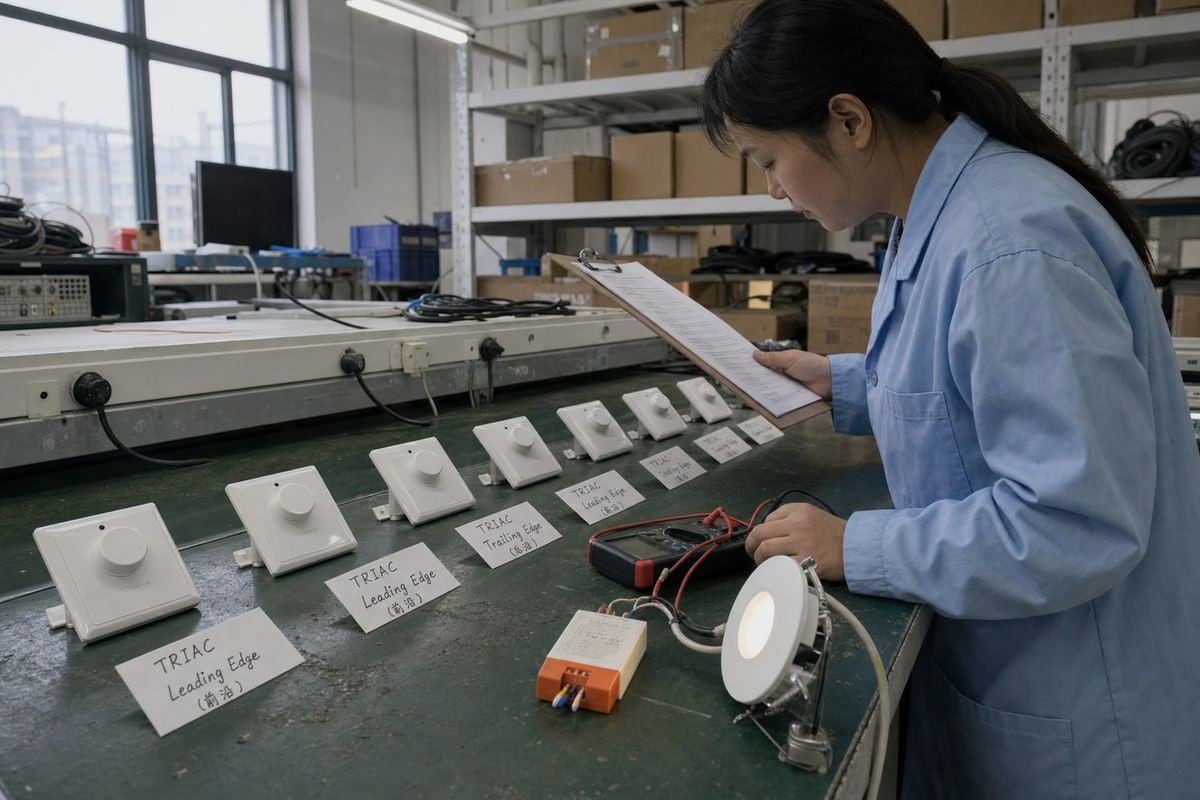
โครงการที่ต่างกันต้องการการจับคู่ที่ต่างกัน นี่คือวิธีที่ฉันอธิบายให้ผู้ซื้อที่สั่งซื้อจากเราเพื่องานวิศวกรรมอาคารทั่วเอเชียตะวันออกเฉียงใต้และยุโรป.
| ประเภทโครงการ | การจับคู่ที่แนะนำ | สเปกหลักที่ต้องสังเกต |
|---|---|---|
| การปรับปรุงโรงแรม, สวิตช์หรี่ไฟติดผนังแบบเดิม | ไดรเวอร์ CC แบบ universal phase-cut | ช่วงการหรี่ไฟลึก, ความเสถียรที่ระดับต่ำ |
| ดาวน์ไลท์ที่อยู่อาศัยใหม่ | โรตารี TRIAC dimmer + ไดรเวอร์ CC ที่ผ่านการทดสอบ | โหลดที่รองรับ LED ของสวิตช์หรี่ไฟ |
| เชิงพาณิชย์ขนาดเล็ก, วงจรน้อย | Trailing-edge dimmer + ไดรเวอร์ที่เข้ากันได้ | ระดับต่ำราบรื่น, ทำงานเงียบ |
| เชิงพาณิชย์ขนาดใหญ่, วงจรจำนวนมาก | พิจารณา 0-10V หรือ DALI แทน | ความสามารถในการขยายและควบคุมแบบรวมศูนย์ |
เมื่อใด TRIAC คือทางเลือกที่ถูกต้อง
ผู้ซื้อบางรายโต้แย้งว่าฉลาก “TRIAC-dimmable” ก็เพียงพอสำหรับโครงการทั่วไป สำหรับโคมไฟจำนวนไม่กี่ดวงบนสวิตช์หรี่ไฟติดผนังหนึ่งตัว มุมมองนั้นมักใช้ได้ผล แต่ผมยึดจุดยืนทางวิศวกรรมแบบอนุรักษ์นิยม: เฉพาะความเข้ากันได้ที่ผ่านการทดสอบระหว่างรุ่นสวิตช์หรี่ไฟที่แน่นอนกับรุ่นไดรเวอร์ที่แน่นอนเท่านั้นที่น่าเชื่อถือ เพราะต้นทุนของการเรียกช่างกลับมาที่หน้างานนั้นมากกว่าต้นทุนของการทดสอบนำร่องอย่างมหาศาล TRIAC ยังคงเป็นเส้นทางการปรับปรุงที่คุ้มค่า ผู้ใช้ปลายทางยังคงใช้แผงผนังที่คุ้นเคย เช่น โรตารี dimmer แบบเงามันกะทัดรัดพร้อมปุ่มกดเปิด/ปิดที่เราจัดส่งอย่างแพร่หลาย และช่างติดตั้งหลีกเลี่ยงการเดินสายควบคุมใหม่.
เมื่อใดควรยกระดับไปใช้โปรโตคอลอื่น
ตลาดกำลังเปลี่ยนไปสู่ไดรเวอร์แบบ universal phase-cut และฉลากความเข้ากันได้แบบไฮบริด เพราะลูกค้ายังคงใช้สวิตช์หรี่ไฟแบบเดิมแต่คาดหวังประสิทธิภาพระดับ LED อย่างไรก็ตาม สำหรับการติดตั้งขนาดใหญ่, 0-10V หรือ DALI มีความทนทานมากกว่า. DALI ให้ การกำหนดแอดเดรสดิจิทัล 5; ไดรเวอร์หลายตัวใช้การมอดูเลตความกว้างพัลส์หรือการหรี่ไฟแบบไฮบริดที่ด้านเอาต์พุตเพื่อไปถึงระดับที่ต่ำมากอย่างราบรื่น หากโครงการของคุณมีวงจรหลายสิบวงจร ฉากการหรี่ไฟยาวนาน หรือข้อกำหนดเรื่องการกะพริบที่เข้มงวด การหรี่ไฟแบบ phase-cut เป็นเครื่องมือที่ผิด เมื่อความเข้ากันได้ยังคงไม่แน่นอนหลังการทดสอบ การเปลี่ยนประเภทสวิตช์หรี่ไฟหรือตระกูลไดรเวอร์เป็นวิธีแก้ที่เชื่อถือได้มากกว่าการพยายาม “ปรับจูน” คู่ที่ไม่เข้ากัน นอกจากนี้ให้ใช้กฎการซื้อโดยเผื่อโหลด 10–20% บนสวิตช์หรี่ไฟ และยืนยันการรับรองเช่นเครื่องหมาย CE และ SELV สำหรับตลาดเป้าหมายของคุณ.

บทสรุป
จับคู่ TRIAC dimmer กับไดรเวอร์ CC ด้วยคู่ที่ผ่านการตรวจสอบ ไม่ใช่ฉลาก ตรวจสอบประเภทเฟส ช่วงโหลด กระแส holding และแรงดันไปข้างหน้า จากนั้นทดสอบ ระเบียบวินัยนั้นป้องกันการกะพริบและการเรียกช่างกลับมาที่มีค่าใช้จ่ายสูง.
เชิงอรรถ
- คำอธิบายทางเทคนิคว่าสวิตช์หรี่ไฟตัดรูปคลื่น AC เพื่อควบคุมกำลังไฟอย่างไร. ↩︎
- คำจำกัดความทางเทคนิคของกระแสเริ่มต้นสูงที่โหลดไฟฟ้าเช่นไดรเวอร์ LED ดึงออกมา. ↩︎
- มาตรฐานอุตสาหกรรมอย่างเป็นทางการสำหรับรับรองความเข้ากันได้ระหว่างสวิตช์หรี่ไฟแบบ phase-cut และไดรเวอร์ LED. ↩︎
- ข้อมูลจำเพาะทางเทคนิคสำหรับชิ้นส่วน TRIAC และข้อกำหนดการทำงานเช่นกระแส holding. ↩︎
- แหล่งข้อมูลอย่างเป็นทางการสำหรับโปรโตคอล DALI ซึ่งใช้การกำหนดแอดเดรสดิจิทัลสำหรับการควบคุมแสงสว่าง. ↩︎