Skip to content










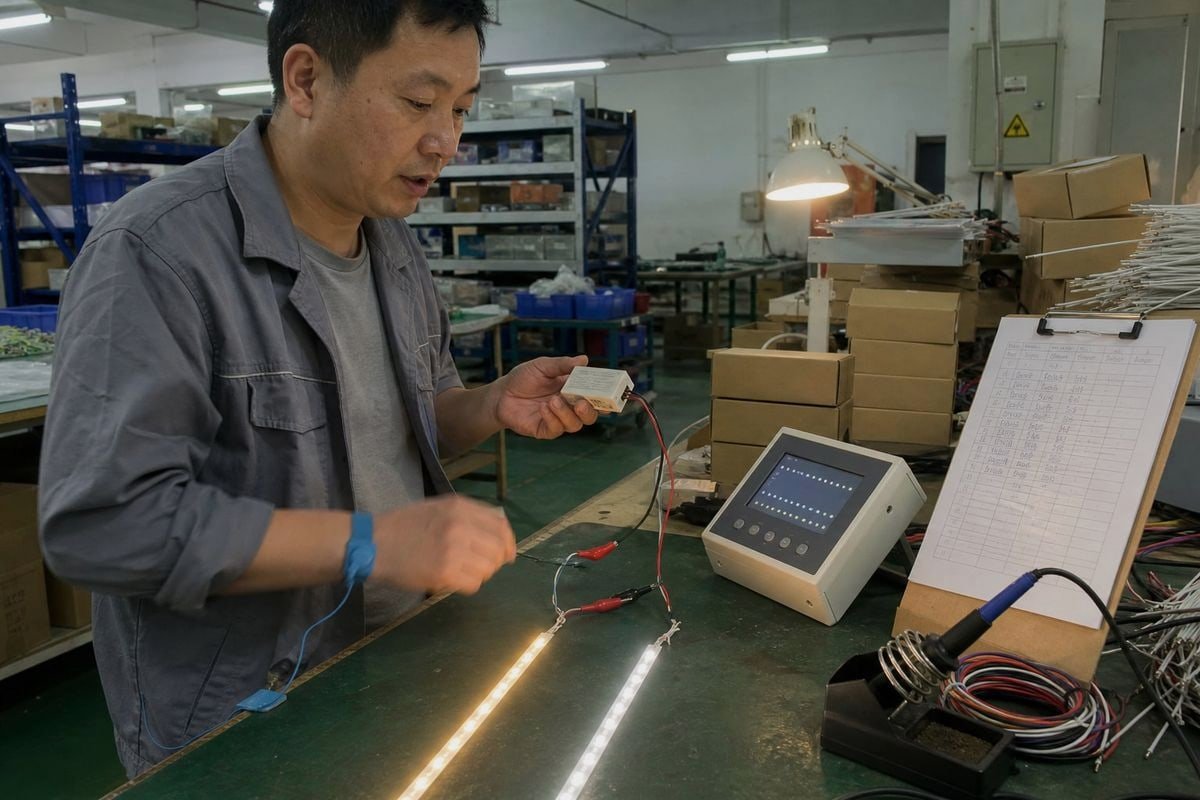
ผู้ซื้อมักถามผมว่า DT8 มีความสำคัญกับไดรเวอร์ CC สำหรับไวท์ปรับอุณหภูมิสีได้ [CC driver](https://bo-qi.com/?p=6211) หรือไม่ เลือกผิด บัส DALI ของคุณจะเต็ม การตั้งค่าระบบจะลากยาว และฉาก CCT จะพังทลาย บนสายการผลิตของเรา เราแก้ปัญหานี้ด้วยวิธีที่ยากลำบาก.
ใช่ DT8 มีความเกี่ยวข้องอย่างมากสำหรับไดรเวอร์ CC แบบไวท์ที่ปรับได้ DT8 เป็นประเภทอุปกรณ์ DALI-2 สำหรับการควบคุมสี และ CC หมายถึงเอาต์พุตกระแสคงที่ ด้วยประเภทสี Tc DT8 ช่วยให้ที่อยู่สั้น DALI หนึ่งตัวปรับความสว่างและอุณหภูมิสีที่สัมพันธ์กัน ในขณะที่ไดรเวอร์ประสานงานช่องไวท์อุ่นและไวท์เย็น.
นั่นคือคำตอบสั้นๆ ตอนนี้ให้ผมขยายความว่า DT8 ทำอะไรจริงๆ เมื่อไหร่ที่ข้ามได้ วิธีตรวจสอบความเข้ากันได้ของคอนโทรลเลอร์ และจะเกิดอะไรขึ้นถ้าคุณเพิกเฉย.
DT8 แท้จริงแล้วหมายถึงอะไรสำหรับโปรเจกต์ไวท์แบบปรับได้ของฉัน?
ระหว่างการตรวจสอบเฟิร์มแวร์เมื่อปีที่แล้ว วิศวกรของเราจับประเด็นเล็กๆ ได้: สเปก DALI กำหนดโมเดลควบคุม แต่ไดรเวอร์ของเราใช้การผสมช่องสัญญาณ ความแตกต่างนี้กำหนดทุกอย่างด้านล่าง.
DT8 คือประเภทอุปกรณ์ DALI ที่กำหนดไว้ใน IEC 62386-209 สำหรับการควบคุมสี สำหรับแสงขาวที่ปรับได้ จะใช้ประเภทสี Tc ซึ่งช่วยให้ระบบควบคุมแสงส่งค่าอุณหภูมิสีแบบสัมบูรณ์ในหน่วยเคลวิน จากนั้นไดรเวอร์จะแปลงค่าที่ตั้งไว้นั้นเป็นกระแสของช่องแสงอุ่นและแสงเย็นภายใน.
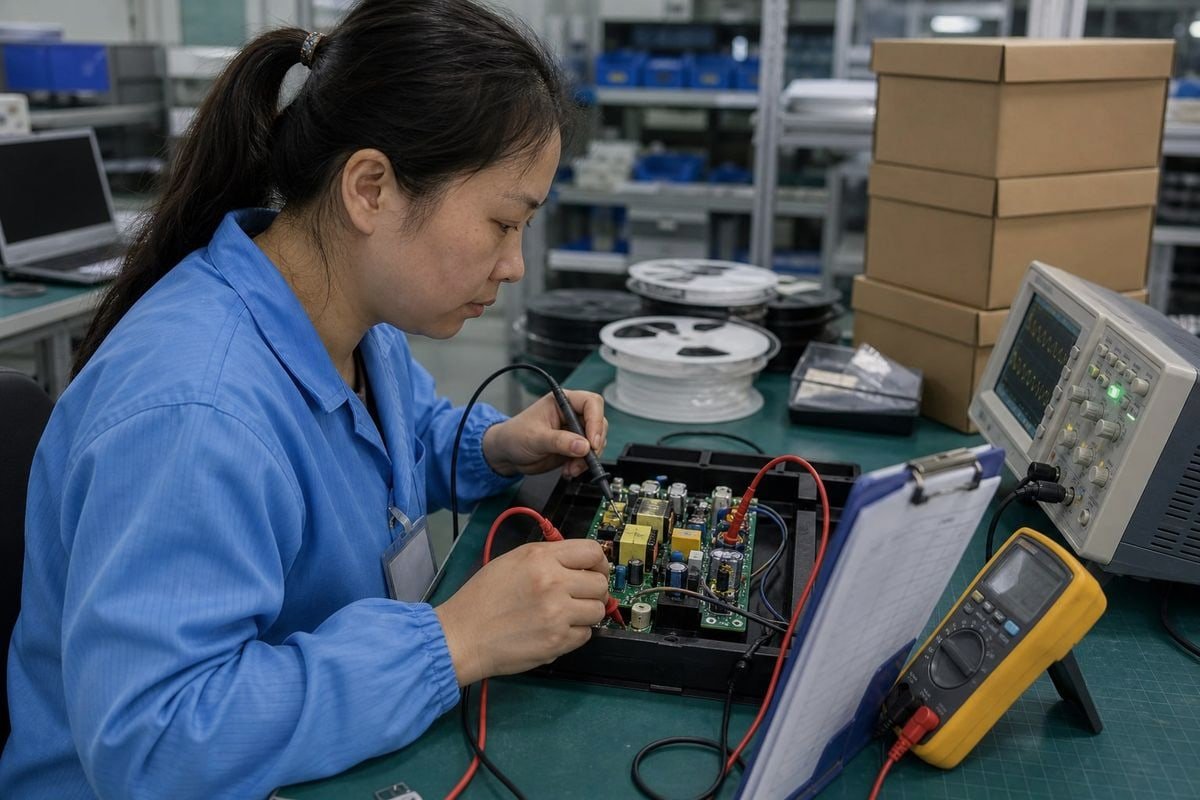
ให้ผมพูดให้ชัดเจนตรงนี้ เพราะผมเห็นภาษาที่เลอะเทอะมากมายในเอกสารข้อมูล DT8 เองไม่ได้ “จัดการเอาต์พุต LED สองช่อง” DT8 กำหนด โมเดลการควบคุมอุณหภูมิสีแบบประสานงาน 1 ไดรเวอร์ CC เฉพาะที่คุณซื้อคือสิ่งที่ดำเนินการโมเดลนั้นผ่านเอาต์พุต LED หลายช่องของมัน เมื่อเราพัฒนาไดรเวอร์ CC ไวท์ปรับอุณหภูมิสีได้แบบ DT8 ที่โรงงานของเรา ความพยายามทางวิศวกรรมส่วนใหญ่ไปที่เลเยอร์การแปลงนั้น ไม่ใช่โปรโตคอลเอง.
คำศัพท์หลัก อธิบายให้กระจ่าง
ผู้ซื้อสับสนคำเหล่านี้ตลอดเวลา ดังนั้นนี่คือการแยกแยะที่ชัดเจน:
| คำศัพท์ | ความหมายที่แท้จริง |
|---|---|
| DT8 | ประเภทอุปกรณ์ DALI-2 สำหรับการควบคุมสี ตามมาตรฐาน IEC 62386-209 |
| Tc | ประเภทสี DT8 ที่ใช้สำหรับไวท์ปรับอุณหภูมิสีได้ / การควบคุม CCT |
| CC | สถาปัตยกรรมเอาต์พุตกระแสคงที่ที่ฝั่ง LED ของไดรเวอร์ |
| ช่องวอร์ม + คูล | เอาต์พุต LED ทางกายภาพที่ผสมกันเพื่อสร้างช่วง CCT |
| แอดเดรสสั้นเดียว | ข้อได้เปรียบเชิงปฏิบัติ: แอดเดรสเดียวควบคุมทั้งระดับและสี |
ทำไมแอดเดรสเดียวเปลี่ยนสมการ
ลูป DALI จำกัดที่ 64 แอดเดรสสั้น ด้วย DALI อุปกรณ์ประเภท 6, ฟิกซ์เจอร์ไวท์ปรับอุณหภูมิสีได้สองช่องสัญญาณมักใช้สองแอดเดรส ด้วย DT8 ใช้แอดเดรสเดียว บนพื้นที่สำนักงานขนาดใหญ่ นั่นเท่ากับเพิ่มความจุฟิกซ์เจอร์ต่อบัสเป็นสองเท่า ยังหมายความว่าการเปลี่ยนแปลงความสว่างและ CCT เดินทางเป็นคำสั่งเดียวที่รวมกัน ดังนั้นฟิกซ์เจอร์ที่จัดกลุ่มจะเลื่อนพร้อมกันโดยไม่มีเอฟเฟกต์ “ป๊อปคอร์น” ที่คุณเห็นเมื่อสองช่องที่แอดเดรสแยกกันอัปเดตในเวลาที่ต่างกันเล็กน้อย.
นี่คือเหตุผลที่ DT8 กลายเป็นรากฐานของ Human Centric Lighting ตารางแสงจังหวะชีวภาพต้องกวาด CCT อย่างราบรื่นข้ามฟิกซ์เจอร์หลายสิบตัวพร้อมกัน DT8 ทำให้เป็นคำสั่งมาตรฐาน ไม่ใช่แฮกแบบกำหนดเอง.
ผมต้องรองรับ DT8 ไหมถ้าใช้เฉพาะไดรเวอร์กระแสคงที่?
ตัวแทนจำหน่ายในสิงคโปร์เคยถามคำถามนี้กับผมทาง WhatsApp แน่ใจว่า “CC” และ “DT8” เป็นตัวเลือกที่แข่งขันกัน พวกมันไม่ใช่ อันหนึ่งเป็นไฟฟ้า อีกอันเป็นโปรโตคอล.
ใช่ หากไดรเวอร์ CC รองรับสีขาวปรับได้ การรองรับ DT8 มักจะคุ้มค่า กระแสคงที่อธิบายวิธีที่ไดรเวอร์จ่ายไฟให้กับชุด LED; DT8 อธิบายวิธีควบคุม ไดรเวอร์ CC แบบ DT8 รวมเอาต์พุตกระแสที่ควบคุมได้เข้ากับการควบคุม CCT แบบที่อยู่เดียวที่ได้มาตรฐาน.
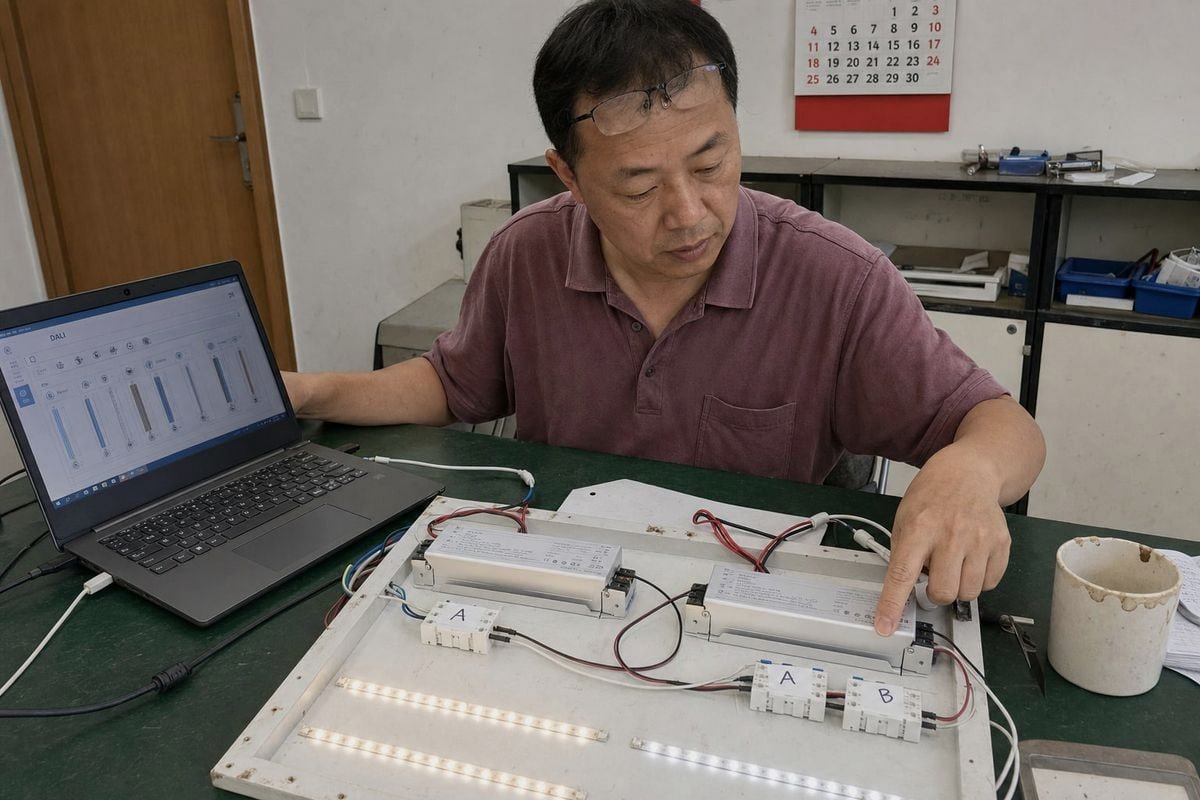
กระแสคงที่ มีความสำคัญเพราะเอ็นจินแสงไวท์ปรับอุณหภูมิสีได้ส่วนใหญ่ใช้สาย LED แบบอนุกรมที่ต้องการกระแสที่ควบคุม ไม่ใช่แรงดันคงที่ DT8 อยู่เหนือสถาปัตยกรรมไฟฟ้านั้น ดังนั้นคำถามจริงไม่ใช่ “CC หรือ DT8” แต่เป็น “DT8 หรือ DT6 บนไดรเวอร์ CC ของผม” นี่คือวิธีที่ผมวางกรอบให้กับบริษัทวิศวกรรมที่เราจัดหาให้:
| ปัจจัย | DT8 (Tc) | DALI อุปกรณ์ประเภท 6 |
|---|---|---|
| แอดเดรสต่อฟิกซ์เจอร์ไวท์ปรับอุณหภูมิสีได้ | แอดเดรสสั้นเดียว | โดยทั่วไปสอง |
| การผสมสี | ภายในไดรเวอร์ | ในตรรกะคอนโทรลเลอร์ |
| คำสั่ง CCT | ค่าเคลวินสัมบูรณ์ | คำสั่งระดับสองคำสั่งแยกกัน |
| ความพยายามในการตั้งค่าระบบ | ต่ำกว่า | สูงกว่า ต้องจับคู่ช่องสัญญาณ |
| การรองรับ DALI-1 แบบเดิม | จำกัด | กว้าง |
| เหมาะสมที่สุด | HCL, ฉากแสงขาวไดนามิก | การหรี่แสงแบบง่าย, ระบบรุ่นเก่า |
เมื่อใดที่ DT6 ยังคงสมเหตุสมผล
ฉันจะพูดตรงๆ เกี่ยวกับข้อแลกเปลี่ยน หากโปรเจกต์ของคุณต้องการเพียงการหรี่แสงพื้นฐาน หรือตัวควบคุมของคุณเป็นรุ่นเก่าที่รองรับแค่ DT6 การบังคับใช้ DT8 ก็ไม่ให้ประโยชน์อะไร นั่นคือเหตุผลที่ไดรเวอร์ LED หลายช่องสัญญาณของเราหลายรุ่นมาพร้อมโหมดจำลอง DT6 ฮาร์ดแวร์เดียวกันนี้สามารถกำหนดค่าใหม่เป็นที่อยู่ DALI แยกสองที่อยู่เพื่อให้เข้ากันได้กับตัวควบคุม DALI-1 รุ่นเก่า คุณเก็บสต็อกสินค้าเพียงรายการเดียวและครอบคลุมโปรเจกต์ทั้งสองประเภท.
มุมมองด้านต้นทุนที่ซ่อนอยู่
DT8 ยังลดฮาร์ดแวร์ลงด้วย คุณไม่จำเป็นต้องใช้ไดรเวอร์แบบสองที่อยู่หรือโมดูลควบคุมสีภายนอกในตู้ควบคุม สำหรับโรงงานผลิตแสงสว่างที่เราทำงานด้วยในเวียดนามและไทย สิ่งนี้ช่วยประหยัดพื้นที่ในตู้และลดรายการวัสดุในทุกโคมไฟที่ปรับสีได้ ชิ้นส่วนที่น้อยลงยังหมายถึงข้อผิดพลาดในการติดตั้งที่ลดลงในหน้างาน.
ฉันจะทราบได้อย่างไรว่าคอนโทรลเลอร์ DALI ของฉันรองรับ DT8 หรือไม่?
บทเรียนหนึ่งที่ฉันเรียนรู้ตั้งแต่เนิ่นๆ ในการส่งออกไปเยอรมนีและอังกฤษ: อย่าเชื่อคำว่า “DALI” เพียงคำเดียวบนเอกสารข้อมูลตัวควบคุม คำเดียวนี้ก่อให้เกิดความล่าช้าในหน้างานมากกว่าข้อผิดพลาดด้านสายไฟที่ฉันเคยเห็นทั้งหมด.
ตรวจสอบเอกสารข้อมูลคอนโทรลเลอร์เพื่อดูการรองรับ DT8 หรือ IEC 62386-209 อย่างชัดเจน มองหาการรับรอง DALI-2 ที่ระบุการควบคุมสี และยืนยันว่าซอฟต์แวร์มีคำสั่งแบบ Tc หรือเคลวิน หากอินเทอร์เฟซแสดงเพียงแถบเลื่อนเปอร์เซ็นต์สองช่อง ก็มีแนวโน้มว่าเป็น DT6 เท่านั้น.
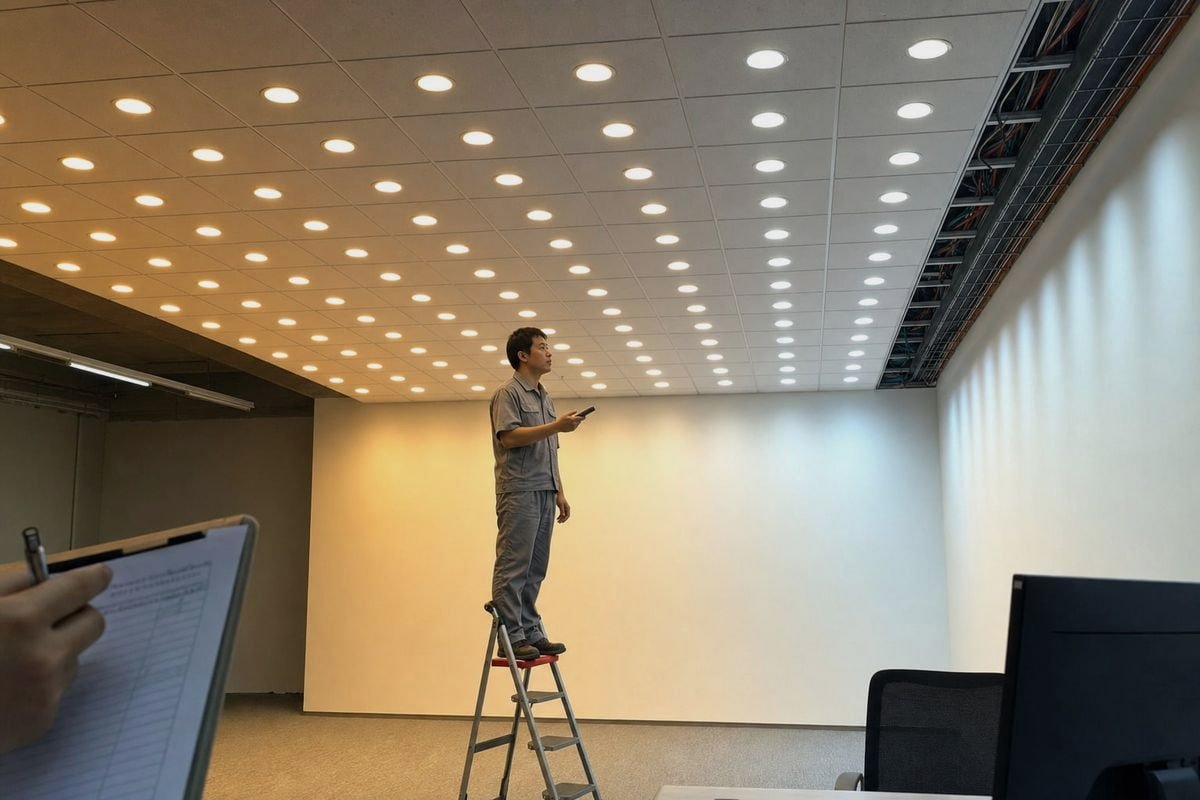
ความเข้ากันได้เป็นคำถามเชิงระบบนิเวศ ไดรเวอร์ DT8 จะให้ข้อดีก็ต่อเมื่อตัวควบคุม เกตเวย์ และซอฟต์แวร์ติดตั้งตั้งค่าทั้งหมดเข้าใจคำสั่งควบคุมสีเดียวกัน นี่คือกระบวนการตรวจสอบที่ฉันแนะนำลูกค้าของเราก่อนสั่งซื้อโปรเจกต์:
- อ่านรายละเอียดเล็กน้อย ไม่ใช่แค่หัวข้อใหญ่. ค้นหาในเอกสารตัวควบคุมสำหรับ “DT8,” “device type 8,” “Tc,” หรือ “IEC 62386-209” การอ้างว่า “เข้ากันได้กับ DALI” แบบทั่วไปไม่เพียงพอ.
- ตรวจสอบฐานข้อมูลการรับรอง DALI-2. ผลิตภัณฑ์ที่ได้รับการรับรอง DALI-2 2 แสดงประเภทอุปกรณ์ที่รองรับ หากไม่มี DT8 อยู่ในรายการ ให้ถือว่าไม่มี.
- ตรวจสอบซอฟต์แวร์ติดตั้งตั้งค่า. การรองรับ DT8 ของแท้จะแสดงช่องอุณหภูมิสีหรือ CCT ระหว่างการตั้งค่าไดรเวอร์ LED หากคุณเห็นเพียงแถบเลื่อนช่อง A และช่อง B ระบบกำลังปฏิบัติกับโคมไฟของคุณเป็น DT6.
- ตรวจสอบชั้นเกตเวย์. ในการเชื่อมต่อระบบ BMS เกตเวย์ KNX หรือ BACnet 3 ต้องส่งผ่านคำสั่งอุณหภูมิสี เกตเวย์รุ่นเก่าบางรุ่นตัดคำสั่งเหล่านี้ออก.
- ทดสอบบนโต๊ะก่อนการติดตั้งจริง. เรามักแนะนำการทดสอบแนวคิดด้วยโคมไฟหนึ่งดวง ทีมสนับสนุนเทคนิคของเรามักเข้าร่วมการทดสอบระยะไกลเหล่านี้กับลูกค้าในออสเตรเลียและอิตาลี เพราะการตรวจสอบบนโต๊ะสามสิบนาทีดีกว่าการแก้ไขในหน้างานหนึ่งสัปดาห์.
ความสามารถในการทำงานร่วมกันเป็นจุดแข็งที่เงียบของ DT8 เพราะไดรเวอร์แปลงค่าตั้งเป้าหมายสัมบูรณ์ที่เข้ามาเป็นกระแสช่องสัญญาณที่ถูกต้อง คุณจึงสามารถผสมโคมไฟขาวปรับสีได้จากหลายผู้ผลิตบนเครือข่ายเดียวและยังได้พฤติกรรม CCT ที่สม่ำเสมอ อย่างไรก็ตาม สิ่งนี้จะทำงานได้ก็ต่อเมื่อทุกอุปกรณ์ในสายโซ่พูดมาตรฐาน DALI-2 อย่างแท้จริง.
การข้ามการปฏิบัติตาม DT8 จะก่อให้เกิดปัญหาในการติดตั้งระบบแสงสว่างของฉันหรือไม่?
การชั่งน้ำหนักระหว่างต้นทุนกับความเสี่ยงคืองานประจำวันของฉันในการเสนอราคาโปรเจกต์ การข้าม DT8 ไม่ค่อยล้มเหลวในวันแรก มันล้มเหลวในปีที่สอง เมื่อลูกค้าขอการจัดตารางแสงตามจังหวะชีวภาพ.
การข้าม DT8 อาจก่อให้เกิดปัญหาจริงในการติดตั้งไฟสีขาวที่ปรับได้: การใช้ที่อยู่เพิ่มขึ้นเป็นสองเท่าบนบัส DALI ที่มี 64 ที่อยู่, การเปลี่ยนสีที่ไม่สอดคล้องกัน, การติดตั้งระบบที่ยากขึ้น, และไม่มีเส้นทางมาตรฐานสู่ระบบแสงสว่างที่เน้นมนุษย์เป็นศูนย์กลาง อย่างไรก็ตาม สำหรับโครงการไฟสีขาวคงที่หรือการปรับความสว่างพื้นฐาน การข้าม DT8 นั้นไม่เป็นอันตราย.
ให้ฉันแจกแจงความเสี่ยงตามประเภทโปรเจกต์ เพราะคำว่า “แล้วแต่” ไร้ประโยชน์หากไม่มีรายละเอียด:
| สถานการณ์โปรเจกต์ | ความเสี่ยงจากการข้าม DT8 | เหตุผล |
|---|---|---|
| สำนักงานขนาดใหญ่ที่มีการจัดตาราง HCL | สูง | พูลที่อยู่ลดลงครึ่งหนึ่ง การกวาด CCT หลุดการซิงค์ระหว่างกลุ่ม |
| ค้าปลีกหรือโรงแรมที่มีฉากแสงขาวไดนามิก | สูง | การเรียกคืนฉากต้องใช้คำสั่งรวมระดับและ CCT |
| ห้องไฟขาวปรับสีได้ขนาดเล็ก ตัวควบคุมเดียว | ปานกลาง | ใช้งานได้กับ DT6 แต่การตั้งค่าใช้เวลานานกว่า |
| ไฟขาวคงที่ หรี่แสงอย่างเดียว | ต่ำ | DT8 ไม่เพิ่มอะไร DT6 หรือ 0-10V ก็เพียงพอ |
ปัญหาที่เกิดขึ้นจริงในหน้างาน
อย่างแรก ที่อยู่หมด พื้นที่ 64 ที่อยู่ต่อลูปจะรองรับโคมไฟปรับสีได้ประมาณ 32 ดวงเมื่อใช้สองที่อยู่ต่อโคมไฟ โปรเจกต์เติบโตขึ้น และการแบ่งส่วนบัสใหม่หลังส่งมอบเป็นเรื่องยาก อย่างที่สอง การประสานงาน เมื่อแยกช่องสัญญาณตามที่อยู่ การอัปเดตความสว่างและ CCT จะมาเป็นคำสั่งแยกกัน ซึ่งทำให้เห็นการกระตุกระหว่างการเปลี่ยน อย่างที่สาม การเตรียมพร้อมสำหรับอนาคต ระบบแสงตามจังหวะชีวภาพและ ฟีเจอร์แสงที่เน้นมนุษย์เป็นศูนย์กลาง 4 ถูกระบุบ่อยขึ้นในประกวดราคายุโรปที่เราเสนอราคา การติดตั้ง DT8 ทีหลังหมายถึงการเปลี่ยนไดรเวอร์ ไม่ใช่แค่ซอฟต์แวร์.
สิ่งที่การปฏิบัติตามข้อกำหนดเพียงอย่างเดียวไม่สามารถแก้ไขได้
นี่คือข้อโต้แย้งที่ฉันเคารพ: ฉลาก DT8 ไม่รับประกันคุณภาพ นั่นเป็นความจริง การหรี่แสงลึกถึงระดับต่ำ ประสิทธิภาพการกะพริบ และการแยกสีที่ราบรื่นขึ้นอยู่กับการออกแบบไดรเวอร์ ไม่ใช่ฉลากโปรโตคอล การใช้งานขั้นสูงไปไกลกว่านั้น ด้วยเส้นโค้งการแมป CCT อิสระเพื่อให้การเปลี่ยนสียังคงเป็นเส้นตรงแม้เส้นโค้งความเข้มเป็นลอการิทึม การลดกำลังตามความร้อนเฉพาะช่องสัญญาณที่หรี่เฉพาะส่วนสีที่ร้อนเกินไป และการเปิดช่องสัญญาณแบบเหลื่อมเวลาเล็กน้อยเพื่อควบคุมกระแสไฟกระชากในการติดตั้งความหนาแน่นสูง เมื่อเราออกแบบไดรเวอร์ LED แบบหรี่แสง DALI ของเรา รายละเอียดเหล่านี้ใช้เวลาในการตรวจสอบมากกว่าการรับรอง DT8 เองมาก ตัดสินที่ไดรเวอร์ ไม่ใช่แค่ตรารับรอง.

บทสรุป
DT8 กำหนดมาตรฐานการควบคุม CCT ประหยัดแอดเดรส DALI และย้ายความฉลาดในการผสมสีเข้าไปในไดรเวอร์ สำหรับไดรเวอร์ CC ไวท์แบบปรับได้ ไม่ใช่การตกแต่งเสริมที่ไม่จำเป็น แต่เป็นค่าเริ่มต้นที่ชาญฉลาด.
เชิงอรรถ
- หน้าอย่างเป็นทางการของ DALI Alliance อธิบายการควบคุมสี DT8 และมาตรฐาน IEC 62386-209. ↩︎
- ทะเบียนอย่างเป็นทางการสำหรับตรวจสอบสถานะการรับรองและประเภทอุปกรณ์ของฮาร์ดแวร์ DALI-2. ↩︎
- ภาพรวมทางเทคนิคของโปรโตคอล KNX ที่ใช้ในการบูรณาการระบบการจัดการอาคาร. ↩︎
- แหล่งข้อมูลอุตสาหกรรมอธิบายการนำแสงสว่างตามจังหวะชีวภาพไปใช้ในอาคารสมัยใหม่. ↩︎