Ga naar de inhoud









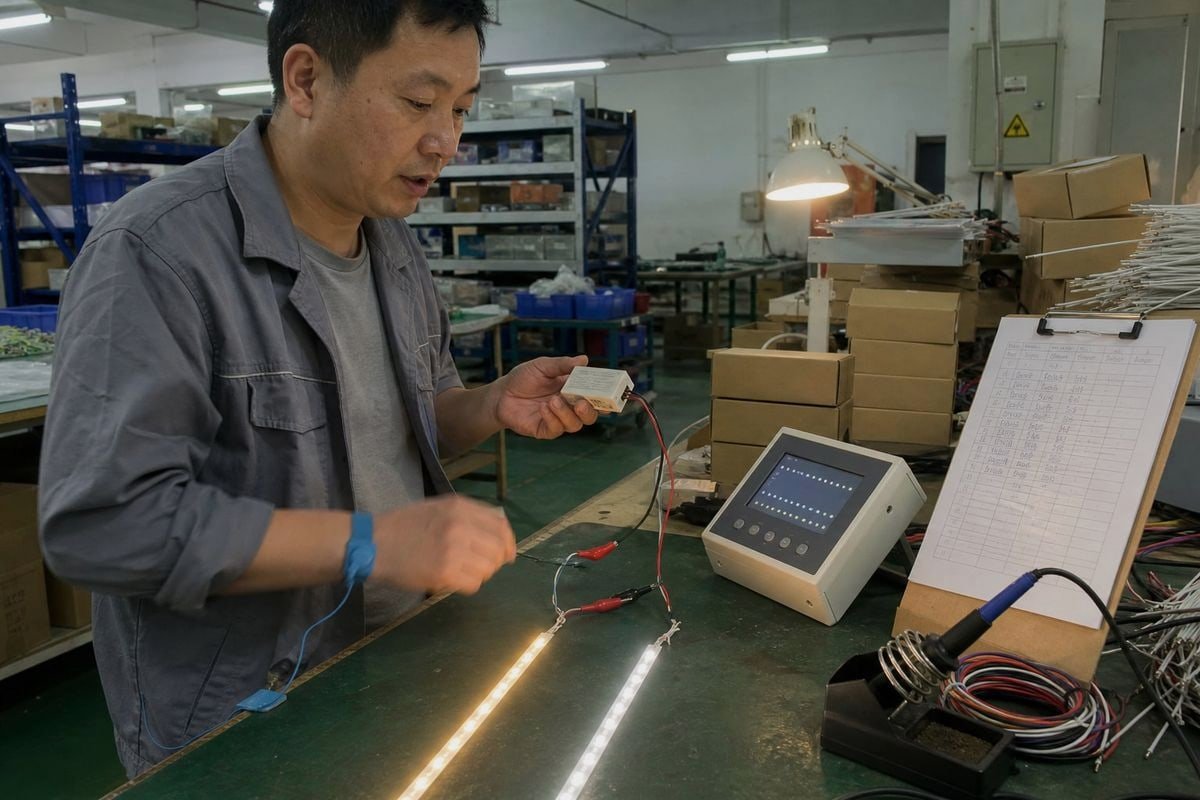
Kopers vragen mij vaak of DT8 belangrijk is voor dimbare witte [CC-driver](https://bo-qi.com/?p=6211)s. Kies je verkeerd, dan raakt je DALI-bus vol, duurt de inbedrijfstelling lang en vallen CCT-scènes uit elkaar. Op onze productielijn hebben we dit op de harde manier opgelost.
Ja, DT8 is zeer relevant voor tunable white CC-drivers. DT8 is het DALI-2 apparaattype voor kleurregeling, en CC verwijst naar constante-stroomuitgang. Met het Tc-kleurtype laat DT8 één DALI kort adres de helderheid en gecorreleerde kleurtemperatuur aanpassen, terwijl de driver warmwitte en koelwitte kanalen coördineert.
Dat is het korte antwoord. Laat me nu uitleggen wat DT8 echt doet, wanneer je het kunt overslaan, hoe je de compatibiliteit van de controller controleert en wat er gebeurt als je het negeert.
Wat betekent DT8 eigenlijk voor mijn tunable white-projecten?
Tijdens een firmware-review vorig jaar ontdekten onze engineers een subtiel punt: de DALI-specificatie definieert het besturingsmodel, maar onze driver implementeert de kanaalmenging. Dat onderscheid vormt alles hieronder.
DT8 is het DALI-apparaattype dat is gedefinieerd in IEC 62386-209 voor kleurregeling. Voor dimbaar wit gebruikt het het Tc-kleurtype, waarmee het lichtregelsysteem een absolute kleurtemperatuur in Kelvin kan verzenden. De driver vertaalt dat instelpunt vervolgens intern naar stromen voor het warme en koude kanaal.
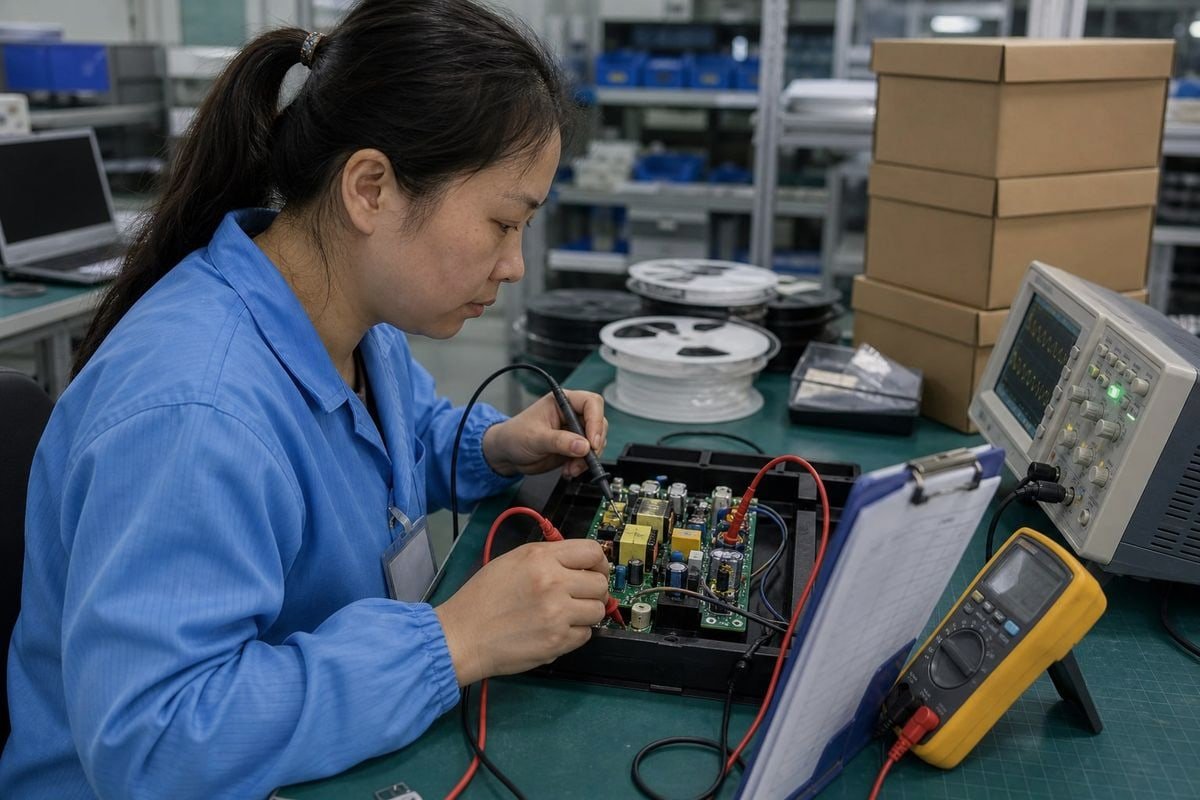
Laat me hier precies zijn, omdat ik veel slordig taalgebruik in datasheets zie. DT8 zelf “beheert geen twee LED-uitgangen.” DT8 definieert een gecoördineerd kleurtemperatuur-besturingsmodel 1 De specifieke CC-driver die je koopt, is wat dat model uitvoert over zijn multi-kanaals LED-uitgangen. Wanneer we bij onze fabriek een DT8 dimbare witte CC-driver ontwikkelen, gaat het grootste deel van de engineering-inspanning naar die vertaallaag, niet naar het protocol zelf.
De Kerntermen, Ontward
Kopers verwarren deze termen voortdurend, dus hier is een duidelijke uitsplitsing:
| Term | Wat Het Echt Betekent |
|---|---|
| DT8 | Het DALI-2 apparaattype voor kleurbesturing, volgens IEC 62386-209 |
| Tc | Het DT8-kleurtype dat wordt gebruikt voor dimbaar wit / CCT-besturing |
| CC | Constante-stroom-uitgangsarchitectuur aan de LED-zijde van de driver |
| Warme + koude kanalen | De fysieke LED-uitgangen die mengen om het CCT-bereik te creëren |
| Enkel kort adres | Het praktische voordeel: één adres bestuurt zowel niveau als kleur |
Waarom Eén Adres de Wiskunde Verandert
Een DALI-lus is beperkt tot 64 korte adressen. Met DALI-apparaattype 6, verbruikt een tweekanaals dimbaar wit armatuur meestal twee adressen. Met DT8 verbruikt het er één. Op een groot kantoorvloer verdubbelt dat effectief je armatuurcapaciteit per bus. Het betekent ook dat helderheids- en CCT-wijzigingen als één uniform commando reizen, zodat gegroepeerde armaturen samen verschuiven zonder het visuele “popcorn”-effect dat je krijgt wanneer twee afzonderlijk geadresseerde kanalen op iets verschillende momenten updaten.
Dit is ook waarom DT8 de basis werd voor Human Centric Lighting. Circadiane ritme-verlichtingsschema’s moeten CCT soepel laten vegen over tientallen armaturen tegelijk. DT8 maakt dat een standaardcommando, geen aangepaste hack.
Heb Ik DT8-Ondersteuning Nodig Als Ik Alleen Constante-Stroom-Drivers Gebruik?
Een distributeur in Singapore stelde me ooit deze exacte vraag via WhatsApp, ervan overtuigd dat “CC” en “DT8” concurrerende opties waren. Dat zijn ze niet. De ene is elektrisch; de andere is protocol.
Ja, als de CC-driver tunable white ondersteunt, is DT8-ondersteuning meestal de moeite waard. Constante stroom beschrijft hoe de driver LED-snoeren van stroom voorziet; DT8 beschrijft hoe deze wordt aangestuurd. Een DT8 CC-driver combineert gereguleerde stroomuitvoer met gestandaardiseerde CCT-regeling op één adres.
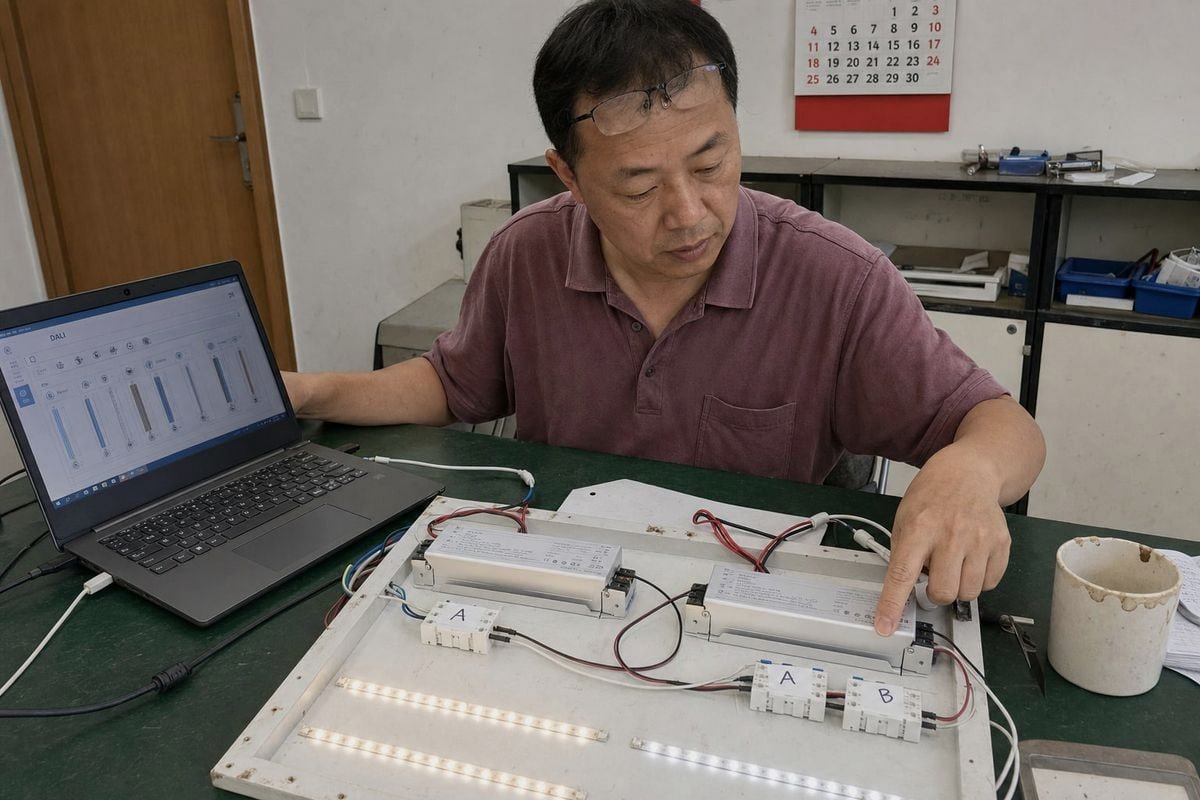
Constante stroom is belangrijk omdat de meeste dimbare witte lichtmotoren series LED-kettingen gebruiken die gereguleerde stroom nodig hebben, geen vaste spanning. DT8 zit bovenop die elektrische architectuur. Dus de echte vraag is niet “CC of DT8” maar “DT8 of DT6 op mijn CC-driver.” Zo kader ik het voor ingenieursbedrijven die we bevoorraden:
| Factor | DT8 (Tc) | DALI-apparaattype 6 |
|---|---|---|
| Adressen per dimbaar armatuur | Eén enkel kort adres | Meestal twee |
| Kleurmenging | Binnen de driver | In de controllerlogica |
| CCT-commando | Absolute Kelvin-waarde | Twee afzonderlijke niveaucommando’s |
| Inbedrijfstellingsinspanning | Lager | Hoger, vereist kanaalkoppeling |
| Legacy DALI-1-ondersteuning | Beperkt | Breed |
| Beste pasvorm | HCL, dynamische witte scènes | Eenvoudig dimmen, legacy-systemen |
Wanneer DT6 nog steeds zinvol is
Ik zal eerlijk zijn over de afweging. Als uw project alleen basisdimmen nodig heeft, of uw controllerstack ouder is en alleen DT6 spreekt, levert het forceren van DT8 u niets op. Daarom zijn verschillende van onze multi-kanaals LED-drivers uitgerust met een DT6-emulatiemodus. Dezelfde hardware kan opnieuw worden geconfigureerd als twee afzonderlijke DALI-adressen om compatibel te blijven met legacy DALI-1-controllers. U houdt één stockitem aan en dekt beide projecttypen.
De verborgen kostenhoek
DT8 bespaart ook hardware. U heeft geen dual-adres drivers of een externe kleurregelmodule in de kast nodig. Voor de verlichtingsfabrieken waarmee we werken in Vietnam en Thailand, bespaart dat kastruimte en verlaagt het de stuklijst op elke dimbare armatuur. Minder onderdelen betekent ook minder inbedrijfstellingsfouten op locatie.
Hoe kan ik zien of mijn DALI-controller DT8-compatibel is?
Een les die ik vroeg leerde bij het exporteren naar Duitsland en het VK: vertrouw nooit op het woord “DALI” alleen op een controllerdatasheet. Dat ene woord heeft meer vertragingen op locatie veroorzaakt dan welke bedradingsfout ik ook heb gezien.
Controleer het datasheet van de controller op expliciete ondersteuning voor DT8 of IEC 62386-209, zoek naar DALI-2-certificering met kleurregeling vermeld, en bevestig dat de software Tc- of Kelvin-gebaseerde commando's biedt. Als de interface alleen twee-kanaals percentageschuifregelaars toont, is het waarschijnlijk alleen DT6.
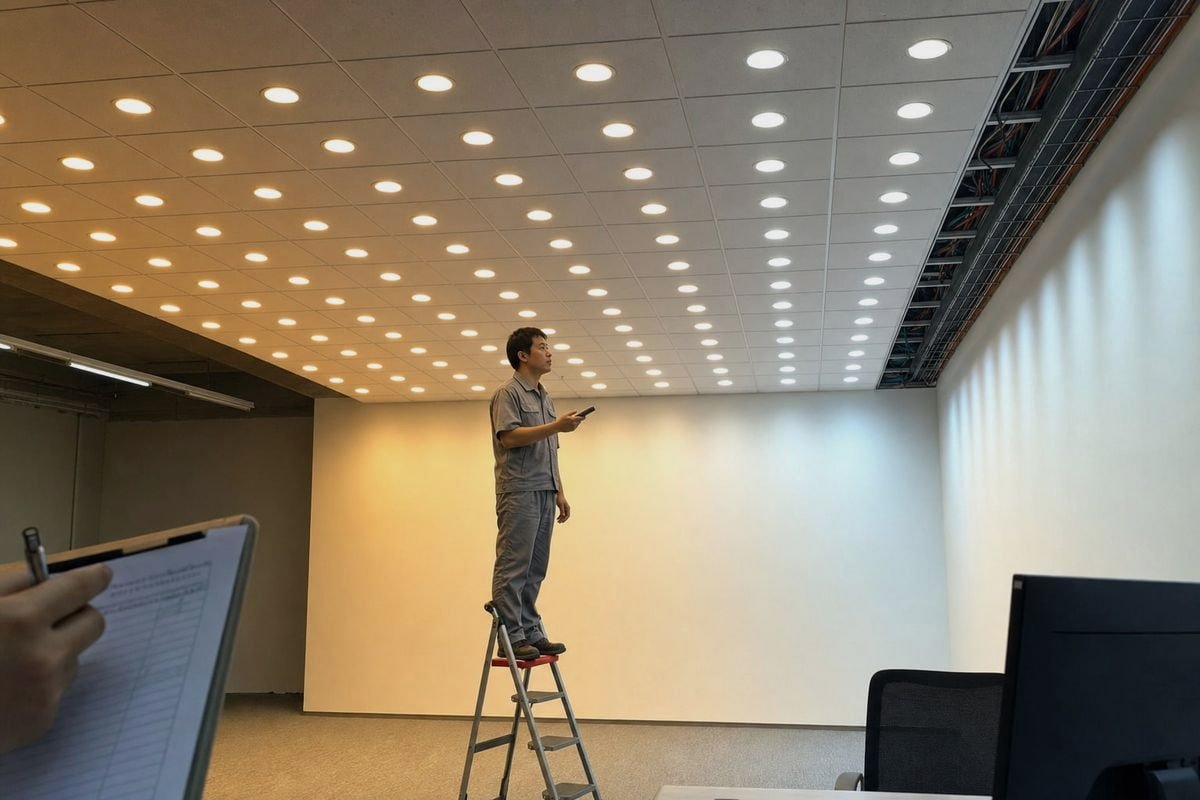
Compatibiliteit is een ecosysteemvraag. Een DT8-driver levert alleen zijn voordelen op wanneer de controller, gateway en inbedrijfstellingssoftware allemaal dezelfde kleurregelcommando’s begrijpen. Hier is het verificatieproces dat we onze klanten doorlopen voordat ze een projectorder plaatsen:
- Lees de kleine lettertjes, niet de kop. Zoek in de controllerdocumentatie naar “DT8,” “device type 8,” “Tc,” of “IEC 62386-209.” Een algemene claim van “DALI-compatibel” is niet voldoende.
- Controleer de DALI-2-certificatiedatabase. Gecertificeerde DALI-2-producten 2 vermelden hun ondersteunde apparaattypen. Als DT8 niet wordt vermeld, ga ervan uit dat het afwezig is.
- Inspecteer de inbedrijfstellingssoftware. Echte DT8-ondersteuning toont een Kelvin- of CCT-veld tijdens het inbedrijfstellen van de LED-driver. Als u alleen schuifregelaars voor kanaal A en kanaal B ziet, behandelt het systeem uw armatuur als DT6.
- Controleer de gatewaylaag. In BMS-integraties moet een KNX- of BACnet-gateway 3 kleurtemperatuurcommando’s doorgeven. Sommige oudere gateways verwijderen deze.
- Voer een banktest uit vóór uitrol. We raden altijd een proof of concept met één armatuur aan. Ons technisch supportteam neemt regelmatig deel aan deze tests op afstand voor klanten in Australië en Italië, omdat een banktest van dertig minuten beter is dan een week debuggen op locatie.
Interoperabiliteit is eigenlijk een van de stille sterke punten van DT8. Omdat de driver het inkomende absolute setpoint omzet in de juiste kanaalstromen, kunt u dimbare witte armaturen van meerdere leveranciers op één netwerk mengen en toch consistent CCT-gedrag krijgen. Dat werkt echter alleen wanneer elk apparaat in de keten echt de DALI-2-standaard spreekt.
Zal het Overslaan van DT8-Naleving Problemen Veroorzaken in Mijn Verlichtingsinstallaties?
Kosten tegen risico afwegen is mijn dagelijkse werk bij het offerten van projecten. Het overslaan van DT8 faalt zelden op dag één. Het faalt in jaar twee, wanneer de klant vraagt om circadiane planning.
Het overslaan van DT8 kan echte problemen veroorzaken bij instelbaar witte installaties: verdubbeld adresverbruik op de 64-adres DALI-bus, niet-gesynchroniseerde kleurverschuivingen, moeilijkere inbedrijfstelling en geen gestandaardiseerd pad naar Human Centric Lighting. Voor projecten met statisch wit of basisdimmeren is het overslaan van DT8 echter onschadelijk.
Laat me het risico uitsplitsen per projecttype, omdat “het hangt ervan af” nutteloos is zonder specificaties:
| Projectscenario | Risico van het overslaan van DT8 | Waarom |
|---|---|---|
| Groot kantoor met HCL-planning | Hoog | Adrespool halveert; CCT-sweeps desynchroniseren over groepen |
| Retail of horeca met dynamische witte scènes | Hoog | Scène-oproep vereist uniforme niveau-plus-CCT-commando’s |
| Kleine dimbaar-witte ruimte, één controller | Gemiddeld | Werkbaar met DT6, maar inbedrijfstelling duurt langer |
| Statisch wit, alleen dimmen | Laag | DT8 voegt niets toe; DT6 of 0-10V is prima |
De problemen die daadwerkelijk op locatie verschijnen
Ten eerste, adresuitputting. Twee adressen per armatuur betekent dat een 64-adreslus ongeveer 32 dimbare armaturen aankan. Projecten groeien, en het hersegmenteren van een bus na overdracht is pijnlijk. Ten tweede, coördinatie. Met afzonderlijk geadresseerde kanalen komen helderheids- en CCT-updates als afzonderlijke commando’s binnen, wat zichtbare stappen veroorzaakt tijdens overgangen. Ten derde, toekomstbestendigheid. Circadiane verlichting en andere Human Centric Lighting-functies 4 worden steeds vaker gespecificeerd in Europese aanbestedingen die we offerten. Het later retrofitten van DT8 betekent het vervangen van drivers, niet alleen software.
Wat naleving alleen niet zal oplossen
Hier is de tegenwerping die ik respecteer: DT8-branding garandeert geen kwaliteit. Dat is waar. Diep dimmen tot lage niveaus, flikkerprestaties en soepele kleurscheiding hangen af van het driverontwerp, niet van het protocollabel. Geavanceerde implementaties gaan verder, met onafhankelijke CCT-mappingcurven zodat kleurovergangen lineair blijven, zelfs wanneer de intensiteitscurve logaritmisch is, kanaalspecifieke thermische foldback die alleen het oververhitte kleurcomponent dimt, en micro-gestaggerde kanaalactivering om inschakelstroom te temmen in installaties met hoge dichtheid. Wanneer we onze DALI-dimbare LED-drivers ontwerpen, kosten deze details veel meer validatietijd dan DT8-conformiteit zelf. Beoordeel de driver, niet alleen het keurmerk.

Conclusie
DT8 standaardiseert CCT-regeling, bespaart DALI-adressen en verplaatst mengintelligentie naar de driver. Voor dimbare wit instelbare CC-drivers is het geen optionele verfijning. Het is de slimme standaard.
Voetnoten
- Officiële DALI Alliance-pagina die DT8-kleurregeling en IEC 62386-209-normen uitlegt. ↩︎
- Officieel register voor het verifiëren van de certificeringsstatus en apparaattypen van DALI-2-hardware. ↩︎
- Technisch overzicht van het KNX-protocol dat wordt gebruikt in integraties van gebouwbeheersystemen. ↩︎
- Branchebron die de implementatie van circadiaans ritme-verlichting in moderne gebouwen uitlegt. ↩︎