Ga naar de inhoud









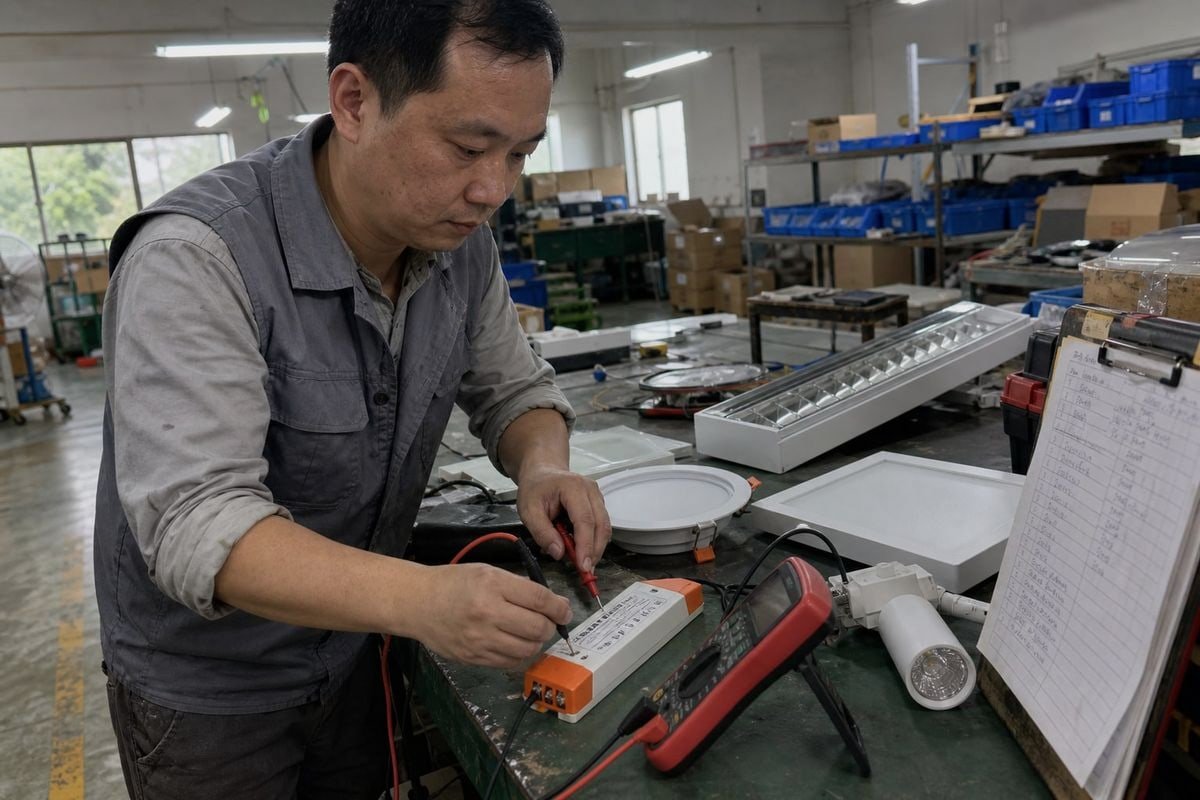
[Constante stroom 0–10V drivers](https://bo-qi.com/how-to-choose-between-constant-current-and-constant-voltage-0-10v-led-drivers/) falen in het veld vaker dan zou moeten. Op onze productielijn bij boqi zien we steeds dezelfde hoofdoorzaak: kopers matchen het wattage, negeren het LED-werkpunt, en het hele project lijdt onder [flikkeren, uitval of dode modules](https://bo-qi.com/?p=6205). De oplossing is precies weten waar deze drivers thuishoren en hoe je ze specificeert.
Constante stroom 0–10V drivers worden doorgaans gebruikt in commerciële en architecturale LED-verlichting die stabiele LED-stroom plus analoge dimregeling nodig heeft. Veelvoorkomende toepassingen zijn downlights, paneellampen, troffers, lineaire armaturen, trackverlichting, hoge-uitslag industriële verlichting en buitenverlichting voor terreinen, geïntegreerd met gebouwbeheersystemen.
Dat is het korte antwoord. Hieronder loop ik door de echte toepassingen, hoe je de juiste driver selecteert, welke dimprestaties je kunt verwachten en welke certificeringen er echt toe doen.
Voor welke projecten kan ik constante stroom 0-10V drivers gebruiken?
Een technische koper uit Singapore vroeg me ooit om één drivermodel te quoten voor downlights, troffers en LED-strips samen. Twee van die drie waren een goede match. De strips niet.
Constante stroom 0–10V drivers zijn geschikt voor LED-downlights, ingebouwde armaturen, paneellampen, lineaire armaturen, troffers, trackverlichting, hoge- en lage-uitslag armaturen en architecturale verlichting. Ze passen bij elk project waar een COB- of SMD-LED-module gereguleerde stroom en eenvoudige analoge dimming via gebouwbeheersystemen nodig heeft.
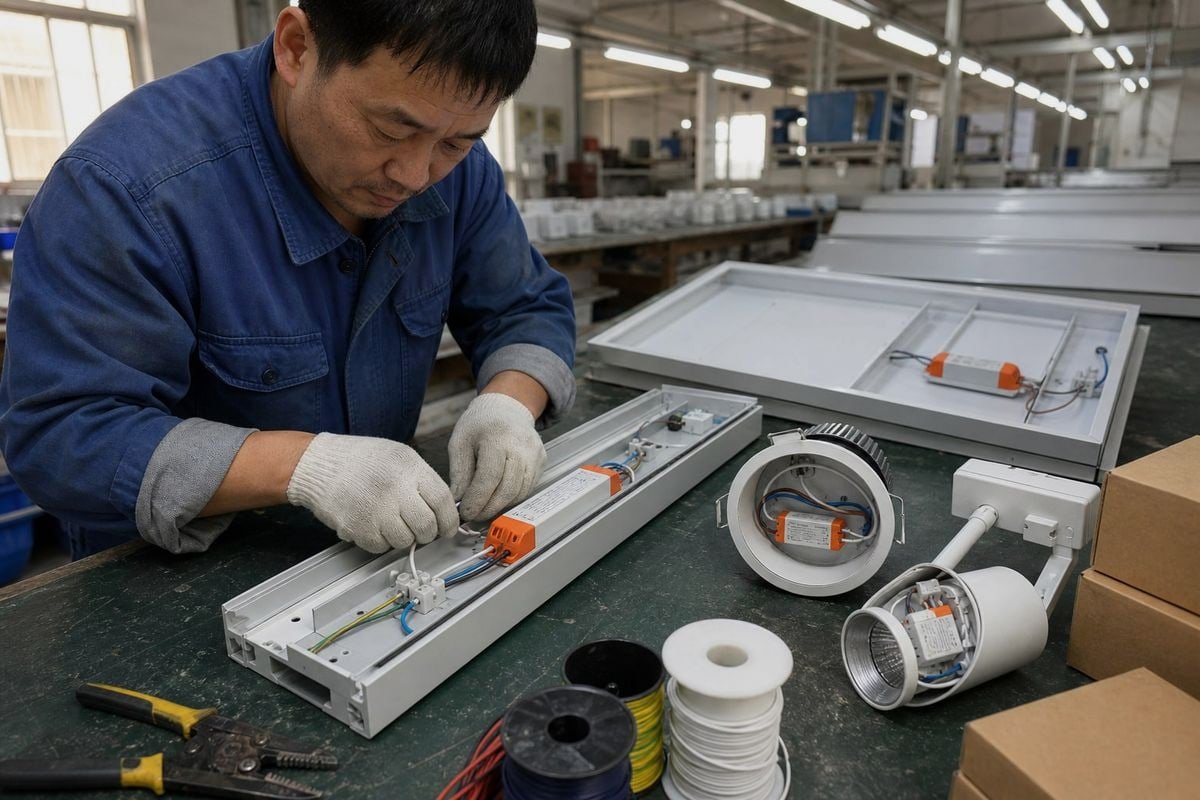
Het patroon achter al deze toepassingen is hetzelfde. Het armatuur gebruikt een LED-module die is ontworpen om op een gespecificeerde stroom te draaien, en het project heeft dimming nodig die eenvoudig integreert met gebouwautomatiseringssystemen. Een 0–10V-signaal is de besturingsinterface. Het is niet de LED-uitgang zelf. De driver regelt de stroom — bijvoorbeeld 700 mA over een 18–42 V DC-venster — terwijl het laagspanningssignaal aangeeft hoeveel van die stroom geleverd moet worden.
Toepassingen per sector
| Toepassing | Waarom een constante stroom 0–10V driver wordt gebruikt |
|---|---|
| LED-downlights | Stabiele stroom voor COB/SMD-modules en vloeiende analoge dimming |
| Paneellampen en troffers | Uniforme helderheid in kantoren en institutionele gebouwen |
| Lineaire LED-armaturen | Past bij kantoor-, retail- en architecturale lineaire armaturen |
| Hoge-uitslag / lage-uitslag verlichting | Maakt integratie met aanwezigheidssensoren en daglichtgestuurde dimming mogelijk |
| Trackverlichting | Maakt gecentraliseerde analoge dimming 1 van meerdere koppen mogelijk |
| Retail- en museumdisplays | Constante stroom voorkomt kleurverschuiving tijdens dimcycli |
| Buitenparkeerplaats- en padverlichting | Werkt met bewegingssensoren en fotocellen voor beveiligingsverlichting |
| Architecturale gevel- en muurwassing | Houdt de intensiteit uniform over gebouwoppervlakken |
| Horecaverlichting | Gecentraliseerde scènedimming via verlichtingsregelpanelen |
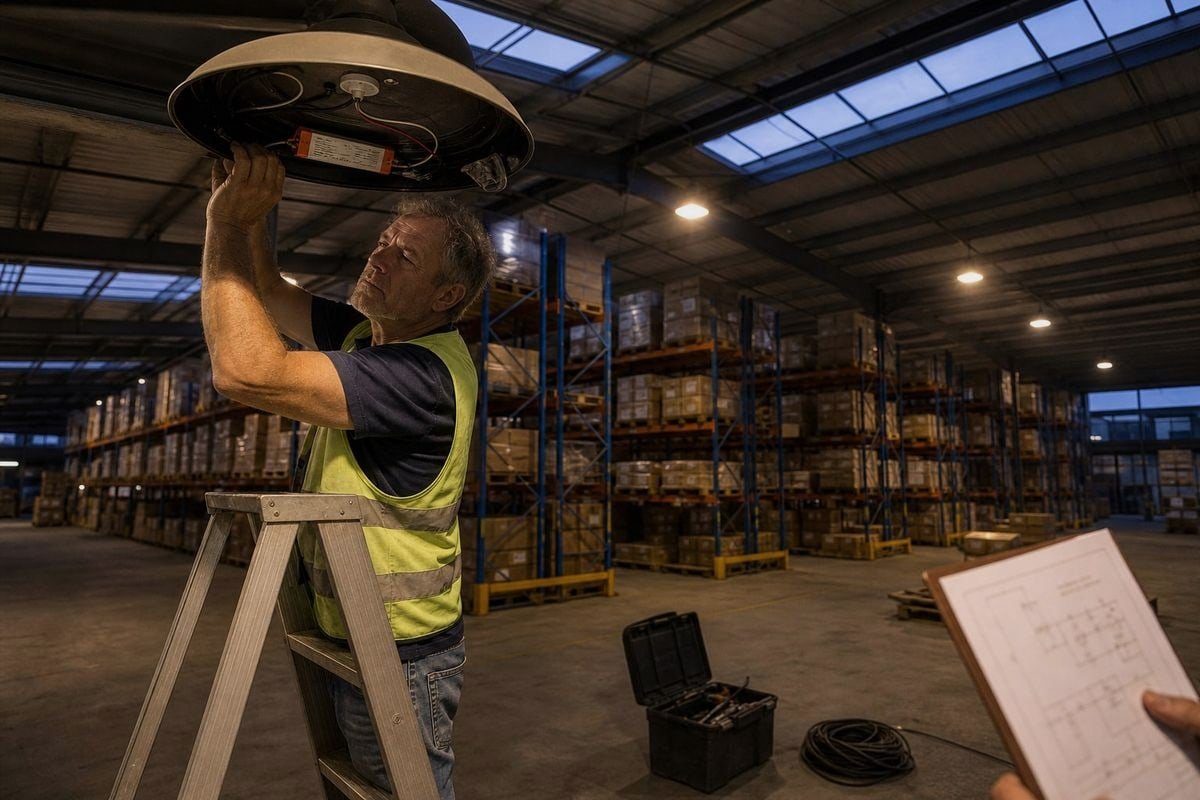
Commerciële kantoren zijn het klassieke geval. Daglichtsensoren geven een 0–10V-signaal af, en de driver reageert door de stroom te verlagen, waardoor energieverbruik bij ramen wordt verminderd. Magazijnen gebruiken dezelfde logica met aanwezigheidsgerelateerde zonering op hoge-uitslag armaturen. Buitenprojecten — parkeerterreinen, straatverlichting, tunnelverlichting — vertrouwen op dit formaat omdat gecentraliseerde analoge dimming eenvoudig te bedraden en gemakkelijk te onderhouden is. We verzenden een groot deel van onze architecturale LED-drivers naar precies deze projecttypen in Europa en Zuidoost-Azië.
Waar horen ze niet thuis? Een 12 V of 24 V LED-strip is een constante-spanning belasting. Het heeft een CV-voeding plus een pulsbreedtemodulatiecontroller 2, nodig, geen CC-driver. Dit is de meest voorkomende mismatch die we in inkomende aanvragen tegenkomen.
Hoe kies ik de juiste constante stroom 0-10V driver voor mijn verlichtingstoepassing?
De duurste les die onze ingenieurs kopers zien leren is dit: een nominale “700 mA driver” is niet automatisch geschikt voor een 700 mA LED-module.
Match drie parameters: de uitgangsstroom van de driver, het constante-stroom spanningsbereik en de voorwaartse spanningseis van de LED-module. Het spanningsvenster van de driver moet de bedrijfsspanning van de module bij volledige stroom bevatten. Bevestig vervolgens het 0–10V-interfacetype, de wattageruimte en de installatieomgeving.
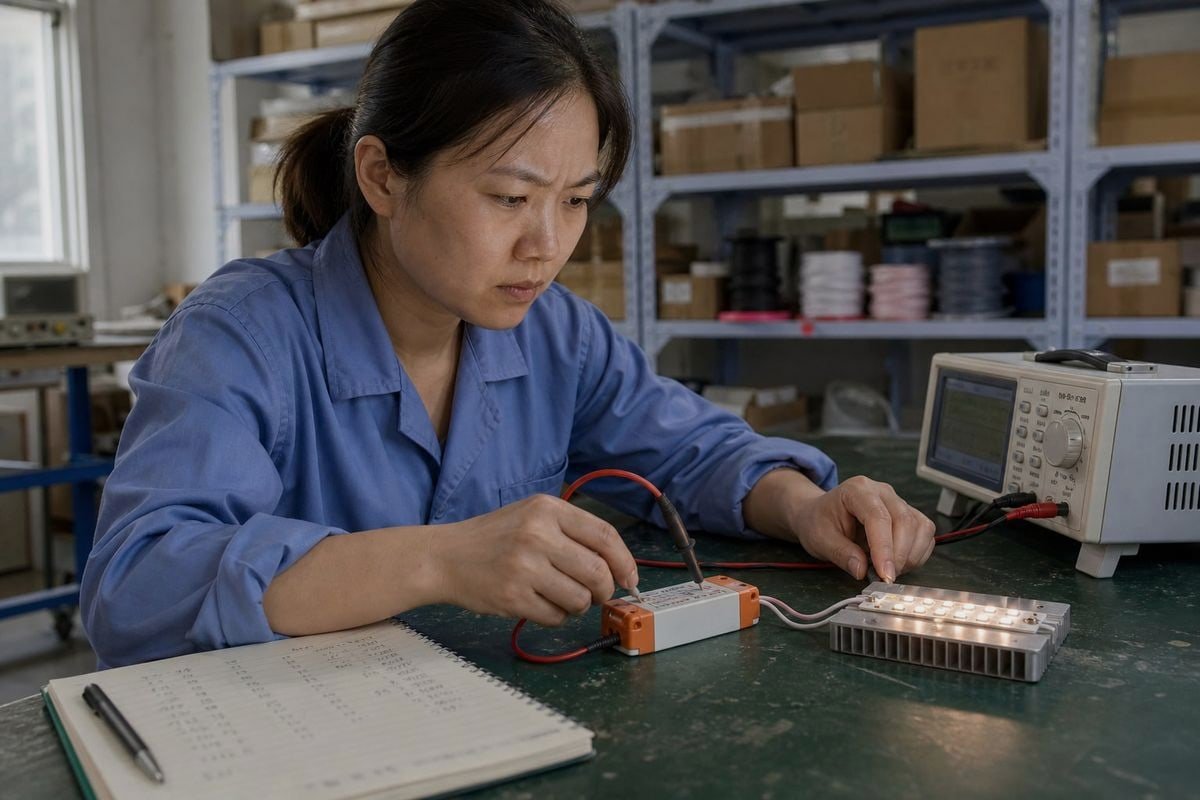
Hier is waarom stroom alleen niet genoeg is. Stel dat je LED-module 700 mA nodig heeft bij ongeveer 36 V. Een driver met een rating van 700 mA bij 18–42 V DC werkt, omdat 36 V binnen het venster valt. Maar een driver met een rating van 700 mA bij 18–34 V werkt niet, zelfs als de stroom overeenkomt. De driver kan de voorwaartse spanning 3, van de module niet bereiken, dus het verhongert de belasting. Die mismatch is een veelvoorkomende bron van veldstoringen en is onzichtbaar op een datasheet als je alleen de stroomregel leest.
Een eenvoudige selectievolgorde
- Bevestig het werkpunt van de LED-module. Haal de voorwaartse spanning en stroom uit de datasheet van de module, niet uit het marketingwattage van het armatuur.
- Kies de stroomsterkte. Typische stappen zijn 350 mA, 500 mA, 700 mA en 1.050 mA.
- Controleer het spanningsvenster. De voorwaartse spanning van de module moet binnen het constante-stroombereik van de driver vallen met marge voor temperatuurschommelingen.
- Controleer de besturingszijde. Bevestig of het regelsysteem van het armatuur sink- en source-stroomgedrag op de dimlijn verwacht, en of u 0–10V of 1–10V nodig heeft.
- Stem af op de omgeving. Indoor troffers kunnen een basisbehuizing gebruiken; outdoor area lights hebben geschikte IP-geclassificeerde behuizingen nodig.
Snelle referentie
| Parameter | Voorbeeld | Wat er misgaat als het wordt genegeerd |
|---|---|---|
| Uitgangsstroom | 700 mA | Overbelaste LED's, verkorte levensduur |
| CC-spanningsbereik | 18–42 V DC | Driver kan de doorlaatspanning van de module niet bereiken |
| Werkpunt van de module | 700 mA bij ~36 V | Flikkering, uitval, dode modules in het veld |
| 0–10V-interfacetype | Sink versus source | Dimlijn reageert niet op de controller |
Wanneer we onze 0–10V dimbare LED-drivers vóór verzending kalibreren, testen we ze tegen echte LED-belastingen aan de boven- en onderkant van het spanningsvenster, omdat daar marginale ontwerpen falen. Vraag uw leverancier of zij hetzelfde doen.
Kunnen constante-stroom 0-10V-drivers voldoen aan de dimvereisten van mijn project?
Er is een afweging die we met bijna elke distributeurklant bespreken: 0–10V-dimmen is eenvoudig en robuust, maar “eenvoudig” betekent ook dat de standaard verschillende gedragingen ongedefinieerd laat.
Ja, voor de meeste commerciële projecten — constante-stroom 0–10V-drivers leveren soepel analoog dimmen tot lage niveaus met flikkervrije prestaties wanneer ze goed zijn ontworpen. Maar u moet het minimale dimniveau, dim-naar-uit-mogelijkheid, dimcurve en compatibiliteit met het regelsysteem specificeren, omdat de 0–10V-standaard deze niet definieert.
Een veelgemaakte aanname is dat 5 V-ingang exact overeenkomt met 50% waargenomen helderheid. Dat is niet zo. De relatie tussen regelspanning en uitgang hangt af van het driverontwerp, en het elektrische uitgangspercentage is toch al niet hetzelfde als de waargenomen visuele helderheid. Het menselijk oog reageert logaritmisch, dus een lineaire drivercurve kan aan de onderkant abrupt aanvoelen. Daarom bieden we zowel lineaire als logaritmische curve-opties op onze dimbare driverreeksen, en waarom serieuze projecten de curve schriftelijk specificeren.
Wat te specificeren voor commercieel dimmen
- 0–10V-interfacetype, inclusief sink- en source-stroomgedrag
- Minimaal dimniveau, zoals 10%, 5% of 1%
- Dim-naar-uit-mogelijkheid, of een geschakelde lijn het volledige uitschakelen verzorgt
- Dimcurve — lineair of logaritmisch
- Nauwkeurigheid van de uitgangsstroom over het dimbereik
- Flikker- en PWM-karakteristieken bij lage uitgangsniveaus
- Standby-vermogen wanneer gedimd tot minimum of uit
- Compatibiliteit met het beoogde lichtregelsysteem
Twee punten verdienen extra aandacht. Ten eerste dimmen sommige drivers intern met behulp van pulsbreedtemodulatie op lage niveaus. Slecht geïmplementeerde PWM veroorzaakt zichtbare flikkering op camera 4 en kan van belang zijn in zorgprojecten die gericht zijn op circadiane-vriendelijke verlichting. Vraag om flikkergegevens, niet alleen om een “flikkervrije” claim. Ten tweede gedragen 0–10V- en 1–10V-varianten zich anders aan de onderkant van het bereik; 1–10V-systemen hebben soms de voorkeur waar een minimale lichtopbrengst behouden moet blijven en onbedoelde uitschakeling vermeden moet worden. In onze ervaring met export naar Duitsland en het VK vragen ingenieursbureaus steeds vaker om deze gedragingen in de aanbestedingsdocumenten — en drivers die alleen “0–10V-dimmen” vermelden zonder details worden afgewezen.
Voor projecten die individuele adressering van armaturen of diagnostiek nodig hebben, is DALI het betere hulpmiddel, en we bouwen DALI-dimbare drivers om precies die reden. Maar 0–10V blijft dominant in renovaties en missiekritieke faciliteiten, deels omdat een eenvoudige analoge lus zelfs digitale protocollen kan ondersteunen als fail-safe.

Welke certificeringen moet ik verifiëren voordat ik constante stroom 0-10V drivers inkoop?
Certificeringsvragen komen bij bijna elk eerste gesprek met een nieuwe koper naar voren, en terecht — een driver zonder geldige markeringen kan een hele zending bij de douane stoppen.
Controleer CE voor Europa, SAA voor Australië, en een CB-rapport voor acceptatie op meerdere markten, plus SELV-uitgangsclassificatie voor veilige laagspanningsinstallatie. Stem certificeringen af op de doelmarkt van uw project en vraag altijd om daadwerkelijke testcertificaten in plaats van alleen te vertrouwen op gedrukte logo's.
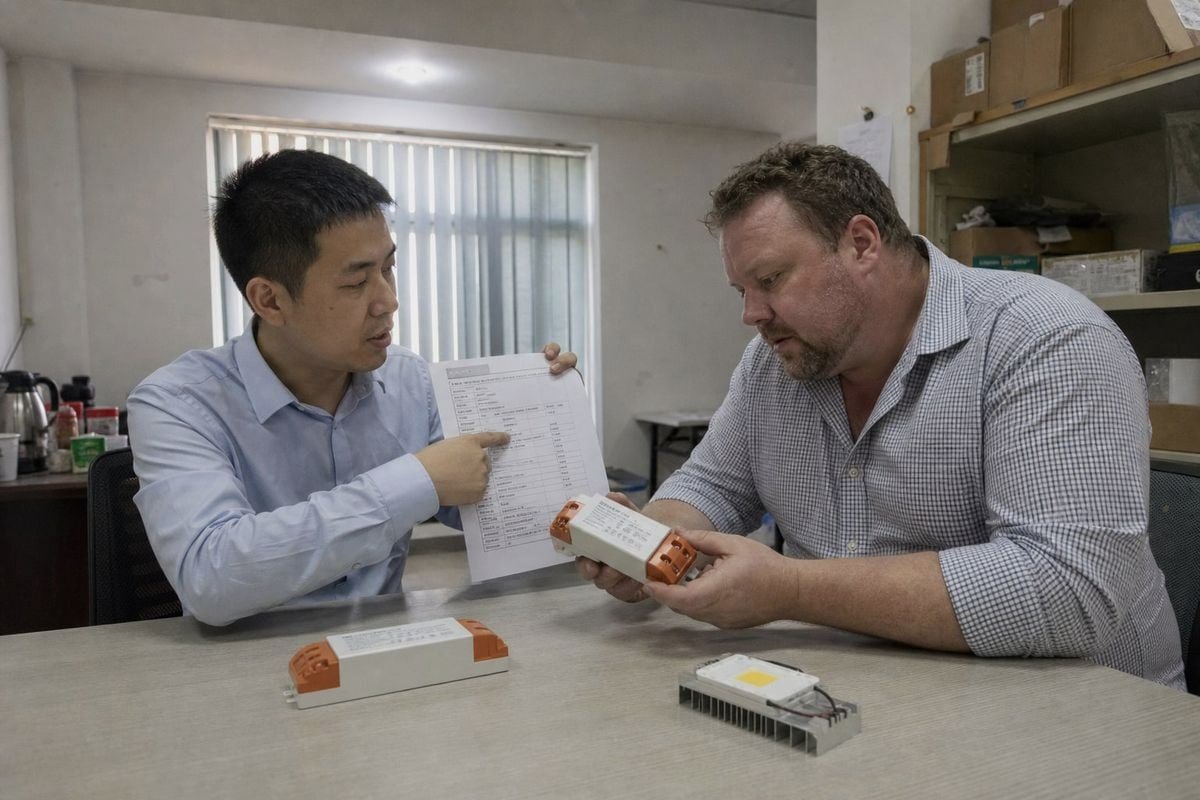
Kijk naar het label op onze drivers en u ziet CE-, SAA-, CB- en SELV-markeringen naast het modelnummer en de elektrische specificaties. Elk bestaat om een andere reden, en elk is belangrijk voor een andere koper.
Wat elke markering dekt
| Certificering | Markt / Doel | Waarom het belangrijk is voor uw project |
|---|---|---|
| CE | Europese Economische Ruimte | Wettelijk vereist voor verkoop in de EU; dekt veiligheids- en EMC-richtlijnen |
| SAA | Australië / Nieuw-Zeeland | Vereiste goedkeuring voor elektrische producten in deze markten |
| CB | Internationaal (IECEE-schema) | Een CB-testrapport versnelt nationale goedkeuringen in veel landen |
| SELV | Uitgangsveiligheidsclassificatie | Bevestigt dat de LED-uitgang veilige extra-laagspanning is, ter bescherming van installateurs |
Voor Noord-Amerikaanse projecten omvat de equivalente conversatie UL- of ETL-listing en vaak klasse 2-voedingsclassificatie, die het uitgangsvermogen beperkt voor vereenvoudigde bedrading in gebouwen. Als uw armaturen naar de VS worden verzonden, breng dit dan vroeg ter sprake — het verandert het driverontwerp, niet alleen de papierwerk.
Twee praktische waarschuwingen uit onze exportervaring in Europa, Australië en Zuidoost-Azië. Ten eerste: gedrukte logo's zijn goedkoop; certificaten niet. Vraag om de certificaatnummers en verifieer deze bij de uitgevende instantie. Wij verstrekken volledige documentatie bij elke bestelling omdat ingenieursbureaus en verlichtingsfabrieken die traceerbaarheid nodig hebben voor hun eigen projectgoedkeuring. Ten tweede: controleer dat het certificaat het exacte model en de huidige classificatie dekt die u koopt, niet een vergelijkbaar model in dezelfde familie. Een CB-rapport voor een 30 W-versie dekt niet automatisch de 50 W-versie. Kopers die die controle overslaan, ontdekken de kloof soms pas wanneer het compliance-team van een distributeur de zending auditeert — en tegen die tijd loopt de projectplanning al risico.
Conclusie
Constante stroom 0–10V-drivers voeden dimbare commerciële, industriële en architecturale verlichting. Stem eerst het LED-werkpunt af, specificeer het dimgedrag duidelijk en verifieer certificeringen — dan presteert de driver jarenlang betrouwbaar.
Voetnoten
- Website van het Amerikaanse Ministerie van Energie met autoriteit over energie-efficiënte verlichtings- en regeltechnologieën. ↩︎
- Technisch overzicht van PWM-regelmethoden die worden gebruikt in constante spanning LED-toepassingen. ↩︎
- Referentie van het National Institute of Standards and Technology voor elektrische kenmerken van halfgeleiders. ↩︎
- Professionele vereniging die normen biedt voor flikkering en elektrische interferentie in verlichtingssystemen. ↩︎