Vai al contenuto










Molti progetti di illuminazione a LED incontrano problemi di luminosità incoerente, sfarfallio o scarsa compatibilità. La causa principale? Una mancata corrispondenza tra il tipo di driver e il metodo di dimmerazione.
Un driver LED dimmerabile 0–10V a corrente costante è un alimentatore che fornisce una corrente di uscita fissa regolando la luminosità in base a un segnale analogico a bassa tensione compreso tra 0 e 10 volt.
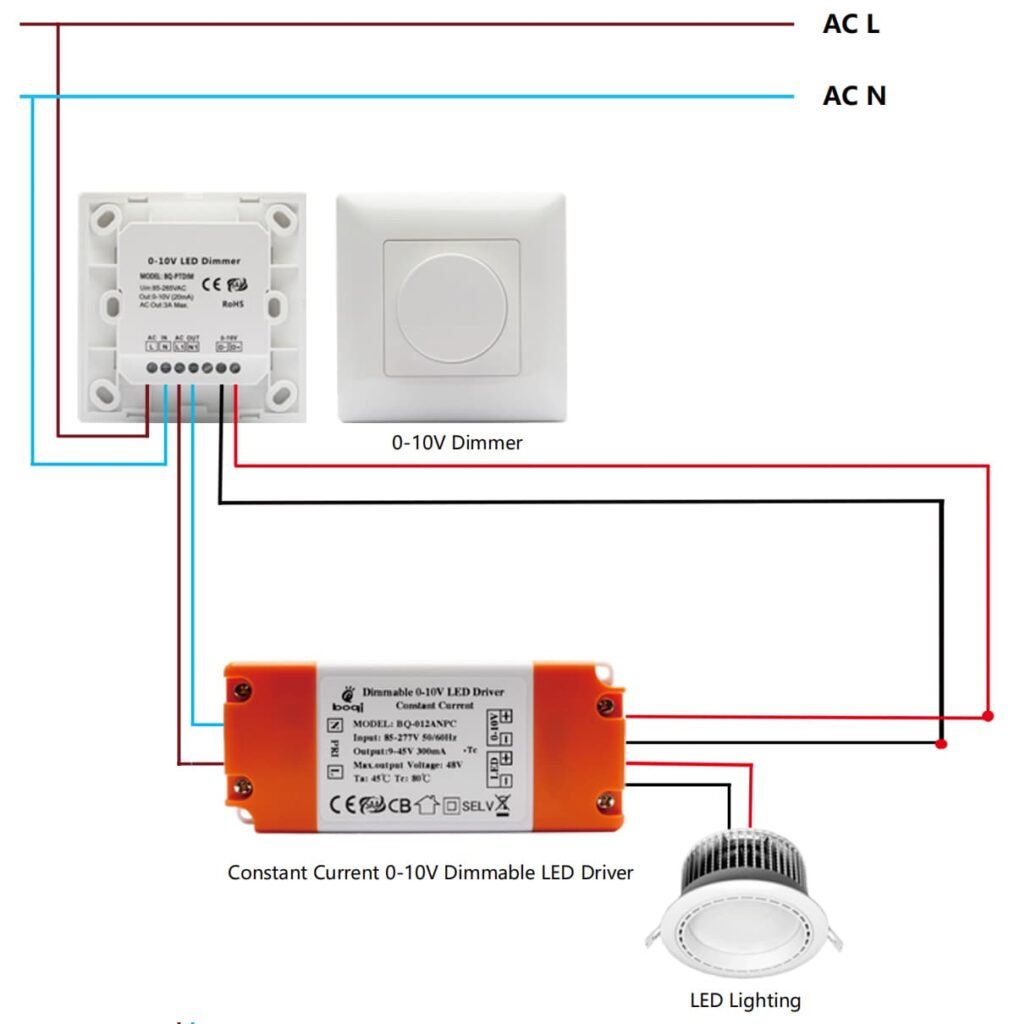
Se stai costruendo o acquistando illuminazione LED commerciale, capire come funziona questo driver—e dove usarlo—ti aiuterà a evitare costosi errori di progettazione.
Capire i driver LED a corrente costante?
Molti guasti all'illuminazione sono causati dal tipo sbagliato di driver LED. Surriscaldamento, sfarfallio o scarsa durata spesso derivano dall'uso di tensione costante quando si dovrebbe usare corrente costante.
Un driver LED a corrente costante fornisce una corrente fissa—misurata in milliampere—indipendentemente dalla tensione richiesta dai LED in serie.
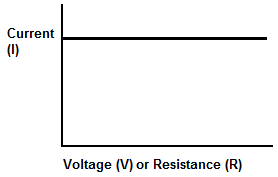
Perché la regolazione della corrente è importante
La regolazione a corrente costante garantisce che ogni LED in una serie riceva la giusta quantità di corrente. I LED sono componenti sensibili alla corrente. Se la corrente è troppo alta, il LED si surriscalda. Se è troppo bassa, l'emissione luminosa diminuisce.
Ecco un confronto:
| Caratteristica | Driver a corrente costante | Driver a tensione costante |
|---|---|---|
| Tipo di output | Corrente fissa (es. 350mA) | Tensione fissa (es. 12V o 24V) |
| Ideale per | Configurazioni LED in serie | Moduli LED in parallelo |
| Rischio di danni al LED | Basso | Più alto se il carico non corrisponde |
| Efficienza | Alto | Medio |
| Uso comune | Apparecchi commerciali e industriali | Strisce LED, insegne |
I driver a corrente costante sono ideali quando alimenti LED collegati in serie. Devi solo abbinare la corrente del driver alla corrente nominale del LED. La tensione si adatterà automaticamente entro un intervallo specificato.
Cosa significa dimmerazione 0–10V?
I progettisti scelgono spesso 0–10V perché è stabile, economico e facile da integrare. Ma non tutti capiscono come funziona davvero.
La dimmerazione 0–10V è un metodo di controllo analogico in cui un ingresso a 0V riduce la luce al minimo (o la spegne), e 10V fornisce la piena luminosità.

Come la tensione analogica controlla la luce
Il principio è semplice: una linea di segnale di controllo separata fornisce una tensione CC tra 0 e 10 volt al driver. Il driver legge questa tensione e regola proporzionalmente la corrente di uscita, che a sua volta attenua la luce LED.
| Tensione di controllo | Emissione luminosa |
|---|---|
| 0 V | 0% (o minimo di dimmerazione) |
| 1 V | ~10% |
| 5 V | ~50% |
| 10 V | 100% |
Esistono due tipi di dimmerazione 0–10V:
- Tipo sink (sink di corrente): Il driver fornisce 10V e il dimmer assorbe corrente per controllare la tensione. Questo è il più comune.
- Tipo source (sorgente di tensione): Il dimmer fornisce la tensione. Meno comune.
Il segnale analogico offre una dimmerazione fluida e continua senza passaggi digitali o sfarfallio. È particolarmente adatto per applicazioni commerciali e architettoniche.
Come funzionano insieme i driver 0–10V a corrente costante?
Non si tratta solo di combinare due tecnologie. L'interazione tra controllo a corrente costante e dimmerazione analogica deve essere finemente calibrata.
Un driver 0–10V a corrente costante regola la sua corrente di uscita in base all'ingresso 0–10V mantenendo un intervallo di corrente fisso adatto ai carichi LED.

Dentro il driver: come segnali e potenza si allineano
Ecco come funziona:
- Conversione di potenza: Il driver riceve corrente alternata e la converte in uscita CC regolata.
- Controllo della corrente: Blocca la corrente di uscita—ad esempio 700mA—entro un intervallo di tensione definito.
- Interfaccia di dimmerazione: Un pin di ingresso separato legge il segnale di controllo 0–10V.
- Circuito di dimmerazione analogica: Questo segnale modula una tensione di riferimento, che regola il circuito di feedback interno.
- Uscita di dimmerazione fluida: La corrente di uscita viene ridotta gradualmente senza sfarfallio.
Il driver deve mantenere la precisione della corrente anche a bassi livelli di dimmerazione. Ecco perché la qualità conta: i driver economici spesso sfarfallano sotto il 20%.
Specifiche chiave da monitorare:
| Parametro | Valore Tipico | Note |
|---|---|---|
| Corrente di uscita | 350mA–1500mA | Dipende dal design dell'apparecchio |
| Tensione di uscita | 12V–50V | Corrisponde alla tensione diretta dei LED |
| Intervallo di oscuramento | 10%–100% o 1%–100% | Definisce la precisione del controllo |
| Segnale di controllo | Analogico 0–10V | Deve essere resistente al rumore |
Applicazioni chiave dei driver a corrente costante 0–10V?
Alcune applicazioni di illuminazione richiedono precisione, affidabilità e dimmerazione senza sfarfallio—è qui che i driver a corrente costante 0–10V brillano.
Questo tipo di driver è ideale per sistemi di illuminazione commerciali, architettonici, industriali e residenziali di alta gamma, dove la dimmerazione stabile e una lunga durata sono essenziali.

Dove vediamo questi driver?
Illuminazione commerciale
Uffici e centri commerciali utilizzano spesso luci lineari o a pannello montate a soffitto. La corrente costante garantisce una luminosità uniforme.
Illuminazione industriale
Nei magazzini o nelle fabbriche, gli high bay a LED con dimmerazione 0–10V aiutano a risparmiare energia durante le ore di bassa attività.
Illuminazione architettonica e museale
Il controllo sottile è fondamentale. Con una dimmerazione analogica fluida, puoi evidenziare opere d'arte o regolare l'atmosfera con precisione.
Ospitalità e residenziale di alta gamma
Negli hotel o nelle case di lusso, il 0–10V consente un'integrazione senza soluzione di continuità con i sistemi di gestione dell'edificio.
| Area di applicazione | Motivo dell'uso |
|---|---|
| Uffici e vendita al dettaglio | Risparmio energetico, luminosità stabile |
| Musei e gallerie | Dimmerazione di precisione, nessuno sfarfallio |
| Magazzini | Alta potenza, prestazioni durevoli |
| Residenziale (lusso) | Controllo ambientale fluido |
Vantaggi per progettisti di illuminazione e ingegneri?
Spesso ci troviamo bloccati tra costo e prestazioni. Ma i driver a corrente costante 0–10V offrono un punto di equilibrio che supporta un buon design e una solida affidabilità.
Questi driver semplificano il design del circuito, riducono il rischio di sfarfallio e migliorano la compatibilità con i sistemi di dimmerazione—soprattutto per casi d'uso professionali o di alta gamma.
Perché questo tipo di driver aiuta i professionisti
Layout LED semplificati
Progetti in serie. Nessuna necessità di calcolare il bilanciamento del carico in parallelo.
Ampia compatibilità
Il 0–10V è uno standard tra dimmer, sensori e controller di automazione.
Comportamento di dimmerazione prevedibile
La dimmerazione analogica evita l'effetto “a gradini” visto in alcuni sistemi digitali.
Minori rischi di EMI e sfarfallio
Con controllo analogico e corrente stabile, il sistema funziona in modo silenzioso e fluido.
Percorso di certificazione affidabile
Più facile soddisfare i requisiti UL, CE o DLC grazie a interfacce standardizzate.
Ingegneri e progettisti di illuminazione acquisiscono fiducia quando i loro sistemi sono stabili, scalabili e facili da mantenere nel corso degli anni.
Considerazioni su compatibilità e integrazione del sistema?
Un buon driver non è solo una questione di specifiche: deve adattarsi a un sistema più ampio. Cablaggio, tensione e comportamento del segnale influiscono tutti sulle prestazioni.
Per garantire un'integrazione fluida, verifica la compatibilità del dimmer, gli schemi di cablaggio e i rischi di interferenza del segnale prima di scegliere un driver a corrente costante 0–10V.

A Cosa Dovresti Fare Attenzione?
Integrità del Segnale di Controllo
- Utilizza cavi schermati per la linea 0–10V.
- Evita di far passare i fili di dimmerazione vicino alla rete CA.
Precisione dell'Intervallo di Dimmerazione
- Non tutti i dimmer raggiungono pienamente 0V o 10V.
- Alcuni driver smettono di dimmerare sotto 1V.
Abbinamento del Carico
- Assicurati che la tensione diretta del LED rientri nell'intervallo di uscita del driver alla corrente massima.
- Evita di sotto-caricare il driver.
Interoperabilità
- Testa la coppia driver-dimmer in condizioni reali.
- Verifica che la curva di dimmerazione corrisponda alle esigenze dell'applicazione.
| Punto di Controllo | Perché è importante |
|---|---|
| Tensione di Uscita del Dimmer | Influisce sull'intervallo di controllo |
| Lunghezza/Tipo di Cavo | Può introdurre rumore o caduta di tensione |
| Specifiche di Uscita del Driver | Devono corrispondere ai requisiti della stringa LED |
| Fattori Ambientali | Alta temperatura o umidità influiscono sulla stabilità |
Scegliere il Driver a Corrente Costante 0–10V Giusto?
Così tanti modelli, specifiche e promesse di marketing: come decidi?
Scegli un driver che corrisponda alla corrente, all'intervallo di tensione, alla curva di dimmerazione e ai vincoli fisici del tuo LED. Verifica sempre la certificazione e le prestazioni nel mondo reale.
La Mia Rapida Lista di Controllo
Valutazione della Corrente
Abbina la corrente diretta nominale del modulo LED (es. 700mA).
Intervallo di Tensione
Assicurati che copra la tensione diretta totale della tua stringa LED.
Prestazioni di Dimmerazione
Controlla l'intervallo di dimmerazione: 10%–100% è buono; 1%–100% è migliore.
Valutazione Ambientale
Uso interno o esterno? Necessiti di IP65 o superiore?
Dimensioni Fisiche
Si adatterà all'interno del tuo alloggiamento?
Certificazioni
UL, CE, RoHS e opzionalmente DLC per sconti.
| Criteri di Selezione | Requisito Tipico |
|---|---|
| Corrente di uscita | 350–1500mA |
| Intervallo di Tensione di Uscita | 12–48V |
| Interfaccia di Dimmerazione | Analogico 0–10V |
| Intervallo di oscuramento | 1%–100% o 10%–100% |
| Grado IP | IP20 (interno), IP65 (esterno) |
| Normativa di sicurezza | UL8750, EN61347 |
Perché scegliere boqi come tuo partner per la dimmerazione?
Esistono centinaia di fornitori di driver LED. Allora perché fidarsi di noi?
In boqi, siamo specializzati in driver a corrente costante 0–10V ad alta affidabilità che supportano una dimmerazione fluida, un controllo preciso della corrente e la piena conformità agli standard globali.
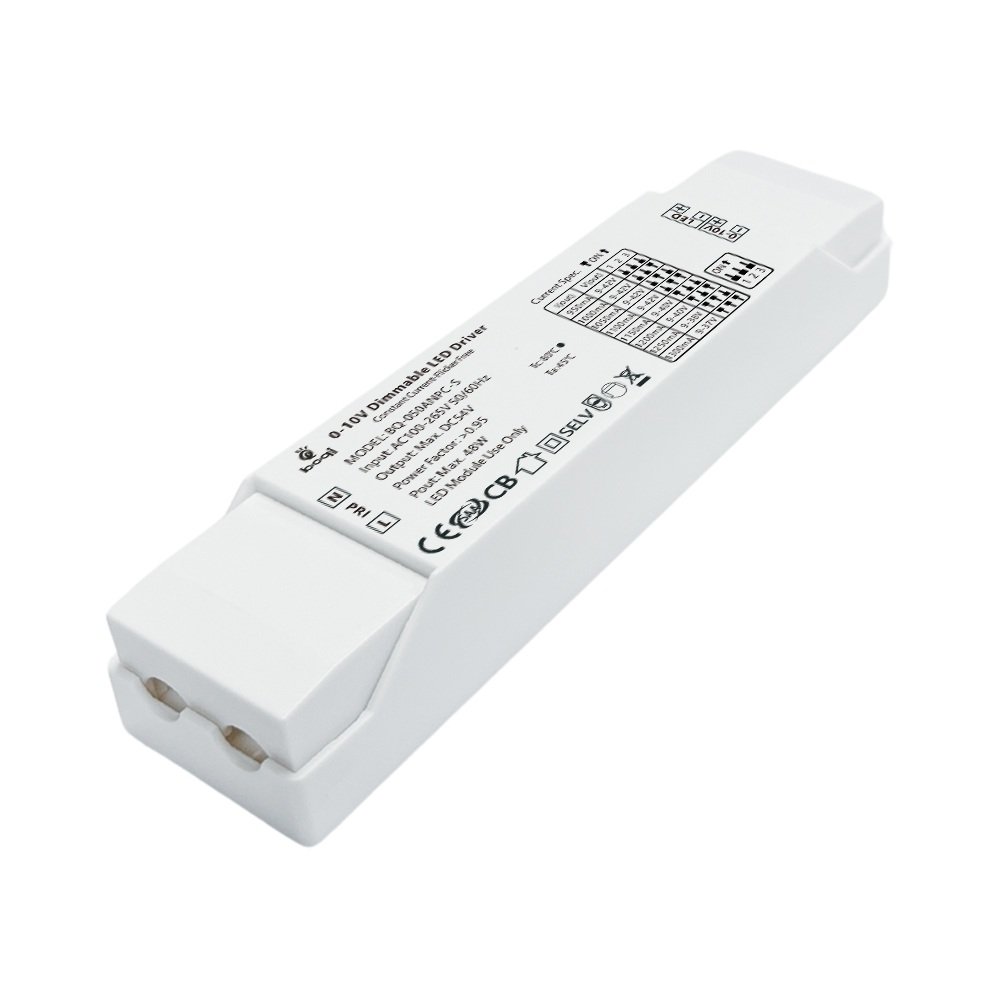
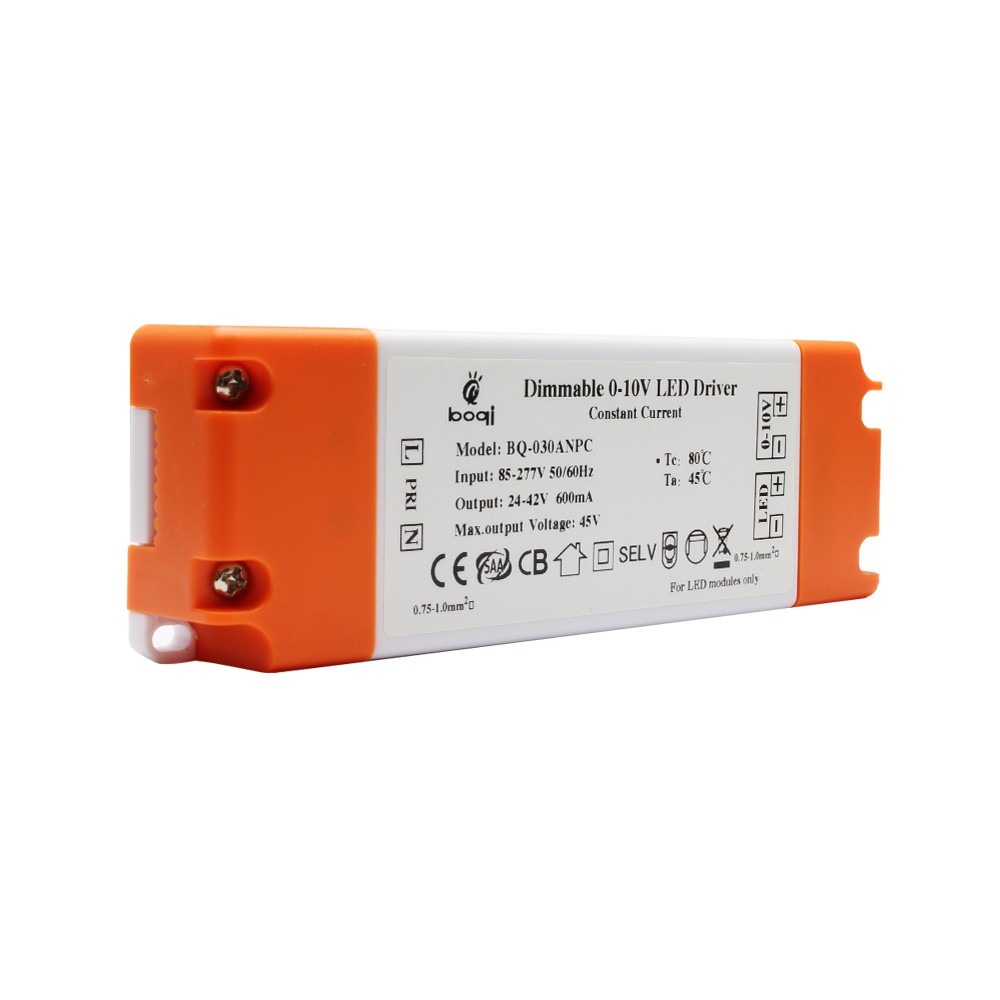
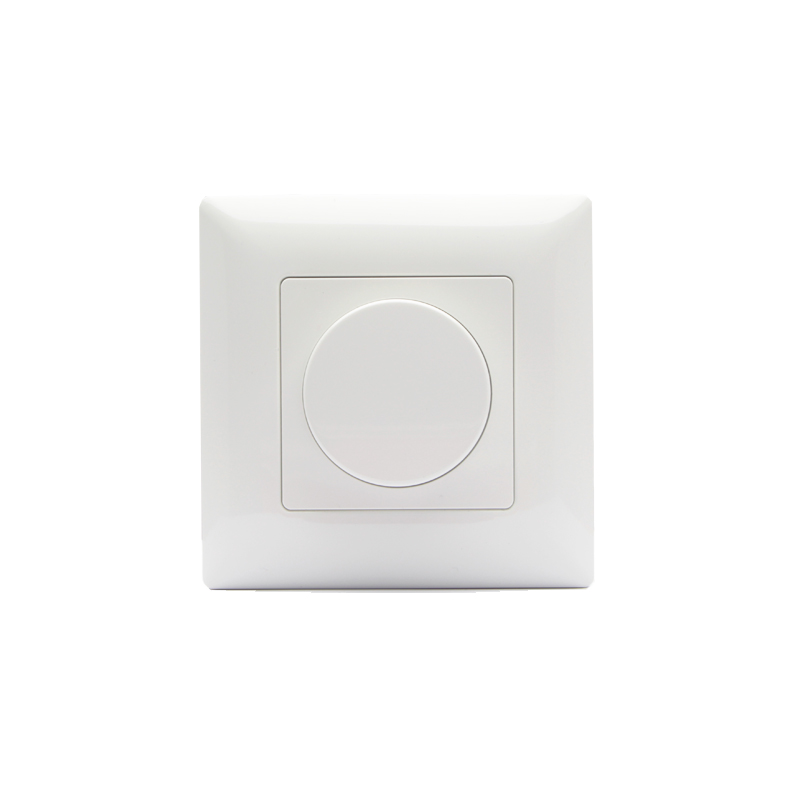
Driver LED boqi a corrente costante 0–10V
Non vendiamo solo driver: aiutiamo a risolvere problemi di progettazione. I nostri driver sono:
- Testati per una dimmerazione senza sfarfallio
- Costruiti con componenti premium
- Supportati da vera assistenza ingegneristica
Che tu stia lavorando a un museo, un magazzino o una nuova linea di prodotti, ti aiutiamo a garantire che il tuo sistema di illuminazione funzioni esattamente come previsto. Questo è ciò che ci rende il tuo partner affidabile per la dimmerazione.
Conclusione
Comprendere i driver 0–10V a corrente costante aiuta a evitare lo sfarfallio, aumentare l'affidabilità e garantire che i tuoi progetti di illuminazione funzionino nel mondo reale.