Chuyển đến nội dung










Nhiều dự án chiếu sáng LED gặp vấn đề về độ sáng không ổn định, nhấp nháy hoặc khả năng tương thích kém. Nguyên nhân gốc rễ? Sự không khớp giữa loại driver và phương pháp điều chỉnh độ sáng.
Driver LED có thể điều chỉnh độ sáng 0–10V dòng không đổi là bộ nguồn cung cấp dòng điện đầu ra cố định trong khi điều chỉnh độ sáng dựa trên tín hiệu analog điện áp thấp từ 0 đến 10 volt.
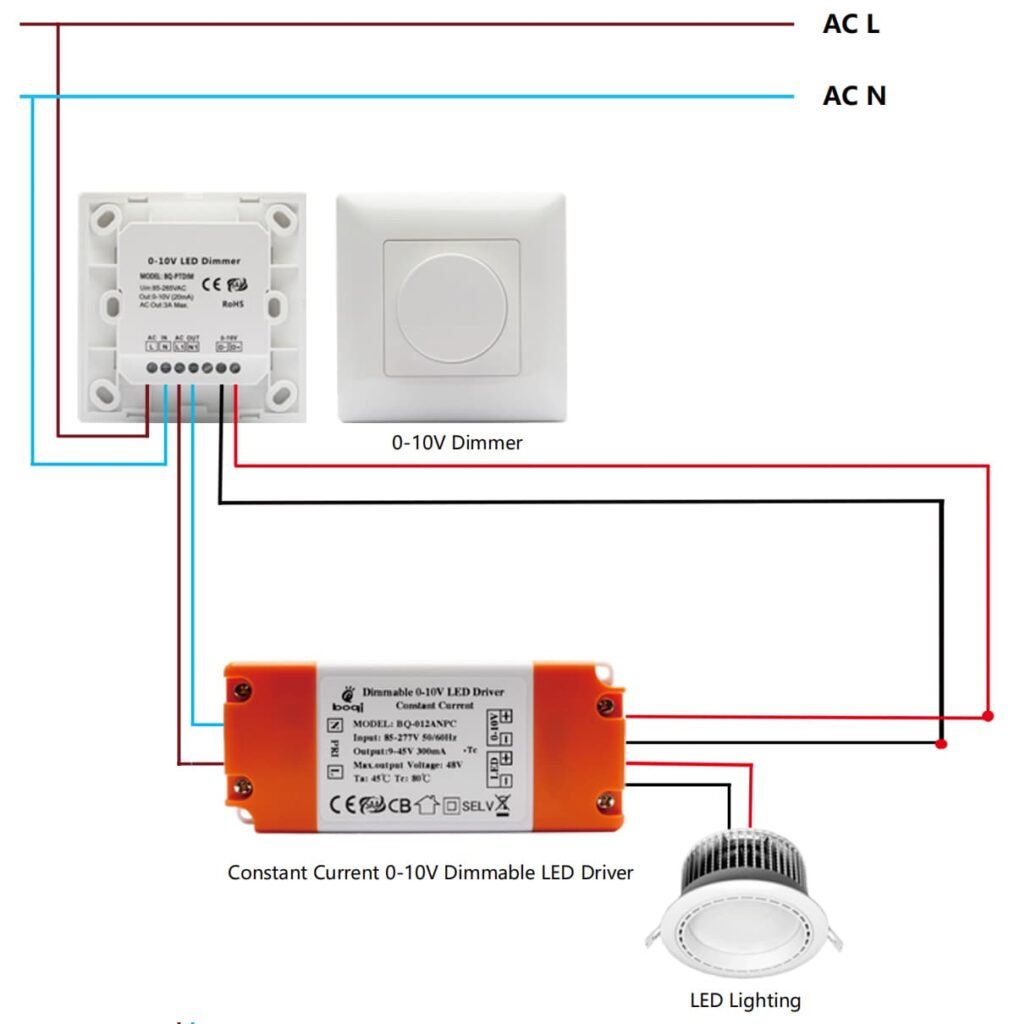
Nếu bạn đang xây dựng hoặc mua hệ thống chiếu sáng LED thương mại, việc hiểu cách driver này hoạt động—và nơi sử dụng nó—sẽ giúp tránh các sai lầm thiết kế tốn kém.
Hiểu về Driver LED Dòng Không Đổi?
Nhiều sự cố chiếu sáng do sử dụng sai loại driver LED. Quá nhiệt, nhấp nháy hoặc tuổi thọ kém thường đến từ việc dùng điện áp không đổi khi bạn nên dùng dòng không đổi.
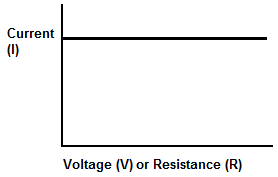
Driver LED dòng không đổi cung cấp dòng điện cố định—đo bằng milliampe—bất kể điện áp yêu cầu của các LED trong chuỗi.
Tại Sao Việc Ổn Định Dòng Điện Lại Quan Trọng
Ổn định dòng không đổi đảm bảo mỗi LED trong chuỗi nhận đúng lượng dòng điện. LED là linh kiện nhạy cảm với dòng điện. Nếu dòng quá cao, LED quá nhiệt. Nếu quá thấp, công suất ánh sáng giảm.
Đây là so sánh:
| Tính Năng | Bộ Nguồn Dòng Điện Không Đổi | Bộ Nguồn Điện Áp Không Đổi |
|---|---|---|
| Loại Đầu Ra | Dòng Cố Định (ví dụ: 350mA) | Điện Áp Cố Định (ví dụ: 12V hoặc 24V) |
| Tốt nhất cho | Cấu hình LED nối tiếp | Mô-đun LED song song |
| Rủi Ro Hư Hỏng LED | Thấp | Cao hơn nếu tải không khớp |
| Hiệu quả | Cao | Trung bình |
| Common Use - Ứng dụng phổ biến | Đèn thương mại, công nghiệp | Đèn dải, biển hiệu |
Driver dòng không đổi lý tưởng khi bạn cấp nguồn cho các LED mắc nối tiếp. Bạn chỉ cần khớp dòng của driver với dòng định mức của LED. Điện áp sẽ tự động điều chỉnh trong phạm vi quy định.
Điều Chỉnh Độ Sáng 0–10V Nghĩa Là Gì?
Các nhà thiết kế thường chọn 0–10V vì nó ổn định, giá cả phải chăng và dễ tích hợp. Nhưng không phải ai cũng hiểu cách nó thực sự hoạt động.
Điều chỉnh độ sáng 0–10V là phương pháp điều khiển analog trong đó đầu vào 0V làm đèn tối đến mức tối thiểu (hoặc tắt), và 10V cung cấp độ sáng tối đa.

Cách Điện Áp Analog Điều Khiển Ánh Sáng
Nguyên lý rất đơn giản: một đường tín hiệu điều khiển riêng truyền điện áp DC từ 0 đến 10 volt đến driver. Driver đọc điện áp này và điều chỉnh dòng đầu ra theo tỷ lệ, từ đó làm mờ ánh sáng LED.
| Điện Áp Điều Khiển | Độ Sáng Đèn |
|---|---|
| 0V | 0% (hoặc độ mờ tối thiểu) |
| 1V | ~10% |
| 5V | ~50% |
| 10V | 100% |
Có hai loại điều chỉnh độ sáng 0–10V:
- Loại Sink (Hút Dòng): Driver cấp nguồn 10V và bộ điều chỉnh hút dòng để kiểm soát điện áp. Đây là loại phổ biến nhất.
- Loại Source (Nguồn Áp): Bộ điều chỉnh cung cấp điện áp. Ít phổ biến hơn.
Tín hiệu analog mang lại khả năng điều chỉnh độ sáng mượt mà, liên tục mà không có bước số hoặc nhấp nháy. Nó đặc biệt phù hợp cho các ứng dụng thương mại và kiến trúc.
Driver 0–10V Dòng Không Đổi Hoạt Động Cùng Nhau Như Thế Nào?
Không chỉ đơn giản là kết hợp hai công nghệ lại với nhau. Sự tương tác giữa điều khiển dòng không đổi và điều chỉnh độ sáng analog phải được tinh chỉnh cẩn thận.
Driver 0–10V dòng không đổi điều chỉnh dòng đầu ra theo đầu vào 0–10V trong khi duy trì phạm vi dòng cố định phù hợp với tải LED.

Bên Trong Driver: Tín Hiệu và Nguồn Điện Khớp Nhau Như Thế Nào
Đây là cách hoạt động:
- Chuyển Đổi Nguồn: Driver nhận nguồn AC và chuyển đổi thành đầu ra DC đã được ổn định.
- Điều Khiển Dòng: Nó khóa dòng đầu ra—ví dụ 700mA—trong phạm vi điện áp xác định.
- Giao Diện Điều Chỉnh Độ Sáng: Một chân đầu vào riêng đọc tín hiệu điều khiển 0–10V.
- Mạch Điều Chỉnh Độ Sáng Analog: Tín hiệu này điều biến điện áp tham chiếu, từ đó điều chỉnh vòng phản hồi bên trong.
- Đầu Ra Điều Chỉnh Độ Sáng Mượt Mà: Dòng đầu ra được giảm dần một cách mượt mà mà không nhấp nháy.
Driver phải duy trì độ chính xác dòng điện ngay cả ở mức điều chỉnh độ sáng thấp. Đó là lý do chất lượng quan trọng: driver rẻ tiền thường nhấp nháy dưới 20%.
Thông số kỹ thuật chính cần theo dõi:
| Thông Số | Giá Trị Điển Hình | Ghi Chú |
|---|---|---|
| Dòng Điện Đầu Ra | 350mA–1500mA | Phụ thuộc vào thiết kế đèn |
| Điện Áp Đầu Ra | 12V–50V | Phù hợp với điện áp thuận của LED |
| Phạm Vi Điều Chỉnh Độ Sáng | 10%–100% hoặc 1%–100% | Xác định độ chính xác điều khiển |
| Tín hiệu điều khiển | 0–10V tương tự | Phải chống nhiễu |
Các ứng dụng chính của Driver dòng không đổi 0–10V?
Một số ứng dụng chiếu sáng cần độ chính xác, độ tin cậy và khả năng điều chỉnh độ sáng không nhấp nháy—đây là lúc Driver dòng không đổi 0–10V tỏa sáng.
Loại Driver này phù hợp nhất cho các hệ thống chiếu sáng thương mại, kiến trúc, công nghiệp và dân dụng cao cấp, nơi cần điều chỉnh độ sáng ổn định và tuổi thọ dài.

Chúng ta thấy những Driver này ở đâu?
Chiếu sáng thương mại
Không gian văn phòng và trung tâm mua sắm thường sử dụng đèn linear hoặc đèn panel gắn trần. Dòng điện ổn định đảm bảo độ sáng đồng đều.
Chiếu sáng công nghiệp
Trong nhà kho hoặc nhà máy, đèn LED high bay với điều chỉnh độ sáng 0–10V giúp tiết kiệm năng lượng trong giờ ít hoạt động.
Chiếu sáng kiến trúc và bảo tàng
Kiểm soát tinh tế là yếu tố then chốt. Với điều chỉnh độ sáng tương tự mượt mà, bạn có thể làm nổi bật tác phẩm nghệ thuật hoặc điều chỉnh không gian với độ chính xác cao.
Khách sạn và dân dụng cao cấp
Trong khách sạn hoặc nhà cao cấp, 0–10V cho phép tích hợp liền mạch với hệ thống quản lý tòa nhà.
| Khu vực ứng dụng | Lý do sử dụng |
|---|---|
| Văn phòng và bán lẻ | Tiết kiệm năng lượng, độ sáng ổn định |
| Bảo tàng và phòng trưng bày | Điều chỉnh độ sáng chính xác, không nhấp nháy |
| Nhà kho | Công suất cao, hiệu suất bền bỉ |
| Dân dụng (Cao cấp) | Kiểm soát không gian mượt mà |
Lợi ích cho Nhà thiết kế chiếu sáng và Kỹ sư?
Chúng ta thường bị mắc kẹt giữa chi phí và hiệu suất. Nhưng Driver dòng không đổi 0–10V mang lại điểm cân bằng lý tưởng hỗ trợ thiết kế tốt và độ tin cậy vững chắc.
Những Driver này đơn giản hóa thiết kế mạch, giảm nguy cơ nhấp nháy và cải thiện khả năng tương thích với hệ thống điều chỉnh độ sáng—đặc biệt cho các trường hợp sử dụng cao cấp hoặc chuyên nghiệp.
Tại sao loại Driver này giúp ích cho các chuyên gia
Bố trí LED đơn giản hóa
Bạn thiết kế theo chuỗi. Không cần tính toán cân bằng tải song song.
Tương thích rộng
0–10V là tiêu chuẩn trên các bộ điều chỉnh độ sáng, cảm biến và bộ điều khiển tự động hóa.
Hành vi điều chỉnh độ sáng có thể dự đoán
Điều chỉnh độ sáng tương tự tránh hiệu ứng “bước nhảy” thấy trong một số hệ thống kỹ thuật số.
Giảm EMI và nguy cơ nhấp nháy
Với điều khiển tương tự và dòng điện ổn định, hệ thống vận hành êm ái và mượt mà.
Lộ trình chứng nhận đáng tin cậy
Dễ dàng đáp ứng yêu cầu UL, CE hoặc DLC nhờ giao diện được tiêu chuẩn hóa.
Kỹ sư và nhà thiết kế chiếu sáng có thêm sự tự tin khi hệ thống của họ ổn định, có thể mở rộng và dễ bảo trì trong nhiều năm.
Cân nhắc về tương thích và tích hợp hệ thống?
Một Driver tốt không chỉ nằm ở thông số kỹ thuật—nó phải phù hợp trong một hệ thống lớn hơn. Cách đi dây, điện áp và hành vi tín hiệu đều ảnh hưởng đến hiệu suất.
Để đảm bảo tích hợp suôn sẻ, hãy kiểm tra khả năng tương thích của bộ điều chỉnh độ sáng, sơ đồ đấu dây và rủi ro nhiễu tín hiệu trước khi chọn driver 0–10V dòng điện không đổi.

Bạn nên lưu ý điều gì?
Tính toàn vẹn của tín hiệu điều khiển
- Sử dụng cáp có vỏ bọc cho đường 0–10V.
- Tránh đi dây điều chỉnh độ sáng gần nguồn điện xoay chiều.
Độ chính xác dải điều chỉnh độ sáng
- Không phải tất cả bộ điều chỉnh độ sáng đều đạt 0V hoặc 10V đầy đủ.
- Một số driver ngừng điều chỉnh độ sáng dưới 1V.
Phù hợp tải
- Đảm bảo điện áp thuận của LED nằm trong dải đầu ra của driver ở dòng điện đầy đủ.
- Tránh để driver chạy non tải.
Khả năng tương tác
- Kiểm tra cặp driver-bộ điều chỉnh độ sáng trong điều kiện thực tế.
- Xác minh đường cong điều chỉnh độ sáng phù hợp với nhu cầu ứng dụng.
| Điểm kiểm tra | Tại Sao Nó Quan Trọng |
|---|---|
| Điện áp đầu ra bộ điều chỉnh độ sáng | Ảnh hưởng đến dải điều khiển |
| Chiều dài/Loại cáp | Có thể gây nhiễu hoặc sụt áp |
| Thông số đầu ra driver | Phải phù hợp với yêu cầu của chuỗi LED |
| Yếu tố môi trường | Nhiệt độ cao hoặc độ ẩm ảnh hưởng đến độ ổn định |
Chọn driver 0–10V dòng điện không đổi phù hợp?
Quá nhiều model, thông số và lời hứa tiếp thị—bạn quyết định thế nào?
Chọn driver phù hợp với dòng điện, dải điện áp, đường cong điều chỉnh độ sáng và ràng buộc vật lý của LED. Luôn xác minh chứng nhận và hiệu suất thực tế.
Danh sách kiểm tra chọn nhanh của tôi
Định mức dòng điện
Phù hợp với dòng điện thuận định mức của module LED (ví dụ: 700mA).
Dải điện áp
Đảm bảo đáp ứng tổng điện áp thuận của chuỗi LED.
Hiệu suất điều chỉnh độ sáng
Kiểm tra dải điều chỉnh độ sáng: 10%–100% là tốt; 1%–100% là tốt hơn.
Xếp hạng môi trường
Dùng trong nhà hay ngoài trời? Cần IP65 hoặc cao hơn?
Kích thước vật lý
Có vừa bên trong vỏ của bạn không?
Chứng nhận
UL, CE, RoHS và tùy chọn DLC để được hoàn tiền.
| Tiêu chí lựa chọn | Yêu cầu điển hình |
|---|---|
| Dòng Điện Đầu Ra | 350–1500mA |
| Dải điện áp đầu ra | 12–48V |
| Giao diện điều chỉnh độ sáng | 0–10V tương tự |
| Phạm Vi Điều Chỉnh Độ Sáng | 1%–100% hoặc 10%–100% |
| Xếp hạng IP | IP20 (trong nhà), IP65 (ngoài trời) |
| Tiêu chuẩn an toàn | UL8750, EN61347 |
Tại sao chọn boqi làm Đối tác Điều chỉnh độ sáng của bạn?
Có hàng trăm nhà cung cấp driver LED. Vậy tại sao tin tưởng chúng tôi?
Tại boqi, chúng tôi chuyên về driver dòng điện không đổi 0–10V độ tin cậy cao, hỗ trợ điều chỉnh độ sáng mượt mà, kiểm soát dòng điện chính xác và tuân thủ đầy đủ các tiêu chuẩn toàn cầu.
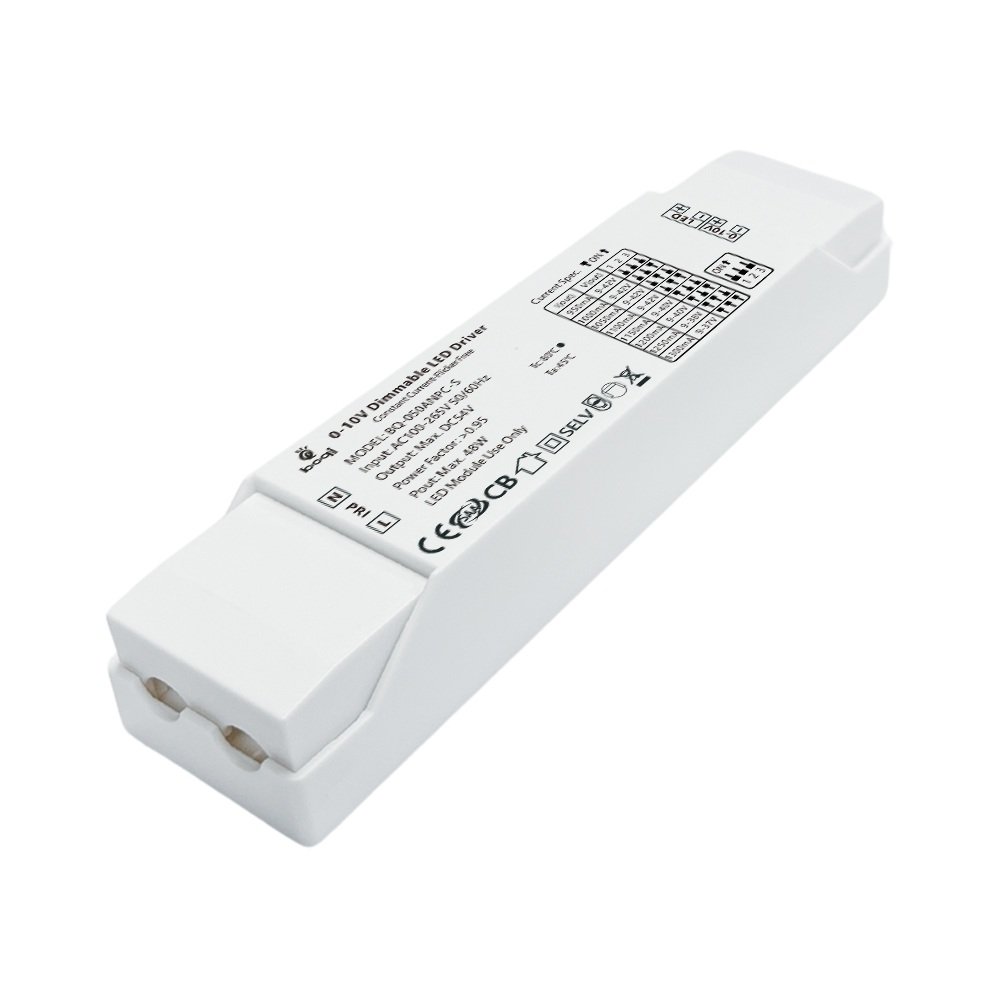
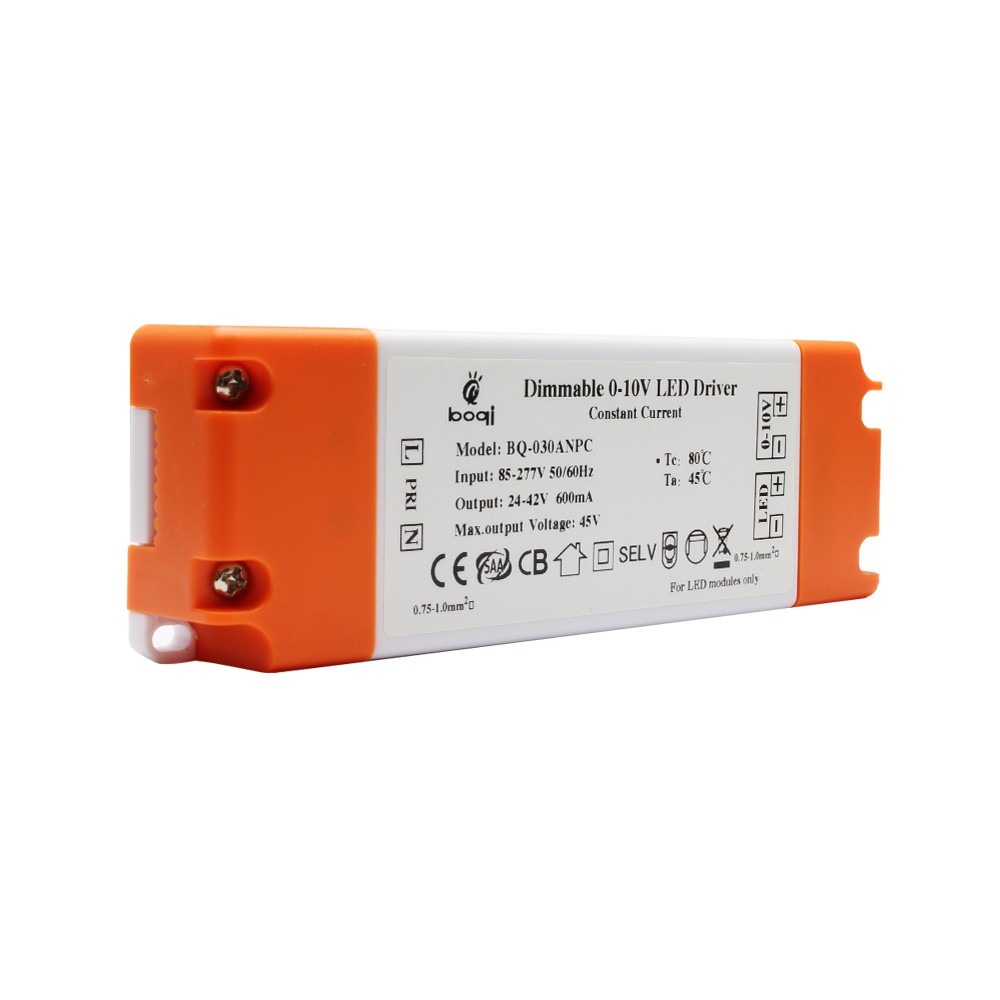
Driver LED dòng điện không đổi 0–10V boqi
Chúng tôi không chỉ bán driver—chúng tôi giúp giải quyết các vấn đề thiết kế. Driver của chúng tôi:
- Được kiểm tra khả năng điều chỉnh độ sáng không nhấp nháy
- Được chế tạo với linh kiện cao cấp
- Được hỗ trợ bởi đội ngũ kỹ sư thực sự
Cho dù bạn đang làm việc cho một bảo tàng, một nhà kho hay một dòng sản phẩm mới, chúng tôi giúp đảm bảo hệ thống chiếu sáng của bạn hoạt động chính xác như mong đợi. Đó là điều khiến chúng tôi trở thành đối tác điều chỉnh độ sáng đáng tin cậy của bạn.
Phần kết luận
Hiểu về driver dòng điện không đổi 0–10V giúp tránh nhấp nháy, tăng độ tin cậy và đảm bảo thiết kế chiếu sáng của bạn hoạt động trong thực tế.