Skip to content











อีเมลที่ตื่นตระหนกมาถึงโรงงานของเราเมื่อฤดูใบไม้ผลิที่แล้ว: มิเตอร์ของลูกค้าแสดงแรงดันไฟฟ้า “ผิด” หลังจากส่งคำสั่ง DALI ไม่มีอะไรเสียหาย ความเข้าใจผิดนั้นทำให้เสียเวลาหลายชั่วโมง ให้ฉันช่วยคลายปมให้.
คำสั่ง DALI ไม่ได้ตั้งค่าแรงดันเอาต์พุต LED ที่เฉพาะเจาะจง พวกมันส่งระดับกำลังอาร์คหรือระดับแสงดิจิทัลตั้งแต่ 0–254 ไดรเวอร์ LED แบบ DALI ตีความคำสั่งนั้นและควบคุมแรงดันและกระแสเอาต์พุตของตัวเองเพื่อให้ถึงความสว่างที่ร้องขอสำหรับโหลด LED ที่เชื่อมต่อ.
ความแตกต่างเพียงข้อเดียวอธิบายความสับสนส่วนใหญ่เกี่ยวกับการหรี่แสงแบบ DALI ในบทความนี้ ฉันจะอธิบายว่าคำสั่งเปลี่ยนอะไรจริงๆ วิธีตรวจสอบพฤติกรรมของไดรเวอร์ ทำไมแรงดันไฟฟ้าถึงขยับระหว่างการหรี่แสง และวิธีปรับแต่งการตอบสนองสำหรับโปรเจกต์ของคุณ.
คำสั่ง DALI เปลี่ยนแรงดันเอาต์พุตของไดรเวอร์ LED ของฉันจริงหรือไม่?
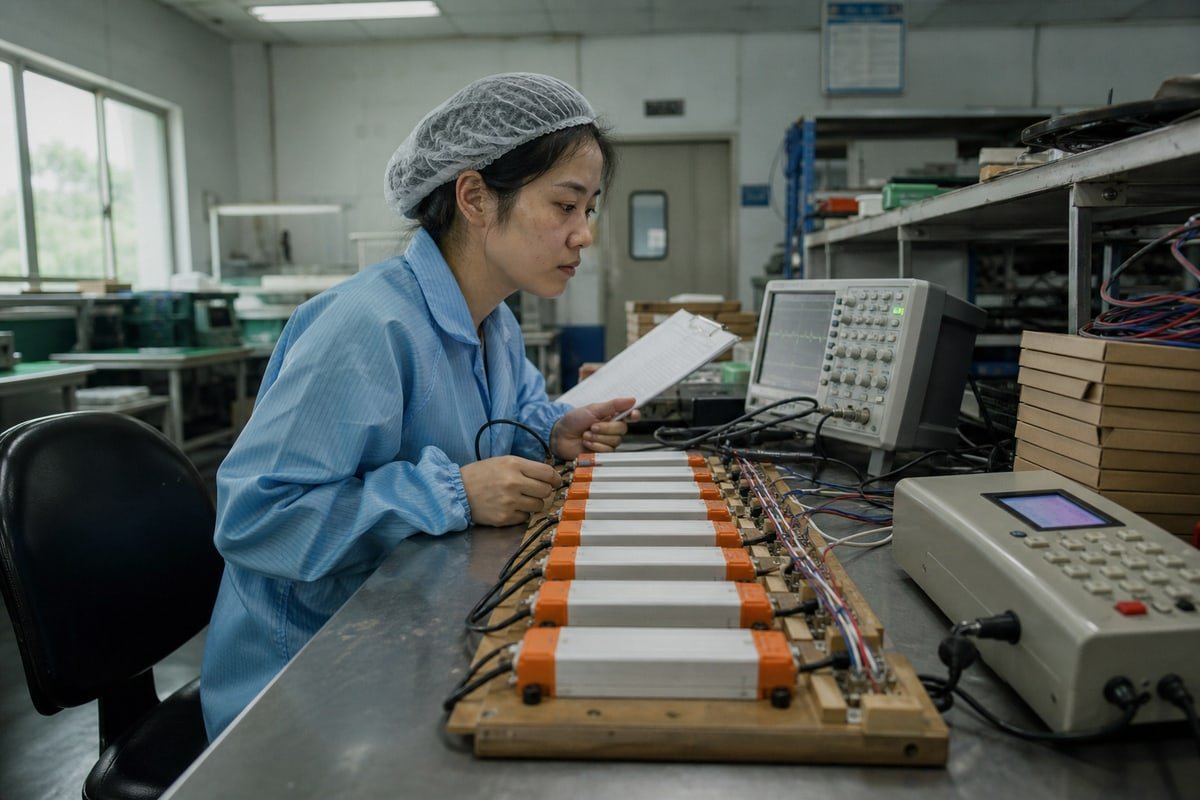
บนแท่นทดสอบปลายสายการผลิตของเรา ไดรเวอร์แบบหรี่แสง DALI ทุกตัวที่เราจัดส่งจะถูกสแกนคำสั่งแบบเต็มรูปแบบ การดูบันทึกการทดสอบเหล่านั้นทุกวันสอนฉันว่าคำสั่งใดสำคัญจริงๆ.
คำสั่ง DALI เช่น DAPC (Direct Arc Power Control), UP, DOWN, STEP UP และ RECALL MAX LEVEL เปลี่ยนระดับแสงเป้าหมายของไดรเวอร์ ไม่ใช่แรงดันไฟฟ้าโดยตรง จากนั้นอุปกรณ์ควบคุมจะปรับกระแส แรงดัน หรือรอบการทำงาน PWM ภายในเพื่อให้ถึงเป้าหมายที่ร้องขอนั้น.
คิดถึงห่วงโซ่การควบคุมแบบนี้: คำสั่ง DALI → ระดับแสงที่ร้องขอ → วงควบคุมไดรเวอร์ LED → แรงดันและกระแสเอาต์พุต → แสงเอาต์พุต LED ไดรเวอร์ ไม่ใช่บัส DALI เป็นตัวกำหนดจุดทำงานทางไฟฟ้าจริง ภายใต้ มาตรฐาน IEC 62386 1, คำสั่ง Direct Arc Power Control มีค่า 8 บิต ค่านั้นแมประดับการหรี่แสง 0–254 ลงบนเส้นโค้งการหรี่แสงแบบลอการิทึม ซึ่งตรงกับวิธีที่ตามนุษย์รับรู้ความสว่าง จากนั้นไดรเวอร์ทำหน้าที่เหมือนตัวแปลงดิจิทัลเป็นแอนะล็อก แปลขั้นตอนดิจิทัลนั้นเป็นการเปลี่ยนแปลงเอาต์พุตทางกายภาพ.
แรงดันไฟฟ้าสามชนิดที่คนสับสน
ผู้อ่านมักปนสามสิ่งที่แตกต่างกันโดยสิ้นเชิง ฉันแยกให้ลูกค้าใหม่ทุกคน เพราะความสับสนนั้นพบได้ทั่วไป.
| ประเภทแรงดันไฟฟ้า | ค่าทั่วไป | มันคืออะไรจริงๆ |
|---|---|---|
| แรงดันบัส DALI | ประมาณ 16 VDC | สัญญาณสื่อสารเท่านั้น จำกัดกระแสที่ 250 mA |
| แรงดันเอาต์พุตไดรเวอร์ | ขึ้นอยู่กับโหลด LED | พลังงานไฟฟ้าที่ส่งไปยังสาย LED |
| ระดับแสงเอาต์พุต | สเกลดิจิทัล 0–254 | สิ่งที่คำสั่ง DALI ควบคุมจริงๆ |
วิธีที่ไดรเวอร์แปลคำสั่ง
สำหรับ ไดรเวอร์กระแสคงที่ 2, คำสั่งเปลี่ยนกระแสที่ถูกควบคุม แรงดันเอาต์พุตจะปรับไปที่จุดที่แรงดันไปข้างหน้าของสาย LED ตั้งอยู่ สำหรับไดรเวอร์แรงดันคงที่ แรงดันจะคงที่ และไดรเวอร์มักจะปรับรอบการทำงานของสัญญาณ PWM ความถี่สูงแทน คำสั่งการกำหนดค่าเช่น FADE TIME และ FADE RATE ควบคุมความเร็วของการเปลี่ยน ดังนั้นคำสั่ง UP เดียวอาจเลื่อนเอาต์พุตทีละน้อยหลายวินาที ไม่ใช่ทันที.
ฉันจะตรวจสอบได้อย่างไรว่าไดรเวอร์ DALI ของฉันตอบสนองต่อคำสั่งแรงดันไฟฟ้าอย่างถูกต้อง?
ตัวแทนจำหน่ายไฟในสิงคโปร์เคยส่งข้อความหาเราทาง WhatsApp กังวลว่าไดรเวอร์ของเรา “ไม่สนใจ” คำสั่ง การทดสอบพร้อมคำแนะนำสิบนาทีแสดงว่ามิเตอร์ของเขาอยู่ที่ขั้วบัส ไม่ใช่เอาต์พุต.
ตรวจสอบไดรเวอร์ DALI โดยเช็คแรงดันบัส (ประมาณ 16 VDC) ส่งระดับการหรี่แสงที่รู้จัก 0–254 และวัดแสงเอาต์พุต ไม่ใช่แค่แรงดัน LED จากนั้นใช้คำสั่งสอบถาม หรือรายงานพลังงาน D4i บนไดรเวอร์ DALI-2 เพื่อยืนยันว่าไดรเวอร์ถึงระดับที่ร้องขอ.

การตรวจสอบเริ่มต้นที่ชั้นการสื่อสาร ไม่ใช่โหลด หากแหล่งจ่ายไฟบัส DALI อ่อนหรือโอเวอร์โหลด คำสั่งจะไม่มาถึงอย่างสะอาด บัสถูกจำกัดกระแสที่ 250 mA การดึงเกินจะทำให้สัญญาณล่ม ระหว่างการสื่อสารปกติ แรงดันลูปจะผันผวนประมาณ ±2–3 VDC เพราะอุปกรณ์ลัดวงจรลูปชั่วครู่เพื่อส่งบิต ความผันผวนนั้นเป็นปกติ ไม่ใช่ข้อผิดพลาด.
กระบวนการตรวจสอบทีละขั้นตอน
- วัดแรงดันบัสขณะว่าง ควรอยู่ใกล้ 16 VDC.
- ส่งคำสั่ง DAPC ที่ระดับที่รู้จัก เช่น 128.
- สังเกตแสง ควรเคลื่อนที่อย่างราบรื่นตามเส้นโค้งการหรี่แสงแบบลอการิทึม.
- สอบถามระดับจริงของไดรเวอร์ ควรสะท้อนค่าที่คุณส่ง.
- จากนั้นวัดกระแสและแรงดันเอาต์พุต LED เทียบกับเอกสารข้อมูล.
การอ่านบัสอย่างถูกต้อง
| การอ่านบัส | ความหมาย |
|---|---|
| สูงกว่า 9.5 V | โซนลอจิกสูง ค่าปกติสูงใกล้ 16 V |
| ต่ำกว่า 6.5 V | ลอจิกต่ำระหว่างการส่งบิต |
| 5 V ถึง 9.5 V | โซนไม่กำหนด การอ่านที่นี่บ่งบอกปัญหาสายไฟหรือแหล่งจ่าย |
ไดรเวอร์กระแสคงที่แบบ ไดรเวอร์ DALI-2 3 ทำให้การตรวจสอบง่ายยิ่งขึ้น ไดรเวอร์ D4i ที่สร้างตามมาตรา Part 252 รายงานข้อมูลแรงดันไฟฟ้า กำลังไฟฟ้า และพลังงานแบบเรียลไทม์ผ่านคำสั่งสอบถาม ในกระบวนการควบคุมคุณภาพของเรา เราบันทึกข้อมูลตอบกลับนี้สำหรับทุกชุดก่อนส่งออก เนื่องจากมาตรฐานการรับรอง DALI-2 ทำให้การแมปค่าคำสั่งกับเอาต์พุตมีความสอดคล้องกันระหว่างผู้ผลิต ความสอดคล้องนี้คือสิ่งที่ผู้ซื้ออย่างบริษัทวิศวกรรมต้องการสำหรับโครงการที่มีผู้ผลิตหลายราย.
ทำไมแรงดันไฟฟ้าขาออกของฉันถึงผันผวนหรือลดลงระหว่างการหรี่แสงแบบ DALI?
ในช่วงต้นอาชีพการส่งออกของฉัน ทีมโครงการในเยอรมนีส่งคืนชุดสินค้าที่พวกเขาเชื่อว่ามีข้อบกพร่อง ทุกหน่วยผ่านการทดสอบซ้ำ บทเรียนที่ติดอยู่คือ: ค่าแรงดันไฟฟ้าที่ไม่คาดคิดมักหมายถึงการอ่านฟิสิกส์ผิดพลาด ไม่ใช่ไดรเวอร์เสีย.
แรงดันเอาต์พุตเปลี่ยนแปลงระหว่างการหรี่แสงแบบ DALI เนื่องจากไดรเวอร์กระแสคงที่ลดกระแส LED ดังนั้นแรงดันไปข้างหน้าของชุด LED จึงลดลงตามธรรมชาติ ความผันผวนที่เห็นบนมิเตอร์มักมาจากการหรี่แสงแบบ PWM การเปลี่ยนเฟด หรือการวัดบัสสื่อสารโดยไม่ได้ตั้งใจแทนที่จะวัดเอาต์พุต LED.
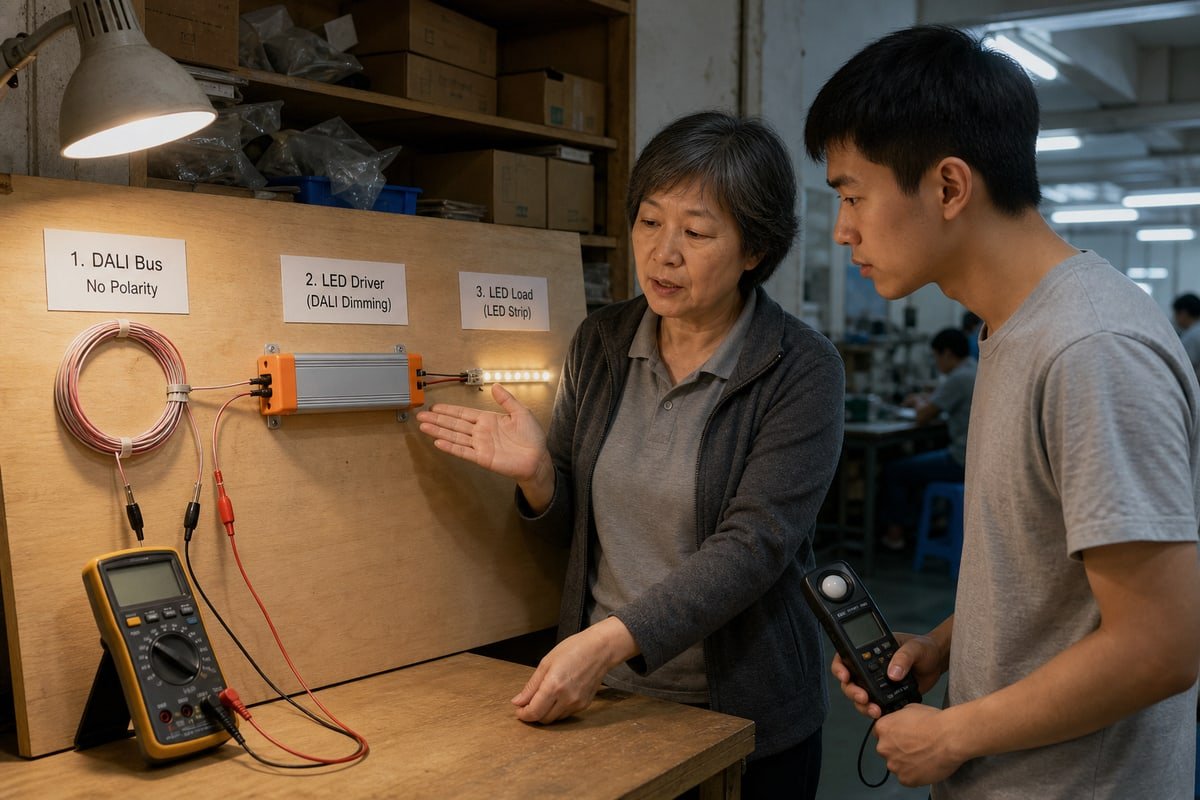
ให้ฉันแยกแยะเป็นเหตุและผล เพราะแต่ละแหล่งของ “ความผันผวน” มีวิธีแก้ที่ต่างกัน ประการแรก ฟิสิกส์ไดโอดพื้นฐาน LED มีแรงดันไปข้างหน้าที่ลดลงเล็กน้อยเมื่อกระแสลดลง ดังนั้นเมื่อคำสั่ง DALI หรี่แสงจาก ไดรเวอร์กระแสคงที่ 100% เป็น 10% แรงดัน LED ที่วัดได้จะลดลงเล็กน้อย นั่นคือการควบคุมที่ถูกต้อง ไม่ใช่ปัญหาการสื่อสาร หากช่างเทคนิควัดแรงดันไฟฟ้าที่ไม่คาดคิดหลังจากเปลี่ยนระดับ DALI คำถามแรกควรเป็นว่าไดรเวอร์ควบคุมโหลด LED อย่างถูกต้องหรือไม่ ไม่ใช่ว่า DALI ล้มเหลว.
ประการที่สอง การหรี่แสงแบบ PWM ไดรเวอร์แรงดันคงที่จำนวนมากรักษาแอมพลิจูดให้คงที่และสับเอาต์พุตที่ความถี่สูง มัลติมิเตอร์ที่อ่านค่าเฉลี่ยจะแสดง “แรงดันไฟฟ้า” ที่ปรับตามรอบการทำงาน แรงดันไฟฟ้าไม่ได้ทรุดลงจริง มิเตอร์กำลังเฉลี่ยพัลส์.
สาเหตุทั่วไปและความหมายที่แท้จริง
| อาการ | สาเหตุที่เป็นไปได้ | เป็นข้อบกพร่องหรือไม่? |
|---|---|---|
| แรงดันไฟฟ้าลดลงเล็กน้อยที่ระดับหรี่ต่ำ | พฤติกรรมแรงดันไปข้างหน้าปกติของชุด LED | ไม่ |
| มิเตอร์แสดงแรงดันไฟฟ้าที่ลดขนาดลง | เอาต์พุต PWM ถูกเฉลี่ยโดยมิเตอร์ | ไม่ |
| แรงดันไฟฟ้าเลื่อนช้าๆ หลังจากคำสั่ง | การเปลี่ยน FADE TIME หรือ FADE RATE กำลังดำเนินอยู่ | ไม่ |
| แรงดันไฟฟ้ากระโดดโดยไม่มีคำสั่งใหม่ | POWER ON LEVEL หรือ SYSTEM FAILURE LEVEL ถูกเรียกใช้ | ตรวจสอบสุขภาพบัส |
| คำสั่งไม่มีผลที่มองเห็นได้ | ไดรเวอร์อยู่ที่ขีดจำกัด MIN LEVEL หรือ MAX LEVEL แล้ว | ตรวจสอบการกำหนดค่า |
ประการที่สาม พฤติกรรมการเฟด FADE TIME และ FADE RATE กำหนดความเร็วในการเปลี่ยนระหว่างสถานะเอาต์พุต ไดรเวอร์ขั้นสูงใช้การประมาณค่าระหว่างจุดแบบ 16 บิตตลอดช่วง 254 ขั้น ดังนั้นการเฟดช้ามากจึงราบรื่นโดยไม่เห็นการกระโดดเป็นขั้น ในระหว่างการเฟดยาวเหล่านั้น เอาต์พุตจะเลื่อนตามธรรมชาติ สุดท้าย ไดรเวอร์ประสิทธิภาพสูงบางตัวใช้การปรับสเกลแรงดันไฟฟ้าแบบไดนามิก ปรับแรงดันไฟฟ้าของคอนเวอร์เตอร์ DC-DC ภายในที่ระดับหรี่ต่ำเพื่อลดการสูญเสียการสวิตช์และความร้อน การเคลื่อนที่ของแรงดันไฟฟ้าที่นั่นคือคุณสมบัติ ไม่ใช่ข้อบกพร่อง.
ฉันสามารถปรับแต่งวิธีที่คำสั่ง DALI ควบคุมแรงดันไฟฟ้าขาออกสำหรับโปรเจกต์ของฉันได้หรือไม่?
ทุกคำสั่งซื้อที่กำหนดเองบังคับให้เราชั่งน้ำหนักการแลกเปลี่ยน: การล็อกพารามิเตอร์ที่โรงงานให้ความสอดคล้อง ในขณะที่ปล่อยให้ตั้งโปรแกรมได้ให้ความยืดหยุ่นกับผู้ติดตั้ง เรามักแนะนำแบบผสมผสาน และนี่คือเหตุผล.
ใช่ คุณสามารถปรับแต่งวิธีที่คำสั่ง DALI กำหนดรูปแบบเอาต์พุตได้โดยการกำหนดค่าระดับขั้นต่ำ ระดับสูงสุด เวลาเฟด อัตราเฟด ระดับเมื่อเปิดเครื่อง และระดับเมื่อระบบขัดข้อง หรือโดยการสั่งซื้อไดรเวอร์ที่มีเส้นโค้งการหรี่แสงที่ปรับแต่ง ความถี่ PWM และการตั้งค่ากระแสที่ตรงกับโปรเจกต์ของคุณ.
การปรับแต่งเกิดขึ้นในสองชั้น และการเข้าใจทั้งสองช่วยประหยัดเงิน ชั้นแรกคือการกำหนดค่า DALI มาตรฐาน ไดรเวอร์ที่ปฏิบัติตามข้อกำหนดทุกตัวเก็บตัวแปรที่ปรับเปลี่ยนวิธีที่คำสั่งแปลงเป็นเอาต์พุต MIN LEVEL และ MAX LEVEL จำกัดผลลัพธ์ภายใน คำสั่งที่ต่ำกว่าค่าต่ำสุดจะหยุดที่พื้น POWER ON LEVEL กำหนดเอาต์พุตเมื่อไฟหลักมาถึงครั้งแรก SYSTEM FAILURE LEVEL กำหนดการสำรองหากสัญญาณบัสหายไป ไดรเวอร์บางตัวไปที่เอาต์พุตเต็มเมื่อเปิดเครื่องและลดลงเป็นระดับที่ตั้งไว้เมื่อสัญญาณหายไป ซึ่งหมายความว่าเอาต์พุตสามารถเปลี่ยนแปลงได้แม้ไม่มีคำสั่งใหม่ สำหรับโรงแรมและโรงพยาบาล เรามักตั้งค่าล่วงหน้าเหล่านี้ก่อนจัดส่งเพื่อให้ทุกโคมไฟมีพฤติกรรมเหมือนกันเมื่อออกจากกล่อง.
ตัวเลือกการปรับแต่งระดับโรงงาน
ชั้นที่สองคือการปรับแต่งฮาร์ดแวร์และเฟิร์มแวร์ ซึ่งเราจัดการในขั้นตอนการออกแบบ:
- การตั้งค่ากระแสเอาต์พุต. เราจับคู่จุดควบคุมของไดรเวอร์กระแสคงที่กับโมดูล LED ที่แน่นอนของคุณ เพื่อให้ระดับ DALI เดียวกันสร้างแสงที่คาดเดาได้ทั่วทั้งโครงการ.
- การเลือกเส้นโค้งการหรี่แสง. ลอการิทึมเหมาะกับการรับรู้ของมนุษย์ เชิงเส้นเหมาะกับเซนเซอร์เก็บแสงกลางวันและอัลกอริทึมควบคุม.
- ความถี่ PWM. ความถี่ที่สูงขึ้นหลีกเลี่ยงการกะพริบบนไซต์ที่ใช้กล้องหนัก เช่น สตูดิโอหรือพื้นที่ค้าปลีก.
- ประสิทธิภาพการหรี่ลึก. ไดรเวอร์ที่มีการประมาณค่าแบบ 16 บิตทำให้การหรี่แสง 1% ราบรื่นสำหรับโรงภาพยนตร์และห้องประชุม.
- แบรนด์และเอกสาร. เรานำเสนอโลโก้ที่ปรับแต่งได้และการออกแบบส่วนตัวสำหรับผู้จัดจำหน่ายที่สร้างสายผลิตภัณฑ์ของตนเอง.
ข้อยกเว้นหนึ่งควรได้รับคำเตือนที่ชัดเจน ตัวแปลง DALI เป็น 0–10V เฉพาะ 4 แปลงคำสั่ง DALI เป็นแรงดันควบคุมแอนะล็อกโดยเจตนา โดยแมป 0–254 กับเอาต์พุต 0–10 V นั่นคืออุปกรณ์แปลงปลายทาง ไม่ใช่พฤติกรรมปกติของไดรเวอร์ DALI หากโครงการของคุณผสมคอนโทรลเลอร์ DALI กับไดรเวอร์ LED แบบหรี่ 0-10V รุ่นเก่า ให้ใช้อินเทอร์เฟซนั้นโดยตั้งใจ และอย่าคาดหวังให้ไดรเวอร์ DALI มาตรฐานทำงานแบบเดียวกัน.
บทสรุป
คำสั่ง DALI ขอระดับแสง ไดรเวอร์ตั้งค่าแรงดันไฟฟ้า การอ่านผิดพลาดทำให้โครงการเสียเวลาและความไว้วางใจ เลือกไดรเวอร์ที่กำหนดค่าอย่างดีและ, ได้รับการรับรอง DALI-2, และความประหลาดใจเหล่านั้นก็หายไป.
เชิงอรรถ
- เว็บไซต์อย่างเป็นทางการสำหรับมาตรฐานสากลที่ควบคุมเทคโนโลยี DALI. ↩︎
- แหล่งข้อมูลที่เชื่อถือได้สำหรับมาตรฐานวิศวกรรมไฟฟ้าและคำศัพท์ที่เกี่ยวข้องกับอิเล็กทรอนิกส์กำลัง. ↩︎
- พันธมิตรอุตสาหกรรมอย่างเป็นทางการที่ให้การรับรองและข้อกำหนดทางเทคนิคสำหรับเทคโนโลยี DALI-2. ↩︎
- ให้บริบทเกี่ยวกับโปรโตคอล DALI และความแตกต่างจากระบบปรับแสงแบบแอนะล็อก. ↩︎