Przejdź do treści










Sterowanie DALI staje się standardem w inteligentnym oświetleniu, ale jak właściwie współpracuje z LED-owymi sterownikami o stałym prądzie?
DALI współpracuje z LED-owymi sterownikami o stałym prądzie, wysyłając cyfrowe polecenia w celu regulacji jasności poprzez kontrolę prądu, zamiast analogowej kontroli napięcia.
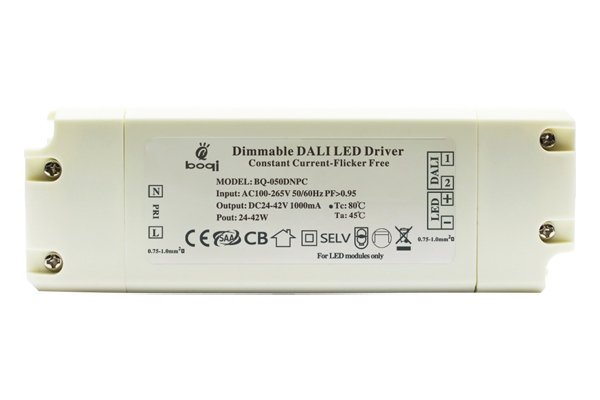
W tym artykule przeprowadzę Cię przez to, jak DALI i sterowniki o stałym prądzie współpracują, aby stworzyć elastyczne, wysokowydajne rozwiązanie do ściemniania. Niezależnie od tego, czy jesteś projektantem oświetlenia, czy kupującym takim jak Jacky, zrozumienie tego systemu może pomóc Ci podejmować lepsze decyzje i szybciej rozwiązywać problemy techniczne.
Czym jest DALI i dlaczego ma znaczenie w ściemnianiu LED?
Systemy sterowania oświetleniem często borykają się z problemami kompatybilności i precyzji—DALI rozwiązuje oba problemy.
DALI (Digital Addressable Lighting Interface) to znormalizowany protokół, który umożliwia dwukierunkową komunikację cyfrową między urządzeniami oświetleniowymi a kontrolerami.
Podstawy DALI
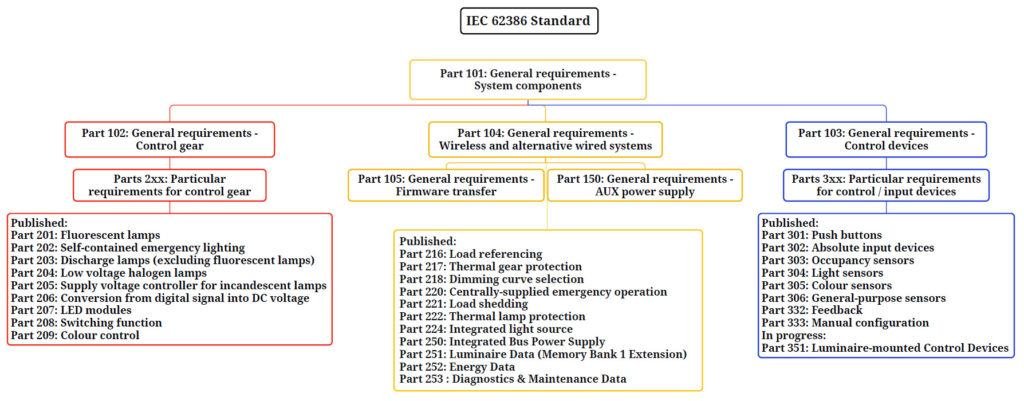
DALI to otwarty protokół zdefiniowany w normie IEC 62386. Nie jest własnością żadnej pojedynczej firmy, co pozwala producentom na całym świecie wytwarzać kompatybilny sprzęt. Wykorzystuje prostą, dwuprzewodową magistralę bez polaryzacji do komunikacji, która może obsłużyć do 64 indywidualnie adresowalnych urządzeń.
Dlaczego DALI ma znaczenie
- Standaryzacja: Zapewnia interoperacyjność między markami.
- Cyfrowa precyzja: Precyzyjne ściemnianie bez migotania lub niestabilności.
- Dwukierunkowa komunikacja: Urządzenia mogą wysyłać aktualizacje statusu lub komunikaty o błędach z powrotem do kontrolera.
- Sterowanie scenami i grupami: Umożliwia elastyczne konfiguracje oświetlenia przy minimalnym okablowaniu.
Oto porównanie DALI i tradycyjnego ściemniania analogowego:
| Cecha | Ściemnianie analogowe (0-10V) | DALI |
|---|---|---|
| Typ sygnału | Napięcie | Cyfrowe |
| Informacja zwrotna z urządzenia | Brak | Tak |
| Adresowanie urządzeń | Nieobsługiwane | Tak (do 64) |
| Grupowanie | Wymagane ręczne okablowanie | Konfiguracja oprogramowania |
| Ściemnianie bez migotania | Często problematyczne | Tak |
Przegląd LED-owych sterowników o stałym prądzie w systemach DALI?
Projektowanie systemów oświetlenia LED często wiąże się z dopasowaniem diod LED do sterowników zapewniających stały prąd. Dlaczego to takie ważne?
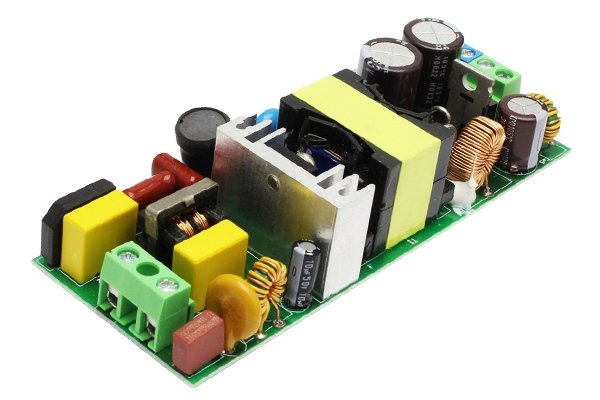
LED-owe sterowniki o stałym prądzie regulują stały prąd wyjściowy do diod LED, zapewniając stabilną wydajność i wspierając płynne ściemnianie w systemach DALI.
Czym jest LED-owy sterownik o stałym prądzie?
LED-owy sterownik o stałym prądzie dostarcza stały prąd (np. 350mA, 500mA, 700mA) niezależnie od zmian napięcia wejściowego lub obciążenia LED. Jest to ważne, ponieważ diody LED są urządzeniami sterowanymi prądem—wahania prądu mogą prowadzić do przesunięcia koloru, migotania, a nawet przepalenia.
Rola w systemie DALI
W środowisku sterowanym przez DALI sterownik o stałym prądzie musi być kompatybilny z DALI. Oznacza to, że zawiera wewnętrzne obwody do odbierania i interpretowania sygnałów DALI oraz do przekształcania ich na regulacje prądu wyjściowego.
Architektura wewnętrzna
Oto uproszczony podział komponentów wewnątrz sterownika o stałym prądzie DALI:
- Moduł interfejsu DALI: Odbiera cyfrowe polecenia DALI.
- MCU (Mikrokontroler): Dekoduje polecenia i zarządza poziomami ściemniania.
- Pętla kontroli prądu: Reguluje wyjście, aby utrzymać pożądany prąd.
- Moduł sprzężenia zwrotnego: Wysyła informację o statusie urządzenia lub awarii z powrotem do kontrolera.
Jak DALI komunikuje się z sterownikami stałoprądowymi?
Tradycyjne ściemnianie wykorzystuje napięcia analogowe, które mogą ulegać degradacji na długich dystansach. Jak więc DALI utrzymuje dokładność?
DALI używa cyfrowych poleceń do regulacji poziomów prądu LED wewnątrz sterowników stałoprądowych, umożliwiając płynne, pozbawione migotania ściemnianie z informacją zwrotną.
Przepływ sygnału i interpretacja
DALI wysyła polecenia takie jak “Ściemnij do 50%” lub “Wyłącz” przez magistralę dwuprzewodową. Każde polecenie to 16-bitowy pakiet danych zawierający adres urządzenia i instrukcję.
Sterownik dekoduje instrukcję i oblicza niezbędny prąd wyjściowy, aby osiągnąć pożądaną jasność. Na przykład, jeśli maksymalny prąd wynosi 700 mA, polecenie “jasność 50%” spowoduje wewnętrzną regulację do 350 mA.
Kluczowe polecenia DALI
| Typ polecenia | Przykładowa instrukcja | Funkcja |
|---|---|---|
| Bezpośrednia moc łuku | Poziomy 0–254 | Reguluje jasność |
| Zapytanie o status | Urządzenie OK? | Wysyła kontrolę stanu |
| Ustaw DTR | Rejestr transferu danych. | Przygotowuje do konfiguracji |
| Konfiguruj | Przypisz adres | Używane podczas uruchamiania |
Ta struktura umożliwia wysoce precyzyjne i niezawodne ściemnianie, szczególnie w systemach o dużej skali.
Adresowanie i grupowanie: kluczowe funkcje DALI dla elastyczności?
Zarządzanie dużymi sieciami oświetleniowymi może być skomplikowane bez grupowania opartego na oprogramowaniu. DALI to rozwiązuje.
DALI pozwala przypisać każdemu sterownikowi unikalny adres i grupować je za pomocą oprogramowania, upraszczając instalację i zwiększając elastyczność sterowania.

Adresowanie urządzeń
Każde urządzenie DALI może otrzymać jeden z 64 unikalnych krótkich adresów. Te adresy pozwalają wysyłać polecenia do poszczególnych sterowników bez wpływu na inne.
Grupowanie i sterowanie scenami
Możesz przypisać sterowniki do dowolnej z 16 grup lub scen. Grupa jest przydatna do sterowania w obrębie pomieszczenia (np. wszystkie światła sufitowe). Sceny umożliwiają presety oświetlenia (np. “Tryb spotkania”).
Korzyści z grupowania programowego
- Brak konieczności ponownego okablowania przy zmianach
- Łatwe uruchamianie za pomocą narzędzi DALI
- Efektywna logika sterowania dla automatyzacji
To cyfrowe grupowanie upraszcza zmiany w projektach i zwiększa skalowalność w projektach komercyjnych.
Okablowanie i połączenie: jak zintegrować DALI z oprawami LED?
Instalatorzy często pytają: “Jak to podłączyć?” Rozłóżmy to na czynniki.
Okablowanie DALI wykorzystuje prostą magistralę dwuprzewodową, oddzieloną od linii zasilających, do połączenia wszystkich sterowników i kontrolerów równolegle.

Podstawowa konfiguracja okablowania
- Magistrala DALI: Dwa przewody (zwykle 0,5–1,5 mm²), bez polaryzacji.
- Linia zasilania: Zasilanie AC dostarczane do każdego sterownika.
- Obciążenie LED: Podłączone do zacisków wyjściowych sterownika.
Typowy przykład konfiguracji
- Podłącz magistralę DALI do wszystkich sterowników i kontrolera.
- Podłącz wejście AC do każdego sterownika.
- Podłącz diody LED do wyjścia każdego sterownika.
Oto przykład tabeli okablowania:
| Punkt podłączenia | Typ przewodu | Opis |
|---|---|---|
| DA+, DA- | Autobus DALI | Sygnał sterujący |
| L, N | Zasilanie AC | Moc wejściowa |
| +LED, -LED | Przewody DC | Wyjście do modułów LED |
Ważne uwagi
- Długość magistrali nie powinna przekraczać 300 m, chyba że zastosowano wzmacniacz.
- Maksymalnie 64 sterowniki na magistralę.
- Unikaj mieszania DALI z niekompatybilnymi ściemniaczami.
Korzyści ze stosowania DALI ze sterownikami stałoprądowymi?
Co więc naprawdę zyskujesz, stosując DALI ze stałoprądowymi sterownikami LED?
DALI zapewnia precyzyjne ściemnianie, zdalne monitorowanie i niezawodne sterowanie—bez migotania i skomplikowanego okablowania.
Kluczowe korzyści
| Korzyści | Opis |
|---|---|
| Precyzyjne ściemnianie | 0–100% w krokach co 1% |
| Komunikacja dwukierunkowa | Zdalny odczyt statusu sterownika |
| Zdalna konfiguracja | Bez potrzeby dostępu do sufitu lub opraw |
| Sterowanie scenami i grupami | Łatwa konfiguracja automatyki |
| Skalowalna integracja | Dobrze współpracuje z BMS lub KNX |
Stosowanie DALI ze sterownikami stałoprądowymi łączy stabilność stałego wyjścia z wszechstronnością cyfrowego ściemniania.
Typowe zastosowania: Gdzie DALI + sterowniki stałoprądowe sprawdzają się najlepiej?
Niektóre projekty oświetleniowe po prostu wymagają lepszego sterowania. DALI to zapewnia.
Stałoprądowe sterowniki sterowane DALI są idealne do oświetlenia komercyjnego, hotelowego i biurowego, gdzie kluczowe są precyzja, atmosfera i integracja systemów.

Scenariusze zastosowań
Budynki biurowe
DALI umożliwia automatyczne wykorzystanie światła dziennego i ściemnianie oparte na obecności, poprawiając oszczędność energii i komfort.
Hotele
Sceny można zaprogramować dla różnych nastrojów: “Zameldowanie”, “Relaks”, “Sprzątanie”. Wszystko z centralnego panelu.
Ekskluzywna sprzedaż detaliczna
Płynne ściemnianie pomaga tworzyć atmosferę, podkreślać produkty i redukować olśnienie.
Tabela podsumowująca
| Zastosowanie | Dlaczego DALI działa dobrze |
|---|---|
| Biura | Sterowanie grupami/scenami dla stref |
| Hotele | Spersonalizowane sceny świetlne |
| Sprzedaż detaliczna | Ściemnianie bez przesunięcia barwy |
Portfolio stałych sterowników DALI o stałym prądzie firmy boqi?
Możesz zapytać—jakie sterowniki DALI o stałym prądzie oferuje boqi?
boqi oferuje szeroką gamę sterowników o stałym prądzie zgodnych z DALI, obejmujących różne poziomy prądu, obudowy i certyfikaty.

Najważniejsze cechy produktu
- Zakres prądu: 150mA do 1500mA
- Zakres napięcia: Wyjście DC 12V–54V
- Ściemnianie: DALI-2, płynne od 0,1%–100%
- Certyfikaty: CE, RoHS, TUV, SAA
- Obudowy: Liniowe, kompaktowe, wodoodporne
Sterowniki boqi są już używane w dużych projektach komercyjnych w Europie, Ameryce Północnej i Azji Południowo-Wschodniej. Wiele modeli jest dostępnych od ręki w celu szybkiej dostawy.
Wskazówki dotyczące kompatybilności: Jak wybrać odpowiedni sterownik LED DALI?
Wybór niewłaściwego sterownika prowadzi do migotania, problemów ze ściemnianiem, a nawet awarii. Jak tego uniknąć?
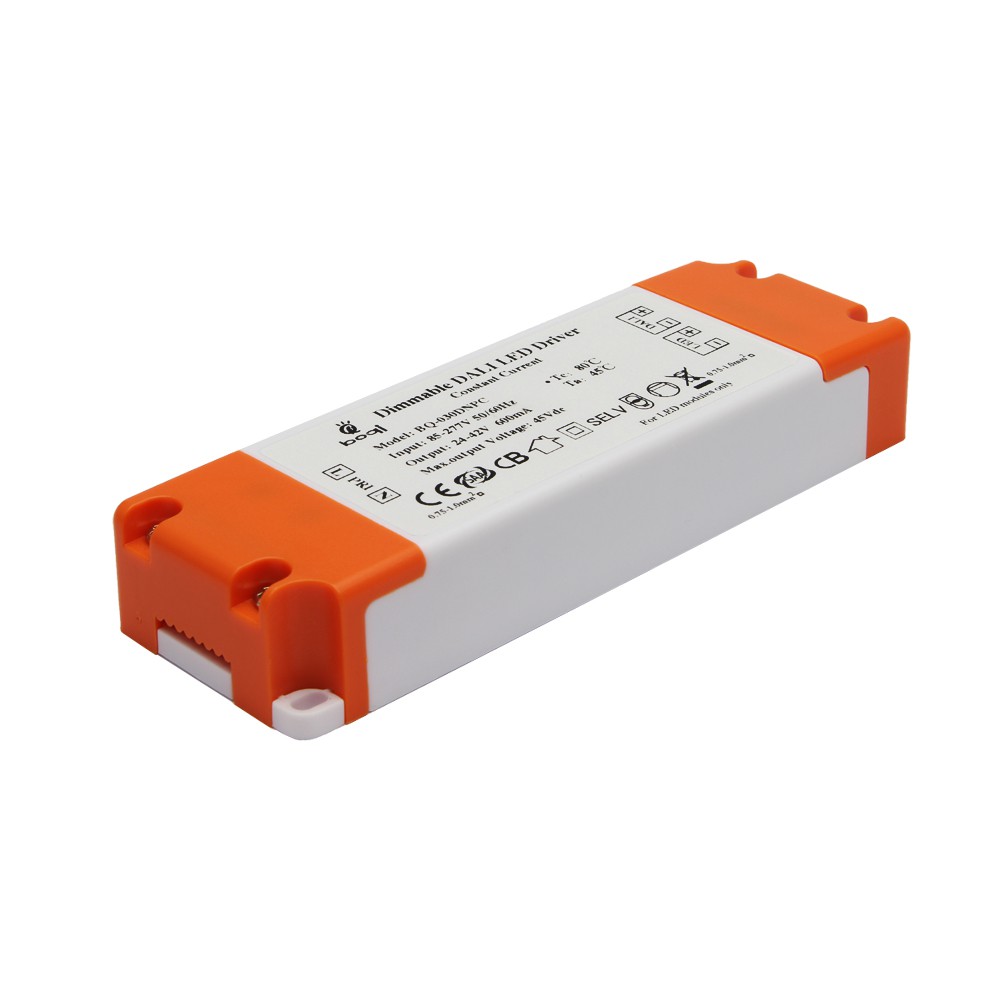
Dopasuj prąd wyjściowy, zakres napięcia, interfejs ściemniania i rozmiar do modułu LED i oprawy, aby zapewnić pełną kompatybilność z DALI.

Wybór sterownika DALI
Lista kontrolna kompatybilności
| Kryteria | Co sprawdzić |
|---|---|
| Prąd wyjściowy | Dopasowanie do wymagań modułu LED |
| Zakres napięcia | Musi pokrywać całkowite napięcie przewodzenia |
| Protokół sterowania | Certyfikat DALI, DALI-2 |
| Rozmiar oprawy | Zapewnij dopasowanie mechaniczne |
| Środowisko | Wewnętrzne lub IP65 dla zewnętrznych |
Wskazówka: Poproś o próbkę
Przed zamówieniem hurtowym zawsze zalecam przetestowanie kilku próbek w rzeczywistej oprawie. Zapewnia to kompatybilność zarówno ściemniania, jak i termiczną.
Dlaczego profesjonaliści oświetleniowi wybierają boqi do rozwiązań DALI?
Przy tak wielu markach na rynku, dlaczego kupujący tacy jak Jacky nadal wybierają boqi?
boqi wyróżnia się niezawodnymi sterownikami DALI, szybką personalizacją i zaawansowanym wsparciem technicznym dostosowanym do profesjonalistów oświetleniowych.
Nasze atuty
- Szybka realizacja: Dostosowanie prądu w ciągu 7 dni.
- Wsparcie ekspertów: Prawdziwi inżynierowie, prawdziwe odpowiedzi.
- Stabilne dostawy: Miesięczna produkcja ponad 50 000 sztuk.
- Przyjazny dla OEM: Wspieramy Twoją markę i rozwój.
Założyłem boqi, ponieważ wiedziałem, jak trudno jest znaleźć dostawców, którzy naprawdę rozumieją oświetlenie. Dziś z dumą mogę powiedzieć, że pomogliśmy setkom profesjonalistów realizować lepsze projekty z mniejszym wysiłkiem.
Wniosek
Sterowniki DALI i stałoprądowe sterowniki LED współpracują, aby zapewnić precyzyjne, wydajne i elastyczne sterowanie oświetleniem—a boqi ułatwia wprowadzenie tego w życie.