跳到内容
跳到内容 










对于房主、室内设计师和照明爱好者来说,在6000K和5000K LED灯之间做出选择可能颇具挑战。每种色温都有独特的属性,影响着空间的氛围、功能性和美感。鉴于亮度、色调和理想应用方面的差异,本指南将帮助您做出明智的决定。.
6000K和5000K LED灯的主要区别在于色温和氛围。. 6000K照明产生更冷、偏蓝白色的光,非常适合车库和办公室等以任务为导向的空间,能增强警觉性和精确度。另一方面,5000K提供纯净、自然的白光,适合各种环境,与日光非常接近。选择合适的色温取决于环境和预期用途。.
现在,让我们探讨每种选项的具体细节,以帮助您确定哪种色温最适合您的需求。.
色温在LED照明中意味着什么?
在照明设计中,, 色温——以开尔文(K)为单位测量——定义了灯泡发出的光的色调。开尔文标度从暖黄色(约2000K)延伸到明亮、冷白色(高达7000K及以上)。以下是简要分类:
- 2000K – 3000K:产生温暖、舒适的淡黄色光,是传统白炽灯泡的典型特征。.
- 4000K – 5000K:代表更平衡、自然的白光,通常被称为中性光。.
- 6000K及以上:提供更冷、偏蓝白色的光,常用于任务繁重的区域。.
理解色温可以帮助您选择符合美学目标和功能需求的照明。例如,选择像6000K这样较高的开尔文等级可提供清晰明亮的光,非常适合细节导向的任务,而5000K则提供更柔和、更自然的光,适用于多功能环境。.
显色指数(CRI)在LED照明中的作用
除了色温之外, 显色指数(CRI) 在光源下颜色呈现的准确性方面起着关键作用。CRI以0到100的标度测量,数值越高表示颜色准确性越好。对于5000K和6000K LED灯,在需要真实颜色呈现的空间中,建议选择CRI为80或以上的产品。较高的CRI水平可以增强从艺术品展示到一般可见度的各个方面,尤其是在较冷照明下。.
比较6000K与5000K LED灯:主要区别
颜色和视觉色调
- 6000K照明:发出偏蓝白色的光,6000K常被比作多云天气的日光。它冷而亮,常被描述为具有临床感,非常适合车库、工作间和办公室等以任务为导向或高专注度的空间。.
- 5000K照明:产生纯净、自然的白光,模仿日光的亮度。没有蓝色调,5000K感觉不那么刺眼,为厨房、客厅甚至户外区域等空间提供平衡、中性的色调。.
两种色温都提供高水平的可见度,但色调和强度有所不同。6000K灯的蓝色调有时会感觉更强烈,而5000K的自然色调通常更令人舒适。.
亮度和舒适度
亮度主要由 流明, 决定,这是表示发出的光量的测量单位。虽然5000K和6000K LED灯可以具有相同的流明输出,但亮度的感知可能不同。许多人认为6000K更亮,因为它具有冷而强烈的色调,能产生鲜明的对比。这一特性在需要高精度或特定任务照明的空间中很有帮助。.
舒适度考虑:对于长时间使用,5000K可能感觉对眼睛更友好。它具有自然的感觉,可减少眩光并最大程度地减轻眼睛疲劳,尤其是在人们长时间处于人造照明下的家庭环境或办公室中。.
6000K照明的理想使用场景
6000K照明在清晰度和高可见度至关重要的空间中表现出色。以下是一些理想的应用:
- 车库和车间:强烈的偏蓝白色光增强了机械或精细工作的精确度。.
- 零售店和展厅:常用于突出产品并营造干净、现代的美感,使顾客保持专注。.
- 办公室和工作空间:像6000K这样的较冷照明能促进警觉性,使其成为优先考虑生产力的办公室中的热门选择。.
- 户外安防照明:6000K LED灯明亮、刺眼的光非常适合安防目的,能照亮大面积区域并威慑潜在入侵者。.
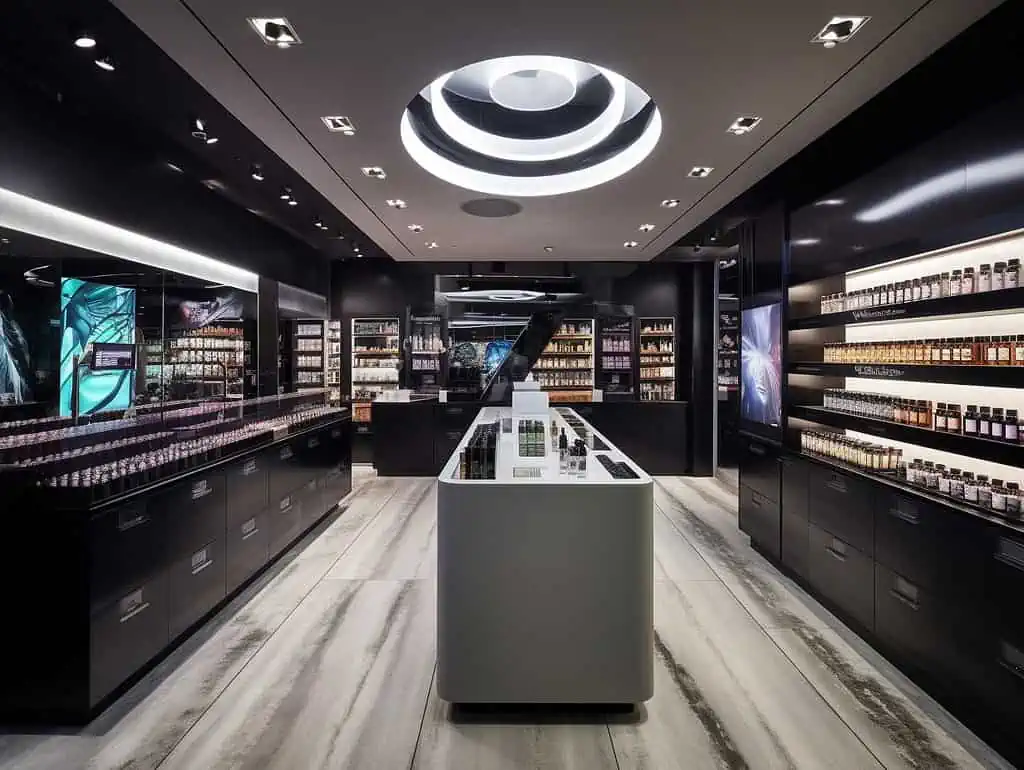
由于6000K照明可能感觉强烈,它通常不适合需要放松氛围的空间,如卧室或客厅。.
5000K LED灯的最佳应用
5000K照明具有自然的白色调,用途广泛,非常适合住宅和商业环境。它适用于各种空间,提供平衡、中性的光,没有6000K的蓝色调。常见应用包括:
- 厨房和浴室:这些空间受益于5000K灯的明亮、清晰可见度,能准确显示颜色和细节。.
- 客厅和用餐区:对于共享空间,5000K提供自然的照明效果,不会感觉过于刺眼,营造出温馨的氛围。.
- 户外照明:由于5000K与日光非常接近,它非常适合户外庭院、花园和人行道,增强安全性和氛围。.
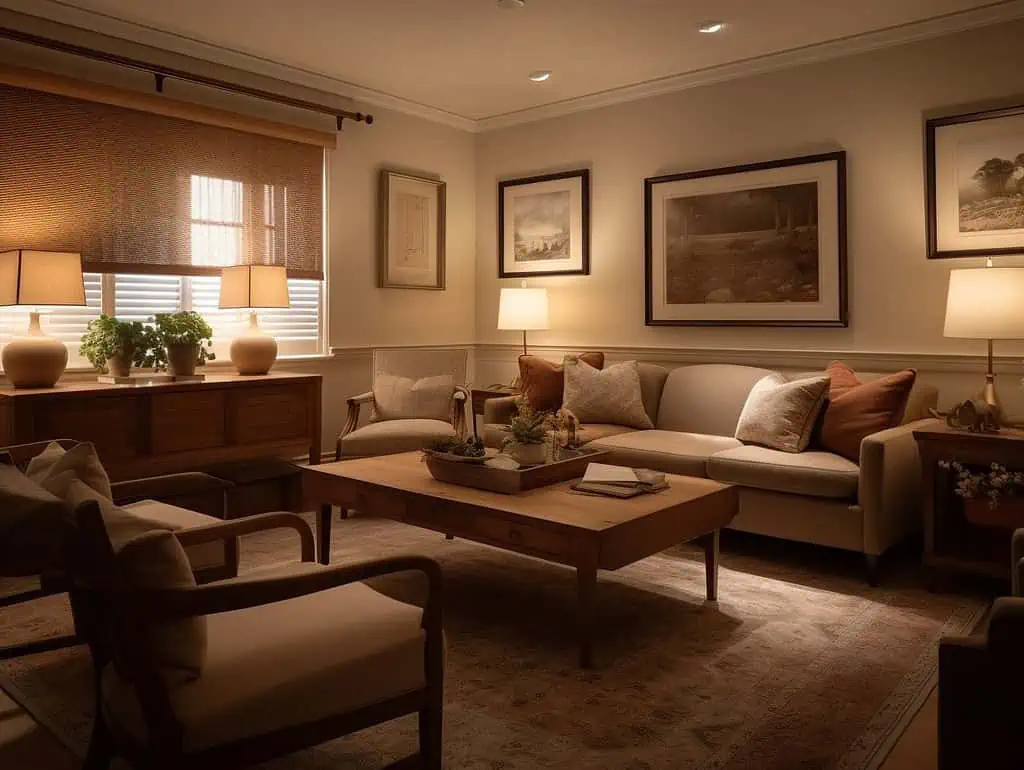
5000K照明达到了平衡,既适合高效工作又适合放松休息,可适应多种环境。.
照明温度如何影响情绪和工作效率
照明温度已被证明会影响情绪、能量水平甚至工作效率。以下是每种温度所起的作用:
- 6000K照明:这种较冷的蓝色调光线倾向于刺激警觉性和专注力,非常适合任务导向型活动和工作环境。研究表明,较冷的照明有助于减少困倦,使人们更长时间保持专注和投入。这种效果在需要高效工作的专业环境中尤为有益。.
- 5000K照明:凭借更自然、中性的色调,5000K提供了宜人的氛围,有助于放松和舒适。这种照明温度在家庭和社交空间中营造出温馨的感觉,而不会过度刺激。它是平衡空间的流行选择,既能增强放松感,又能保持适度的工作效率。.
以下是一个对比表,重点展示了4000K、5000K和6000K LED照明的主要特点。该表使差异和理想应用一目了然:
了解这些心理效应有助于选择与房间预期情绪或功能目的相匹配的照明。.
需要考虑的技术规格:CRI、流明和能效
在比较6000K和5000K LED灯时,某些技术规格将指导您做出正确的选择:
- CRI(显色指数):如前所述,在需要色彩准确性的空间(如厨房或展示区),建议选择CRI为80或更高的产品。.
- 流明:虽然5000K和6000K都能提供高亮度水平,但流明提供了对光输出的精确测量。更高的流明意味着更亮,但不会影响色温。根据房间大小和用途选择合适的流明水平将确保最佳照明。.
- 能源效率:LED灯本身具有高能效,但5000K和6000K选项之间可能存在细微的效率差异。两种类型通常都比传统白炽灯或荧光灯消耗更少的能量,选择ENERGY STAR认证的LED可确保顶级效率和更长的使用寿命。.
| 功能 | 4000K(中性白) | 5000K(日光白) | 6000K(冷白) |
|---|---|---|---|
| 色调 | 中性、柔和的白 | 纯净、自然的白 | 冷色、偏蓝的白 |
| 视觉外观 | 暖中性、均衡 | 类似日光,比4000K稍冷 | 明亮而强烈,带有明显的蓝色调 |
| 理想用途 | 住宅环境,如厨房、办公室和浴室 | 一般室内外使用;适用于客厅、厨房和户外,用途广泛 | 任务导向型空间,如车库、车间、办公室和安全照明 |
| 对情绪的影响 | 营造平静宜人的氛围;平衡工作效率和放松 | 舒适自然,既提供可见度又促进放松 | 刺激和警觉,适合专注,但可能感觉强烈 |
| 推荐区域 | 家庭、教室、会议室、家庭办公室 | 厨房、浴室、户外区域、客厅 | 车库、车间、办公室、展厅 |
| 对眼睛舒适度的最佳表现 | 中等舒适度,适合长时间使用 | 适合长时间使用,对眼睛温和 | 长时间使用可能感觉刺眼,可能导致眼睛疲劳 |
| 亮度感知 | 柔和而均衡 | 明亮而不刺眼 | 非常明亮,对比鲜明 |
| CRI(显色指数) | 通常为80-90 | 通常为80-90 | 通常为80-90 |
| 常见应用 | 办公室照明、具有中性氛围的住宅空间 | 一般家庭照明、户外照明 | 任务照明、需要高清晰度的商业环境 |
为您的空间选择合适的照明
要在6000K和5000K之间做出最佳选择,请考虑以下因素:
- 房间的功能:用于高专注度任务的空间(例如车库或办公室)可能受益于6000K灯光的冷冽强度。相反,用于放松的区域,如客厅和户外环境,通常更适合柔和、更自然的5000K照明。.
- 个人偏好与美学:个人风格在照明中起着重要作用。有些人喜欢冷色调灯光的现代、清爽外观,而另一些人则享受中性、日光般设置的舒适感。.
- 年龄与眼睛舒适度:随着年龄增长,眼睛可能对较冷、偏蓝的光线更加敏感,这使得5000K成为老年人更舒适的选择。.
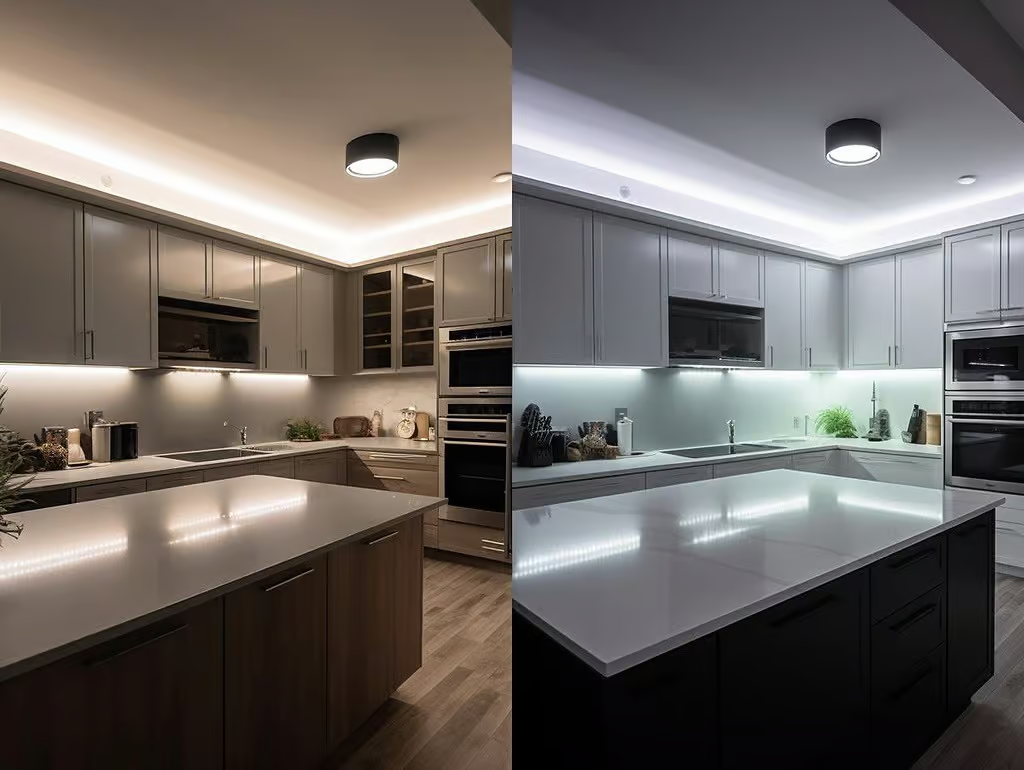
尝试在不同房间试验不同的照明,以找到完美的平衡。请记住,您可以在家中混合色温,以创造全面的照明设计。.
摘要
在6000K和5000K照明之间进行选择,归结为房间的用途和期望的氛围。虽然6000K提供增强专注力的强烈冷光,但5000K提供适合各种环境的平衡、自然色调。通过将照明选择与特定需求对齐,您可以创造一个功能齐全、舒适且视觉愉悦的环境。.