Chuyển đến nội dung










Nhấp nháy, thanh trượt chết, ánh sáng ma — tôi đã thấy mọi lỗi mà một bộ điều chỉnh độ sáng rẻ tiền có thể gây ra. Trên dây chuyền sản xuất của chúng tôi, một bộ điều chỉnh độ sáng 0-10V chất lượng cao được xác định rõ ràng từ rất lâu trước khi xuất xưởng.
Bộ điều chỉnh độ sáng 0-10V chất lượng cao mang lại khả năng điều khiển ổn định, không nhấp nháy, làm mờ mượt mà trên toàn dải, tương thích đã được xác minh với bộ điều khiển LED, khả năng dòng điều khiển sink/source đầy đủ, và bảo vệ điện và nhiệt đáng tin cậy. Điều quan trọng là bộ điều chỉnh độ sáng, tiêu chuẩn điều khiển và bộ điều khiển LED phải hoạt động như một hệ thống tương thích điện tử thống nhất.
Điểm cuối cùng đó quan trọng nhất. Một nhãn 0-10V đơn thuần không đảm bảo điều gì. Bộ điều chỉnh độ sáng gửi một tín hiệu điều chỉnh độ sáng analog 1, và các driver ở đầu kia phải diễn giải nó một cách chính xác. Trong hướng dẫn này, tôi sẽ hướng dẫn bạn qua các chứng nhận, kiểm tra kiểm soát chất lượng, các thông số kỹ thuật thực sự quan trọng, và cách bảo vệ bạn về các điều khoản bảo hành. Đây là bốn câu hỏi mà người mua của chúng tôi ở Singapore, Đức và Úc hỏi chúng tôi thường xuyên nhất, vì vậy tôi sẽ trả lời chúng theo cách tôi trả lời họ qua bàn đàm phán tại các hội chợ thương mại — một cách trực tiếp.
Khi tìm nguồn cung cấp bộ điều chỉnh độ sáng 0-10V chất lượng cao, tôi nên tìm kiếm những chứng nhận nào?
Mùa xuân năm ngoái, một nhà phân phối Đức đã yêu cầu hồ sơ kỹ thuật CE đầy đủ của chúng tôi trước khi thảo luận về giá cả. Động thái thông minh — một yêu cầu duy nhất đó lọc ra các nhà cung cấp yếu kém nhanh hơn bất cứ điều gì khác.
Tìm kiếm chứng nhận UL hoặc ETL cho Bắc Mỹ, CE và RoHS cho Châu Âu, và sự tuân thủ với IEC 60929 Phụ lục E cho giao diện điều khiển 1-10V/0-10V. Cũng xác nhận tuân thủ hệ thống dây điện Class 2 và, đối với các dự án tại Mỹ, quy ước màu dây điều khiển hồng và tím theo NEC 2022.

Các chứng nhận được chia thành hai nhóm, và người mua thường nhầm lẫn chúng. Nhóm đầu tiên bao gồm an toàn và tiếp cận thị trường. Nhóm thứ hai bao gồm chính giao diện điều khiển. Bạn cần cả hai, và chúng trả lời các câu hỏi khác nhau.
Chứng nhận tiếp cận thị trường theo khu vực
Thị trường xuất khẩu của chúng tôi trải dài từ Nhật Bản đến Phần Lan, vì vậy chúng tôi giữ một bản đồ chứng nhận cho mọi dòng sản phẩm. Đây là phiên bản ngắn gọn cho các bộ điều chỉnh độ sáng gắn tường được sử dụng trong điều khiển chiếu sáng thương mại:
| Chứng nhận | Khu vực | Những gì nó thực sự xác minh |
|---|---|---|
| Chứng nhận UL / ETL | Hoa Kỳ, Canada | An toàn điện: nguy cơ cháy, điện giật và nhiệt trong điều kiện lỗi |
| CE (LVD + EMC) | EU (Ý, Pháp, Đức, v.v.) | Tự khai báo tuân thủ các chỉ thị điện áp thấp và điện từ |
| RoHS | EU và hơn thế nữa | Hạn chế các chất độc hại trong linh kiện và chất hàn |
| UKCA | Vương quốc Anh | Tương đương với CE của Anh sau Brexit |
| RCM | Úc, New Zealand | Tuân thủ an toàn và EMC cho thị trường Úc |
| PSE | Nhật Bản | Luật an toàn thiết bị điện của Nhật Bản |
Các tiêu chuẩn quản lý tín hiệu điều khiển
Giao diện 0-10V bắt nguồn từ IEC 60929 Phụ lục E 2, ban đầu xác định giao diện analog 1-10V cho các ballast huỳnh quang. Nhiều sản phẩm LED ngày nay vẫn tuân theo logic điện của nó. Ở Bắc Mỹ, mạch điều khiển điện áp thấp thường phải đáp ứng tiêu chuẩn dây dẫn Class 2 3, giới hạn công suất ở phía điều khiển để dây dẫn an toàn khi đi mà không cần ống bảo vệ trong nhiều trường hợp. Và kể từ Bộ luật Điện Quốc gia 4, năm 2022, các bộ điều chỉnh độ sáng chất lượng sử dụng dây điều khiển màu hồng và tím. Điều đó ngăn ngừa sự nhầm lẫn nguy hiểm với dây trung tính màu xám trong quá trình lắp đặt — một chi tiết nhỏ báo hiệu một nhà máy nghiêm túc.
Tài liệu cần yêu cầu trước khi đặt hàng
Hãy yêu cầu số chứng nhận thực tế, không phải ảnh logo. Số UL và ETL có thể được xác minh trong cơ sở dữ liệu công khai 5. Đối với CE, hãy yêu cầu Tuyên bố Tuân thủ cùng với các báo cáo thử nghiệm EMC và LVD cơ bản. Khi một nhà cung cấp do dự về bất kỳ điều nào trong số này, hãy rời đi.
Làm thế nào tôi có thể xác minh quy trình kiểm soát chất lượng của nhà cung cấp trước khi đặt hàng số lượng lớn?
Phòng lão hóa của chúng tôi chạy 24 giờ một ngày. Mỗi lô bộ điều chỉnh độ sáng được chu kỳ từ không đến công suất tối đa trong nhiều giờ trước khi đóng gói, vì các lỗi bị phát hiện ở đây không bao giờ đến được công trường.
Xác minh kiểm soát chất lượng bằng cách yêu cầu quy trình IQC, trong quá trình sản xuất và OQC của nhà cung cấp, xem xét hồ sơ kiểm tra burn-in và lão hóa, kiểm tra mẫu vàng với tải dự án của bạn, sắp xếp kiểm toán nhà máy hoặc kiểm tra bên thứ ba, và xác nhận khả năng truy xuất lô hàng trước khi bạn cam kết đặt hàng số lượng lớn.
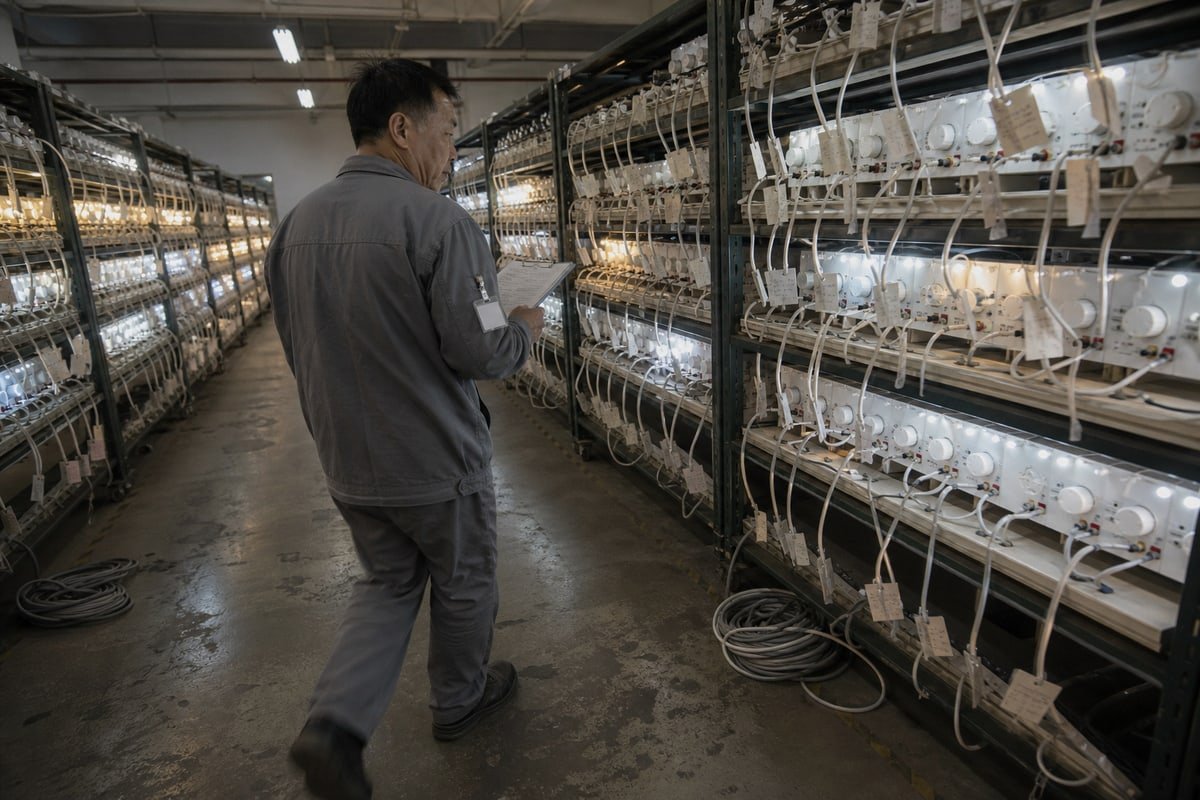
Một cuốn brochure có thể tuyên bố bất cứ điều gì. Một quy trình để lại bằng chứng. Khi các nhà phân phối ghé thăm cơ sở của chúng tôi, tôi cho họ xem bằng chứng, và bạn nên yêu cầu điều tương tự từ bất kỳ nhà cung cấp nào. Đây là trình tự xác minh tôi khuyên dùng, theo thứ tự tốn ít chi phí nhất cho bạn:
- Yêu cầu sơ đồ quy trình kiểm soát chất lượng. Một nhà máy thực sự ghi lại kiểm tra đầu vào (IQC) cho linh kiện, kiểm tra trong quá trình sản xuất (IPQC) trên dây chuyền, và kiểm tra đầu ra (OQC) trước khi đóng gói. Nếu câu trả lời là một câu mơ hồ “chúng tôi kiểm tra mọi thứ,” đó là một dấu hiệu đáng ngờ.
- Yêu cầu hồ sơ burn-in và lão hóa. Mỗi đơn vị nên chạy một chu kỳ lão hóa có nguồn điện. Đối với bộ điều chỉnh độ sáng 0-10V, chúng tôi cũng xác minh điện áp đầu ra tại nhiều vị trí núm xoay, vì tín hiệu điều chỉnh độ sáng analog trôi dạt gây ra độ sáng không đồng đều giữa các đèn sau này.
- Kiểm tra mẫu vàng với driver thực tế của bạn. Đừng chỉ kiểm tra bộ điều chỉnh độ sáng một mình. Kết nối nó với chính xác driver LED mà dự án của bạn sử dụng, sau đó kiểm tra hiệu suất không nhấp nháy ở mức đầu ra thấp, độ sáng tối đa, và mọi mức giữa hai mức đó.
- Kiểm tra chất lượng vật lý. Trên các mẫu xoay trắng của chúng tôi, OQC bao gồm mô-men xoắn của núm xoay, bề mặt mặt trước, và độ khớp của rãnh lõm quanh núm. Núm lỏng lẻo và cạnh vát không đều cho thấy khuôn mẫu cẩu thả — và khuôn mẫu cẩu thả thường có nghĩa là mạch điện cẩu thả.
- Sắp xếp kiểm toán hoặc kiểm tra bên thứ ba. Một chuyến tham quan nhà máy qua video không tốn gì. Một cuộc kiểm tra trước khi giao hàng theo AQL đã thỏa thuận tốn một chút và tiết kiệm rất nhiều.
- Xác nhận khả năng truy xuất lô hàng. Nếu một đơn vị hỏng trong năm thứ hai, nhà máy nên truy xuất ngày sản xuất, lô linh kiện, và hồ sơ kiểm tra của nó. Không có khả năng truy xuất nghĩa là không có trách nhiệm giải trình.
Chạy trình tự này một lần, và bạn sẽ biết về nhà cung cấp của mình nhiều hơn cả trăm email có thể cho bạn biết.
Những thông số kỹ thuật nào quan trọng nhất khi chọn bộ điều chỉnh độ sáng 0-10V cho các dự án của tôi?
Nhiều năm trước, một khách hàng kỹ thuật ở Thái Lan kết nối sáu mươi driver vào một bộ điều chỉnh độ sáng và đổ lỗi cho sản phẩm của chúng tôi khi đèn mờ không đều. Nguyên nhân thực sự? Quá tải dòng điều khiển. Tôi không bao giờ quên điều đó.
Các thông số kỹ thuật quan trọng nhất là khả năng dòng điều khiển sink/source, số lượng driver tối đa, mức điều chỉnh độ sáng tối thiểu, khả năng giảm sáng đến tắt, định mức tải và điện áp, đường cong điều chỉnh độ sáng tuyến tính hoặc logarit có thể chọn, và các tính năng bảo vệ như chuyển mạch tại điểm zero và khả năng chống nhiễu xung. Khả năng tương thích với driver LED của bạn quan trọng hơn bất kỳ con số đơn lẻ nào.
Để tôi bắt đầu với thông số kỹ thuật mà hầu hết các bài viết chung chung bỏ sót hoàn toàn, vì nó đã gây ra sự cố Thái Lan đó.
Dòng sinking và sourcing: giới hạn ẩn
Một bộ điều chỉnh độ sáng 0-10V không chỉ đơn giản “gửi một điện áp” đến một số lượng driver không giới hạn. Tùy thuộc vào kiến trúc, mỗi driver được kết nối rút dòng từ — hoặc đóng góp dòng vào — vòng điều khiển. Đó là ý nghĩa thực tế của dòng sinking và sourcing. Quá tải vòng lặp, và bộ điều chỉnh độ sáng không thể giữ điện áp điều khiển dự kiến. Các triệu chứng trông có vẻ ngẫu nhiên nhưng không phải: đèn không bao giờ đạt độ sáng tối đa, đèn mờ khác nhau giữa các đèn, đầu dưới không ổn định, phản hồi phi tuyến, hoặc hành vi hệ thống thay đổi ngay khi bạn thêm nhiều driver. Các đơn vị cấp chuyên nghiệp được đánh giá để điều khiển 50 hoặc nhiều đèn mà không suy giảm tín hiệu, nhưng chỉ khi phép toán dòng điện hoạt động.
Đừng đánh giá một bộ điều chỉnh độ sáng 0-10V chỉ bằng nhãn 0-10V của nó. Kiểm tra tiêu chuẩn điều khiển, dòng sink/source, số lượng driver tối đa, mức điều chỉnh độ sáng tối thiểu, khả năng tương thích driver, và liệu có cần chuyển mạch BẬT/TẮT riêng biệt hay không.

Danh sách kiểm tra thông số kỹ thuật
| Thông Số Kỹ Thuật | Tại sao nó quan trọng | Nên hỏi nhà cung cấp điều gì |
|---|---|---|
| Dòng sink/source | Xác định một bộ điều chỉnh độ sáng có thể điều khiển chính xác bao nhiêu driver | Đánh giá mA và số lượng driver tối đa |
| Mức điều chỉnh độ sáng tối thiểu | Đầu dưới kém cho thấy bộ điều chỉnh độ sáng rẻ tiền; đơn vị tốt đạt 5% hoặc thấp hơn một cách mượt mà | Hiệu suất đầu dưới đã kiểm tra với mẫu driver của bạn |
| Khả năng tắt hoàn toàn | 0V thực sự tắt đèn hoàn toàn; hệ thống 1-10V thường để lại ánh sáng mờ | Liệu có cần chuyển mạch điện áp đường dây riêng biệt hay không |
| Đánh giá tải và điện áp | Sản phẩm thương mại thường được đánh giá khoảng 120V 10A / 277V 5A; bộ điều chỉnh độ sáng treo tường hàng đầu xử lý lên đến 960W / 8A | Công suất đánh giá theo điện áp, và bất kỳ giảm tải nào khi lắp nhiều bộ |
| Đường cong điều chỉnh độ sáng | Lựa chọn đường cong tuyến tính so với logarit khớp với nhận thức độ sáng phi tuyến của mắt | Liệu đường cong có thể chọn được hay không |
| Chuyển mạch tại điểm không | Rơ-le kích hoạt ở điện áp thấp nhất, chịu được dòng khởi động của driver LED | Loại rơ-le và đánh giá dòng khởi động |
| Bảo vệ và cách ly | Bảo vệ ESD, chống sét, và cách ly điện giữa phía AC và DC ngăn ngừa hỏng hóc thảm khốc | Những biện pháp bảo vệ nào được tích hợp sẵn |
| Tính toàn vẹn tín hiệu | Xử lý tín hiệu chủ động loại bỏ EMI; bù sụt áp quan trọng trên các đường điều khiển dài | Chiều dài dây chạy tối đa được khuyến nghị |
Một điểm nữa về khả năng tương thích driver LED: cài đặt tinh chỉnh cao cấp cho phép thợ lắp đặt sửa chữa sự không khớp tại hiện trường, và bộ nhớ cài đặt trước cải thiện khả năng sử dụng hàng ngày. Không cái nào thay thế được việc kiểm tra ở cấp hệ thống trước khi bạn mua một bộ điều chỉnh độ sáng 0-10V chất lượng cao với số lượng lớn.
Làm thế nào để tôi đảm bảo nhà cung cấp của mình thực hiện đúng cam kết bảo hành và hỗ trợ sau bán hàng?
Giữ kho hàng thay thế dự phòng trong kho của chúng tôi tốn tiền mỗi tháng. Chúng tôi chấp nhận chi phí đó, vì một yêu cầu bảo hành được giải quyết trong vài ngày — không phải vài tuần — giữ chân các nhà phân phối trung thành.
Nhận các điều khoản bảo hành bằng văn bản trước khi đặt hàng, bao gồm thời gian bảo hành, ngưỡng tỷ lệ lỗi, quy trình thay thế và thời gian phản hồi. Kiểm tra hành vi hậu mãi của nhà cung cấp với các vấn đề nhỏ trước, lưu hồ sơ ghi ngày cho mọi cam kết và chọn nhà cung cấp chỉ định một đầu mối liên hệ có tên cho hỗ trợ kỹ thuật.
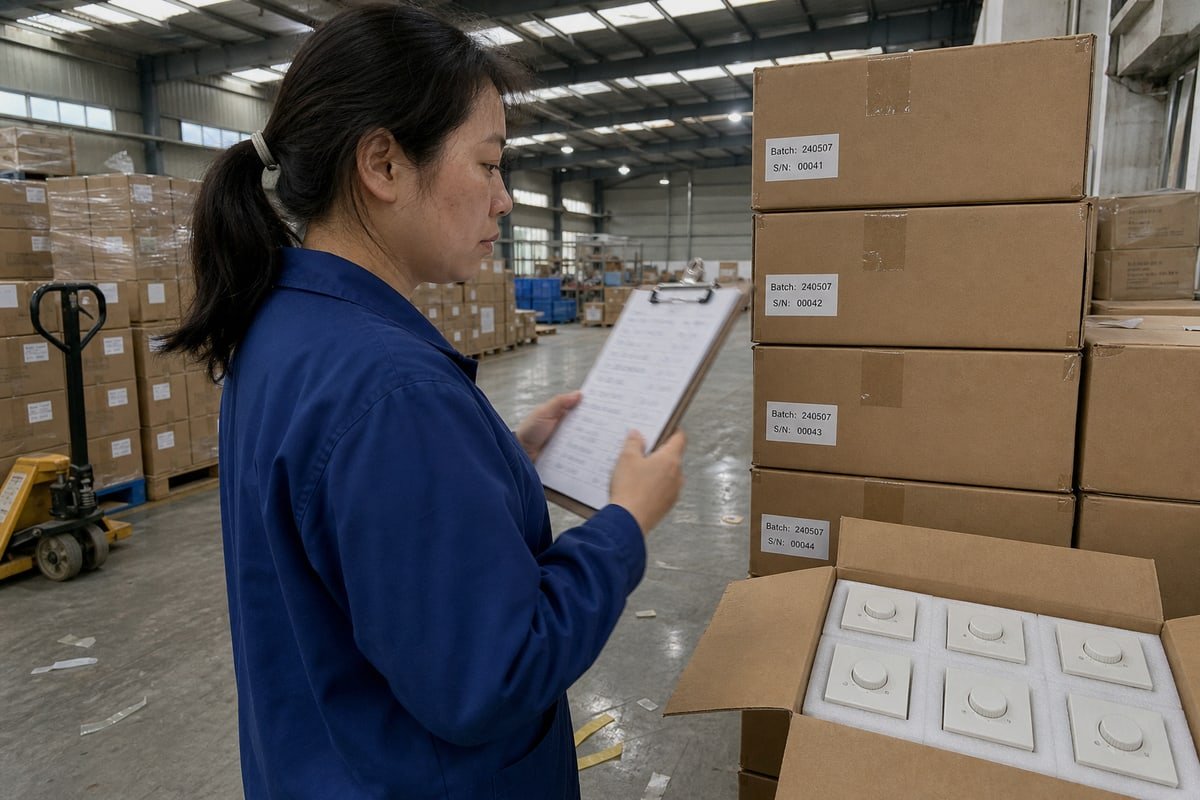
Khiếu nại phổ biến nhất tôi nghe từ người mua chuyển sang chúng tôi không phải về chất lượng sản phẩm. Đó là về các nhà cung cấp đã hứa bảo hành trong giai đoạn bán hàng, sau đó biến mất sau khi chuyển khoản thanh toán được thực hiện. Bạn có thể ngăn chặn điều đó, nhưng bạn phải làm điều đó trước đơn hàng số lượng lớn đầu tiên, không phải sau lỗi đầu tiên.
Bắt đầu với hợp đồng. Một bảo hành chỉ tồn tại trong tin nhắn WhatsApp là một gợi ý, không phải cam kết. Đưa thời gian bảo hành, định nghĩa lỗi, ngưỡng tỷ lệ lỗi và biện pháp khắc phục — sửa chữa, thay thế hoặc tín dụng — vào thỏa thuận bán hàng hoặc điều khoản hóa đơn chiếu lệ. Sau đó xác định quy trình: ai gửi lại đơn vị lỗi, ai trả cước vận chuyển và bao nhiêu ngày làm việc để có giải pháp. Trong hợp đồng của chúng tôi, chúng tôi ghi rõ quy trình thay thế từng dòng, vì các điều khoản mơ hồ luôn có lợi cho người bán.
Tiếp theo, kiểm tra hành vi sớm. Đặt mẫu, sau đó cố tình đặt một câu hỏi kỹ thuật nhỏ — có thể về mức điều chỉnh độ sáng tối thiểu với một driver cụ thể. Đo thời gian phản hồi. Một nhà cung cấp mất mười ngày để trả lời câu hỏi trước bán hàng sẽ mất nhiều thời gian hơn sau khi bán.
| Điều cần xác minh | Cờ đỏ | Dấu hiệu tốt |
|---|---|---|
| Tài liệu bảo hành | Chỉ hứa hẹn bằng lời nói | Điều khoản được ghi vào hợp đồng |
| Thời gian phản hồi | Ngừng trả lời sau khi thanh toán | Đầu mối liên hệ có tên, trả lời trong vòng 1–2 ngày làm việc |
| Quy trình thay thế | “Gửi lại và chúng tôi sẽ xem” | Các bước RMA được xác định, giữ hàng dự phòng để trao đổi nhanh |
| Hỗ trợ kỹ thuật | Đại diện bán hàng không trả lời được câu hỏi kỹ thuật | Truy cập trực tiếp đến kỹ sư cho các vấn đề tương thích |
| Hồ sơ theo dõi | Không cung cấp tài liệu tham khảo | Các nhà phân phối hiện có sẵn lòng nói chuyện với bạn |
Cuối cùng, lưu hồ sơ ghi ngày cho mọi cam kết. Nếu tranh chấp xảy ra, tài liệu sẽ quyết định.
Phần kết luận
Một bộ điều chỉnh độ sáng 0-10V chất lượng cao chứng minh chính nó như một hệ thống: chứng nhận được xác minh, kiểm soát chất lượng minh bạch, thông số kỹ thuật trung thực và điều khoản bảo hành bằng văn bản. Kiểm tra bốn lĩnh vực đó, và dự án của bạn sẽ không bị nhấp nháy.
Chú thích
- Tổng quan kỹ thuật về giao thức tín hiệu analog 0-10V cho chiếu sáng. ↩︎
- Tiêu chuẩn quốc tế xác định các đặc tính điện của điều khiển 0-10V. ↩︎
- Tiêu chuẩn an toàn cho mạch điện áp thấp để ngăn ngừa cháy và điện giật. ↩︎
- Tiêu chuẩn chính của Hoa Kỳ cho thiết kế và lắp đặt điện an toàn. ↩︎
- Thư mục chính thức để xác minh chứng nhận an toàn và thông tin niêm yết. ↩︎