Hoppa till innehåll











Varje månad frågar köpare mig varför TRIAC-drivare fortfarande fyller vår produktionsplanering TRIAC-väggdimmers 1. De oroar sig för att välja föråldrad teknik. På vår fabriksgolv hos boqi är svaret tydligt: TRIAC vinner fortfarande.
TRIAC-drivare förblir populära 2026 eftersom de fungerar sömlöst med över en miljard installerade väggdimmers, kräver ingen ny kabeldragning och minskar retrofittingkostnaderna dramatiskt. Moderna konstruktioner levererar också flimmerfri prestanda, breda dimmerintervall och förbättrad effektfaktorkorrigering, vilket gör TRIAC till det praktiska valet.
Låt mig bryta ner detta ordentligt. I avsnitten nedan kommer jag att täcka kostnad, kompatibilitet, tekniska förbättringar och hur TRIAC jämförs med nyare digitala protokoll.
Varför förblir TRIAC-drivrutiner så kostnadseffektiva för min storskaliga LED-produktion 2026?
En fransk köpare berättade en gång för mig att hans renoveringsofferter fördubblades när specen krävde en digital styrbuss. När vi offererade om samma projekt med våra TRIAC-dimbara drivare, sjönk totalsumman kraftigt.
TRIAC-drivrutiner förblir kostnadseffektiva eftersom de använder befintlig AC-nätverksdimmerinfrastruktur, behöver endast två ledningar och kräver inga gateways, styrkablar eller idrifttagningsprogramvara. Hårdvaran är standardiserad, leveranskedjan är mogen och installationsarbetet minskar avsevärt jämfört med digitala dimmersystem.

Ekonomin här är enkel, och den förstärks i skala. När du producerar eller installerar tusentals armaturer, multipliceras varje extra kabel, kontakt och konfigurationssteg till riktiga pengar. TRIAC-fasklippningsdimning går på själva nätledningen. Det finns ingen separat styrsignal. Det betyder ingen signalkabel, ingen busstopologiska planering och ingen idrifttagningsingenjör på plats.
Var besparingarna faktiskt kommer ifrån
Enligt min erfarenhet av att skicka drivare till europeiska och nordamerikanska distributörer delas kostnadsfördelen upp i tre kategorier:
| Kostnadsfaktor | TRIAC Dimning | Digitala protokoll (DALI, etc.) |
|---|---|---|
| Styrkablage | Inget behövs, använder befintlig kabelinfrastruktur | Dedikerad busskabel krävs |
| Väggkontroller | Befintliga dimmerbrytare återanvänds | Nya kontrollpaneler eller gatewayer |
| Idriftsättning | Plug and play. | Adressering och programmering krävs |
| Komponentförsörjning | Mogen, standardiserad, allmänt lagrad | Färre leverantörer, högre IC-kostnader |
| Installatörens kompetens | Vilken licensierad elektriker som helst | Utbildad integratör krävs ofta |
Marknadsdata stöder det vi ser i order. Branschsiffror tyder på att cirka 68% av bostadsrenoveringsprojekt i Nordamerika och EU väljer TRIAC-dimning, vilket sänker renoveringskostnaderna med över 40%. Prognoser värderar också den globala marknaden för TRIAC-dimbara drivare till cirka 116 miljoner USD 2026, med stadig tillväxt genom 2036. Den tillväxten säger oss att värdeerbjudandet håller, inte avtar.
Volymeffekten
För storskalig LED-produktion förenklar tyristorbaserad styrning också din materialförteckning. En drivar-SKU kan tjäna dussintals armaturmodeller. Drivare under 300W dominerar segmentet, och dimbara LED-lampor 2 förblir den ledande applikationen. Standardisering innebär färre inköpsbekymmer och bättre förhandlingskraft på komponenter.
Hur kan jag säkerställa att TRIAC-drivrutiner förblir kompatibla med befintliga väggdimmers och ledningar i mina projekt?
Kompatibilitetstestning är där vi spenderar flest laboratorietimmar. Våra ingenjörer har en hylla med över hundra äldre väggdimmers, eftersom en drivare som misslyckas på en tjugo år gammal brytare misslyckas hos kunden.
Säkerställ kompatibilitet genom att matcha leading edge- eller trailing edge-dimmerstyper, verifiera att drivdonet uppfyller krav på hållström, bekräfta kompatibilitet med minsta last, och begär testade dimmerlistor från din leverantör. Testa alltid drivdon i pilotprojekt med de faktiska dimmerna installerade på plats.

Den installerade basen är hela spelet här. Uppskattningar anger mer än 1,5 miljarder TRIAC-väggdimmers 3 i bruk globalt. Ditt projekt berör nästan säkert några av dem. Så kompatibilitet är inte en trevlig bonus; det är produkten.
Förstå ledande kant vs. efterföljande kant
Fasklippningsdimning finns i två varianter. Ledande kant-dimmers, den klassiska TRIAC-typen, klipper början av varje AC-halvcykel. Efterföljande kant-dimmers, vanliga i nyare europeiska hem, klipper slutet. En drivare optimerad för en kan bete sig dåligt på den andra. När Jacky-typ köpare skickar mig projektspecifikationer från Frankrike, är det första jag frågar vilken dimmerstil som dominerar platsen.
Följ en praktisk kompatibilitetschecklista
- Identifiera dimmertypen på plats: ledande kant, efterföljande kant eller universell.
- Kontrollera drivarens datablad för hållströmkrav. Gamla TRIAC-dimmers behöver en minimiström som flyter för att förbli låsta. Om LED-belastningen är för liten flimrar dimmern eller tappar ut.
- Verifiera minsta lastkompatibilitet. Vissa äldre dimmers specificerar ett minimum på 25W eller 40W designat för glödlampor.
- Bekräfta att drivaren inkluderar en bleeder- eller dämpningskrets för låglaststabilitet.
- Begär tillverkarens testade dimmerkompatibilitetslista. Vi publicerar vår för varje modell, eftersom gissningar slösar bort allas tid.
- Kör en pilotinstallation med riktiga armaturer på riktig kablage innan du binder volymer.
Äldre kabelinfrastruktur spelar också roll. Tvåtrådskretsar utan nolla vid strömbrytarlådan är vanliga i äldre byggnader. TRIAC hanterar detta naturligt, vilket är exakt varför det överlever. Digitala protokoll kan vanligtvis inte, åtminstone inte utan omdragning.
Vilka tekniska förbättringar gör moderna TRIAC-drivare mer tillförlitliga än tidigare versioner jag använde tidigare?
Tidigt i min karriär på en LED-fabrik hanterade jag returer orsakade av surrande dimmers och synlig flimmer vid låg uteffekt. De klagomålen formade hur vår nuvarande drivargeneration är designad.
Moderna TRIAC-drivare är mer tillförlitliga tack vare smartare drivkretsar med realtidsvågformsdetektering, aktiv effektfaktorkorrigering, adaptiva bleederkretsar, flimmerfri konstantströmsreglering och kompakta högeffektiva konstruktioner. Dessa uppgraderingar eliminerar surrandet, flimret och dödgångsproblemen hos tidigare generationer.
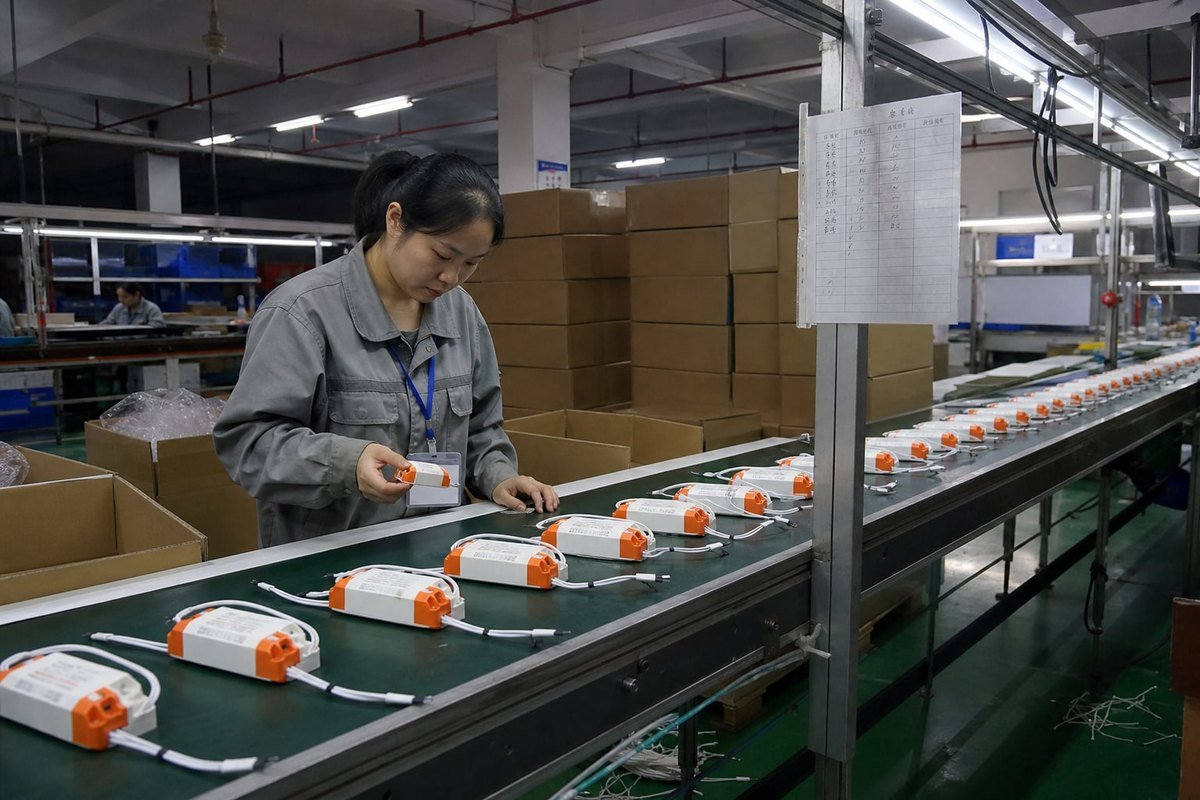
TRIAC-konceptet förändrades inte. Ingenjörskonsten runt det förändrades enormt. Låt mig gå igenom de största uppgraderingarna vi har implementerat och observerat inom branschen.
Smartare detektering och styrning
Äldre drivare gissade på dimmerns ledningsvinkel och gissade ofta fel. Moderna drivar-IC:er samplar den klippta vågformen varje cykel och anpassar sig i realtid. Vissa nyare designer tillämpar till och med kantnivå-intelligent vågformsanalys för att synkronisera med ovanliga eller åldrande dimmers. Resultatet är jämn dimning från 100% ner till 1% eller lägre, utan plötsliga hopp eller döda zoner vid ändarna av dimmerns rörelse.
Bättre effektkvalitet och tystare drift
Aktiv effektfaktorkorrigering är nu standard på kvalitets-TRIAC-drivdon, inte ett premiumtillägg. Den minskar övertoningsdistorsion 4 som trycks tillbaka in i elnätet och håller effektfaktorn hög även när vågformen klipps. Adaptiva bleederkretsar injicerar precis tillräckligt med ström för att uppfylla hållströmsbehoven och drar sedan tillbaka för att spara energi. Det eliminerar det hörbara surret som plågade tidigare produkter.
| Problem i äldre TRIAC-drivdon | Modern lösning | Resultat |
|---|---|---|
| Synlig flimmer vid låga dimningsnivåer | Högfrekvent konstantströmsreglering | Flimmerfri prestanda över hela intervallet |
| Hörbart surrande | Adaptiva bleeder- och dämpningskretsar | Tyst drift |
| Dålig effektfaktor | Aktiv effektfaktorkorrigering | Renare beteende mot elnätet |
| Skrymmande kapslingar | Högverkningsgradstopologier, GaN-redo konstruktioner | Kompakta drivdon som passar i smala armaturer |
| Dimmerbortfall vid låg last | Precision i hållströmshantering | Stabil utgång ända ner till djup dimning |
Framsteg på komponentnivå hjälper också till. Galliumnitrid-halvledare börjar användas i drivdonskonstruktioner, vilket ökar effekttätheten och minskar fotavtrycken. I vårt eget sortiment återspeglar det kompakta inline-formatet du ser på våra enheter, med SELV-utgång och CE- och CB-märkningar tryckta direkt på höljet, hur långt termisk- och verkningsgradsdesign har kommit.

Ska jag fortfarande välja TRIAC-dimmning framför nyare digitala protokoll för mina kommande LED-drivrutinsdesigner?
Avvägningar styr detta beslut, och jag väger dem med köpare varje vecka. En kund som planerade ett nytt kontorstorn valde DALI. Samma kund valde TRIAC för sin hotellrenovering. Båda valen var rätt.
Välj TRIAC för renoveringsprojekt, bostadsdimningssystem och hotelluppgraderingar där befintliga dimrar och ledningar måste återanvändas. Välj 0-10V eller DALI för nya kommersiella byggnader som behöver precis flerzonskontroll, adressering eller energirapportering. Anpassa protokollet till infrastrukturen.
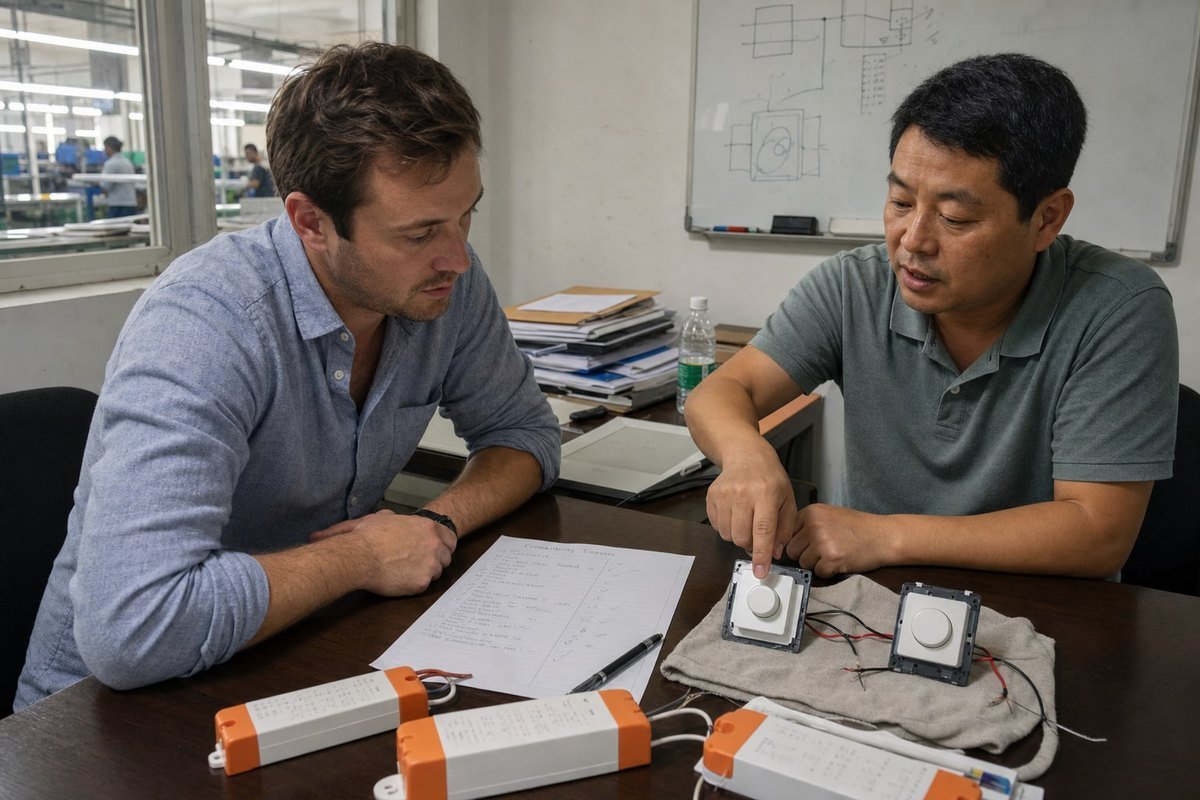
Här är den ärliga jämförelsen jag delar med köpare innan någon specifikation låses:
| Kriterium | TRIAC | 0-10V | DALI |
|---|---|---|---|
| Bästa användningsområde | Retrofitting av LED-belysning, hem, hotell | Kommersiella kontor, lager | Nybyggnationer, smarta byggnader |
| Kablage som behövs | Befintlig tvåtrådsnätanslutning endast | Två extra lågspänningsledningar | Dedikerad busskabel |
| Individuell adressering | Nej | Nej | Ja, per armatur |
| Idriftsättning | Ingen | Minimal | Programvarukonfiguration |
| Kostnad per punkt | Lägst | Måttlig | Högst |
| Dimningsprecision | Bra, förbättras | Bra | Utmärkt |
| Smart hem-integration | Via hybridbryggdrivdon | Via styrenheter | Inbyggt i många system |
Där TRIAC vinner
TRIAC är det pragmatiska svaret närhelst äldre infrastruktur finns. Bostadsdimningssystem dominerar efterfrågan eftersom husägare vill ha dimbara LED-lampor bakom strömbrytare de redan äger. Hotell och restauranger följer samma logik. Kommersiella renoveringar stod för en stor andel av installationerna av TRIAC-dimbara drivdon nyligen, drivet av gröna byggnadsuppgraderingar som behåller befintlig kabeldragning.
Där TRIAC förlorar
För en ny kommersiell byggnad med hundratals adresserbara zoner, dagsljusinsamling 5, och energirapportering, är DALI helt enkelt bättre. TRIAC kan inte adressera enskilda armaturer, och vågformsavklippning innebär inneboende avvägningar i övertoner jämfört med en ren digital signal.
Den hybrida mellanvägen
Linjen suddas också ut. Hybriddrivdon kombinerar nu TRIAC-ingång med Matter-kompatibla smarta moduler 6, vilket låter ett äldre analogt dimmerdon ansluta till ett modernt smart hem-ekosystem. I vår utvecklingsplan växer denna hybridkategori snabbast, eftersom den skyddar kundens installerade hårdvara samtidigt som den lägger till digitala funktioner.
Min tumregel: om väggarna redan är kabeldragna och strömbrytarna redan finns, välj TRIAC. Om du ändå drar ny kabel, överväg digitalt.
Slutsats
Att välja en dimningsarkitektur känns riskabelt när protokoll förökar sig årligen. Välj fel, och kostnaderna skjuter i höjden. TRIAC-drivdon består 2026 eftersom kompatibilitet, enkelhet och renoveringsekonomi fortfarande slår teknisk elegans.
Fotnoter
- Bakgrundsreferens som förklarar TRIAC-tekniken bakom de allmänt installerade väggdimmerna som nämns. ↩︎
- Energy Star-guide som förklarar kompatibilitets- och prestandastandarder för dimbara LED-lampor. ↩︎
- Teknisk översikt av TRIAC-komponenter och deras roll i fasklippningsdimningssystem. ↩︎
- Vetenskaplig förklaring av total harmonisk distorsion och dess påverkan på elektriska kraftsystem. ↩︎
- Auktoritativ resurs om dagsljusstrategier och insamlingskontroller för byggnadseffektivitet. ↩︎
- Officiell Matter-protokolldokumentation klargör smart hem-standard som refereras i hybriddrivdon. ↩︎