Vai al contenuto










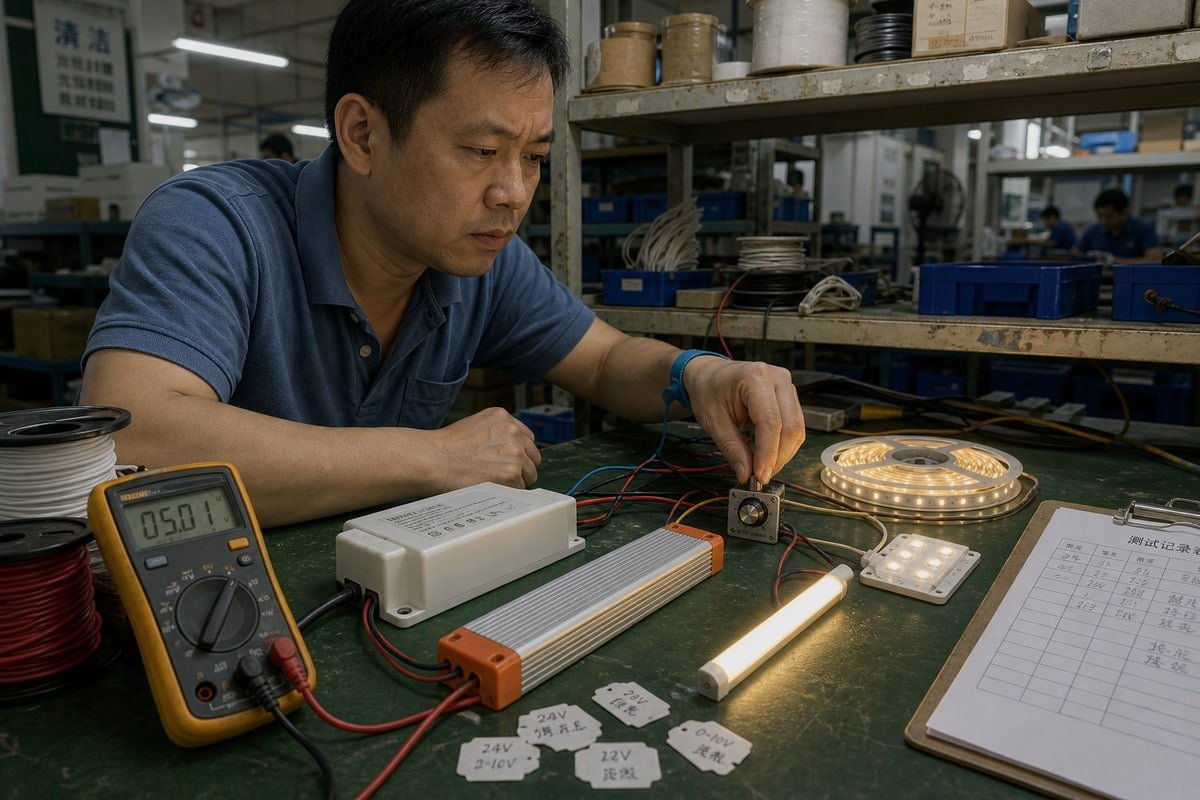
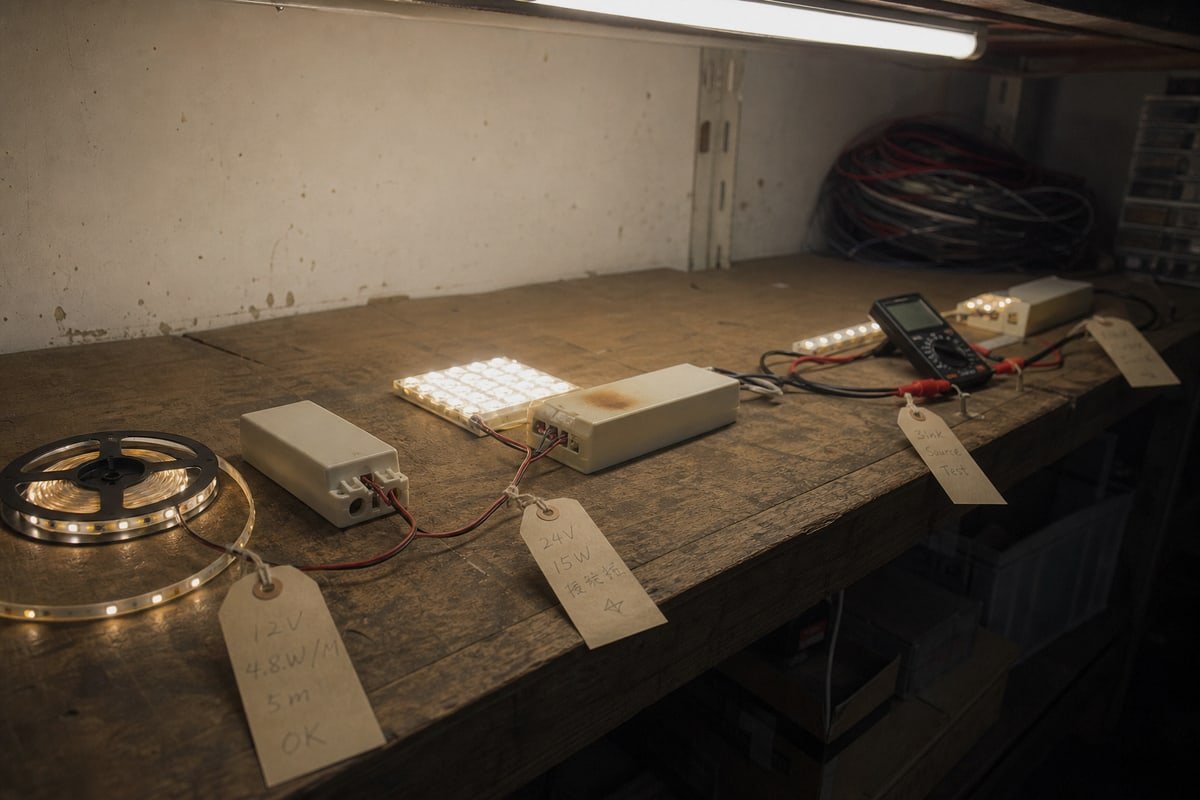
I driver a tensione costante 0-10V vengono applicati male costantemente, e un singolo dispositivo non corrispondente può rovinare un intero progetto di illuminazione. Vediamo i resi sul nostro banco di prova. Lascia che chiarisca questo punto.
I driver a tensione costante 0-10V sono tipicamente utilizzati per strisce LED, illuminazione a incasso, illuminazione sotto pensile, insegne, display retail e illuminazione architetturale d'accento. Alimentano carichi LED a tensione fissa di 12V o 24V, mentre l'ingresso 0-10V fornisce una regolazione analogica fluida in progetti commerciali e residenziali.
Quella risposta breve copre il “dove.” Ma il “perché” conta di più per chi specifica driver per progetti reali. Una frase in quella risposta nasconde una trappola: “driver a tensione costante 0-10V” mescola due idee diverse. La parte 0-10V è l’interfaccia di controllo. La parte a tensione costante è l’architettura di uscita di potenza. Il tuo carico LED decide se la tensione costante è anche la scelta giusta. Lascia che ti guidi attraverso le applicazioni, i controlli di compatibilità, i tipi di progetto e le certificazioni che dovresti pretendere da qualsiasi fornitore.
Quali progetti di illuminazione traggono maggior beneficio dai driver a tensione costante 0-10V?
Un acquirente tecnico a Singapore mi ha recentemente chiesto perché la sua illuminazione a cornice sfarfallava a livelli bassi. Il suo driver era a posto. Il suo tipo di progetto era la vera domanda.
L'illuminazione a strisce LED, l'illuminazione a incasso, l'illuminazione sotto i mobili, la retroilluminazione per insegne, gli espositori per il commercio al dettaglio e l'illuminazione architettonica d'accento traggono il massimo beneficio dai driver a tensione costante 0-10V. Questi progetti utilizzano carichi LED a tensione fissa di 12V o 24V in parallelo e necessitano di una regolazione analogica fluida e semplice piuttosto che di un controllo digitale complesso.
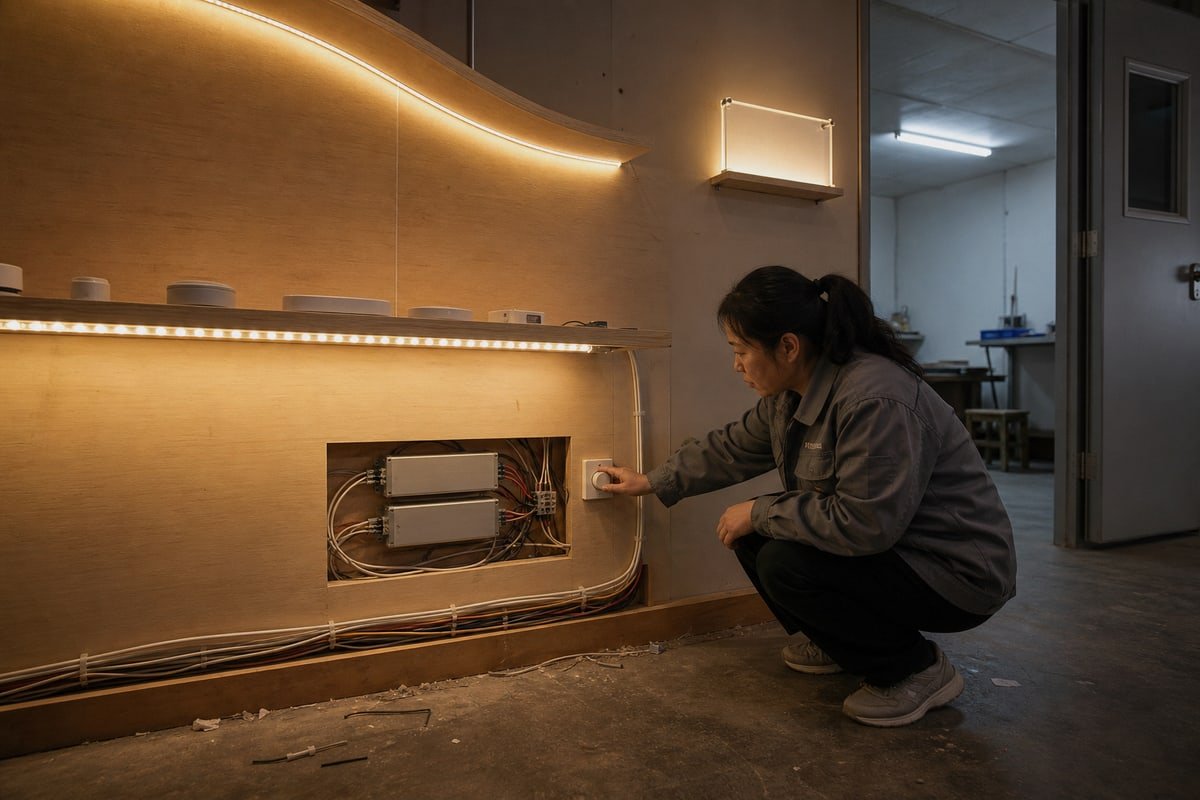
Il modello dietro queste applicazioni è semplice. Tutte usano carichi LED classificati in tensione. Le strisce LED, il nastro LED, le strisce COB e le barre lineari sono costruite con i propri resistori di limitazione della corrente. Si aspettano un’alimentazione DC stabile a 12V o 24V e regolano la corrente internamente. Questo è esattamente ciò che fornisce un driver a tensione costante. L’ingresso 0-10V aggiunge poi un segnale di dimmerazione analogico pulito in cima, così un progettista può portare una cornice dalla piena luminosità a un bagliore morbido.
Tensione Costante vs. Corrente Costante: Metti Questo a Posto Prima
Ecco la correzione che faccio in quasi ogni chiamata tecnica. I driver a tensione costante si adattano a strisce, barre e altri carichi classificati in tensione. I driver a corrente costante si adattano a moduli LED, pannelli, downlight e troffer, che sono regolati in corrente. Un troffer da ufficio dimmerabile di solito richiede corrente costante, non tensione costante, anche se entrambi possono accettare un filo di controllo 0-10V.
| Tipo di progetto | Carico Tipico | Perché CV 0-10V Si Adatta |
|---|---|---|
| Illuminazione a cornice e mensole | Nastro LED 12V/24V | Cablaggio parallelo, dimmerazione fluida a bassi livelli |
| Insegne e lettere a canale | Moduli LED 12V | Moduli a tensione fissa, alimentazione semplice in catena |
| Vetrine retail e sotto-mobile | Barre lineari 24V | Driver compatti si nascondono facilmente, controllo fine della luminosità |
| Illuminazione d'accento architettonica | Strisce wall-wash 24V | Tratte continue, dimmerazione guidata dall’atmosfera |
| Progetti di retrofit | Tratte a bassa tensione esistenti | Riutilizza il cablaggio, aggiunge dimmerazione senza rilavorazioni |
Le applicazioni più nuove stanno crescendo anche loro. Abbiamo spedito unità a tensione costante 0-10V per sistemi dual-channel a bianco tunabile in progetti di ospitalità, e gli acquirenti nell’agricoltura verticale chiedono informazioni sulla dimmerazione analogica per il controllo delle ricette di luce. Alcuni ingegneri stanno persino esplorando l’integrazione con microgrid DC per ridurre le perdite di conversione.
Come faccio a sapere se i miei apparecchi LED sono compatibili con i driver dimmerabili 0-10V?
Durante il burn-in nella nostra fabbrica, ogni driver dimmerabile 0-10V viene testato con carichi LED reali per ore prima dell’imballaggio. I problemi di compatibilità si rivelano sempre sotto calore e pieno carico.
I tuoi apparecchi LED sono compatibili con driver dimmerabili 0-10V se quattro cose corrispondono: la tensione nominale dell’apparecchio (12V o 24V), la capacità in watt del driver, il design di carico minimo e limitazione di corrente del carico, e il metodo di controllo sink o source del dimmer 0-10V.
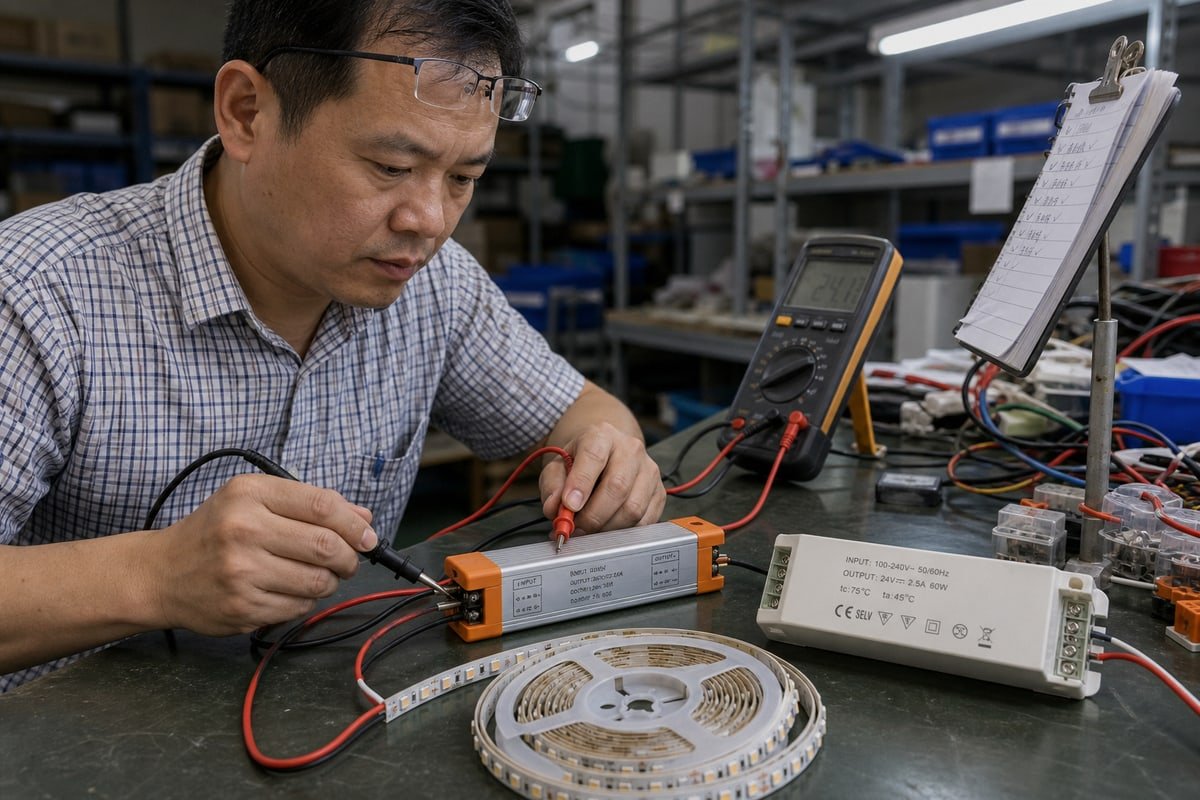
L’errore più grande che vedo è scegliere un driver semplicemente perché il prodotto LED dice “12V” o “24V” sull’etichetta. La corrispondenza di tensione è solo il primo passo. Un sistema affidabile richiede tutti e quattro i controlli completati insieme, in ordine:
- Tensione di uscita. L’uscita a 12V o 24V del driver deve corrispondere esattamente al carico LED. Un driver a 24V distruggerà rapidamente una striscia a 12V.
- Potenza di uscita. Il driver deve gestire il carico realmente collegato senza surriscaldamento eccessivo. Consiglio ai clienti di mantenere il carico intorno all’80% della capacità del driver, qualitativamente parlando, così l’unità rimane fresca e dura a lungo.
- Caratteristiche del carico LED. Strisce e moduli usano design diversi di limitazione della corrente. Alcuni carichi hanno anche requisiti di carico minimo, e scendere sotto quella soglia causa sfarfallio o dimmerazione instabile a livelli bassi.
- Compatibilità del controllo 0-10V. Conferma che dimmer e driver parlino lo stesso linguaggio elettrico prima di qualsiasi spedizione.
Corrente Sink e Source
Quel quarto controllo mette in difficoltà anche installatori esperti. In un circuito 0-10V 1, un dispositivo deve fornire la corrente di controllo e l’altro deve assorbirla. Questo comportamento di corrente sink e source non è standardizzato tra tutti i marchi. Se il dimmer si aspetta di assorbire corrente ma il driver non la fornisce, le luci restano alla piena luminosità e non si dimmerano mai.
Comportamento di Dimmerazione all’Uscita
All’interno del driver, l’ingresso analogico viene solitamente tradotto in un’ uscita di dimmerazione PWM 2 che commuta il carico LED in modo fluido. Chiedi al tuo fornitore se l’unità segue una curva di dimmerazione lineare o logaritmica, e se offre la capacità di dim-to-off sotto circa 1V sulla linea di controllo. Alcuni driver si dimmerano solo al 10% e si fermano lì, deludendo i clienti che si aspettano un fade completo al nero.
Posso utilizzare driver a tensione costante 0-10V sia per installazioni commerciali che residenziali?
Ogni preventivo preparato dal nostro team comporta un compromesso: sofisticatezza del controllo rispetto al costo di installazione. Questo stesso compromesso determina se un progetto tende al livello commerciale o a quello residenziale-semplice.
Sì, i driver a tensione costante 0-10V funzionano sia in installazioni commerciali che residenziali. Uffici, hotel, negozi al dettaglio e ospedali li usano con sistemi di automazione degli edifici, mentre le case li usano per illuminazione a incasso, sotto pensile e paesaggistica—a condizione che dimmer, cablaggio e classificazioni di sicurezza siano adatti a ciascun ambiente.
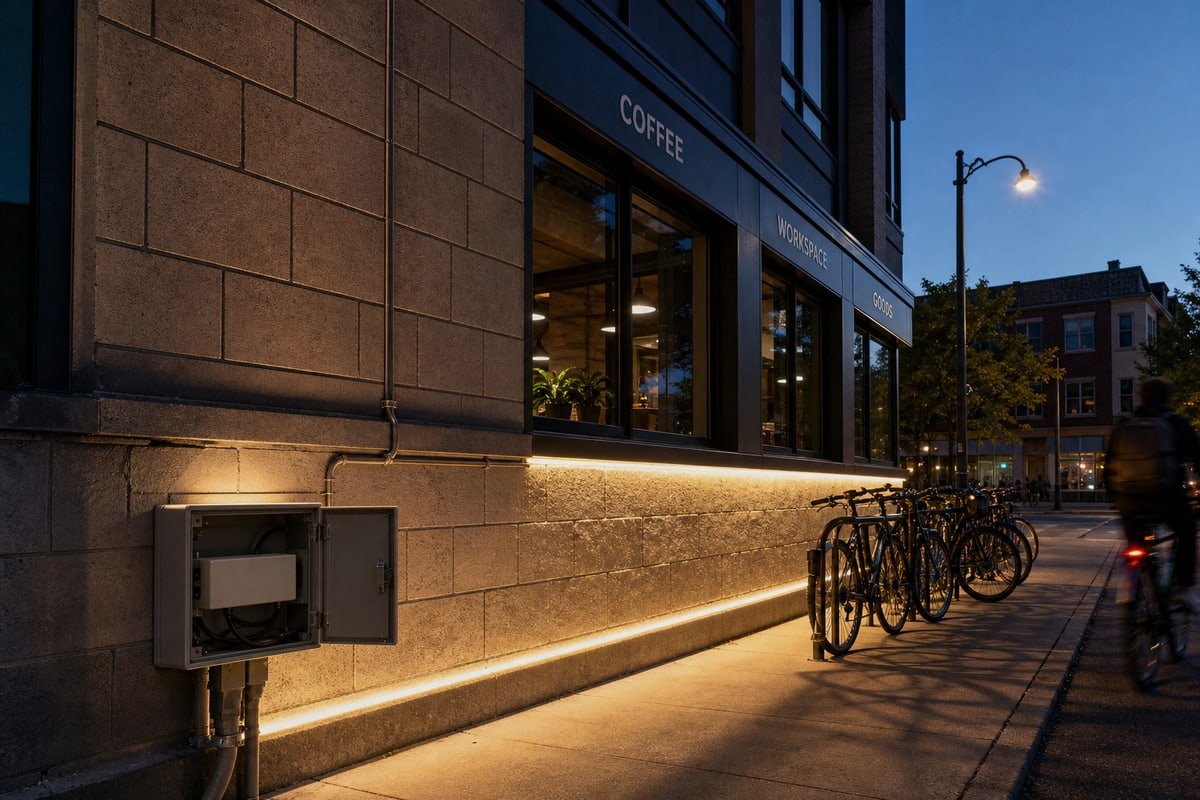
La stessa architettura di driver serve entrambi i mondi perché l'esigenza di base è identica: illuminazione a bassa tensione con dimmerazione continua e prevedibile. Ciò che cambia è tutto ciò che circonda il driver. Il controllo dell'illuminazione commerciale di solito significa integrazione con sensori di presenza 3, raccolta della luce diurna e sistemi di automazione degli edifici. Il lavoro residenziale di solito significa un dimmer a parete e un driver nascosto sopra un mobile.
| Fattore | Installazione Commerciale | Installazione Residenziale |
|---|---|---|
| Fonte di controllo | Pannelli di automazione, sensori, controller di stanza | Dimmer a parete 0-10V autonomi |
| Carichi tipici | Lunghe linee lineari, wall washing, espositori al dettaglio | Strisce per incasso, sotto pensile, ripostiglio, paesaggistiche |
| Scala del cablaggio | Più driver, posizionamento distribuito | Uno o due driver compatti |
| Priorità | Gestione energetica e coerenza delle scene | Atmosfera e dimmerazione silenziosa e senza sfarfallio |
| Focus sulla sicurezza | Classificazioni dell'involucro, gestione termica | Uscita SELV, manipolazione sicura e facile |
Il Dettaglio di Installazione Che Tutti Trascurano: Caduta di Tensione
Ecco un problema pratico che gli articoli generici saltano. Le lunghe strisce LED a bassa tensione soffrono di caduta di tensione. Anche con un driver 0-10V dimensionato correttamente, i LED all'estremità di una lunga corsa possono apparire notevolmente più scuri o cambiare colore se la distribuzione dell'alimentazione è scarsa. Nelle installazioni commerciali, il calibro del filo, i punti di iniezione, la lunghezza totale della corsa e il posizionamento del driver contano quasi quanto la potenza nominale del driver. Consigliamo ai clienti ingegneri di iniettare alimentazione a entrambe le estremità delle lunghe corse e di posizionare i driver vicino al carico. Per il lavoro esterno e paesaggistico, un'altra avvertenza: verificare prima l'involucro e la classificazione meteorologica, perché la maggior parte delle unità compatte da interno non è progettata per condizioni esposte.
Quali certificazioni dovrei verificare quando approvvigiono driver 0-10V per i miei progetti di ingegneria?
Anni fa, una delle nostre spedizioni quasi si fermò alla dogana perché un cliente presumeva che CE coprisse l'Australia. Non era così. Quella lezione cambiò il modo in cui documentiamo ogni driver.
Verificare la certificazione CE e CB per i mercati europei, RCM per l'Australia e le classificazioni SELV o Classe 2 per la sicurezza a bassa tensione. Verificare anche le classificazioni IP per l'uso esterno, le prestazioni di sfarfallio e la documentazione completa dei test dalla fabbrica prima di approvvigionarsi di driver 0-10V.
La certificazione non è burocrazia fine a se stessa. È il modo più rapido per giudicare se un fornitore può supportare legalmente e in sicurezza il tuo mercato di riferimento. I nostri driver portano marcature CE, CB, SELV e RCM stampate direttamente sull'etichetta, perché i nostri clienti spediscono nell'UE, nel Regno Unito, in Australia e in tutto il Sud-Est asiatico, e ogni destinazione controlla qualcosa di diverso.
| Marchio | Dove Si Applica | Cosa Ti Dice |
|---|---|---|
| CE | Unione Europea (Italia, Francia, Germania, Svezia, Finlandia) | Soddisfa le direttive UE su sicurezza e compatibilità elettromagnetica |
| UKCA | Regno Unito | Equivalente post-Brexit del Regno Unito al CE |
| CB | Internazionale (schema IECEE) | Rapporti di prova accettati in tutti i paesi membri, accelerando l'approvazione multi-mercato |
| RCM | Australia e Nuova Zelanda | Soddisfa le regole di sicurezza elettrica e compatibilità elettromagnetica per quella regione |
| SELV | Classificazione di sicurezza sull'uscita | La tensione di uscita è sicuramente bassa per manipolazione e installazione |
| Classe 2 | Nord America | L'alimentatore di Classe 2 limita la potenza di uscita per ridurre il rischio di incendio e scossa |
| Classificazione IP | Posizioni esterne o umide | Protezione dell'involucro contro polvere e acqua |
Due punti extra dalla nostra esperienza di esportazione. Primo, chiedi i rapporti di prova effettivi e la Dichiarazione di Conformità, non solo i loghi su una scheda tecnica. Un logo può essere stampato da chiunque; un rapporto CB valido 4 non può essere falsificato facilmente. Secondo, ricorda che le certificazioni coprono sicurezza e compatibilità elettromagnetica, non compatibilità. Nessun certificato garantisce che l'ingresso di controllo del driver corrisponda al tuo dimmer, quindi i protocolli di controllo dell'illuminazione—che siano 0-10V, TRIAC o DALI—richiedono ancora la loro verifica durante la campionatura.
Conclusione
Il driver sbagliato ti costa richiami e credibilità. Abbina tensione, potenza, comportamento del carico e metodo di controllo—e i driver a tensione costante 0-10V serviranno le tue strisce e gli accenti in modo affidabile per anni.
Note a piè di pagina
- Gli standard NEMA definiscono le caratteristiche elettriche del circuito 0-10V utilizzato per il controllo del dimmeraggio analogico. ↩︎
- La modulazione a larghezza di impulso è la tecnica standard per controllare la luminosità dei LED commutando rapidamente l'uscita di potenza. ↩︎
- L'ISO fornisce standard internazionali per i sensori di presenza e altri componenti utilizzati nei sistemi integrati di controllo degli edifici. ↩︎
- Lo schema CB IECEE garantisce che un rapporto CB valido sia riconosciuto a livello internazionale per la conformità alla sicurezza elettrica. ↩︎