Skip to content









غالبًا ما تبدو الإضاءة ساطعة جدًا أو خافتة جدًا. يرغب العديد من الأشخاص في التحكم السلس ولكنهم يواجهون صعوبة مع المخفتات غير المتوافقة ومحركات LED.
يتحكم مخفت TRIAC مثل BQ-TTDIM في السطوع عن طريق قطع جزء من كل موجة تيار متردد. يستخدم أشباه موصلات TRIAC لتبديل التيار خلال كل دورة تيار متردد، مما يقلل الطاقة الموصلة إلى المصباح ويتيح تخفيتًا سلسًا لأضواء LED والهالوجين والمتوهجة المتوافقة.

في العديد من مشاريع الإضاءة التحديثية، كثيرًا ما أرى ارتباكًا حول تخفيت TRIAC وتوافق LED. تم تصميم بك-تديم لجعل هذه العملية أسهل من خلال الجمع بين واجهة مخفت حائط دوارة تقليدية وتوافق محرك LED الحديث. لفهم كيفية عمله، نحتاج أولاً إلى النظر في كيفية عمل تخفيت TRIAC ولماذا لا يزال يهيمن على العديد من أنظمة الإضاءة اليوم.
ما هو مخفت TRIAC ولماذا يُستخدم في إضاءة LED؟
تتطلب العديد من أنظمة الإضاءة سطوعًا قابلًا للتعديل. المفاتيح التقليدية تعمل فقط على تشغيل الأضواء أو إيقافها. هذا يسبب عدم الراحة ويهدر الطاقة.
يضبط مخفت TRIAC شدة الضوء عن طريق قطع جزء من كل موجة تيار متردد. من خلال تأخير تدفق التيار في كل دورة تيار متردد، يقلل الطاقة الموصلة إلى المصباح ويغير السطوع بسلاسة.
فهم المفهوم الأساسي لتخفيت TRIAC بقطع الطور
يستخدم تخفيت TRIAC طريقة تسمى تخفيت الإضاءة بقطع الطور. يقع المخفت بين مصدر التيار المتردد الرئيسي وحمل الإضاءة. بدلاً من خفض الجهد باستمرار، يقطع جزءًا من موجة التيار المتردد.
خلال كل دورة تيار متردد:
- يرتفع جهد التيار المتردد من الصفر.
- يؤخر المخفت تشغيل TRIAC.
- بمجرد تشغيله، يسمح TRIAC بتدفق التيار.
- يمر باقي الموجة إلى الحمل.
عندما يؤخر المخفت نقطة التشغيل أكثر، تصل طاقة أقل إلى المصباح. ينخفض السطوع.
تعمل هذه الطريقة بشكل جيد مع الأحمال المقاومة مثل المصابيح المتوهجة. ومع ذلك، تتطلب إضاءة LED محركات لتحويل التيار المتردد إلى تيار مستمر ثابت.
الفرق بين المخفتات التقليدية والمخفتات المتوافقة مع LED
المخفتات التقليدية صُممت للمصابيح المتوهجة. تتصرف مصابيح LED بشكل مختلف لأنها تعتمد على محركات إلكترونية.
تشمل الاختلافات الرئيسية:
| الميزة | المخفت التقليدي | مخفت TRIAC المتوافق مع LED |
|---|---|---|
| نوع الحمل | مصابيح مقاومة | محركات LED إلكترونية |
| الحد الأدنى للحمل | غالبًا مرتفع | قدرة حمل أقل |
| خطر الوميض | منخفضة | ممكن إذا كان غير متوافق |
| نطاق التعتيم | واسع للمتوهجة | يعتمد على تصميم المحرك |
يجب أن تتحكم المخفتات المتوافقة مع LED في الموجة بعناية لمنع الوميض أو عدم الاستقرار.
المكونات الرئيسية داخل دائرة مخفت TRIAC
يحتوي مخفت TRIAC على عدة أجزاء إلكترونية تعمل معًا.
تشمل المكونات الرئيسية:
| المكوّن | الوظيفة |
|---|---|
| ترياك | مفتاح أشباه موصلات يتحكم في تيار التيار المتردد |
| DIAC | يشغل TRIAC عندما يصل الجهد إلى العتبة |
| شبكة توقيت RC | تحدد تأخير الطور |
| مقياس الجهد | يضبط مستوى التخفيت |
| مرشح EMI | يقلل الضوضاء الكهربائية |
تحدد شبكة التوقيت متى يعمل الترياك خلال كل دورة تيار متردد.
التطبيقات الشائعة في الإضاءة السكنية والتجارية
تظل مخفتات الترياك شائعة في العديد من بيئات الإضاءة.

تشمل التطبيقات النموذجية:
- أضواء سقف غرفة المعيشة
- أضواء الحائط الزخرفية
- المطاعم والمقاهي
- ممرات الفنادق
- عروض البيع بالتجزئة
في هذه الحالات، يعمل التعتيم على تحسين الأجواء والتحكم في الطاقة.
لماذا يظل تعتيم الترياك شائعًا في مشاريع التعديل
حتى مع تقنيات التعتيم الأحدث مثل 0-10V أو DALI، لا يزال تعتيم الترياك يهيمن على تركيبات التعديل.
تشمل الأسباب:
| ميزة | الشرح |
|---|---|
| الأسلاك الحالية | يعمل مع الأسلاك القياسية للتيار المتردد |
| تكلفة منخفضة | إلكترونيات بسيطة |
| واجهة مألوفة | مخفتات الحائط الدوارة |
| سهولة التركيب | لا حاجة لأسلاك تحكم إضافية |
بسبب هذه البساطة، تظل أجهزة مثل BQ-TTDIM مستخدمة على نطاق واسع.
نظرة عامة على مخفت الترياك BQ-TTDIM
اختيار المخفت الخاطئ غالبًا ما يسبب وميضًا أو سطوعًا غير مستقر. يجد العديد من القائمين على التركيب صعوبة في مطابقة المخفتات مع مشغلات LED.
BQ-TTDIM هو مخفت قطع طور للترياك مصمم لمشغلات LED القابلة للتعتيم، والمصابيح المتوهجة، وإضاءة الهالوجين. يعمل على جهد AC200-240V ويدعم أحمالًا تصل إلى 400W.

مقدمة إلى طراز المخفت BQ-TTDIM
BQ-TTDIM هو مخفت ترياك لوحي دوار بقناة إخراج واحدة مصمم للتركيب على الحائط.
وفقًا لدليل المنتج، فهو يدعم:
- ضبط السطوع الدوار
- زر ضغط للتشغيل/الإيقاف
- إعداد الحد الأدنى للسطوع
- وظيفة الذاكرة
هذه الميزات تجعل المخفت سهل الاستخدام في كل من المساحات السكنية والتجارية.
التصميم الأساسي والتوافق مع مشغلات LED
تم تصميم المخفت للتحكم في مشغلات LED القابلة للتعتيم بتقنية الترياك.
بدلاً من تنظيم الجهد مباشرة، يقوم بتعديل شكل موجة التيار المتردد الداخل إلى المشغل. ثم يحول المشغل تلك الموجة إلى تيار مستمر لمصابيح LED.
بسبب هذا التفاعل، يكون التوافق بين المخفت والمشغل مهمًا جدًا.
الخصائص الكهربائية
يوفر الدليل المعلمات الكهربائية التالية.
| المعلمة | المواصفات |
|---|---|
| جهد الإدخال | AC200-240V |
| جهد الخرج | AC200-240V |
| الحد الأقصى للتيار | 1.25 أ |
| الحد الأقصى للحمل | 3-400W |
| طريقة التعتيم | قطع طور دوار (الحافة الخلفية) |
تسمح هذه المواصفات للمخفت بالتحكم في العديد من أنواع مشغلات LED.
يدعم المخفت أيضًا مصابيح LED قابلة للتعتيم، ومشغلات TRIAC LED، والمصابيح المتوهجة، ومصابيح الهالوجين.
المواصفات البيئية ومواصفات السلامة
صُمم هذا المعتّم للتركيب الداخلي.
| المعلمة | القيمة |
|---|---|
| درجة حرارة التشغيل | −30°C إلى +55°C |
| درجة حرارة الهيكل | الحد الأقصى 85°C |
| تصنيف الحماية | IP20 |
| الشهادات | CE، EMC، LVD |
تضمن هذه المعايير السلامة الكهربائية والتوافق الكهرومغناطيسي.
واجهة المستخدم وميزات التحكم
تحتوي اللوحة الأمامية على مقبض دوّار يؤدي وظيفتين.
| إجراء التحكم | الوظيفة |
|---|---|
| اضغط على المقبض | تشغيل/إيقاف الضوء |
| أدر في اتجاه عقارب الساعة | زيادة السطوع |
| أدر عكس اتجاه عقارب الساعة | تقليل السطوع |
تجعل هذه الواجهة البسيطة من السهل على المستخدمين التحكم في مستويات الإضاءة.
مبدأ عمل معتّم TRIAC BQ-TTDIM
يعرف العديد من المستخدمين أن المعتّمات تغير السطوع. ومع ذلك، قليلون يفهمون العملية الكهربائية وراء تأثير التعتيم.
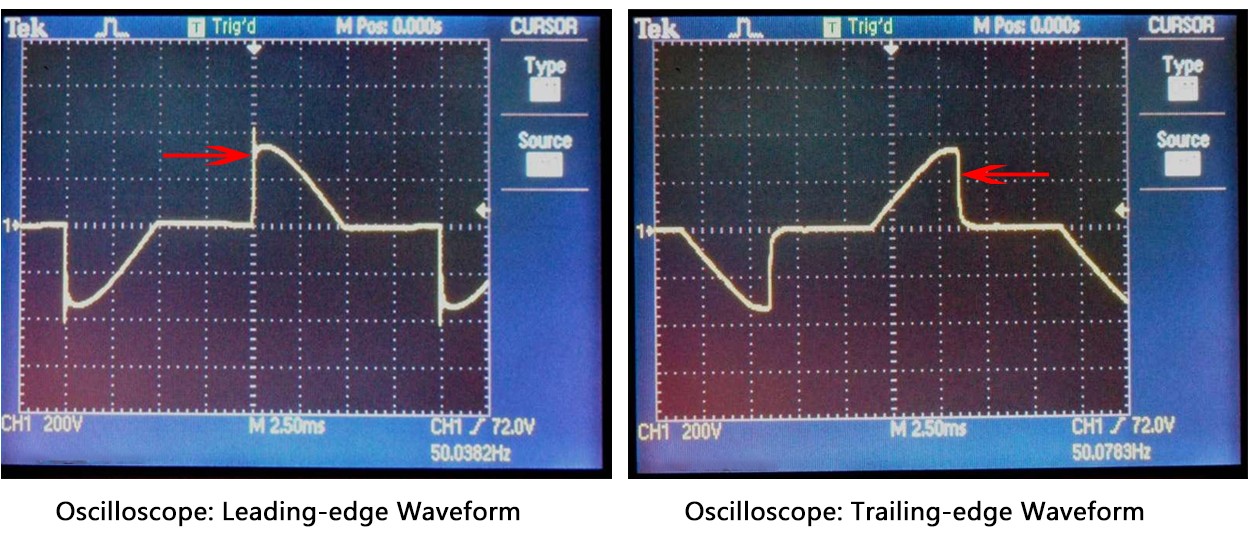
يتحكم BQ-TTDIM في السطوع عن طريق ضبط زاوية التوصيل لـ TRIAC خلال كل دورة تيار متردد. زاوية التوصيل الأكبر توصل طاقة أكبر لمشغل LED، مما يؤدي إلى سطوع أعلى.
كيف يتحكم تعتيم قص الطور في الطاقة
يتبع التيار المتردد نمط موجة جيبية.
في معتّم TRIAC:
- تبدأ موجة التيار المتردد.
- يؤخر المعتّم إشارة التشغيل.
- يُفعَّل TRIAC عند زاوية معينة.
- يتدفق التيار لبقية نصف الدورة.
كلما تأخر تشغيل TRIAC، قلت الطاقة التي تصل إلى المصباح.
دور أشباه الموصلات TRIAC
يعمل TRIAC كمفتاح إلكتروني.
تشمل الخصائص المهمة:
| الخاصية | الشرح |
|---|---|
| التوصيل ثنائي الاتجاه | يعمل مع التيار المتردد |
| يُفعَّل بإشارة البوابة | يُشغَّل عند جهد محدد |
| سلوك الإمساك | يبقى في وضع التشغيل حتى ينخفض التيار إلى الصفر |
نظرًا لأن التيار المتردد يعبر الصفر مرتين في كل دورة، فإن TRIAC يعيد ضبط نفسه تلقائيًا.
ضبط زاوية التوصيل
يغير المقبض الدوّار المقاومة في دائرة التوقيت.
يغير هذا التأخير قبل إطلاق TRIAC.
أمثلة على مستويات التعتيم:
| زاوية التوصيل | الطاقة الموصلة | السطوع |
|---|---|---|
| 170° | عالية | ساطع |
| 120° | متوسط | معتدل |
| 60° | منخفضة | خافت |
هذه الطريقة فعّالة لأن الخافت لا يبدد كميات كبيرة من الحرارة.
التفاعل بين الخافت ومشغل LED
عندما يصل شكل الموجة إلى مشغل LED:
- يستقبل المشغل جهدًا مترددًا مقطوعًا.
- يكتشف المشغل زاوية الطور.
- تضبط الإلكترونيات الداخلية تيار LED.
التصميم الجيد للمشغل يضمن تخفيتًا سلسًا دون وميض.
عملية التخفيت خطوة بخطوة
تعمل العملية الكاملة على النحو التالي:
| الخطوة | الإجراء |
|---|---|
| 1 | يدير المستخدم مقبض الخافت |
| 2 | تغير دائرة التوقيت التأخير |
| 3 | يُشغَّل TRIAC عند زاوية طور جديدة |
| 4 | يتغير جزء شكل موجة التيار المتردد |
| 5 | يضبط مشغل LED تيار الخرج |
| 6 | يتغير سطوع LED |
تتكرر هذه الدورة مع كل شكل موجة تيار متردد.
التخفيت بالحافة الأمامية مقابل الحافة الخلفية في أنظمة TRIAC
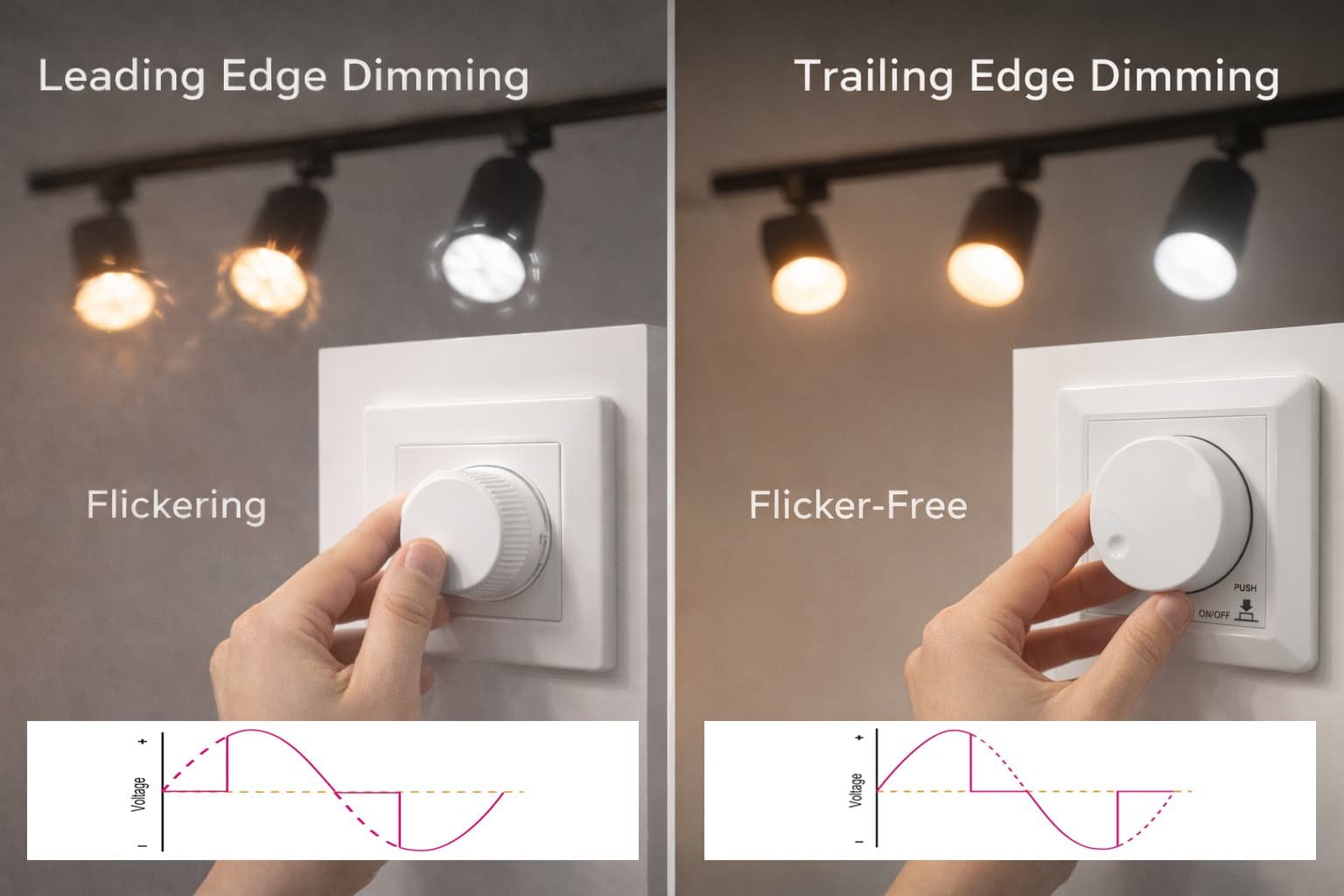
لا تعمل جميع طرق التخفيت بقطع الطور بنفس الطريقة. بعض الخافتات تقطع بداية شكل الموجة. وأخرى تقطع النهاية.
التخفيت بالحافة الأمامية يزيل بداية شكل موجة التيار المتردد، بينما التخفيت بالحافة الخلفية يزيل النهاية. تستخدم خافتات TRIAC تقليديًا قطع الطور بالحافة الأمامية.
ما معنى التخفيت بالحافة الأمامية
التخفيت بالحافة الأمامية يؤخر بداية شكل الموجة.
بمجرد التشغيل، يمر باقي شكل الموجة.
تشمل الخصائص:
| الميزة | الوصف |
|---|---|
| جهاز التحكم | ترياك |
| الاستخدام الشائع | المصابيح المتوهجة |
| التكلفة | منخفضة |
| الضوضاء الكهربائية | أعلى |
كيف يعمل التخفيت بالحافة الخلفية
يستخدم التخفيت بالحافة الخلفية طريقة مختلفة.
بدلاً من تأخير البداية، يقطع نهاية شكل الموجة.
| الميزة | الوصف |
|---|---|
| جهاز التحكم | موسفيت |
| مستوى الضوضاء | أقل |
| توافق LED | غالبًا أفضل |
| التكلفة | أعلى |
أي نوع يُستخدم في خافتات TRIAC
معظم خافتات TRIAC تستخدم تعتيم الحافة الأمامية.
ومع ذلك، يمكن لبعض التصاميم المتقدمة محاكاة سلوك الحافة الخلفية.
يُوصف BQ-TTDIM بأنه خافت طور دوار بالحافة الخلفية في دليل المنتج.
هذا يحسن التوافق مع العديد من مشغلات LED.
المزايا والقيود
لكل طريقة تخفيت نقاط قوة.
| الطريقة | المزايا | القيود |
|---|---|---|
| الحافة الأمامية | بسيطة، منخفضة التكلفة | EMI أعلى |
| الحافة الخلفية | تعتيم سلس | تكلفة أعلى |
التوافق مع مشغلات LED
يجب أن تدعم مشغلات LED نفس طريقة قطع الطور.
وإلا فقد تحدث مشاكل:
- الوميض
- نطاق تعتيم محدود
- الطنين
اختيار مشغلات متوافقة يحل معظم المشكلات.
المزايا الرئيسية لاستخدام معتم TRIAC BQ-TTDIM
أداء التعتيم الضعيف يمكن أن يفسد جودة الإضاءة. الوميض والسطوع غير المستقر مشكلتان شائعتان.
يوفر BQ-TTDIM تعتيمًا سلسًا، وتوافقًا قويًا مع مشغلات TRIAC القابلة للتعتيم، وتركيبًا بسيطًا، وتشغيلًا موثوقًا للعديد من تطبيقات الإضاءة.
تعتيم سلس ومستقر
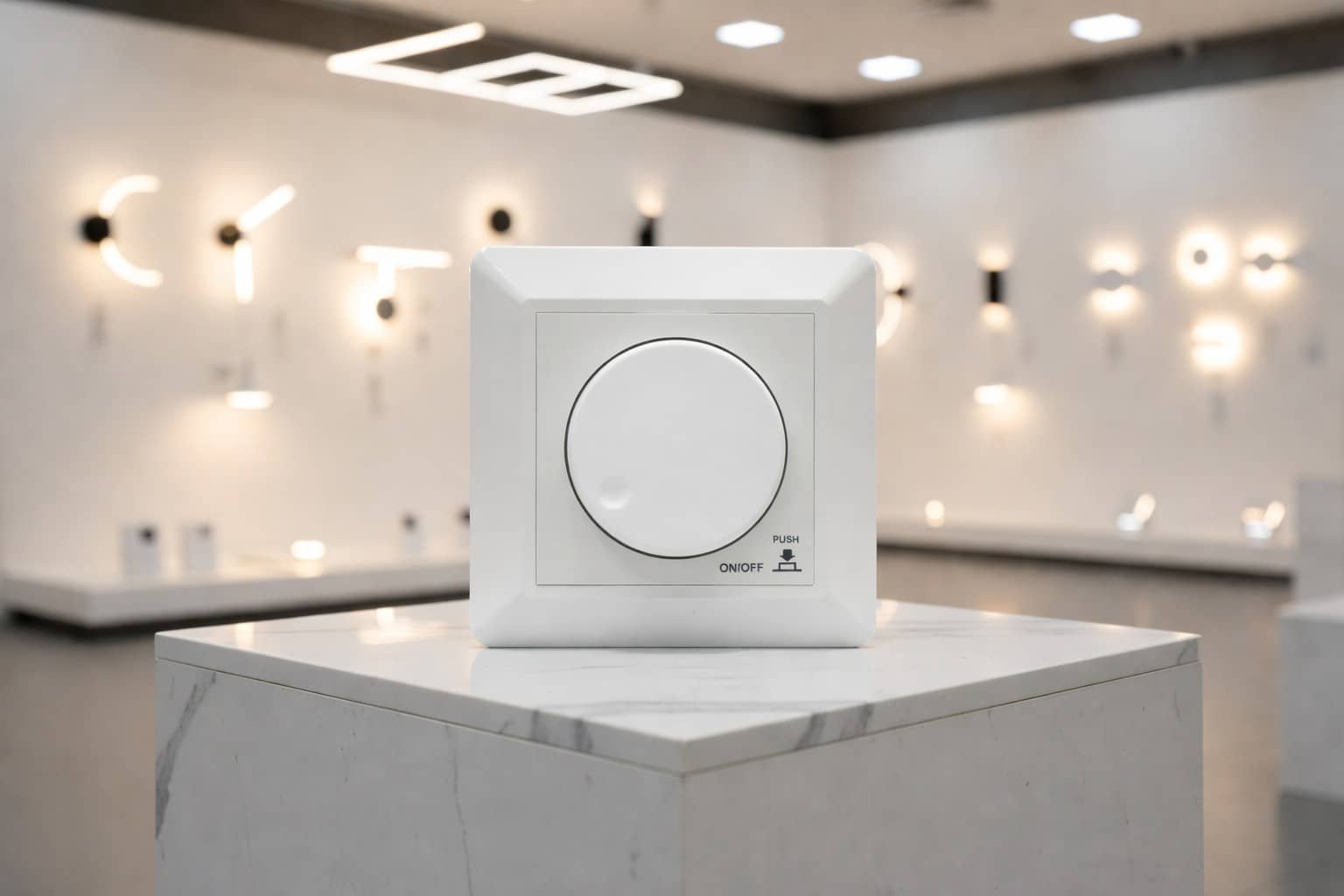
المعتمات الجيدة توفر تغييرات تدريجية في السطوع.
يسمح BQ-TTDIM للمستخدمين بضبط السطوع من 0-100% باستخدام مقبض دوار.
التعتيم السلس يحسن الراحة البصرية في بيئات المعيشة والعمل.
توافق عالٍ مع أنظمة TRIAC العالمية
تستخدم العديد من المباني بالفعل بنية تحتية لتعتيم TRIAC.
تشمل المزايا:
| المزايا | الشرح |
|---|---|
| توصيلات قياسية | لا حاجة لناقل تحكم |
| توافق عالمي | يعمل مع العديد من المشغلات |
| مناسب للتحديث | استبدال المعتمات الحالية بسهولة |
تركيب سهل
تُركب معتمات اللوحة الجدارية بشكل مشابه للمفاتيح القياسية.
تشمل خطوات التركيب النموذجية:
- توصيل مدخل التيار المتردد الحي.
- توصيل المخرج بمشغل LED.
- تثبيت لوحة المعتم.
- تركيب غطاء المقبض.
نظرًا لأن التوصيلات تبقى بسيطة، يمكن للكهربائيين تركيب الجهاز بسرعة.
تقليل الوميض
عند استخدامه مع مشغلات متوافقة، يوفر المعتم تحكمًا مستقرًا في السطوع.
يضمن اكتشاف قطع الطور الصحيح في مشغل LED تعتيمًا سلسًا.
ميزات الحماية
يتضمن المعتم أيضًا آليات أمان.
| الحماية | الوظيفة |
|---|---|
| ارتفاع درجة الحرارة | يمنع السخونة الزائدة |
| الحمل الزائد | يحمي الدائرة الداخلية |
| الاسترداد التلقائي | يعود إلى التشغيل الطبيعي |
تزيد هذه الحمايات من موثوقية النظام.
التوافق مع مشغلات LED القابلة للتعتيم TRIAC
واحدة من أكبر المشكلات في إضاءة LED هي عدم التوافق بين المعتمات والمشغلات.
يجب تصميم مشغلات LED لاكتشاف موجات قطع الطور. بدون هذه الميزة، لا يمكن أن يعمل تعتيم TRIAC بشكل صحيح.

لماذا يجب أن تكون المشغلات متوافقة مع TRIAC
تقوم مشغلات LED بتحويل الطاقة الكهربائية المترددة إلى تيار مستمر متحكم به.
تعتيم TRIAC يغير شكل موجة التيار المتردد. إذا لم يستطع المشغل تفسير تلك الموجة، يصبح تيار LED غير مستقر.
كيف يؤثر تصميم المشغل على التعتيم
يجب أن تكتشف إلكترونيات المشغل:
- زاوية التوصيل
- شكل الموجة
- نقطة العبور الصفري
بناءً على هذه المعلومات، يضبط المشغل تيار LED.
مطابقة المشغلات مع أنواع المخفتات
هناك نوعان شائعان من المشغلات في أنظمة LED.
| نوع المشغل | التطبيق |
|---|---|
| التيار الثابت | وحدات LED |
| الجهد الثابت | شرائط LED |
يمكن لكلا النوعين دعم تعتيم TRIAC إذا تم تصميمهما بشكل صحيح.
تجنب المشكلات الشائعة
غالبًا ما يواجه القائمون على التركيب مشكلات مثل:
| المشكلة | السبب |
|---|---|
| الوميض | عدم توافق المشغل |
| تعتيم محدود | تصميم محرك ضعيف |
| الضوضاء | التداخل الكهرومغناطيسي الناتج عن قطع الطور |
اختيار مكونات متوافقة يحل هذه المشكلات.
أفضل الممارسات
لتعتيم مستقر:
- استخدم مشغلات LED متوافقة مع TRIAC.
- حافظ على الحمل ضمن تصنيف المخفت.
- اختبر نطاق التعتيم أثناء التركيب.
- تجنب خلط أنواع المصابيح غير المتوافقة.
التطبيقات النموذجية لمخفتات TRIAC في مشاريع الإضاءة
غالبًا ما يحتاج مصممو الإضاءة إلى تحكم مرن في السطوع. لا تزال العديد من مشاريع البناء تعتمد على أنظمة الأسلاك التقليدية.
تُستخدم مخفتات TRIAC على نطاق واسع في المنازل والفنادق ومتاجر التجزئة والإضاءة المعمارية لأنها تعمل مع الأسلاك الكهربائية القياسية وتتطلب بنية تحتية تحكم بسيطة.

الإضاءة السكنية
تستفيد المنازل بشكل كبير من التحكم في التعتيم.
تشمل الغرف النموذجية:
| الغرفة | المزايا |
|---|---|
| غرفة المعيشة | ضبط إضاءة المزاج |
| غرفة النوم | إضاءة ليلية مريحة |
| مطبخ | إضاءة عمل مرنة |
إضاءة الضيافة
تعتمد الفنادق والمطاعم بشكل كبير على التعتيم.
تشمل الفوائد:
- خلق أجواء
- ضبط السطوع للمناسبات
- توفير الطاقة
إضاءة التجزئة
تستخدم متاجر التجزئة التعتيم لإبراز المنتجات.
يضبط مصممو الإضاءة السطوع من أجل:
- أرفف العرض
- العارضات
- الإضاءة الزخرفية
الإضاءة المعمارية
غالبًا ما تتطلب المشاريع المعمارية شدة إضاءة متغيرة.
تسمح المخفتات بـ:
- التحكم في إضاءة الواجهات
- الإضاءة المميزة
- ضبط الأجواء المحيطة
مشاريع تحويل الإضاءة إلى LED
لا تزال العديد من المباني القائمة تحتوي على توصيلات كهربائية تقليدية.
تعمل مخفتات TRIAC على تبسيط ترقيات LED للأسباب التالية:
| ميزة | الشرح |
|---|---|
| لا حاجة لأسلاك تحكم جديدة | استخدام التوصيلات الحالية |
| تكلفة تركيب منخفضة | تغييرات طفيفة |
| ترقيات سريعة | استبدال المصابيح والمشغلات |
ولهذا السبب، تظل مخفتات TRIAC شائعة جدًا في أسواق التحويل.
نصائح التركيب لأداء تثبيت TRIAC المستقر
حتى المخفتات الجيدة قد تعمل بشكل سيء إذا تم تركيبها بشكل غير صحيح. تأتي معظم مشكلات التخفيض من التوصيلات أو مشاكل الحمل.
التوصيل الصحيح، ومطابقة الحمل المناسبة، واختبار التوافق ضرورية لتحقيق أداء تثبيت TRIAC مستقر.

التكوين الصحيح للتوصيلات
يتصل BQ-TTDIM بين مصدر التيار المتردد ومشغل LED.
وفقًا لمخطط التوصيل في الدليل، يستقبل المخفت مدخل التيار المتردد الحي ويخرج إشارة تيار متردد مقطوعة الطور إلى مشغل TRIAC LED.
تأكد دائمًا من أن التوصيلات آمنة قبل تشغيل النظام.
حساب الحمل
يدعم المخفت حتى حمل 400 واط عند 220 فولت.
ومع ذلك، تحتوي مشغلات LED على تيار اندفاعي.
يلاحظ الدليل أن إجمالي التيار الاندفاعي يجب ألا يتجاوز ضعف حد 65 أمبير.
اعتبارات الحد الأدنى للحمل
تتطلب بعض المخفتات حدًا أدنى من الحمل لتعمل بشكل صحيح.
بالنسبة لأنظمة LED:
- تجنب الأحمال الصغيرة جدًا
- ضمان توافق المشغل
اختبار نطاق التخفيض
بعد التركيب، اختبر مستويات السطوع.
تحقق من:
- الوميض
- المناطق الميتة
- القفزات المفاجئة في السطوع
إذا ظهرت مشاكل، اختبر مشغلات مختلفة.
استكشاف الأخطاء الشائعة وإصلاحها
يسرد الدليل خطوات بسيطة لاستكشاف الأخطاء وإصلاحها.
| الموضوع | السبب | الحل |
|---|---|---|
| لا يوجد ضوء | لا توجد طاقة | تحقق من مصدر التيار المتردد |
| لا يوجد ضوء | توصيل خاطئ | تحقق من التوصيلات |
عادةً ما يحل التوصيل الصحيح معظم مشكلات التركيب.
خاتمة
يتحكم مخفت BQ-TTDIM TRIAC في السطوع عن طريق ضبط توصيل طور التيار المتردد باستخدام مفتاح TRIAC، مما يتيح تخفيضًا سلسًا لمشغلات LED المتوافقة، والمصابيح المتوهجة، وأنظمة إضاءة الهالوجين.