Skip to content










เมื่อไฟ LED ของคุณกะพริบหรือมีความสว่างไม่สม่ำเสมอ ปัญหามักเริ่มต้นที่ไดรเวอร์ การเลือกประเภทที่ผิดอาจทำลายระบบไฟของคุณได้.
ไดรเวอร์ LED แบบคงกระแสที่รองรับการหรี่แสงแบบ TRIAC จะจ่ายกระแสคงที่ให้กับ LED ในขณะที่อนุญาตให้หรี่แสงผ่านสวิตช์หรี่ไฟติดผนังมาตรฐานโดยใช้เทคโนโลยีตัดเฟส.
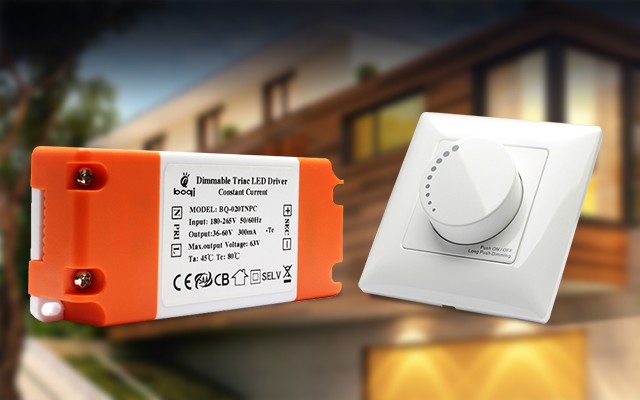
ให้ฉันอธิบายให้คุณเข้าใจว่าไดรเวอร์เหล่านี้ทำงานอย่างไร ทำไมจึงสำคัญ และวิธีเลือกไดรเวอร์ที่เหมาะสมสำหรับโครงการไฟของคุณ.
ไดรเวอร์ LED กระแสคงที่คืออะไร?
หลายคนสับสนระหว่าง กระแสคงที่ ด้วย คอนสแตนต์โวลเทจ. ความแตกต่างนี้สามารถทำให้ประสิทธิภาพ LED ของคุณดีหรือแย่ได้.
ไดรเวอร์ LED แบบกระแสคงที่จะจ่ายกระแสคงที่—วัดเป็นมิลลิแอมป์ (mA)—และปรับแรงดันไฟฟ้าให้ตรงกับความต้องการแรงดันไปข้างหน้าของ LED.

ไดรเวอร์แบบกระแสคงที่มีความจำเป็นเมื่อคุณต้องการปกป้อง LED จากความร้อนที่หนีไม่ควบคุมและกระแสไฟกระชาก.
| คุณสมบัติ | ไดรเวอร์คอนสแตนต์เคอร์เรนต์ | คอนสแตนต์โวลเทจไดรเวอร์ |
|---|---|---|
| ประเภทเอาต์พุต | กระแส (mA คงที่) | แรงดันไฟฟ้า (V คงที่) |
| การใช้งาน | COB, LED กำลังสูง | แถบ LED, อาร์เรย์ |
| ความยืดหยุ่นของแรงดันไฟฟ้า | กว้าง | จำกัด |
| ความเข้ากันได้ของการหรี่แสง | ต้องการการหรี่แสงแบบกระแส | ง่ายกว่าด้วย PWM |
ช่วงแรงดันไปข้างหน้า
LED แต่ละดวงมีช่วงแรงดันไปข้างหน้า ไดรเวอร์ต้องปรับให้เข้ากับช่วงนี้ในขณะที่รักษากระแสให้คงที่ ตัวอย่างเช่น ไดรเวอร์ 350mA อาจรองรับ 9–36V โดยปรับแรงดันไฟฟ้าอัตโนมัติเพื่อให้กระแสคงที่.
อธิบายการหรี่แสงแบบ TRIAC: เทคโนโลยีตัดเฟสขอบนำ
การหรี่แสงแบบ TRIAC ฟังดูซับซ้อน แต่จริงๆ แล้วมีพื้นฐานจากหลักการง่ายๆ: การตัดส่วนต่างๆ ของคลื่นไฟฟ้ากระแสสลับ.
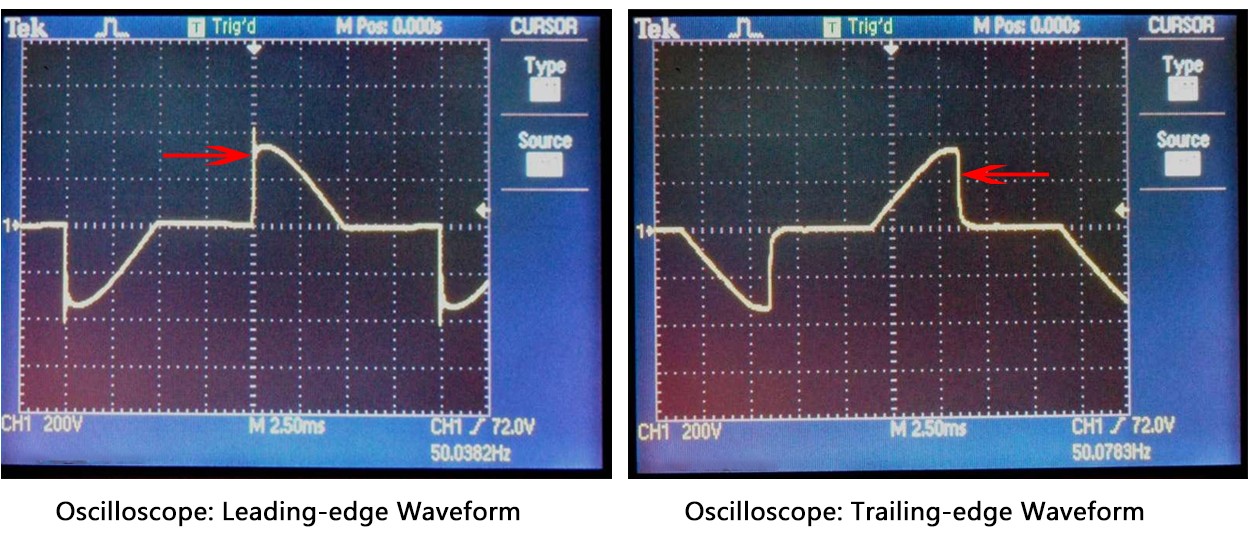
การหรี่แสงแบบ TRIAC ทำงานโดยการตัดรูปคลื่นแรงดันไฟฟ้า ควบคุมปริมาณพลังงานที่ไปถึง LED เรียกว่าการหรี่แสงแบบ “ขอบนำ” หรือ “ตัดเฟส”.
ทำความเข้าใจการควบคุมแบบตัดเฟส
TRIAC (Triode สำหรับกระแสสลับ) ตัดแรงดันไฟฟ้าที่จุดเริ่มต้นของแต่ละครึ่งรอบของไฟฟ้ากระแสสลับ ซึ่งเปลี่ยนพลังงานที่ส่งไปยังไดรเวอร์ และจะปรับแสงที่ออกมา.
ข้อดีของ TRIAC:
- ใช้กันอย่างแพร่หลายในที่พักอาศัย สวิตช์หรี่ไฟติดผนัง
- ต้นทุนต่ำและหาง่าย
- ทำงานกับระบบสายไฟแบบเดิม
แต่ก็ไม่ได้ราบรื่นเสมอไป หากไดรเวอร์ไม่ได้ออกแบบมาอย่างเหมาะสม ผลลัพธ์ที่ได้คือการกะพริบหรือเสียงฮัมที่มองเห็นได้.
วิธีทำงานของไดรเวอร์ LED แบบคงกระแสที่รองรับการหรี่แสงแบบ TRIAC
การรวมเอาต์พุตกระแสคงที่เข้ากับการหรี่แสงแบบตัดเฟสเป็นความท้าทายทางวิศวกรรม มาดูภายในกัน.
ไดรเวอร์ LED แบบคงกระแสที่รองรับการหรี่แสงแบบ TRIAC จะแปลงไฟฟ้ากระแสสลับเป็นกระแสตรง รักษากระแสคงที่ และตีความอินพุตไฟฟ้ากระแสสลับที่ถูกตัดจากสวิตช์หรี่ไฟแบบ TRIAC เพื่อปรับความสว่างของ LED.
การทำงานทีละขั้นตอน
- ขั้นอินพุต: รับพลังงานไฟฟ้ากระแสสลับ รวมถึงรูปคลื่นที่ถูกตัดจากสวิตช์หรี่ไฟ.
- วงจรเรียงกระแสและการกรอง: แปลงไฟฟ้ากระแสสลับเป็นไฟฟ้ากระแสตรงแรงดันสูงและทำให้เรียบ.
- วงจรถอดรหัสการหรี่แสง: ตรวจจับมุมเฟสของรูปคลื่นที่ถูกตัดจากสวิตช์หรี่ไฟ.
- วงจรควบคุม: ปรับกระแสเอาต์พุตตามนั้น โดยรักษากระแสให้คงที่.
- ขั้นเอาต์พุต: ส่งกระแสคงที่ไปยัง LED ในขณะที่ปรับแรงดันไฟฟ้าตามโหลดทั้งหมด.
สิ่งนี้ต้องมีการออกแบบที่แม่นยำ หากวงจรควบคุมล่าช้าหรืออ่านสัญญาณสวิตช์หรี่ไฟผิด เอาต์พุตอาจกะพริบหรือมีเสียงฮัม.
คุณสมบัติทางไฟฟ้าที่สำคัญที่คุณควรรู้
เมื่อเลือกไดรเวอร์ TRIAC แบบหรี่ไฟได้ ข้อมูลจำเพาะสำคัญบางอย่างสามารถช่วยคุณจากปัญหาปวดหัวครั้งใหญ่ในภายหลังได้.
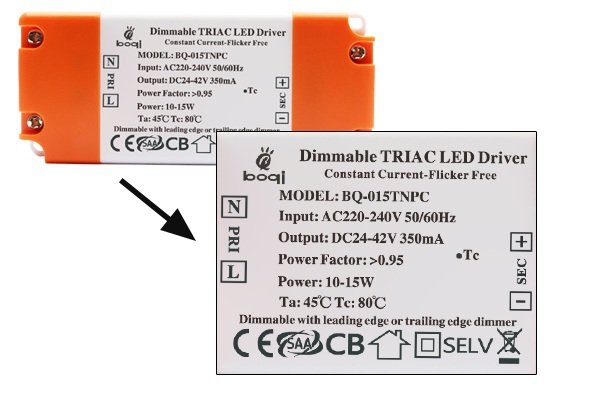
พารามิเตอร์ที่สำคัญรวมถึงพิกัดกระแส ช่วงแรงดันไฟฟ้า, PF (ตัวประกอบกำลัง), THD (ความผิดเพี้ยนฮาร์มอนิกรวม), ประสิทธิภาพ, และช่วงการหรี่ไฟ.
สิ่งที่ควรมองหา
| พารามิเตอร์ | ความหมาย | เหตุผลที่สำคัญ |
|---|---|---|
| กระแสเอาต์พุต | ค่า mA คงที่ | ต้องตรงกับข้อมูลจำเพาะของ LED |
| แรงดันเอาต์พุต | ช่วง (เช่น 9–36V) | ต้องครอบคลุมแรงดันไปข้างหน้ารวมของ LED |
| เพาเวอร์แฟกเตอร์ (PF) | ควรมีค่า >0.9 | มีประสิทธิภาพมากขึ้น เป็นไปตามมาตรฐานเชิงพาณิชย์ |
| THD | ควรมีค่า <20% | ลดการรบกวน |
| ประสิทธิภาพ | โดยทั่วไป 85–92% | ส่งผลต่อความร้อนและการใช้พลังงาน |
| ช่วงการปรับความสว่าง | โดยปกติ 0–100% | ช่วงที่ต่ำกว่าช่วยให้หรี่ไฟได้นุ่มนวลขึ้น |
สถานการณ์การใช้งาน: ไดรเวอร์ประเภทนี้ทำงานได้ดีที่สุดที่ไหน
ไดรเวอร์นี้ไม่เหมาะกับทุกโครงการ แต่เมื่อมันเหมาะสมแล้ว ก็ยากที่จะหาใครเทียบได้.
ไดรเวอร์กระแสคงที่ TRIAC เหมาะสำหรับไฟที่อยู่อาศัย โครงการปรับปรุง และการติดตั้งใดๆ ที่ใช้สวิตช์หรี่ไฟแบบผนังมาตรฐาน.

กรณีการใช้งานที่ดีที่สุด
- ดาวน์ไลท์และโคมฝัง ในบ้าน
- หลอด LED สำหรับปรับปรุง เปลี่ยนแทนฮาโลเจน/MR16
- ไฟแทร็กและโคมติดผนัง
- ห้องพักโรงแรม ที่มีการติดตั้งสวิตช์หรี่ไฟไว้ล่วงหน้า
- ไฟร้านอาหารและร้านค้าปลีก ที่ต้องการควบคุมบรรยากาศ
การติดตั้งเหล่านี้มักใช้สวิตช์หรี่ไฟ TRIAC แบบผนังอยู่แล้ว การอัปเกรดเป็น LED โดยใช้อุปกรณ์หรี่ไฟเดิมทำให้ไดรเวอร์ TRIAC แบบหรี่ไฟได้เป็นตัวเลือกแรก.
ความเข้ากันได้กับ LED, สวิตช์หรี่ไฟ, และโคมไฟ
ไม่ใช่ไดรเวอร์ TRIAC แบบหรี่ไฟได้ทุกตัวที่จะเข้ากันได้ดีกับ LED ทุกชนิด การจับคู่เป็นสิ่งสำคัญ.
เพื่อหลีกเลี่ยงการกะพริบหรือช่วงที่หรี่ไฟไม่ตอบสนอง ไดรเวอร์ต้องเข้ากันได้กับสวิตช์หรี่ไฟ โคมไฟ และโหลด LED.
กฎการจับคู่
- ตรวจสอบข้อกำหนดโหลด: แรงดันไปข้างหน้ารวมของ LED ต้องอยู่ในช่วงของไดรเวอร์.
- ตรวจสอบพิกัดกระแส: จับคู่เอาต์พุตกระแสคงที่ (เช่น 350mA, 700mA).
- ประเภทดิมเมอร์: ใช้สวิตช์หรี่ไฟแบบ leading-edge หลีกเลี่ยง trailing-edge เว้นแต่ผ่านการทดสอบแล้ว.
- โหลดขั้นต่ำ: สวิตช์หรี่ไฟ TRIAC หลายตัวต้องการโหลดขั้นต่ำ (เช่น 20W) เพื่อทำงานได้ดี.
- เส้นโค้งการหรี่ไฟของไดรเวอร์: ตรวจสอบว่ามีการตอบสนองการหรี่ไฟแบบเชิงเส้นหรือลอการิทึม.
การทดสอบเป็นสิ่งสำคัญ ฉันทดสอบไดรเวอร์กับโคมไฟและสวิตช์หรี่ไฟจริงก่อนซื้อจำนวนมากเสมอ.
ข้อดีของการใช้ไดรเวอร์กระแสคงที่ TRIAC แบบหรี่ไฟได้
ทำไมต้องพยายามทั้งหมดนี้? เพราะผลลัพธ์คุ้มค่า.
ไดรเวอร์เหล่านี้ให้การหรี่ไฟที่คุ้มค่า ความเข้ากันได้กว้าง และเส้นทางการอัปเกรดที่ง่ายสำหรับระบบฮาโลเจน.
สรุปประโยชน์
- เข้ากันได้กับสายไฟที่มีอยู่
- ใช้งานได้กับดิ้มเมอร์มาตรฐาน
- ไม่จำเป็นต้องใช้ระบบควบคุมที่ซับซ้อน
- ต้นทุนต่ำกว่าการตั้งค่าแบบ 0-10V หรือ DALI
- การหรี่แสงที่ราบรื่น ไร้การกะพริบ (เมื่อออกแบบอย่างถูกต้อง)
- มีให้เลือกในหลากหลายวัตต์และกระแส
ความท้าทายที่อาจเกิดขึ้น: การกะพริบ การจับคู่โหลด และแนวทางแก้ไข
แน่นอนว่าไม่ได้ราบรื่นเสมอไป มาดูข้อผิดพลาดทั่วไปและวิธีหลีกเลี่ยง.
การกะพริบ ความเข้ากันได้ของดิ้มเมอร์ที่ไม่เหมาะสม หรือโหลดไม่ตรงกัน อาจทำให้เกิดปัญหาด้านประสิทธิภาพในไดรเวอร์ TRIAC ที่หรี่แสงได้.

ปัญหาทั่วไปและวิธีแก้ไข
| ปัญหา | สาเหตุ | แนวทางแก้ไข |
|---|---|---|
| การกะพริบ | ดิ้มเมอร์และไดรเวอร์ไม่ตรงกัน | ใช้ดิ้มเมอร์จากรายการที่ทดสอบกับไดรเวอร์แล้ว |
| เสียงฮัม | ปัญหา EMI หรือการจัดวางไดรเวอร์ | เลือกไดรเวอร์ที่ผ่านการรับรองและเป็นไปตามข้อกำหนด EMI |
| ช่วงหรี่แสงที่ไม่มีผล | ไม่ถึงโหลดขั้นต่ำ | เพิ่มโหลดจำลองหรือ LED เพิ่มเติม |
| การหรี่แสงไม่สม่ำเสมอ | การรับรู้รูปคลื่นที่ไม่ดี | ใช้ไดรเวอร์ที่มีการตรวจจับ phase-cut อัจฉริยะ |
ฉันเรียนรู้จากประสบการณ์ตรง—ทดสอบการผสมผสานภายใต้สภาพการใช้งานจริงเสมอ.
เคล็ดลับการติดตั้งและคู่มือการเดินสายไฟ
แม้แต่ไดรเวอร์ที่ดีที่สุดก็ล้มเหลวหากเดินสายผิด นี่คือวิธีที่ฉันติดตั้งอย่างถูกต้อง.
การเดินสายไฟที่เหมาะสม การต่อสายดิน และการจับคู่โคมไฟ เป็นสิ่งสำคัญในการหรี่แสงแบบไร้การกะพริบจากไดรเวอร์ TRIAC.

เคล็ดลับการติดตั้งที่สำคัญ
- เส้น → L / เป็นกลาง → N: ยืนยันขั้วไฟฟ้า.
- ใช้สายไฟขนาดที่เหมาะสม: ปฏิบัติตามข้อกำหนดท้องถิ่นสำหรับความสามารถในการรับกระแส.
- แยกสายอินพุต/เอาต์พุต: หลีกเลี่ยงการรบกวน.
- ยึดการเชื่อมต่อให้แน่น: ใช้เทอร์มินัลบล็อกหรือบัดกรีอย่างถูกต้อง.
- ทดสอบกับดิ้มเมอร์: ปรับดิ้มเมอร์อย่างช้าๆ ในระหว่างขั้นตอนการทดสอบ.
- การต่อสายดิน: ตรวจสอบให้แน่ใจว่าตัวไดรเวอร์ต่อสายดินหากเป็นโลหะ.
ฉันติดป้ายทุกอย่างในระหว่างการติดตั้งเสมอ—ช่วยประหยัดเวลาในภายหลังเมื่อแก้ไขปัญหา.
วิธีเลือกไดรเวอร์ที่เหมาะสมสำหรับโครงการของคุณ
ไม่มีไดรเวอร์แบบเดียวที่ใช้ได้กับทุกงาน การเลือกของคุณต้องตรงกับความต้องการของโครงการ.
เลือกตามกระแสเอาต์พุต ช่วงแรงดันไฟฟ้า ความเข้ากันได้ของดิ้มเมอร์ ประสิทธิภาพ และการรับรองความปลอดภัย.
รายการตรวจสอบของฉัน
- กระแส: ตรงกับสเปคของ LED (เช่น 350mA)
- แรงดันไฟฟ้า: Vf รวมของ LED ต้องอยู่ในช่วง (เช่น 9–36V)
- กำลังไฟฟ้า: เผื่อเหลือ 10–20% เสมอ
- ดิ้มเมอร์: ตรวจสอบรายการความเข้ากันได้
- สภาพแวดล้อม: กันน้ำ (IP65) หรือใช้ในร่ม?
- การรับรอง: UL, CE, FCC ขึ้นอยู่กับภูมิภาค
ฉันไม่ตัดสินใจซื้อจนกว่าจะตรวจสอบ datasheet ซ้ำอีกครั้ง.
โซลูชัน boqi: ไดรเวอร์ที่เชื่อถือได้ ปรับแต่งได้ และผ่านการรับรอง
ตอนนี้มาพูดถึงสิ่งที่เรานำเสนอที่ boqi.
ที่ boqi เราออกแบบและจัดหาไดรเวอร์ TRIAC แบบปรับหรี่ได้กระแสคงที่ซึ่งไม่มีการกะพริบ ปรับแต่งได้ และได้รับการรับรองตามมาตรฐานสากล.

ทำไมต้องเลือก boqi
- ตัวเลือกกระแสเอาต์พุตแบบกำหนดเอง
- ช่วงแรงดันกว้าง (24-42V, 50–72V, ฯลฯ)
- การปรับหรี่แบบไม่มีการกะพริบพร้อมความลึกระดับต่ำ
- ความเข้ากันได้กับแบรนด์ดิ้มเมอร์ชั้นนำ
- การรับรอง CE, CB, SAA, RoHS
- การสนับสนุนทางเทคนิคและบริการ OEM
ผมสร้าง BOQI จากประสบการณ์หลายปีในการแก้ปัญหาจริงเช่นเดียวกับของคุณ.
คำถามที่พบบ่อยเกี่ยวกับไดรเวอร์ TRIAC กระแสคงที่
Q1: ฉันสามารถใช้ไดรเวอร์เหล่านี้กับแถบ LED ได้หรือไม่?
ไม่ได้ แถบ LED ส่วนใหญ่ต้องใช้ไดรเวอร์แรงดันคงที่.
Q2: ทำไมไฟของฉันกะพริบเมื่อปรับหรี่?
อาจเกิดจากการจับคู่ดิ้มเมอร์กับไดรเวอร์ไม่เหมาะสมหรือโหลดไม่เพียงพอ.
Q3: ช่วงการปรับหรี่ทั่วไปคือเท่าไร?
โดยปกติจาก 5–100% ขึ้นอยู่กับไดรเวอร์และดิ้มเมอร์.
Q4: สิ่งนี้เหมาะสำหรับไฟเชิงพาณิชย์หรือไม่?
ใช่ สำหรับโครงการปรับปรุง แต่ 0-10V หรือ DALI อาจดีกว่าสำหรับระบบที่ซับซ้อน.
Q5: ฉันต้องมีสายนิวทรัลที่ดิ้มเมอร์หรือไม่?
ดิ้มเมอร์ TRIAC หลายรุ่นไม่ต้องใช้สายนิวทรัล ทำให้การเดินสายง่ายขึ้น.
บทสรุป
ไดรเวอร์ LED TRIAC แบบปรับหรี่ได้กระแสคงที่เสนอโซลูชันการปรับหรี่ที่ใช้งานได้จริงและคุ้มค่า เมื่อเลือกและติดตั้งอย่างถูกต้อง.