Lewati ke konten










Sakelar peredup sering kali diabaikan, tetapi mereka memainkan peran penting dalam menciptakan suasana pencahayaan yang sempurna. Tahukah Anda cara kerjanya dan mengapa mereka layak dipasang?
Sakelar peredup adalah perangkat yang memungkinkan Anda menyesuaikan kecerahan lampu. Perangkat ini bekerja dengan mengendalikan jumlah arus listrik, memberikan pengalaman pencahayaan yang dapat disesuaikan.

Sekarang kita telah memperkenalkan konsep sakelar peredup, mari kita bahas lebih dalam tentang cara kerjanya dan jelajahi berbagai jenis serta fungsi yang tersedia untuk Anda.
Memahami Dasar-Dasar Sakelar Peredup?
Kesederhanaan dari peredup sering kali menyembunyikan fungsionalitasnya yang kuat. Tetapi bagaimana sakelar peredup benar-benar bekerja, dan apa yang membuatnya menjadi tambahan yang serbaguna untuk sistem pencahayaan apa pun?
Sakelar peredup berfungsi dengan menyesuaikan bentuk gelombang tegangan, memungkinkan Anda mengontrol kecerahan lampu. Ini membuat pencahayaan lebih fleksibel dan hemat energi, menguntungkan baik lingkungan maupun dompet Anda.
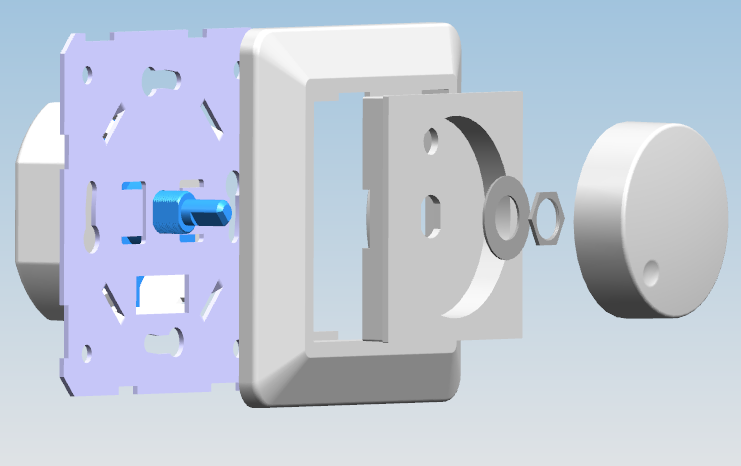
Sakelar peredup memodifikasi arus listrik untuk mengontrol intensitas cahaya. Pada dasarnya, ia mengubah bentuk gelombang tegangan yang memberi daya pada lampu. Bentuk gelombang adalah representasi dari osilasi arus listrik dari waktu ke waktu, dan dengan menyesuaikannya, peredup mengontrol berapa banyak daya yang dikirim ke bola lampu.
Ide di balik sakelar peredup sederhana: semakin rendah tegangan, semakin redup cahayanya. Ini tidak hanya memberikan pengalaman pencahayaan yang dapat disesuaikan tetapi juga mengurangi konsumsi energi. Dengan menurunkan tegangan, lebih sedikit energi yang digunakan, yang membantu menurunkan tagihan listrik dan memperpanjang umur bola lampu Anda. Tetapi ada lebih dari sekadar meredupkan lampu; peredup canggih seperti model berbasis TRIAC memberikan transisi yang lebih halus antara tingkat cahaya, menjadikannya lebih ideal untuk sistem pencahayaan perumahan dan komersial.
Penting untuk dipahami bahwa peredup kompatibel dengan jenis bola lampu tertentu, dan kombinasi yang salah dapat menyebabkan masalah seperti kedipan atau ketidakefisienan. Bola lampu LED dan CFL, misalnya, mungkin memerlukan peredup khusus yang dirancang untuk komponen elektroniknya. Memastikan kecocokan yang tepat sangat penting untuk mengoptimalkan kinerja dan menghindari potensi masalah.
Berbagai Jenis Sakelar Peredup?
Sakelar peredup hadir dalam banyak gaya, masing-masing dengan fungsi unik untuk memenuhi kebutuhan Anda. Mari kita jelajahi berbagai jenis untuk melihat mana yang paling cocok untuk Anda.
Dari peredup putar hingga peredup pintar, ada beberapa jenis yang tersedia, masing-masing menawarkan keunggulan yang berbeda. Memahami ini akan membantu Anda memilih yang tepat untuk ruangan Anda.

- Sakelar Peredup Putar: Ini adalah peredup klasik yang telah ada selama bertahun-tahun. Pengguna menyesuaikan intensitas cahaya dengan memutar kenop, dan semakin lama Anda memutarnya, semakin rendah kecerahannya. Ini adalah desain intuitif yang sebagian besar orang kenal dan biasanya digunakan di rumah-rumah tua atau dalam pengaturan pencahayaan yang lebih tradisional.
| Fitur | Deskripsi |
|---|---|
| Metode Kontrol | Putaran manual |
| Gaya Estetika | Tradisional |
| Aplikasi Umum | Kamar tidur, ruang makan |
| Pemasangan | Mudah dipasang ulang ke kotak sakelar standar |
- Sakelar Peredup Geser: Peredup geser sering dianggap lebih modern, dengan penggeser horizontal atau vertikal yang menyesuaikan kecerahan. Penggeser bergerak dengan mulus, memberikan kontrol yang halus atas intensitas cahaya. Mereka populer bagi mereka yang menginginkan desain ramping dengan fungsionalitas yang mudah digunakan, dan biasanya dipasang di rumah-rumah kontemporer atau bergaya minimalis.
| Fitur | Deskripsi |
|---|---|
| Metode Kontrol | Mekanisme geser |
| Gaya Estetika | Ramping dan modern |
| Aplikasi Umum | Ruang tamu, kantor |
| Pemasangan | Mirip dengan peredup putar |
- Sakelar Peredup Sentuh: Sesuai namanya, peredup sentuh menggunakan panel sensitif sentuhan alih-alih kenop atau penggeser fisik. Mereka sering memiliki desain yang halus dan ramping, menambahkan tampilan modern dan canggih secara teknologi ke ruangan Anda. Aksi peredupan dikendalikan dengan mengetuk atau menggesek pada permukaan sentuh, menjadikannya ramah pengguna dan menarik secara visual.
| Fitur | Deskripsi |
|---|---|
| Metode Kontrol | Sentuhan kapasitif |
| Gaya Estetika | Minimalis, futuristik |
| Aplikasi Umum | Perumahan kelas atas, kamar hotel |
| Pemasangan | Membutuhkan kabel netral dalam banyak kasus |
- Sakelar Peredup Pintar: Peredup ini dirancang untuk digunakan dengan sistem rumah pintar, memungkinkan Anda mengontrol lampu dari jarak jauh. Mereka terhubung ke jaringan Wi-Fi rumah Anda dan dapat dikontrol melalui aplikasi smartphone atau perintah suara melalui asisten pintar seperti Alexa atau Google Assistant. Sakelar peredup pintar sangat cocok untuk pemilik rumah yang ingin mengintegrasikan kontrol pencahayaan ke dalam ekosistem rumah pintar yang lebih luas, menawarkan kenyamanan dan efisiensi.
| Fitur | Deskripsi |
|---|---|
| Metode Kontrol | Jarak jauh/aplikasi/suara |
| Gaya Estetika | Modern dan terhubung |
| Aplikasi Umum | Sistem seluruh rumah |
| Pemasangan | Membutuhkan Wi-Fi, kabel netral sering diperlukan |
Setiap jenis sakelar peredup memiliki keunggulannya sendiri, jadi pilihan terbaik tergantung pada kebutuhan spesifik Anda, gaya rumah, dan preferensi.
Berbagai Fungsi Sakelar Peredup?
Sementara semua peredup memiliki tujuan dasar yang sama, fungsi internalnya dapat bervariasi. Mari kita lihat lebih dekat berbagai fungsi untuk membantu Anda memahami kemampuannya.
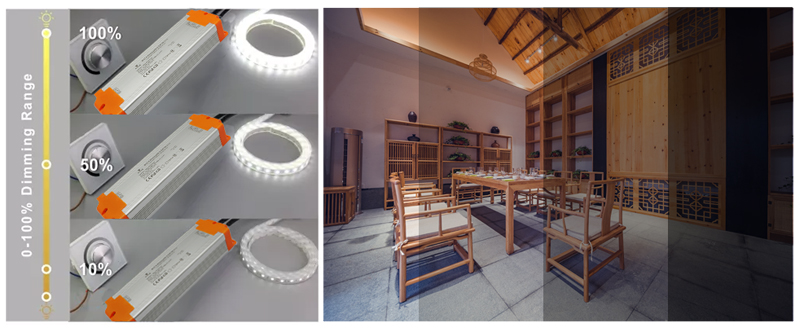
Fungsi seperti TRIAC, 0-10V, PWM, dan DALI mewakili metode peredupan yang berbeda, masing-masing menawarkan fitur unik dan opsi kontrol. Fungsi-fungsi ini memengaruhi kinerja saklar dimmer di berbagai lingkungan pencahayaan.
-
TRIAC (Triode untuk Arus Bolak-balik): Dimmer berbasis TRIAC adalah jenis yang paling umum untuk mengendalikan lampu pijar dan halogen. peredup TRIAC bekerja dengan memotong bentuk gelombang pada titik tertentu, mengurangi jumlah arus yang mencapai bola lampu. Mereka efisien dan menawarkan transisi peredupan yang halus, itulah sebabnya mereka sering disukai untuk sistem pencahayaan tradisional. Namun, mereka mungkin tidak ideal untuk bohlam LED atau CFL kecuali dirancang khusus untuk jenis bohlam tersebut.
-
Peredupan 0-10V: Metode ini biasanya digunakan dalam sistem pencahayaan komersial. peredupan 0-10V bekerja dengan mengendalikan tingkat tegangan yang dikirim ke ballast atau driver LED, yang pada gilirannya menyesuaikan kecerahan cahaya. Ini menawarkan peredupan yang halus dan bebas kedipan dan sangat cocok untuk ruangan yang lebih besar di mana kontrol pencahayaan yang presisi penting, seperti kantor, sekolah, atau teater.
-
PWM (Modulasi Lebar Pulsa): Peredupan PWM umumnya digunakan dalam pencahayaan LED dan CFL. Ini mengontrol kecerahan dengan menyalakan dan mematikan lampu pada frekuensi yang sangat tinggi, memvariasikan lamanya waktu lampu menyala selama setiap siklus. Mata manusia mempersepsikan siklus cepat ini sebagai perubahan kecerahan. Metode ini memungkinkan kontrol yang halus atas lampu LED dan sering disukai untuk solusi pencahayaan hemat energi.
-
DALI (Antarmuka Pencahayaan Digital yang Dapat Dialamatkan): DALI adalah protokol komunikasi yang digunakan dalam sistem pencahayaan profesional, memungkinkan kontrol individual atas lampu dalam jaringan. Sistem ini ideal untuk gedung komersial besar, di mana beberapa zona pencahayaan perlu dikontrol secara independen. DALI memungkinkan fungsi peredupan yang sangat dapat disesuaikan dan dapat diintegrasikan dengan sistem manajemen gedung untuk kenyamanan dan efisiensi tambahan.
Semua dimmer bekerja pada satu prinsip dasar: mengontrol energi yang dikirim ke lampu. Tetapi bagaimana kontrol itu terjadi bervariasi.
| Metode Peredupan | Teknik | Mekanisme Kontrol Kecerahan |
|---|---|---|
| TRIAC | Pemotongan fase (tepi depan) | Mengurangi daya melalui pembentukan gelombang |
| 0-10V | Kontrol tegangan analog | Tegangan lebih tinggi = cahaya lebih terang |
| PWM | Pulsa on/off berbasis waktu | Pulsa lebih pendek = cahaya lebih redup |
| DALI | Sinyal perintah digital | Perilaku perlengkapan yang dapat diprogram |
Setiap fungsi peredupan ini menawarkan keunggulan spesifik berdasarkan aplikasi dan jenis pencahayaan yang digunakan, dan penting untuk memilih yang paling sesuai dengan kebutuhan Anda.
Bagaimana Cara Kerja Saklar Dimmer?
Memahami cara kerja internal saklar dimmer dapat membantu Anda memanfaatkannya secara maksimal. Tetapi bagaimana tepatnya ia mengontrol intensitas cahaya dan faktor apa yang memengaruhi kinerjanya?
Saklar dimmer menyesuaikan bentuk gelombang listrik, mengurangi jumlah arus yang dikirim ke bohlam. Ini mengubah kecerahan cahaya, menjadikannya ideal untuk menciptakan suasana yang sempurna.
Di inti setiap saklar dimmer terdapat komponen yang memodifikasi sinyal listrik. Metode tradisional, seperti dimmer TRIAC, bekerja dengan memotong sebagian bentuk gelombang listrik, secara efektif mengurangi jumlah energi yang mengalir ke bola lampu. Pengurangan energi ini menghasilkan cahaya yang lebih redup.
Sistem yang lebih canggih, seperti dimmer berbasis 0-10V atau PWM, bekerja dengan mengendalikan bagian yang berbeda dari sinyal listrik untuk mencapai kontrol yang lebih halus. Metode ini menawarkan kinerja yang lebih baik dengan sumber cahaya modern seperti LED, yang memerlukan kontrol tegangan yang lebih presisi.
Penting untuk mempertimbangkan kompatibilitas antara saklar dimmer dan jenis lampu yang digunakan. Misalnya, dimmer tertentu mungkin tidak berfungsi dengan baik dengan LED kecuali dirancang untuk tujuan itu. Menggunakan kombinasi yang salah dapat mengakibatkan kinerja yang buruk, termasuk berkedip atau peredupan yang tidak efisien.
Keuntungan Memasang Saklar Dimmer
Saklar dimmer menawarkan banyak keuntungan, dari penghematan energi hingga kontrol pencahayaan yang ditingkatkan. Jadi, mengapa Anda harus mempertimbangkan memasangnya di rumah Anda?
Saklar dimmer memberikan efisiensi energi yang lebih baik, umur bohlam yang lebih panjang, dan kontrol yang lebih besar atas pencahayaan Anda. Mereka membantu menciptakan suasana yang ideal sambil menghemat biaya energi.

Memasang saklar dimmer hadir dengan beberapa manfaat utama. Pertama, ini meningkatkan efisiensi energi pencahayaan Anda. Dengan mengurangi kecerahan, Anda menggunakan lebih sedikit energi, yang menurunkan tagihan listrik Anda. Ini terutama terlihat dengan pencahayaan hemat energi seperti LED, yang dapat memiliki masa pakai yang diperpanjang lebih jauh dengan beroperasi pada intensitas yang lebih rendah.
Keuntungan lain adalah kemampuan untuk menciptakan suasana yang sempurna untuk acara apa pun. Apakah Anda mengadakan pesta makan malam atau bersantai di malam hari, dimmer memungkinkan Anda menyesuaikan pencahayaan sesuai kebutuhan Anda. Fleksibilitas ini menjadikannya barang yang wajib dimiliki bagi banyak pemilik rumah yang menghargai pencahayaan suasana.
Selain itu, saklar dimmer dapat memperpanjang umur bohlam Anda. Dengan menggunakan tingkat daya yang lebih rendah, bohlam mengalami lebih sedikit keausan, yang berarti mereka bertahan lebih lama dan mengurangi kebutuhan penggantian.
Penggunaan Umum Saklar Dimmer di Rumah
Saklar dimmer dapat dipasang di berbagai ruangan untuk melayani tujuan yang berbeda. Mari kita jelajahi penggunaan paling umum untuk saklar dimmer di rumah.
Saklar dimmer populer di ruang tamu, ruang makan, dan kamar tidur. Mereka membantu mengatur suasana hati yang tepat dan sangat bagus untuk menciptakan lingkungan yang nyaman dan santai.

Di ruang tamu, saklar dimmer sering digunakan untuk menyesuaikan pencahayaan untuk berbagai aktivitas. Apakah Anda menonton TV, membaca buku, atau menjamu tamu, saklar dimmer memungkinkan Anda menciptakan lingkungan pencahayaan yang ideal untuk setiap situasi. Ini sempurna untuk menciptakan suasana yang nyaman dan ramah.
Di ruang makan, saklar dimmer membantu mengatur suasana untuk makan. Meredupkan lampu sedikit dapat menciptakan suasana yang lebih intim, yang ideal untuk pesta makan malam atau makan keluarga. Faktanya, banyak orang merasa bahwa makan di bawah pencahayaan redup meningkatkan pengalaman bersantap secara keseluruhan.
Di kamar tidur, peredup sering digunakan untuk tujuan relaksasi. Kemampuan meredupkan lampu sebelum tidur dapat membantu menciptakan lingkungan yang menenangkan yang memudahkan untuk bersantai. Sakelar peredup juga berguna di lorong dan kamar mandi, di mana pencahayaan yang dapat disesuaikan dapat memberikan fungsi dan suasana.
Sakelar Peredup vs. Sakelar Lampu Standar: Apa Bedanya?
Anda mungkin bertanya-tanya bagaimana sakelar peredup dibandingkan dengan sakelar lampu standar. Apa yang membedakannya, dan mana yang merupakan pilihan yang lebih baik untuk Anda?
Tidak seperti sakelar lampu standar, yang menyalakan atau mematikan lampu, sakelar peredup menyediakan kecerahan yang dapat disesuaikan. Mereka menawarkan kontrol yang lebih besar atas tingkat pencahayaan dan dapat meningkatkan fungsi dan suasana.

Perbedaan utama antara sakelar peredup dan sakelar lampu standar adalah tingkat kontrol atas pencahayaan. Sakelar standar hanya menyalakan atau mematikan lampu, sementara sakelar peredup memungkinkan Anda untuk menyesuaikan intensitas cahaya. Ini memberi Anda lebih banyak fleksibilitas untuk menciptakan suasana yang diinginkan, apakah Anda menginginkan cahaya yang terang dan energik atau cahaya yang lembut dan menenangkan.
Sakelar peredup juga memberikan penghematan energi tambahan. Dengan menurunkan kecerahan, Anda mengonsumsi lebih sedikit listrik. Sebaliknya, sakelar standar tidak memberikan tingkat efisiensi energi ini.
Dalam hal pemasangan, sakelar peredup sedikit lebih rumit daripada sakelar standar, tetapi masih relatif mudah dipasang bagi kebanyakan penggemar DIY. Namun, kompatibilitas dengan bola lampu harus diperiksa, karena beberapa peredup bekerja lebih baik dengan jenis sumber cahaya tertentu.
Bagaimana Cara Memilih Sakelar Peredup yang Tepat untuk Rumah Anda?
Memilih sakelar peredup yang tepat adalah kunci untuk memaksimalkan fungsionalitas dan performanya. Bagaimana Anda memastikan Anda memilih yang terbaik untuk kebutuhan Anda?
Untuk memilih sakelar peredup yang tepat, pertimbangkan faktor-faktor seperti kompatibilitas dengan bola lampu Anda, jenis mekanisme peredup yang Anda sukai, dan estetika keseluruhan rumah Anda.

Saat memilih sakelar peredup, penting untuk mempertimbangkan jenis bola lampu yang Anda gunakan. Beberapa peredup dirancang khusus untuk bola lampu pijar atau halogen, sementara yang lain kompatibel dengan LED atau CFL. Pastikan sakelar peredup yang Anda pilih kompatibel dengan pencahayaan Anda untuk menghindari kedipan atau inefisiensi.
Selanjutnya, pikirkan tentang gaya peredup yang Anda sukai. Apakah Anda lebih suka tombol putar, panel sentuh yang ramping, atau peredup pintar yang lebih canggih? Pilihan akan bergantung pada desain rumah Anda dan preferensi pribadi Anda untuk mengontrol lampu Anda.
Terakhir, pertimbangkan bagaimana peredup akan cocok dengan estetika keseluruhan rumah Anda. Banyak peredup hadir dalam berbagai desain, jadi pilih salah satu yang melengkapi dekorasi Anda. Jika Anda menginginkan tampilan modern, peredup sentuh atau pintar mungkin ideal. Jika Anda lebih suka desain yang lebih klasik, peredup putar atau geser bisa menjadi pilihan yang lebih baik.
Berikut adalah hal-hal yang saya pertimbangkan sebelum memilih peredup:
- Jenis Bola Lampu: Hanya gunakan bola lampu yang dapat diredupkan. Periksa ulang.
- Metode Peredupan: TRIAC untuk LED dasar, 0-10V untuk komersial.
- Pemasangan Kabel: Beberapa peredup memerlukan kabel netral.
- Jenis Kontrol: Tombol, geser, sentuh, atau pintar?
- Rating Beban: Jumlahkan semua wattase dalam sirkuit.
| Faktor | Hal-hal yang Perlu Diperhatikan |
|---|---|
| Jenis Bola Lampu | LED yang Dapat Diredupkan, Pijar, CFL |
| Preferensi Kontrol | Putar, Geser, Sentuh, Pintar |
| Pemasangan | Satu kutub, 3 arah, atau multi-lokasi |
| Protokol Peredupan | TRIAC, 0-10V, PWM, DALI |
Kesimpulan
Sakelar peredup adalah cara sederhana namun efektif untuk mengontrol pencahayaan Anda. Mereka meningkatkan suasana, menghemat energi, dan memberikan lebih banyak kontrol atas pencahayaan rumah Anda.
Temukan Peredup LED Berkinerja Tinggi dari boqi
boqi adalah produsen China terpercaya yang berspesialisasi dalam peredup LED, berkualitas tinggi, melayani pasar global dengan solusi kontrol pencahayaan yang andal dan hemat energi untuk aplikasi residensial dan komersial.
Driver LED dan peredup yang dapat diredupkan kami memenuhi CE, RoHS sertifikasi, memastikan kepatuhan penuh dengan standar keselamatan dan kinerja internasional. Dengan waktu tunggu yang cepat, semua peredup tersedia dalam stok, layanan yang dapat disesuaikan, dan Garansi 5 tahun, yang kuat, boqi adalah mitra ideal Anda untuk solusi peredupan LED yang dapat diskalakan.
Selama lebih dari satu dekade, kami telah berkomitmen untuk membantu bisnis mencapai kontrol pencahayaan yang lebih cerdas dengan produk yang tahan lama, bebas kedipan, dan berkelanjutan. Mencari pemasok peredup LED yang dapat diandalkan yang memenuhi tuntutan sistem pencahayaan modern? Pilih boqi – di mana kualitas bertemu inovasi. Hubungi kami hari ini untuk memulai proyek Anda.