Skip to content









يسألني المشترون عن تعتيم TRIAC أسبوعيًا تقريبًا على خط الإنتاج لدينا. كثيرون يقرنون المخفت الخاطئ مع المشغل الخاطئ، ويشاهدون الأضواء ترفرف في الموقع، ثم يلقون اللوم على LED. هذا الارتباك يكلف المشاريع أموالًا حقيقية — وكل ذلك يبدأ بسؤال واحد غير مفهوم.
تعديل TRIAC هو طريقة تعديل للتيار المتردد. يقوم مخفت TRIAC بقص طور موجة التيار المتردد الرئيسية، حيث يعمل عند نقطة محددة في كل نصف دورة لتقليل الطاقة الموردة. لا يغير جهد التيار المستمر مباشرة، على الرغم من أن مشغل LED المتوافق قد يقوم بتصحيح التيار المتردد المقطوع إلى تيار مستمر داخليًا.
بعبارات بسيطة: تعتيم TRIAC = طاقة AC + قطع الطور. لكن تلك الإجابة القصيرة تخفي قضية أعمق. دعني أوضح لك ما يحدث فعليًا بين المخفت ومصابيح LED لديك، ولماذا يهم ذلك لمشاريعك.
كيف يتحكم تخفيت TRIAC فعليًا في جهد التيار المتردد في مشاريع الإضاءة الخاصة بي؟
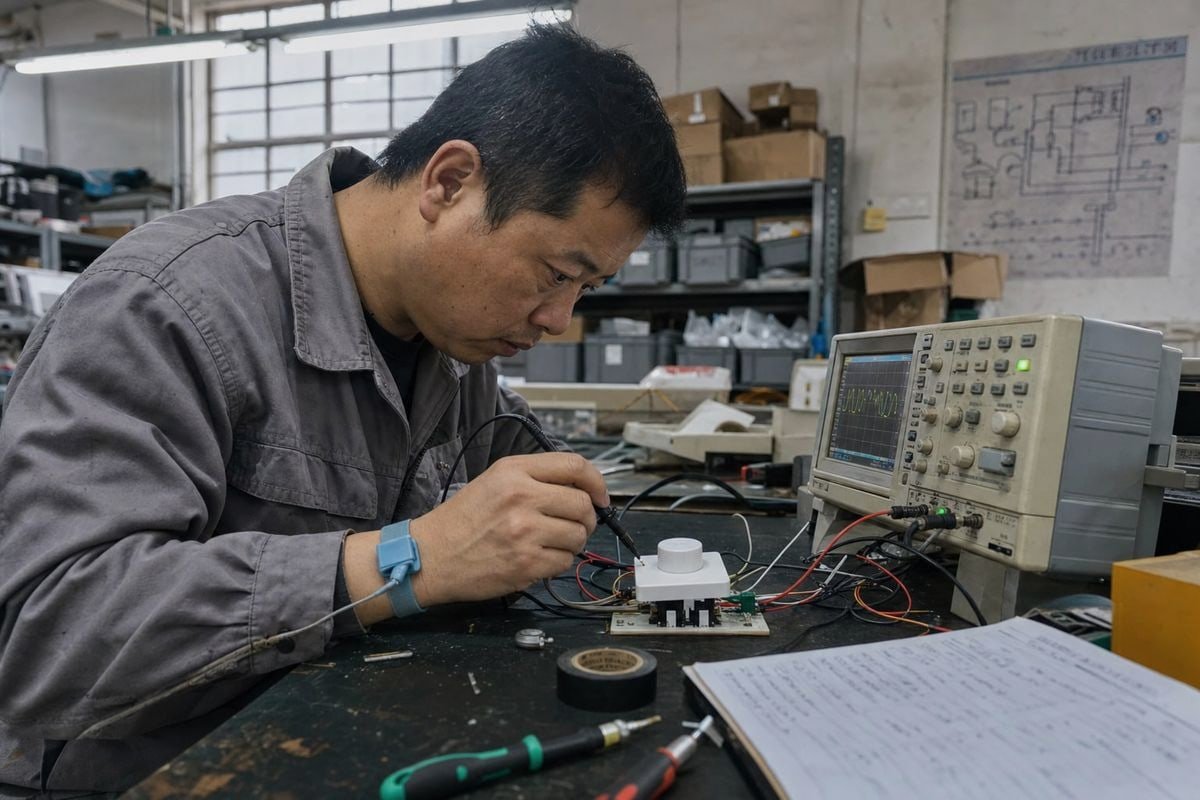
عندما نعاير مخفتات TRIAC لدينا في مصنع boqi، نراقب موجة الجيب المقطوعة 1 على راسم الإشارة. تلك الموجة تحكي القصة الكاملة لكيفية عمل هذه التقنية.
يؤخر مُخفِت TRIAC التوصيل خلال كل نصف دورة من التيار المتردد، ثم يفتح ويوصل حتى يتقاطع التيار مع الصفر. إطلاق TRIAC مبكرًا يوصل المزيد من موجة الجيب والمزيد من الضوء؛ إطلاقه لاحقًا يقطع المزيد من شكل الموجة ويخفت الضوء.

كلمة TRIAC تعني الصمام الثلاثي للتيار المتردد. هذا الاسم وحده يؤكد أنه جهاز AC. إنه ثايرستور ثنائي الاتجاه 2, ، مما يعني أنه يوصل التيار في كلا الاتجاهين. لذا فهو يعمل خلال كل من النصفين الموجب والسالب لدورة AC. هذا هو التشغيل الأساسي للثايرستور، ولهذا أصبحت TRIAC المعيار السائد لتعتيم المنازل: فهي تعمل على الأسلاك AC ثنائية السلك الموجودة دون أي كابلات تحكم مخصصة.
مبدأ قطع الطور، خطوة بخطوة
إليك التسلسل الذي يتكرر 100 أو 120 مرة في الثانية على مصدر 50/60 هرتز:
- يعبر جهد AC الصفر وينطفئ TRIAC بشكل طبيعي.
- دائرة توقيت داخل المخفت تنتظر تأخيرًا محددًا. مقبضك الدوار يضبط هذا التأخير.
- تُطلق البوابة، ينغلق TRIAC، ويتدفق التيار إلى الحمل.
- ينخفض التيار إلى الصفر عند العبور التالي، وتتكرر الدورة.
يُسمى هذا تعتيم قطع الطور، أو التحكم بزاوية الطور. تستخدم مخفتات TRIAC التقليدية التحكم بالحافة الأمامية، ويسمى أيضًا تعتيم الطور الأمامي 3, ، والذي يقطع بداية كل نصف دورة. قطع مقدمة الموجة يخفض جهد RMS الذي يصل إلى الحمل.
ما يستقبله الحمل فعليًا
| نقطة الإطلاق في نصف الدورة | الجزء المُسلَّم من شكل الموجة | خرج الضوء |
|---|---|---|
| مبكر جدًا (قرب 0°) | موجة جيب شبه كاملة | سطوع قريب من 100% |
| متوسط (حول 90°) | تقريبًا نصف الموجة | سطوع متوسط |
| متأخر (قرب 150°+) | شريحة صغيرة من الموجة | مستوى تعتيم عميق |
لاحظ ما لا يحدث هنا. الإمداد لا يصبح DC أبدًا. الحمل ببساطة يستقبل طاقة AC متوسطة أقل لأن جزءًا من كل موجة جيب يُقطع. اكتشاف العبور الصفري هو ما يجعل المخطط بأكمله يعمل، لأن TRIAC يعتمد على التيار الذي يصل إلى الصفر بشكل طبيعي للانطفاء. هذا النوع من تعديل موجة الجيب هو تقنية AC أساسًا من البداية إلى النهاية.
هل يمكنني استخدام مخفت إضاءة TRIAC مع مشغلات LED التي تعمل بالتيار المستمر بأمان؟
سألني مشترٍ في سنغافورة يومًا لماذا بقي مخفت TRIAC لديه مغلقًا عند توصيله بدائرة DC. الإجابة علمت فريقه درسًا يعرفه مهندسونا عن ظهر قلب.
لا — يجب أن يكون مخفت TRIAC على جانب AC، أبدًا على خط DC. تعتمد TRIACات على العبور الصفري لـ AC للانطفاء؛ مع DC الثابت لا يوجد عبور صفري، لذا يبقى TRIAC مغلقًا بشكل دائم. استخدم مخفتات TRIAC فقط مع مشغلات مصممة لإدخال AC بقطع الطور.

هذه هي النقطة التي يصبح فيها سؤال “AC أم DC” مثيرًا للاهتمام حقًا لمشاريع LED. مصابيح LED نفسها أجهزة DC بطبيعتها. تعمل على تيار مباشر منظم، عادة من مشغل تيار ثابت. ومع ذلك، لا يزال تعتيم TRIAC يعمل مع LED — طالما أن مسار الإشارة صحيح.
مسار الإشارة الحقيقي في نظام LED قابل للتعتيم
إليك كيف يتدفق نظام TRIAC القابل للتعتيم المصمم بشكل صحيح:
مصدر AC ← موجة TRIAC بقطع الطور ← إدخال مشغل LED ← دائرة مقوم الجسر / ناقل DC ← تنظيم تيار LED ← مصابيح LED
يتحكم TRIAC في موجة إدخال AC. ثم يقوم المشغل بتقويم تلك الموجة المشوهة 4, ، وتصفيتها، وتنظيم تيار DC نظيف لمصابيح LED. تنتقل معلومات التعتيم كزاوية طور على جانب AC، وتقوم خوارزمية تعتيم المشغل بترجمة تلك الزاوية إلى خرج DC نسبي. لذا فإن عبارة “تعتيم TRIAC هو AC” لا تعني أن LED يعمل مباشرة من AC. يحدث التقويم لاحقًا، داخل المشغل — مرحلة منفصلة تمامًا.
لماذا يكسر DC جهاز TRIAC
على DC، لا ينخفض التيار إلى الصفر من تلقاء نفسه. بمجرد إطلاق بوابة TRIAC، ينغلق الجهاز ويبقى في توصيل كامل. يصبح مقبض المخفت عديم الفائدة، وفي أسوأ الحالات يسخن TRIAC. إذا كان لديك شريط LED بجهد 12V أو 24V DC، فإن تعتيم TRIAC هو ببساطة الأداة الخاطئة في تلك المرحلة. في أنظمة DC، يعني التعتيم شيئًا مختلفًا: إما تغيير مستوى DC أو استخدام تعديل عرض النبضة، حيث تقوم إشارة PWM بتبديل الخرج بسرعة. تلك طرق لاحقة، وليست طرق قطع طور.
| الطريقة | حيث يعمل | نوع الإشارة | الاستخدام النموذجي |
|---|---|---|---|
| قطع الطور TRIAC | دخل التيار المتردد الرئيسي | موجة جيبية مترددة مقطوعة | تعتيم سكني للتعديل، دوائر ثنائية الأسلاك |
| 0-10 فولت تناظري | منفذ التحكم في السائق | إشارة تيار مستمر منخفضة الجهد | إضاءة تجارية ومكاتب |
| تعتيم PWM / تيار مستمر | جانب خرج التيار المستمر | تيار مستمر نابض أو متغير | شرائط LED، أنظمة الجهد الثابت |
في boqi نبني سائقين لجميع الأساليب الثلاثة — سائقين LED قابلين للتعتيم TRIAC، قابلين للتعتيم 0-10V، وقابلين للتعتيم DALI — على وجه التحديد لأن المشاريع المختلفة تحتاج إلى تحكم في نقاط مختلفة في تلك السلسلة.
ما هي مشكلات التوافق التي يجب أن أتحقق منها بين مخفتات الإضاءة TRIAC ومشغلات LED الخاصة بي؟
إليك خطأ كلف أكثر من واحد من عملائنا الموزعين مكالمة متابعة: افتراض أنه لأن السائق يقول “قابل للتعتيم TRIAC”، فإن كل مخفت TRIAC سيعمل بشكل جيد معه. هذا ليس صحيحًا بالضرورة.
تحقق من خمسة أشياء قبل الاقتران: دعم الحافة الأمامية مقابل الحافة الخلفية، متطلب الحمل الأدنى للمخفت، سلوك تيار الإمساك والتثبيت للسائق، أداء بدء التشغيل عند إعدادات التعتيم المنخفضة، ونطاق التعتيم المختبر. مجموعة المخفت والسائق تحدد الأداء الفعلي في الميدان، وليس أي جهاز بمفرده.

رأيت سائقين LED متصلين بنفس مخفت TRIAC يتصرفان بشكل مختلف تمامًا. أحدهما يعتم بسلاسة إلى 5%. آخر يومض أقل من 40%. ثالث يرفض التشغيل بشكل موثوق بعد انقطاع التيار. نفس المخفت، نفس التيار الرئيسي، نتائج مختلفة. توافق سائق LED هو خاصية على مستوى النظام، ويعتمد على كيفية تفسير مرحلة الإدخال للسائق وتحملها لموجة القطع الطورية.
عوامل التوافق التي تهم فعلاً
| العامل | لماذا يهم | ماذا تسأل موردك |
|---|---|---|
| الحافة الأمامية مقابل الخلفية | مخفتات الطور الأمامي تضغط على إدخال السائق بشكل مختلف عن الطور العكسي | ما أنواع الحواف التي تم اختبار السائق معها؟ |
| الحد الأدنى للحمل | بُنيت المخفتات القديمة لأحمال متوهجة 40 واط+؛ قد يقع LED بقدرة 7 واط تحت العتبة | ما هو الحد الأدنى من القوة الكهربائية للمخفت، وهل يقدم السائق حملًا كافيًا؟ |
| تيار الإمساك/التثبيت | إذا كان السائق يسحب تيارًا قليلًا جدًا، يسقط TRIAC في منتصف الدورة | هل يتضمن السائق دائرة نزف أو حمل نشط؟ |
| سعة الإدخال | السعة العالية تسبب ارتفاعات تيار البدء وإطلاقًا خاطئًا | هل تم تصميم مرحلة الإدخال لموجات القطع الطورية؟ |
| معامل القدرة | معامل القدرة الضعيف يشوه كيف يرى المخفت الحمل | ما هو معامل القدرة عند الخرج الكامل والمخفت؟ |
| نطاق التعتيم | التسويق يقول “قابل للتعتيم”؛ المشاريع تحتاج أرقامًا حقيقية | ما هو النطاق المختبر، مثل 5%–100%؟ |
كيف نحدد التوافق على مستوى المصنع
لعملائنا من OEM والهندسة، لا نكتب أبدًا فقط “قابل للتعتيم TRIAC” على ورقة البيانات. نحدد متوافق مع قطع الطور مع نوع المخفت المدعوم ونطاق تعتيم مختبر، ونحتفظ بقائمة مخفتات مختبرة لأسواق التصدير الرئيسية مثل أستراليا والمملكة المتحدة وألمانيا. قد تحتاج التركيبات الحديثة منخفضة القوة الكهربائية أحيانًا أيضًا إلى وحدة تثبيت الحمل النشط 5 موصولة بالتوازي مع LEDs. تحاكي حملًا مقاومًا حتى لا يسقط TRIAC عند مستويات التعتيم المنخفضة. إذا كان مشروعك يخلط العديد من التركيبات الصغيرة على مخفت واحد، اسأل عن هذا قبل التركيب، وليس بعد وصول شكاوى الوميض.
لماذا يومض مشغل TRIAC القابل للتعتيم أو يفشل في التعتيم بسلاسة؟
استكشاف أخطاء تقارير الوميض هو جزء روتيني من دعم ما بعد البيع لدينا، وعلى مر السنين ظهر نمط واضح: معظم الأعطال تعود إلى أربعة أسباب فيزيائية، وليس إلى “سائق سيء”.”
يأتي الوميض عادةً من سقوط TRIAC تحت تيار الإمساك، أو موجات الحافة الأمامية غير المتطابقة التي تربك دائرة الكشف في السائق، أو السعة الطفيلية في مسارات الأسلاك الطويلة، أو عدم استقرار تردد التيار الرئيسي. إصلاحه يعني مطابقة نوع المخفت، وإضافة نزف أو حمل نشط، والتحقق من نطاق التعتيم المختبر.

الأداء الخالي من الوميض ليس حظًا. إنه نتيجة مرحلة إدخال سائق مصممة لقراءة موجة مشوهة ومقطوعة بشكل صحيح، دورة بعد دورة. عندما ينهار شيء في تلك السلسلة، تكون الأعراض مرئية وغالبًا مسموعة. دعني أفصل الأسباب الجذرية الأربعة التي نشخصها في أغلب الأحيان.
السبب 1: انقطاع الترياك عند الحمل المنخفض
تحتاج المخفتات التقليدية ذات الحافة الأمامية إلى تيار أدنى للحفاظ على قفل الترياك. قد يسحب مشغل LED صغير تيارًا ضئيلًا لدرجة أن الترياك ينطفئ في منتصف الدورة، ثم يعيد الإشعال. يظهر الضوء بتلعثم أو وميض عند مستويات التعتيم العميقة. الحل هو مشغل مزود بدائرة نزف مناسبة، أو وحدة حمل نشطة خارجية موازية.
السبب 2: تسرب السعة الطفيلية
في الأسلاك السكنية المعقدة، تحمل مسارات الكابلات الطويلة سعة طفيلية. يمكن أن تسرب هذه السعة تيارًا كافيًا لإبقاء بوابة الترياك مفتوحة جزئيًا. النتيجة: تتوهج مصابيح LED بضعف أو لا تنطفئ تمامًا. المسارات الأقصر، أو توجيه الكابلات الصحيح، أو مشغل بتحمل أعلى للتسرب يحل هذه المشكلة.
السبب 3: الإجهاد العازل والطنين المسموع
ينتج التحكم بالحافة الأمامية ارتفاعًا شبه فوري في الجهد عند كل نقطة إشعال. تضغط تلك الحافة الحادة فيزيائيًا على المادة العازلة في مكثفات الإدخال للمشغل. بمرور الوقت يظهر هذا كصوت صفير أو طنين مسموع. ترشيح الإدخال عالي الجودة ومكثفات مصنفة لتحمل القطع الطوري يقللان من الضوضاء والتعب طويل الأمد.
السبب 4: الإشعال الخاطئ المعتمد على التردد
على طاقة المولدات أو الشبكات غير المستقرة — وهو قلق حقيقي في العديد من أسواق جنوب شرق آسيا التي نشحن إليها — قد ينحرف التيار الرئيسي قليلاً عن 50/60 هرتز. دوائر توقيت الترياك التي تفترض ترددًا ثابتًا تشتعل بعد ذلك بزوايا خاطئة قليلاً في كل دورة، مما ينتج نبضًا إيقاعيًا أو تموجًا في الضوء. المشغلات المزودة بكشف عبور الصفر التكيفي تتعامل مع هذا الانحراف بشكل أفضل بكثير من التصاميم الأساسية.

خاتمة
تعتيم الترياك هو تحكم بالقطع الطوري للتيار المتردد عند الإدخال؛ يقوم المشغل بتصحيح تلك الموجة المقطوعة إلى تيار مستمر بعد ذلك. طابق المخفت والمشغل كزوج مُختبر، وستختفي مشاكل التعتيم.
الحواشي
- وصف رياضي وفيزيائي أساسي لموجة التيار المتردد المتناوب. ↩︎
- تعريف تقني للترياك كمكوّن إلكتروني ثنائي الاتجاه يُستخدم في التبديل بالتيار المتردد. ↩︎
- مصدر حكومي موثوق لضوابط الإضاءة الموفرة للطاقة وطرق التعتيم بالقطع الطوري. ↩︎
- سلطة تقنية رائدة في جودة الطاقة وتحليل الموجات الكهربائية المشوهة. ↩︎
- هيئة معايير صناعية لمتطلبات توافق المعدات الكهربائية وضوابط الإضاءة. ↩︎